

Written by: Dr. Akash Chandawarkar, Board Certified Plastic Surgeon, Mirror Plastic Surgery | Last updated: September 9, 2026
Key Takeaways
- Long-term dermal filler effects can include migration, delayed nodules, biofilm reactions, micro-scarring, and rare bone changes. Risk depends on filler type, placement, and provider skill.1
- 2026 research reports granulomas in 1–2% of patients, migration in up to 1%, and vascular complications in 0.1–0.3% of procedures. These numbers highlight how much technique and product choice matter.1
- HA fillers may persist for many years and can expand significantly through water absorption. Conservative dosing protects facial balance over time.1
- Serious complications usually relate to provider decisions such as volume, depth, and injection site rather than the filler material alone.1
- At Mirror Plastic Surgery, board-certified plastic surgeon Dr. Akash Chandawarkar focuses on safety-first injectable care. Schedule a consultation to review your filler history and goals.
Executive Summary: What Long-Term Filler Research Shows
Many patients now worry about “filler fatigue” and permanent damage and want clear, evidence-based answers. This report brings together recent FDA communications, 2024–2026 MRI data, and systematic reviews to explain what happens in the years after filler treatment.
Long-term effects are real and documented. They are also largely preventable when you work with the right provider, choose products carefully, and follow a thoughtful treatment plan. Most serious complications relate to provider error such as excessive volume, incorrect tissue plane, or limited anatomical knowledge. At Mirror Plastic Surgery in St. Petersburg, FL, Dr. Akash Chandawarkar uses a safety-first approach so aesthetics never override long-term tissue health.
Get a personalized filler evaluation to discuss your history, current concerns, and long-term plan.
What Happens to Fillers Years Later? The Documented Long-Term Effects
Filler Migration
Filler migration occurs in up to 1% of cases, according to the 2026 Aesthetic Plastic Surgery systematic review, and is most often reported in the nose, lips, nasolabial folds, and forehead. Tear trough injections carry a specific risk of filler migrating into the orbit, which can leave a permanent uneven contour if left untreated. The 2026 review links migration mainly to technique issues such as excessive volume or incorrect tissue layer rather than to product defects.1
Delayed Nodules and Granulomas
Delayed inflammatory nodules can appear weeks, months, or even years after injection. The 2026 Aesthetic Plastic Surgery review reports granuloma formation in approximately 1–2% of patients, particularly with permanent fillers such as PMMA, while collagen injections carry a higher risk of about 6%.1
Biofilm-Associated Inflammatory Reactions
Bacteria can colonize filler material and contribute to recurrent, unexplained swelling or nodules. These flares often follow illness, dental work, or immune activation. Many experts now view these problems as a spectrum of delayed inflammatory reactions influenced by filler properties, the patient’s immune system, and low-grade bacterial contamination.
Micro-Scarring and Tissue Changes
Repeated needle or cannula punctures can create microscopic tracks of scar tissue over time. More importantly, a 2026 MRI study in Plastic and Reconstructive Surgery Global Open found filler detectable up to 15 years after injection, with measured volume averaging 2.8 times the initially injected volume.1 These findings show that some fillers expand through water absorption instead of fading as quickly as many patients assume.
Bone Resorption
The FDA has identified three cases from Medical Device Reports and up to 60 cases in seven publications of bone resorption in the chin, jaw, midface, or forehead after supraperiosteal hyaluronic acid filler injections.1 Many cases were asymptomatic and discovered incidentally on CT scans or dental X-rays. The FDA advises against using cosmetic wrinkle fillers in bone, tendon, ligament, or muscle.
Facial Overfilled Syndrome
The 2026 Aesthetic Plastic Surgery review describes facial overfilled syndrome (FOS) as a complication of excessive filler use, with features such as “flower horn” foreheads, “sunset” eyes, “chipmunk” cheeks, and “pillow” faces.1 This pattern reflects cumulative distortion from too much product placed too often.
How Filler Type Affects Long-Term Risk
Filler type strongly influences long-term risk, especially when you compare reversible, semi-permanent, and permanent products.
Hyaluronic acid (HA) fillers, including Juvederm, Restylane, RHA, and Versa, are reversible with hyaluronidase. This reversibility is their most important safety advantage. HA fillers typically last about six months to two years, but some persist for several years or longer, and dissolution can require multiple sessions and may not be immediate or complete. As noted earlier, MRI research shows that HA fillers can remain for many years and expand significantly, which makes conservative dosing essential.
Biostimulatory fillers such as Radiesse (calcium hydroxylapatite) stimulate collagen production and usually last 12–18 months, with some results lasting up to two years. They cannot be dissolved with hyaluronidase or any other enzyme. A 2026 Journal of Cosmetic Dermatology review notes that HA and CaHA fillers share similar complication profiles, but HA complications benefit from enzymatic reversibility, while CaHA complications rely on prevention and mechanical management.
A 2026 systematic review in Plastic and Reconstructive Surgery Global Open reports PMMA-induced granulomas in patients treated with allopurinol occurring from seven months to more than ten years after injection. These findings show that permanent fillers like PMMA can trigger late granulomas over long periods. Liquid injectable silicone is not FDA-approved for facial augmentation. The FDA warns that silicone can cause serious side effects including migration and granulomas, with complications emerging weeks to years after injection.
This hierarchy of reversibility explains why HA fillers remain the standard choice for patients who prioritize long-term safety. At Mirror Plastic Surgery, Dr. Akash Chandawarkar selects products based on each patient’s anatomy and risk profile, rather than on volume targets or supplier pressure.
The Critical Role of Provider Expertise and Injection Technique
The 2026 Aesthetic Plastic Surgery systematic review found that anatomic injection site, technique, and filler permanence, rather than injected volume alone, are the main drivers of irreversible injury. The 2017 JAMA Facial Plastic Surgery study reported a median award of $262,000 in filler-related malpractice cases with payment, while the 2026 review reported a median award of $337,500 for facial procedures, with an interquartile range of $118,750–$650,000. Common factors in filler litigation include limited provider expertise, poor informed consent, and delayed diagnosis.
Careful patient selection, thoughtful product choice, and precise injection technique are widely recognized as key ways to reduce risk. This is where board-certified plastic surgeon training makes a meaningful difference.
At Mirror Plastic Surgery, Dr. Akash Chandawarkar personally performs every injection and applies a surgeon’s understanding of facial and subdermal anatomy to each treatment. His Harvard education, Johns Hopkins training, and aesthetic surgery fellowship at MEETH/Lenox Hill Hospital support accurate placement that lowers migration risk and other complications. He also serves on advisory boards for Merz Aesthetics (Radiesse) and Tiger Aesthetics, which keeps the practice current on injectable advances while maintaining a supplier-neutral, evidence-based approach.
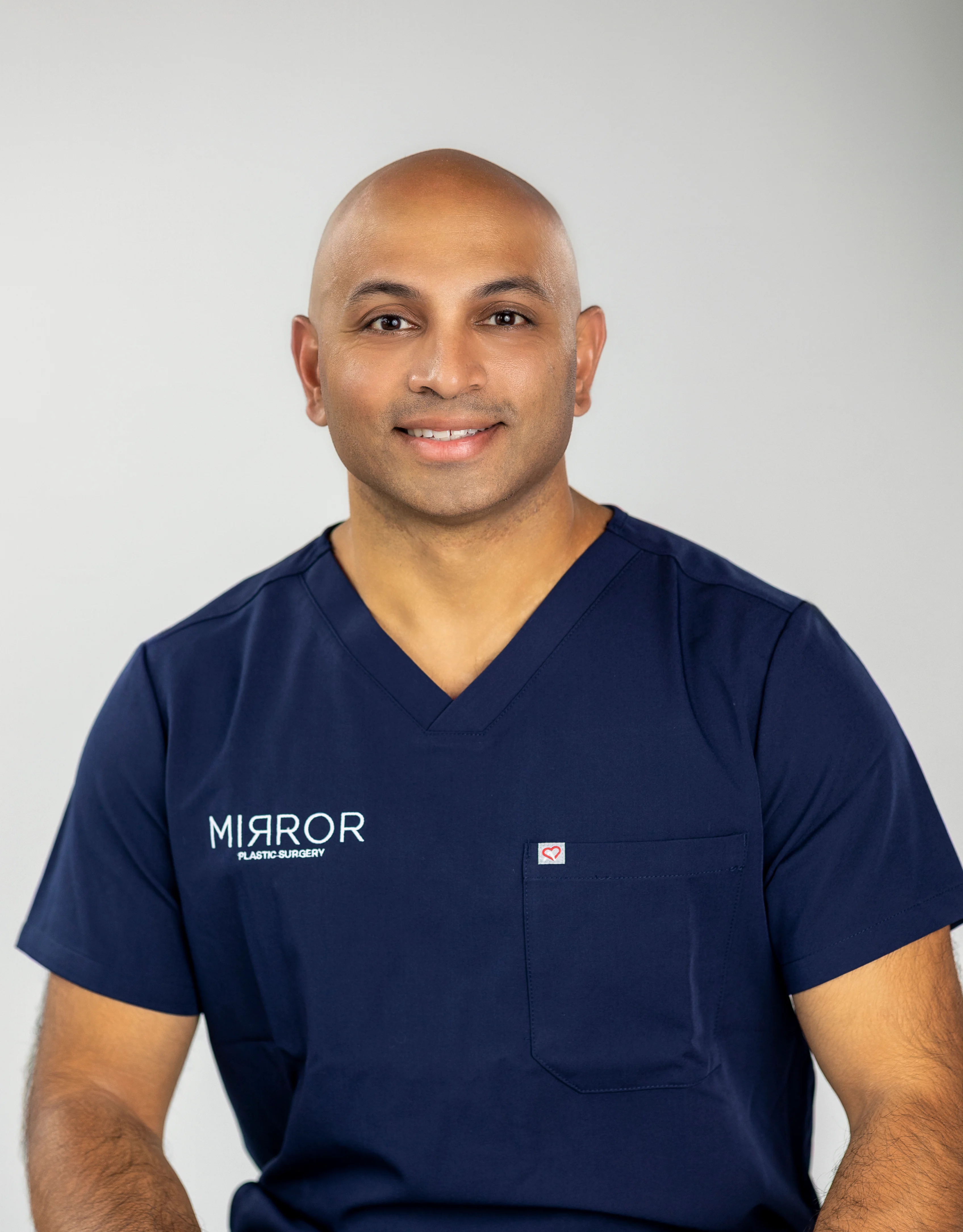
Talk with Dr. Chandawarkar to experience surgeon-level anatomical expertise in your injectable care.
What Happens When You Stop Getting Fillers?
Stopping fillers does not make the face age faster or look worse than before treatment. Stopping is considered safe, and the face returns to its natural state as product dissolves or is absorbed, while aging continues at its usual pace.
HA fillers gradually break down in the body, although MRI research shows they last longer than many people believe. A 2024 study of 90 patients seeking filler dissolution reported a mean duration of filler in place of 30 months, with an upper range of 156 months. Biostimulatory fillers stimulate collagen that slowly diminishes after the product itself is absorbed.
The skin does not “ruin” or collapse when fillers are discontinued. Many specialists stress that filler has a ceiling of benefit and that overfilling can create heavy, distorted, or sagging features. “Filler fatigue” reflects the cumulative effect of frequent, high-volume treatments rather than the act of stopping.
The 2026 shift in aesthetic medicine favors less product, better placement, and a natural “looking like yourself” result instead of aggressive volume. Current trends reward judgment and restraint.
How To Prevent and Manage Complications
Risk reduction starts before the first injection. Use this checklist if you are considering long-term filler use:
- Choose a board-certified plastic surgeon with extensive injection experience and strong knowledge of facial anatomy.
- Ask about the specific filler brand and type and why it suits your anatomy and goals.
- Share your full medical history, including all prior filler use, autoimmune conditions, and recent illnesses or vaccinations.
- Begin conservatively. You can always add more product later, while excess is difficult to correct.
- Learn warning signs of complications such as persistent swelling, pain, discoloration, blanching, or nodules that appear weeks or months after treatment.
- Seek urgent care if you notice vision changes, severe headache, or white or blue discoloration near the injection site.
Even with careful prevention, complications can still occur. When they do, several management options are available. Hyaluronidase is used off-label to dissolve cosmetic fillers, since the FDA has not approved it specifically for that purpose, and it temporarily breaks down some of the body’s natural hyaluronic acid, which typically restores within 15–20 hours. For biostimulatory fillers, treatment may include intralesional corticosteroids and, in resistant cases, 5-fluorouracil or surgical excision.
Questions To Ask Your Injector Before Treatment
Provider choice is the single most important factor in long-term filler outcomes. Before you proceed, ask:
- What type of filler will you use, and why is it appropriate for my anatomy?
- What long-term risks are specific to this filler?
- How will you manage a complication if it occurs?
- What is your experience with this product, and how many injections have you performed?
- Will you personally perform the injection, or will another provider treat me?
- How do you approach conservative dosing and avoid overfilled results?
At Mirror Plastic Surgery, Dr. Akash Chandawarkar addresses each of these questions during a comprehensive consultation that can last up to an hour. Well-informed patients make better decisions and enjoy better long-term outcomes.
The Future of Fillers: Biostimulatory Options and a Shift Toward Restraint
Aesthetic medicine in 2026 is moving away from maximalism and toward subtle, strategic use of fillers. Providers now focus more on skin quality and collagen support while using smaller filler volumes in carefully chosen areas. Recent trends emphasize improvements in skin texture, hydration, and firmness, with just enough filler to maintain facial harmony.
Biostimulatory fillers such as Radiesse fit well within this approach. They stimulate the body’s own collagen and typically last 12–18 months. Because CaHA fillers cannot be dissolved with hyaluronidase, prevention and precise technique are even more critical than with HA products. As an advisory board member for Merz Aesthetics (Radiesse), Dr. Akash keeps Mirror Plastic Surgery aligned with the latest evidence and technique refinements for these treatments.
This evolving philosophy favors thoughtful, anatomy-guided use of fillers and a strong focus on long-term well-being.
Request an appointment to explore whether HA fillers, biostimulatory options, or a tailored combination best fits your anatomy and goals.
Frequently Asked Questions
Do Dermal Fillers Ruin Your Face Over Time?
Current evidence does not show that fillers automatically ruin the face. Most long-term complications in the literature relate to technique and are preventable with an experienced, anatomy-trained provider. Excessive use over many years can create facial overfilled syndrome, which is a distorted look caused by accumulated product. Conservative dosing, careful product selection, and a provider who values your long-term appearance over short-term volume provide strong protection.
Can Fillers Cause Permanent Damage?
Permanent damage is possible but rare. Vascular complications, where filler blocks an artery, can cause tissue loss or, in severe cases, permanent vision loss. These events occur most often in high-risk areas such as the glabella, nasal dorsum, and forehead. Permanent fillers carry a higher risk of chronic granulomatous inflammation than temporary or absorbable fillers, and this inflammation can appear years later and is difficult to resolve because permanent materials lack effective solvents. Filler type and injector expertise therefore function as core safety decisions.
How Long Do Fillers Actually Last?
Fillers often last longer than the commonly quoted 6–18 months. MRI studies have detected filler up to 15 years after injection, with volume averaging 2.8 times the amount originally injected because hydrophilic HA attracts and holds water. This expansion occurs early, within days to weeks, and then remains relatively stable. If you have received yearly filler treatments assuming prior product was gone, that assumption may not hold. Conservative dosing and precise placement are crucial.
Is It Safe To Dissolve Fillers Years Later?
Yes. Hyaluronidase can dissolve HA fillers even many years after injection, although longstanding areas sometimes need multiple sessions because fibrotic tissue can partially encapsulate the filler. Hyaluronidase is used off-label to dissolve cosmetic fillers, since the FDA has not approved it specifically for that indication, and it temporarily breaks down some natural hyaluronic acid, which the body typically restores within 15–20 hours. Biostimulatory and permanent fillers do not respond to hyaluronidase and require other strategies.
Why Are People Moving Away From Fillers?
Many patients now recognize that overfilled results look unnatural and that complications often trace back to inexperienced injectors. Reversal requests have increased nationwide as people seek a more natural version of themselves. The 2026 aesthetic trend favors judgment and restraint. Fillers still work very well when used conservatively, in the right locations, by a provider with deep anatomical expertise.
The Bottom Line: Safety First, Always
Long-term effects of dermal fillers are real and well documented, yet they are also largely preventable. Evidence from 2024–2026 FDA communications, MRI studies, and systematic reviews consistently shows that provider expertise, conservative dosing, and thoughtful product selection drive safety. The FDA notes that the long-term safety of repeated filler use over many years has not been established in controlled clinical studies, which makes injector judgment and restraint even more important.
The face continues to age while you use fillers. The goal of treatment should be natural, harmonious results that respect your anatomy and keep you looking like yourself.
If you are considering dermal fillers, feel uneasy about past treatments, or want a clear picture of how your filler history affects long-term tissue health, Mirror Plastic Surgery welcomes you at 780 4th Ave S, St. Petersburg, FL 33701. Dr. Akash Chandawarkar provides a thorough, evidence-based evaluation with no pressure and no upselling, along with a personalized plan centered on your safety and goals. Schedule your consultation today.
Disclaimer: Results may vary from person to person. Editorial content, before and after images, and patient testimonials do not constitute a guarantee of specific results.
1 Results may vary from person to person. Editorial content, before and after images, and patient testimonials do not constitute a guarantee of specific results.


