
Written by: Ellie Pranckevicius, FNP-BC, Aesthetic Nurse Practitioner & Aesthetic Injector | Facial Restoration & Regenerative Injectable Specialist, Mirror Plastic Surgery | Last updated: July 26, 2026
Key Medication Rules Before Lip Filler
- Stop non-prescribed aspirin 7–10 days before lip fillers because it irreversibly affects platelet function for their full lifespan.
- Pause NSAIDs, fish oil, vitamin E, and certain herbal supplements 3–7 days before treatment to lower bruising and bleeding risk.1
- Avoid alcohol for 24–48 hours before your appointment, since it acts as a vasodilator and mild antiplatelet agent.
- Never stop prescription anticoagulants without guidance from your physician, and reschedule if you have an active cold sore.
- Book a consultation with Ellie at Mirror Plastic Surgery for a personalized medication review based on your health history.
How Medications and Supplements Increase Bruising Risk
Bruising after lip filler usually has a clear cause. It happens when platelet function is disrupted as the needle or cannula crosses a small blood vessel. Platelets act as first responders in clotting. They gather at the injury site, form a temporary plug, and signal the coagulation cascade to seal the vessel.
When platelet function is impaired, that plug forms more slowly or not completely. Blood then seeps into the surrounding tissue and creates visible bruising. Several common medications and supplements interfere with this process in different ways. Aspirin irreversibly inhibits COX-1 and thromboxane A2 synthesis for the entire lifespan of the platelet, which is approximately 7–10 days. NSAIDs create a reversible version of this inhibition. Omega-3 fatty acids, vitamin E, and several herbal supplements alter platelet membrane signaling through separate pathways. Alcohol increases the risk of bleeding and prolonged swelling.
Because the blood-thinning effects of these substances may remain in the system for up to ten days, stopping them only one or two days before treatment does not meaningfully reduce bruising risk.1 The pause window you follow directly affects how your lips look and feel after treatment.1
Book a consultation with Ellie to review your medications and supplements well before your appointment date.
Specific Over-the-Counter Medications and Supplements to Pause
Several everyday products play a major role in post-filler bruising. The list below explains when to stop each one and why that timing matters.
- Aspirin (non-prescribed) — Stop 7–10 days before: Due to the irreversible mechanism described above, your body must produce new platelets before normal function returns. That process takes the full 7–10 day window.
- NSAIDs (ibuprofen/Advil/Motrin, naproxen/Aleve) — Stop 3–7 days before: Unlike aspirin’s permanent effect, these drugs reversibly inhibit COX-1, but most providers still recommend a 7-day buffer to account for individual clearance differences. NSAIDs can increase the risk of bruising after cosmetic injections.1
- Fish oil / omega-3 fatty acids — Stop 7 days before: Fish oil should be paused for 7 days before dermal filler injections due to antiplatelet effects that can persist for up to 10 days. High doses of fish oil supplements (over 5 g per day) may increase bleeding risk, especially when combined with other blood-thinning medications.1
- Vitamin E — Stop 7 days before: High-dose vitamin E should be avoided for approximately ten days before dermal filler treatment to reduce bruising risk.1 Topical vitamin E in skincare products is usually acceptable.
- Ginkgo biloba, garlic, ginseng, St. John’s wort — Stop 7 days before: These supplements have antiplatelet properties that can significantly increase bruising risk despite their “natural” reputation.1 Their clotting-interference effects may remain in the system for up to ten days.
Acetaminophen (Tylenol) is a safer choice for pain relief during this preparation window and is explained in more detail below.
Book a consultation with Ellie to get a customized supplement review before your lip filler appointment in Tampa or St. Petersburg.
Managing Prescription Blood Thinners Safely
Patients taking prescription anticoagulants such as warfarin (Coumadin), apixaban (Eliquis), rivaroxaban (Xarelto), dabigatran (Pradaxa), or clopidogrel (Plavix) must not stop these medications on their own for a cosmetic procedure. Unilateral discontinuation introduces significant risk of thromboembolic events including stroke, DVT, pulmonary embolism, or myocardial infarction. Research shows that continuing prescribed anticoagulants through minor skin procedures usually does not meaningfully raise severe bleeding risk, while stopping them can create serious clotting risk.
The safest approach is a direct conversation with your prescribing physician or cardiologist before your filler appointment. You can use this script to start that discussion:
“I have a scheduled cosmetic lip filler appointment. I am currently taking [medication name and dose] for [condition]. My injector has asked me to discuss whether any temporary adjustment is appropriate, or whether we should proceed with my current regimen and adapt the injection technique accordingly. Can you advise?”
For patients on warfarin, coordination with your prescribing physician helps balance bruising risk and clot prevention. When anticoagulation continues, technique changes such as blunt-tip cannulas and immediate post-injection pressure can lower bruising without changing your medication.
Using Tylenol for Pain Before Lip Fillers
Acetaminophen (Tylenol) is the preferred pain reliever in the days leading up to a lip filler appointment. Acetaminophen does not alter coagulation and is a suitable alternative for pain management before filler procedures. Unlike aspirin and NSAIDs, acetaminophen weakly inhibits COX-1 and alters platelet aggregation in a dose-dependent manner, so it does not substantially increase bruising risk at injection sites. Follow standard over-the-counter dosing and do not exceed the labeled daily maximum.
What to Do If You Took Ibuprofen the Day Before
A single dose of ibuprofen the day before your appointment can increase bruising risk, yet it does not always require cancellation. Because of ibuprofen’s reversible inhibition mechanism, platelet function begins recovering relatively quickly compared to aspirin. The key step is honest communication.
Tell your injector exactly when and how much you took as soon as you arrive. Your provider can then decide whether to proceed, delay by 24–48 hours, or adjust technique to reduce bruising. Concealing this information removes their ability to protect your outcome.
Alcohol Timing and Your Lip Filler Results
Avoid alcohol for 24–48 hours before a lip filler appointment. Alcohol should be avoided during this window because of the bleeding and swelling risks noted earlier. Its mild antiplatelet effects can compound bruising when combined with injections.
The 48-hour mark represents a conservative standard for patients who want to protect their results and recovery.
Cold-Sore Management Before Lip Fillers
Patients with a history of oral herpes simplex virus (HSV-1) need a clear plan before any lip filler appointment. Patients with HSV-1 history should avoid lip fillers during an active cold sore outbreak and must disclose their history so the provider can consider antiviral prophylaxis with acyclovir or valacyclovir. Needle trauma to the lips can reactivate HSV even when no sore is visible, so prophylactic antiviral medication started 24–48 hours before treatment is a common precaution.
Rescheduling rules are strict for your safety. Prodromal symptoms such as tingling, burning, or itching at the lip border require immediate rescheduling to avoid triggering or spreading infection. An active outbreak is an absolute reason to postpone. Waiting protects both you and your results.
Day-of Lip Filler Readiness Checklist
Use this checklist on the morning of your appointment to confirm that your preparation is complete and consistent.
- All non-prescribed aspirin and NSAIDs avoided for the past 7–10 days, or cleared with your physician if prescribed.
- Fish oil, omega-3, vitamin E, ginkgo biloba, garlic, ginseng, and St. John’s wort paused for at least 7 days.
- No alcohol consumed in the past 24–48 hours.
- No active cold sore and no tingling, burning, or itching at the lip border.
- No dental cleanings, fillings, or extractions in the past two weeks.
- Prescription anticoagulant plan discussed with your physician and documented.
- Hydration, rest, and a light meal completed before arriving at the office.
- Full medication and supplement list ready to share with your injector.
If any item on this list was missed, tell your injector before treatment begins. Your provider can then adjust technique, reschedule if needed, or set realistic expectations for bruising. Clear communication keeps your treatment safe.
How Mirror Plastic Surgery’s Concierge Care Supports Safer Fillers
Thorough preparation and a careful provider prevent most lip filler complications. Mirror Plastic Surgery’s concierge model is built around this philosophy. Every new patient receives a detailed assessment that often lasts up to an hour and covers medical history, medications, supplements, cardiovascular status, and anatomy before any treatment is planned.
Non-surgical injectable treatments at Mirror Plastic Surgery are led by Ellie Pranckevicius, FNP-BC, a board-certified Family Nurse Practitioner and Aesthetic Nurse Practitioner. Ellie holds a Bachelor’s in Health Science from Boston University, a Bachelor’s and Master’s in Nursing from the University of South Florida, and completed a 600-hour aesthetics licensure program. Her four years in the Neuroscience ICU at Tampa General Hospital give her a deep understanding of pharmacology, coagulation, and patient physiology that shapes her pre-procedure planning.
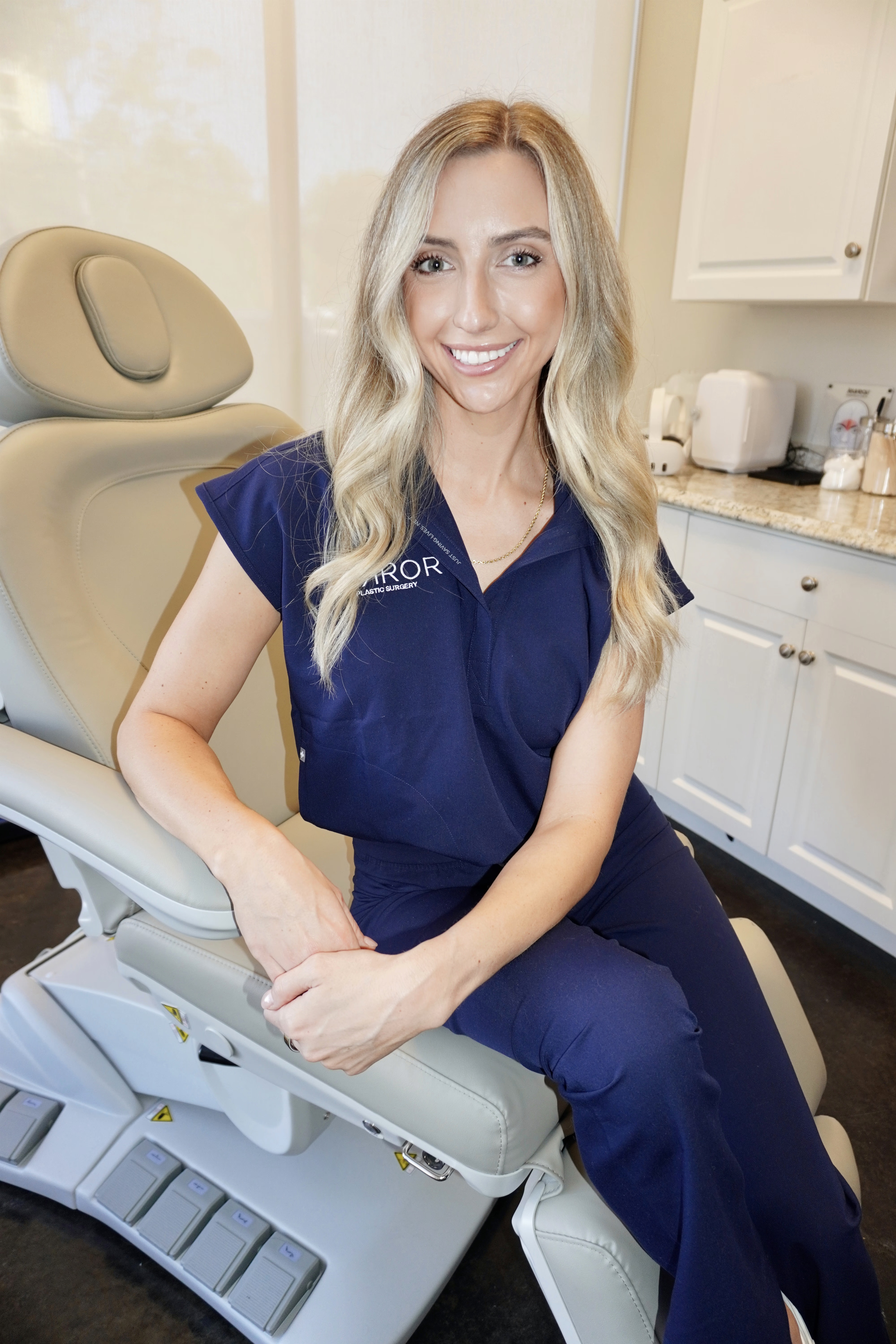
Ellie works closely with the practice’s founder, Dr. Akash Chandawarkar, a Harvard-educated physician and Johns Hopkins-trained plastic surgeon with fellowship training in aesthetic surgery at Manhattan Eye Ear & Throat Hospital. This combined expertise supports the safety standards used for every non-surgical treatment.
Mirror Plastic Surgery limits the schedule to one to two procedures per day by design. This low-volume approach ensures that each patient receives focused attention before, during, and after their appointment.
Book a consultation with Ellie at the St. Petersburg office to receive a personalized pre-procedure assessment and preparation plan.
Evidence-Based Preparation for Better Lip Filler Results
Safe lip filler outcomes start long before the syringe appears. Evidence from peer-reviewed dermatology literature, clinical guidelines, and large-scale patient data all point in the same direction. Pausing the right substances at the right time, coordinating prescription anticoagulant use with your physician, and arriving well-prepared are the most effective ways to reduce bruising and protect your results.1
Patients who follow these evidence-based steps experience fewer complications and more predictable outcomes.1 For Tampa and St. Petersburg patients who want a provider that treats preparation as seriously as the procedure itself, Mirror Plastic Surgery offers the clinical depth, clear communication, and personalized attention that this level of care requires.
Book a consultation with Ellie and start your preparation with a provider who prioritizes your safety.
Frequently Asked Questions
How far in advance should I stop taking fish oil before lip fillers?
Fish oil and other omega-3 supplements should be paused at least 7 days before your lip filler appointment, as discussed in the preparation section above. If you take fish oil for a specific health reason, talk with your primary care provider before stopping. At Mirror Plastic Surgery, Ellie reviews your full supplement list during the pre-procedure consultation to confirm that your pause timeline fits your regimen.
I take a prescription blood thinner for a heart condition. Can I still get lip fillers?
Many patients on blood thinners can safely receive lip fillers, but the process must involve your injector and your prescribing physician or cardiologist. You should never stop, reduce, or change a prescription anticoagulant such as warfarin, Eliquis, Xarelto, or Plavix on your own for a cosmetic procedure. The thrombotic risks of unilateral discontinuation, including stroke, DVT, and pulmonary embolism, are serious and well documented.
When anticoagulation continues, experienced injectors can adapt their technique with blunt-tip cannulas, ultra-fine needles, and immediate post-injection pressure to limit bruising. Ellie at Mirror Plastic Surgery coordinates this plan with you and your physician and documents the decision as part of your informed consent.
Is it safe to get lip fillers if I have a history of cold sores?
A history of oral HSV-1 (cold sores) usually does not rule out lip fillers, but it does require disclosure and a clear protocol. Needle trauma to the lips can reactivate HSV even when no sore is visible. For patients with known HSV-1, antiviral prophylaxis such as acyclovir or valacyclovir typically starts 24–48 hours before the procedure to reduce reactivation risk.
An active outbreak or early symptoms like tingling, burning, or itching at the lip border are absolute reasons to reschedule. The appointment should wait until the outbreak has fully resolved. Sharing your HSV history at your Mirror Plastic Surgery consultation allows Ellie to build the right protocol into your plan from the beginning.
What can I take for pain in the days before my lip filler appointment?
Acetaminophen (Tylenol) is the recommended option. Unlike aspirin and NSAIDs, acetaminophen weakly inhibits COX-1 and alters platelet aggregation in a dose-dependent manner, and it does not substantially increase bruising risk at injection sites. Follow standard over-the-counter dosing and avoid exceeding the labeled daily maximum.
During the appointment, Mirror Plastic Surgery uses topical numbing cream before treatment, and modern lip fillers contain lidocaine mixed into the product, which adds numbing as the procedure progresses. For patients with higher sensitivity, options such as dental nerve blocks can be discussed with Ellie during your consultation.
What makes Mirror Plastic Surgery different from other lip filler providers in the Tampa area?
Mirror Plastic Surgery follows a concierge medicine model that limits the practice to one to two procedures per day, so every patient receives focused attention from the clinical team. Each new patient completes a detailed assessment that can last up to an hour and covers medical history, medications, supplements, anatomy, and long-term goals before any treatment is recommended.
Ellie Pranckevicius combines ICU-level clinical training with advanced aesthetic expertise, and she works under the surgical oversight of Dr. Akash Chandawarkar, a Harvard-educated, Johns Hopkins-trained plastic surgeon. The practice is supplier-neutral, so product choices are based on your anatomy and current evidence rather than quotas or commissions. For patients who value safety, honest communication, and natural-looking results over speed and volume, this model offers a meaningful difference in care.
Disclaimer: Results may vary from person to person. Editorial content, before and after images, and patient testimonials do not constitute a guarantee of specific results.
1 Results may vary from person to person. Editorial content, before and after images, and patient testimonials do not constitute a guarantee of specific results.