

Written by: Dr. Akash Chandawarkar, Board Certified Plastic Surgeon, Mirror Plastic Surgery | Last updated: September 9, 2026
Key Takeaways
- Lip filler swelling is a normal part of healing. It usually peaks within the first two days and settles over 1–2 weeks.1
- A clear day-by-day timeline helps you recognize typical swelling, spot real complications, and feel calmer after treatment.
- Cold compresses, head elevation, good hydration, and avoiding heat or intense exercise can noticeably reduce swelling and bruising.
- Severe pain, skin color changes, fever, or vision symptoms are red flags and need urgent medical attention.
- Care from a board-certified plastic surgeon offers advanced anatomical expertise and safety-focused planning. Schedule a personalized consultation at Mirror Plastic Surgery to review your lip filler goals.
Why Lips Swell After Fillers
Two main mechanisms cause lip filler swelling, and both reflect a normal healing response.
First, the needle creates tiny injuries in the tissue. A 2026 narrative review in the Journal of Cosmetic Dermatology explains that injection trauma triggers an inflammatory cascade. Your body sends blood and fluid to the area to start repair, which naturally causes puffiness.
Second, most lip fillers are made from a substance that is hydrophilic, meaning it attracts and binds water. This water-drawing effect amplifies swelling beyond what the needle alone would cause.
The lips also show swelling more dramatically than many other facial areas. They have a dense blood supply and thin, delicate tissue, which makes them highly reactive. Swelling is a normal sign that your body is responding as it should.
Lip Filler Swelling Timeline: Day by Day
Most visible lip filler swelling settles within 7–14 days. The process follows a predictable curve: swelling usually resolves over one to two weeks, peaks in the first 24–48 hours and improves by days 5–7, and reaches a stable result by weeks 2–4 as the filler integrates.1
The table below maps each recovery stage to its timing, so you can see when swelling typically peaks and when the true result appears.
| Stage | Timing | What to Expect | Key Tip |
|---|---|---|---|
| Immediately After | Day 0 | Lips feel tender and may look fuller than the planned result. Mild swelling, tiny needle marks, and slight firmness are common. Small bruises can appear. | This is an early stage of healing, not the final result. Use a cold compress wrapped in cloth for 10 minutes at a time. |
| Peak Swelling | Days 1–2 | Lips can appear 30–50% larger than the final result because of water retention and inflammation.1 Asymmetry is common. Morning puffiness is often stronger after lying flat overnight. | Day 2 is usually the most dramatic day. Early swelling does not reflect your final shape or size. |
| The Turn | Days 3–5 | Swelling often drops sharply, sometimes 20–30% in 24 hours. Bruising may look more visible as it rises to the surface. Lips begin to feel softer. | Swelling that increases after day 3 falls outside the usual pattern and needs evaluation. |
| The Settle | Days 6–7 | Many patients see a 50–70% reduction in swelling.1 Eating, drinking, and talking feel easier. Most people feel comfortable in social settings. | Some firmness is expected and continues to soften over the next several weeks. |
| The Reveal | Week 2 | About 90–95% of the final size is visible.1 Filler starts to blend with surrounding tissue, and the true result becomes clear. | Wait until this stage before judging symmetry or requesting any adjustment. |
| Final Result | Weeks 3–4 | Most swelling has resolved by around two weeks, with a stable result by week 4.1 Any last traces of puffiness fade as the filler fully integrates. | Use this point in time to decide whether a touch-up or refinement would help. |
A Note on Variability: Individual timelines differ based on filler volume, product type, injection technique, and your unique biology. First-time patients often swell more and for longer than returning patients, partly because maintenance visits usually require smaller volumes. Younger patients with faster metabolisms may see swelling fade within about three days, while older patients may notice it for five to seven days.
How to Reduce Lip Filler Swelling: 6 Tips With Clinical Context
Simple aftercare choices can make swelling more manageable. Follow your own provider’s instructions first, since they know your specific situation.
- Apply a Cold Compress. Wrap an ice pack in a clean cloth and apply it for 10–15 minutes at a time during the first 24–48 hours. Cold causes blood vessels to narrow, which limits bleeding into soft tissues and reduces edema. Never place ice directly on the skin, and stop icing after 48 hours.
- Keep Your Head Elevated. Sleep with an extra pillow for the first two or three nights. Elevation helps your body reabsorb fluid and decreases post-injection swelling. Side-sleeping in the first 24 hours is a common cause of uneven day-2 swelling, so sleep on your back when you can.
- Stay Hydrated and Limit Alcohol and Salt. Salt encourages water retention that worsens facial puffiness. Alcohol increases bruising risk by about 60% and worsens swelling by widening blood vessels. Aim for roughly two liters of water per day, unless your doctor advises otherwise.
- Skip Strenuous Exercise and Heat for 48 Hours. Intense activity and heat sources such as saunas cause vasodilation, which can increase bruising and swelling. The American Society of Plastic Surgeons advises avoiding strenuous exercise for 24 hours and excessive heat around filler treatments to lower swelling risk.
- Avoid Touching or Massaging Your Lips. Leave your lips alone unless your provider gives specific massage instructions. Pressure can shift filler before it settles. Trying to “break up” swelling with massage is a frequent mistake during the early phase.
- Ask Your Doctor About Antihistamines. Short-term oral antihistamines may ease more pronounced edema in some patients when they are medically appropriate. Always get approval from your treating provider first, since these medications do not suit every situation.
Medication and Lip Filler Swelling
Antihistamines can help when swelling has a histamine-driven or allergic component. A 2026 peer-reviewed review in the Journal of Cosmetic Dermatology notes that short-term antihistamine use may provide relief for pronounced post-injection edema when not contraindicated. They are not routinely used for typical, expected swelling, so always check with your provider first.
NSAIDs require more caution. Avoid ibuprofen, aspirin, and naproxen after lip filler. These medications interfere with platelet function, increase capillary fragility, and raise the risk of bruising and bleeding at injection sites. Acetaminophen (Tylenol) is usually the preferred option for discomfort, since it does not affect platelets in the same way.
The safest approach is to clear any medication with your treating provider before you take it after filler.
When Lip Filler Swelling Needs Urgent Attention
Mild asymmetry in the first week and very full lips on day 2 both fall within the usual recovery pattern. Certain symptoms, however, signal possible complications and need prompt care.
Contact your provider immediately or seek urgent care if you notice any of the following:
- Severe pain, or pain that worsens instead of improving after 48 hours
- Pale, white, bluish, or mottled skin on or around the lips, which can indicate vascular occlusion and reduced blood flow
- Fever, chills, spreading redness, warmth, or pus, which may point to infection
- Swelling that increases after day 3 instead of gradually improving
- Blistering, skin breakdown, or rock-hard lumps that grow quickly on one side
- Any vision change, including blurry or double vision or sudden vision loss. Treat this as an emergency and call 911
- Difficulty breathing. Call 911 immediately.
Mirror Plastic Surgery patients have 24/7 access to the office for urgent concerns. If you had treatment elsewhere and develop any of these symptoms, contact that provider or seek urgent care right away. For vascular occlusion, treatment works best within the first few hours, so early action matters.
Choosing a board-certified plastic surgeon from the start lowers risk because of their deep understanding of facial and subdermal anatomy. That expertise supports both precise injections and rapid, informed responses if complications arise.
Get expert guidance on your swelling concerns from Ellie at Mirror Plastic Surgery.
Why Board-Certified Plastic Surgeons Offer Added Safety
Most online lip filler content comes from nurse injectors or med spas, yet care from a fellowship-trained, board-certified plastic surgeon offers a different level of clinical depth.
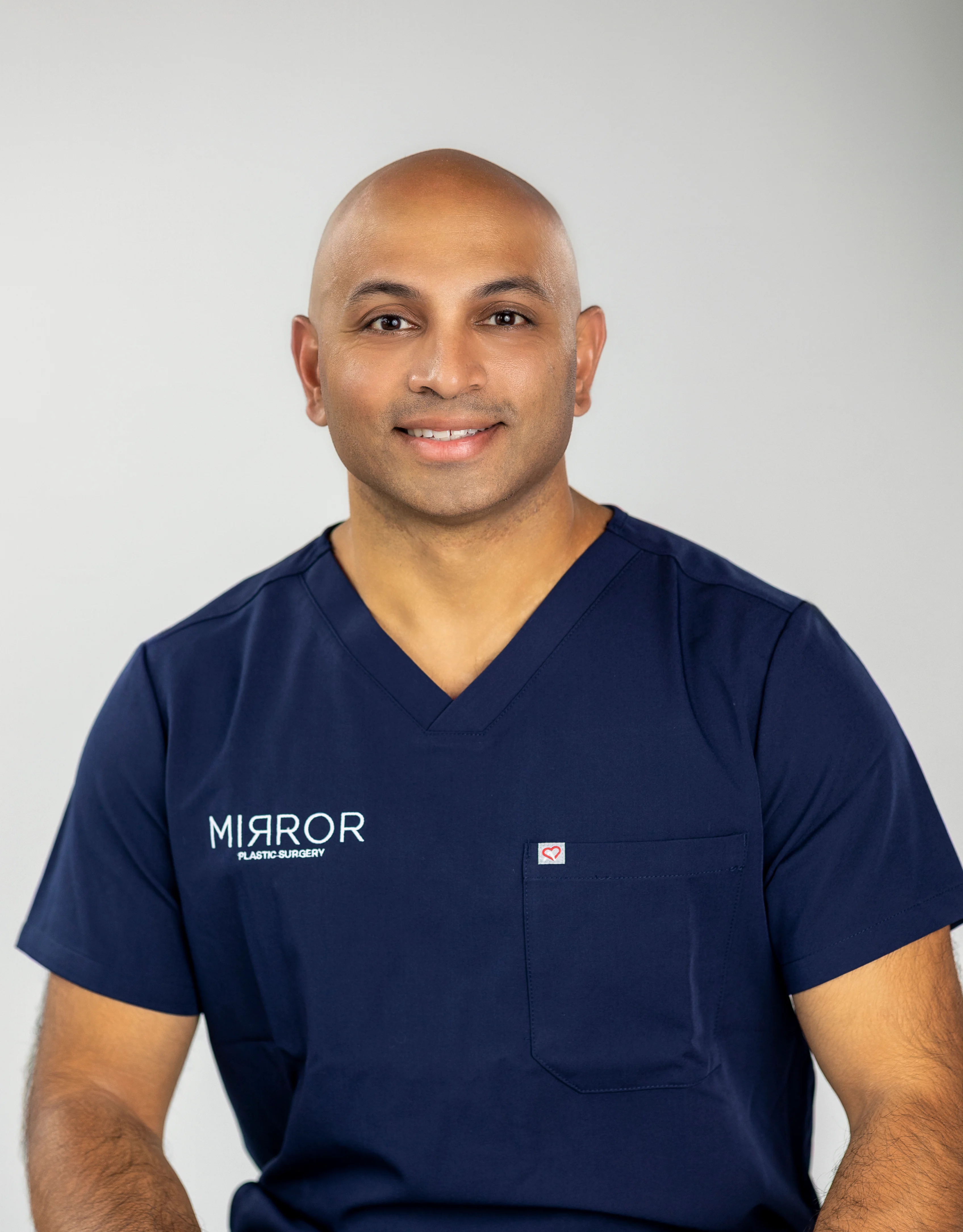
Dr. Akash Chandawarkar brings a surgeon’s command of facial and subdermal anatomy to every injection at Mirror Plastic Surgery. Dr. Akash is board-certified by the American Board of Plastic Surgery and trained at Harvard and Johns Hopkins. He completed a specialized fellowship in aesthetic surgery at Manhattan Eye Ear & Throat Hospital and Lenox Hill Hospital. He personally performs every injectable treatment at the practice, rather than delegating to staff injectors.
Mirror Plastic Surgery follows a concierge medicine model. Each patient receives up to an hour of consultation time, and the practice limits itself to one or two procedures per day. That structure supports a safety-first philosophy and honest recommendations, which sometimes include advising a patient to wait on treatment.
Patients in the St. Petersburg and Tampa Bay area who want expert lip filler care, or help managing swelling after treatment, can access personalized, physician-led care that differs from high-volume clinic experiences.
Frequently Asked Questions About Lip Filler Swelling
How Long Does Lip Filler Swelling Last?
Most visible swelling settles within 7–14 days. As described in the earlier timeline, the first two days bring the most dramatic fullness, with clear improvement by days 5–7. The final result, once the filler has blended into surrounding tissue, usually appears between weeks 2 and 4. Factors such as filler volume, product choice, technique, age, and metabolism all influence your exact pace of recovery.
What Is the Worst Day After Lip Fillers?
Day 2 is usually the most intense day for swelling. Lips may look 30–50% larger than the final result because of water retention and the inflammatory response. Morning puffiness can feel especially strong after sleeping flat. This phase passes quickly, so avoid judging your outcome based on how your lips look during this short window.
Why Is My Top Lip More Swollen Than My Bottom Lip?
Asymmetric swelling is common during the first three to five days. Each side of the lip, and the upper versus lower lip, can respond differently to injection trauma. The upper lip often reacts more because of its anatomy. This usually evens out within the first week as swelling fades. If a clear imbalance remains after day 7, contact your provider for a check-in.
Can I Sleep on My Side After Lip Fillers?
Try to sleep on your back with your head elevated on two pillows for the first two or three nights. Side-sleeping encourages fluid to pool on one side of the face, which often leads to uneven swelling the next morning. Sleeping completely flat in any position also allows more fluid to collect in the lips, which makes early puffiness more noticeable.
When Will My Lips Look Natural After Swelling Goes Down?
The very full look in the first couple of days reflects early swelling rather than your final result. By about two weeks, most patients see a shape and size that closely match what was placed. Full integration, where the filler has settled into the tissue and the last traces of swelling have resolved, usually occurs by weeks 3–4. That is the right time to evaluate your result and talk about any refinements.
The Bottom Line: Trust Your Recovery Timeline
Lip filler swelling follows a predictable pattern, with a brief early peak and steady improvement over the next one to two weeks. Knowing this timeline is one of the most effective ways to stay calm and confident during recovery.
Follow your provider’s aftercare instructions and keep the red flags in mind. Reach out with questions at any point. Mirror Plastic Surgery patients have 24/7 access to the practice for exactly this kind of support.
Book Your Lip Filler Consultation in St. Petersburg, FL
If you are considering lip fillers or feel unsure about swelling after a recent treatment, Mirror Plastic Surgery offers expert, personalized care from a board-certified plastic surgeon who performs every injection himself. Call or text 727-361-6515, email hello@mirrorplasticsurgery.com, or visit our website to learn more.
Schedule your personalized consultation today.
Disclaimer: Results may vary from person to person. Editorial content, before and after images, and patient testimonials do not constitute a guarantee of specific results.
1 Results may vary from person to person. Editorial content, before and after images, and patient testimonials do not constitute a guarantee of specific results.


