
Written by: Dr. Akash Chandawarkar, Board Certified Plastic Surgeon, Mirror Plastic Surgery | Last updated: September 9, 2026
Key Takeaways For St. Petersburg Patients
Before you compare clinics or prices, keep these core points in mind:
- Laser wavelength selection is the single most important safety factor. Alexandrite (755 nm), Diode (810 nm), and Nd:YAG (1064 nm) each serve different Fitzpatrick skin types.
- Because wavelength choice is so critical, Florida law restricts laser hair removal to physicians, physician assistants, advanced practice registered nurses, or licensed electrologists with specific qualifications. Estheticians and cosmetologists cannot legally perform it.
- Package deals usually cost less per session than pay-as-you-go pricing, and most patients complete a full course of sessions for lasting reduction.1
- Operator experience and medical oversight matter more than device brand. The AAD reports that inexperienced hands cause burns, scarring, and permanent pigment changes.
- Not sure where to start? Schedule a consultation with Ellie at Mirror Plastic Surgery to discuss your aesthetic goals with a Harvard-educated, Johns Hopkins-trained board-certified plastic surgeon who prioritizes safety above all else.
The Science Of Laser Hair Removal: How Wavelength Drives Safety And Results
Laser hair removal operates on selective photothermolysis, a principle defined by Anderson and Parrish in 1983. In this process, a specific wavelength of light is absorbed by melanin in the hair follicle, converts to heat, and destroys the follicle. Epidermal melanin in the skin competes with follicular melanin for that energy. The wavelength a clinic uses determines how safely and effectively it manages this competition.
Alexandrite (755 Nm): Precision For Light To Olive Skin
The Alexandrite laser operates at 755 nm with very high melanin absorption, making it highly effective for fine hair and light skin tones (Fitzpatrick types I–III). Candela Medical’s clinical comparison shows faster visible reduction and fewer sessions for very fair skin (types I–II), with strong results for type III at carefully chosen settings.1
The risk profile is meaningful for darker or recently tanned skin. High melanin absorption means the epidermis absorbs energy readily, which raises burn and hyperpigmentation risk on Fitzpatrick type IV and above, or on tanned skin.
Nd:YAG (1064 Nm): Established Standard For Darker Skin
The Nd:YAG laser penetrates deeper into the dermis with less interaction with surface melanin, making it the preferred and FDA-cleared option for Fitzpatrick types IV–VI. A peer-reviewed randomized trial with 18 months of follow-up found comparable long-term hair reduction between Alexandrite and Nd:YAG when each matched the appropriate skin type.1 St. Petersburg’s diverse population means any clinic serving the full local market needs Nd:YAG capability.
Diode (810 Nm): Versatile Workhorse For Common Areas
Diode lasers penetrate deeper than Alexandrite with lower epidermal melanin absorption. With appropriate settings, they suit Fitzpatrick types I–V and pair well with coarse, deeply rooted hair on underarms, bikini area, male chest, and back.
Combination Platforms: Why Many Clinics Choose Candela GentleMax Pro
The Candela GentleMax Pro and Pro Plus combine both Alexandrite (755 nm) and Nd:YAG (1064 nm) wavelengths in a single device. This setup lets providers match wavelength to each patient’s skin type. As Candela Medical explains, Alexandrite and Nd:YAG work together: Alexandrite delivers precision and speed for lighter skin types, while Nd:YAG provides depth and versatility for darker skin types.
Choosing The Most Effective Laser For Your Skin And Hair
The most effective laser depends on skin tone and hair color.1 Alexandrite lasers (755 nm) work best for light to olive skin (Fitzpatrick I–III). Nd:YAG (1064 nm) is safer for darker skin (types IV–VI). Diode lasers (810 nm) are versatile across types I–V. The Candela GentleMax Pro combines Alexandrite and Nd:YAG for customized treatment across all skin types.
Florida’s Regulatory Rules: Who Can Legally Perform Laser Hair Removal?
Once you understand the technology, the next step is confirming who is legally allowed to operate it. Florida Statutes section 458.348 and Board of Medicine rules state that laser hair removal may only be performed by a licensed physician (MD or DO), or under the direct supervision and responsibility of a physician by a physician assistant, advanced practice registered nurse, or licensed electrologist with the state’s laser and light-based hair removal qualification.
Estheticians and cosmetologists cannot legally perform laser hair removal in Florida. Limited exceptions apply only in offices where laser hair removal is the exclusive service provided by an APRN or PA.
When you evaluate a St. Petersburg clinic, verify the operator’s license through the Florida Department of Health license portal. Ask directly: what is your license type, and who provides medical oversight?
Watch for these red flags:
- A provider who cannot or will not show credentials
- Devices that are not FDA-cleared (check the FDA 510(k) database)
- High-pressure sales tactics or mandatory large upfront payments
- Guarantees of “permanent removal” after one or two sessions
St. Petersburg Market Analysis: What Local Pricing Actually Looks Like
Before comparing quotes, understand how Florida pricing typically works. In Florida, package deals typically offer 30–50% savings compared to per-session pricing, with total cost varying by treatment area and number of sessions.
2026 Per-Session Price Benchmarks For The St. Petersburg Area
| Treatment Area | Florida Range (Per Session) | Typical Session Duration |
|---|---|---|
| Underarms | $100–$250 | 10–15 minutes |
| Bikini Line | $150–$300 | 15–30 minutes |
| Full Legs | $300–$700 | 35–60 minutes |
| Full Back Or Chest | $300–$700 | 30–45 minutes |
Package Pricing And Typical Extra Costs
Most reputable clinics offer 6-session packages at 30–40% discounts and 8-session packages at 40–50% discounts versus per-session rates. Many now quote primarily in packages rather than single sessions.
Plan for these additional costs:
- Consultation fees, often credited toward treatment
- Numbing cream, usually $0–$40 per session
- Touch-up sessions, often $50–$150 each
- Missed appointment fees, typically $25–$100
Why “Cheapest” Often Becomes The Most Expensive Choice
A provider charging $50 per session who only delivers 50% reduction may cost far more long-term than a provider charging $99 per session who achieves 85% reduction in the same timeframe. The lower price per session becomes misleading when the results are weaker. The American Society of Plastic Surgeons reports the average laser hair removal session costs $697 nationally, reflecting a wide range from medical spas to physician offices. In St. Petersburg, expect pricing within Florida’s ranges, with final quotes shaped by treatment area, technology, and provider credentials.
Candidacy Assessment: Who Typically Gets Good Results
Not everyone benefits equally from laser hair removal, so candidacy plays a major role in satisfaction and safety.
The Ideal Candidate Profile
Laser hair removal works best for patients with light-colored skin and dark-colored hair, which creates strong contrast for selective photothermolysis.1 Ideal candidates have dark terminal hair on lighter skin (Fitzpatrick types I–III). This contrast helps the laser target follicles while sparing the surrounding skin.
Who Is Not A Good Candidate For Laser Hair Removal?
Laser hair removal is not recommended for individuals who are pregnant, have active skin infections or open wounds, have a history of keloid scarring, have used Accutane within the past six months, or have recently tanned skin. Blonde, red, grey, or white hair lacks sufficient melanin for effective treatment, and electrolysis remains the only FDA-recognized method for permanent hair removal on these hair colors.
Skin Of Color Considerations
Fitzpatrick types IV–VI can receive laser hair removal safely when the correct wavelength and settings are used. The 1064 nm Nd:YAG laser is the established standard for darker skin because it penetrates deeper with lower epidermal melanin absorption. Clinics that rely on Alexandrite-only platforms for Fitzpatrick V–VI skin expose patients to higher risks of burns, blistering, and permanent pigmentation changes.
Medical History Factors That Affect Results
Several medical history details influence candidacy and how long results last:
- Active hormonal conditions like PCOS can reduce treatment durability and require maintenance sessions.
- Photosensitizing medications, including certain antibiotics, oral retinoids, and some antidepressants, often require wash-out periods before treatment.
- Recent sun exposure or self-tanner use elevates epidermal melanin and increases burn risk, so reputable clinics require 4–6 weeks of sun avoidance.
Risk Analysis: Side Effects, Complications, And How To Reduce Them
Common Downsides Of Laser Hair Removal
The most common side effects of laser hair removal are minor and last 1–3 days. These include redness, swelling, and discomfort similar to a mild sunburn. Rare side effects include blistering, infections, scarring, and skin lightening or darkening, and some pigment changes may be permanent. When an inexperienced provider performs treatment, the risks of burns and pigment changes rise significantly.
Complication Rates By The Numbers
A 2024 study of 16,900 laser hair removal patients found a complication rate of only 0.69%, with most issues being temporary pigment changes and mild burns. Post-inflammatory hyperpigmentation occurs in approximately 2–4% of melanin-rich skin (Fitzpatrick IV–VI) when treated conservatively, and paradoxical hypertrichosis occurs in approximately 1–3% of female patients, more commonly in Mediterranean and South Asian women on the face and neck.
How Provider Experience Lowers Risk
The AAD warns that laser hair removal “can be dangerous in inexperienced hands” and recommends board-certified dermatologists or physician-supervised providers. Operator errors such as skipping test patches, misreading skin response, or overlapping pulses excessively are leading causes of burns. A 4.9-star Google rating matters less than verifiable credentials, documented training on the specific laser system, and a consultation that includes Fitzpatrick assessment and patch testing.
Clinic Evaluation Framework: Questions Every St. Petersburg Consumer Should Ask
To translate these risk factors into a practical screening process, use the following questions when you speak with potential providers.
Before booking, ask every prospective clinic:
- What specific laser device and wavelength do you use? (Ask for the brand and model, such as Candela GentleMax Pro, not just “laser.”)
- Who will perform my treatment, and what are their credentials? (Verify Florida licensure through the Department of Health portal.)
- Is a physician on-site or immediately available for oversight?
- How many patients with my Fitzpatrick skin type have you treated?
- Will you perform a test patch and schedule a follow-up visit before my first full session?
During the consultation itself, go deeper:
- What is your protocol for different skin tones? (A clinic that uses one laser for everyone signals a problem.)
- Building on that, what are realistic results for me, and how many sessions will I likely need?
- What is your complication protocol if pigmentation changes develop?
- Can you provide a transparent, itemized quote?
End the conversation if you notice these red flags:
- Inability or refusal to name the specific laser device
- Claims of “permanent removal” instead of permanent reduction
- Pressure to purchase a full package before a patch test
- Pricing that sits dramatically below local market ranges
- Staff who cannot explain how the laser works for your skin type
If you feel unsure where to begin, request a consultation with Ellie at Mirror Plastic Surgery. Dr. Chandawarkar can review your overall aesthetic goals and connect you with trusted colleagues for laser hair removal when appropriate.
Why Trust This Report? Methodology And Expert Review
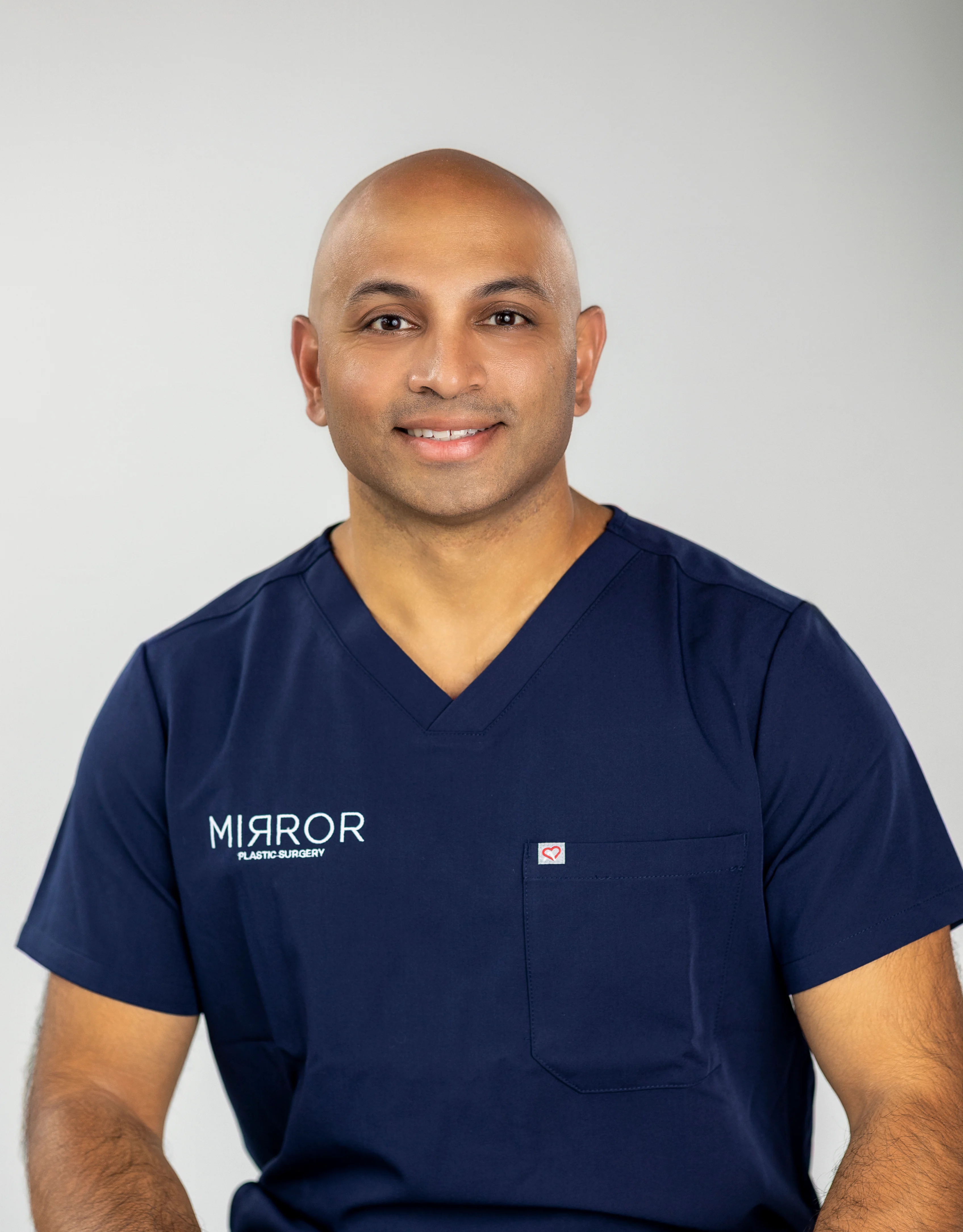
This research report was curated by Mirror Plastic Surgery and reviewed by Dr. Akash Chandawarkar, MD, a Harvard-educated, Johns Hopkins-trained, board-certified plastic surgeon with specialized fellowship training in aesthetic surgery at the Manhattan Eye Ear & Throat Hospital (MEETH)/Lenox Hill Hospital. Dr. Chandawarkar’s practice philosophy of safety first, function second, and aesthetics third guides every recommendation in this guide.
Findings synthesize peer-reviewed dermatology literature, including studies in Dermatologic Surgery and the Journal of the American Academy of Dermatology, FDA device classifications, Florida Board of Medicine statutes, Candela Medical’s clinical documentation, and 2026 pricing surveys from MedSpa Scout, Zoca Beauty, and the American Society of Plastic Surgeons.
Mirror Plastic Surgery does not offer laser hair removal. This report exists because Dr. Chandawarkar believes consumers deserve unbiased, evidence-based guidance, even when it does not directly benefit his practice.
Frequently Asked Questions
Is Laser Hair Removal Permanent?
The FDA classifies laser hair removal as “permanent hair reduction,” not permanent removal. Most patients achieve a 10–25% reduction after the first treatment and typically need a full course of sessions for optimal results.1 Realistic outcomes are 80–90% permanent reduction after a complete series, with remaining hair growing back finer and lighter.1 Many clients schedule maintenance sessions every 6–12 months to address new growth driven by hormonal changes.
Does Laser Hair Removal Work On All Skin Tones?
Laser hair removal can work on all skin tones when the correct wavelength and settings are used. Alexandrite (755 nm) suits Fitzpatrick types I–III. Nd:YAG (1064 nm) is FDA-cleared and safe for types IV–VI. Diode (810 nm) covers types I–V. Combination platforms like the Candela GentleMax Pro allow providers to treat every skin type by matching wavelength to the patient. The major error that causes many burns and hyperpigmentation cases is applying a single laser to all skin tones regardless of Fitzpatrick classification.
How Many Sessions Will I Need?
Most patients need a series of sessions spaced 4–6 weeks apart. Only hairs in the active growth (anagen) phase respond to laser energy, and only 20–30% of follicles are in this phase at any given time, which is why multiple sessions are required.1 Facial hair and hormonally influenced areas such as the chin, upper lip, and bikini line often require extra sessions or periodic maintenance, especially for patients with active hormonal conditions like PCOS.
What Are The Downsides Of Laser Hair Removal?
The most common side effects are minor, including redness, swelling, and a sunburn-like sensation that lasts 1–3 days. Rare but serious complications include blistering, scarring, and permanent pigment changes, and these risks increase when the wrong wavelength is used for a patient’s skin type or when the operator lacks experience. Paradoxical hypertrichosis, or unexpected hair increase, occurs in approximately 1–3% of female patients, more commonly on the face and neck. Blonde, red, grey, and white hair cannot be effectively treated by any laser because these hair types lack sufficient melanin.
How Do I Find The Best Laser Hair Removal Provider In St. Petersburg?
Use the evaluation framework in this report as your checklist. Verify Florida licensure through the Department of Health portal. Ask for the specific laser device name and model. Confirm the operator’s experience with your Fitzpatrick skin type. Require a patch test before committing to a full course. Compare itemized quotes. The best clinic combines appropriate technology, an experienced medically supervised operator, and the transparency to answer every question in this guide without hesitation.
Conclusion: Making An Informed Choice In St. Petersburg
Laser hair removal outcomes depend less on marketing claims and more on two factors: matching the correct laser wavelength to your skin type and choosing an experienced, medically supervised operator. Florida’s regulatory framework offers real consumer protection when you verify credentials. St. Petersburg pricing aligns with state averages, and long-term value comes from safe, effective results rather than the lowest upfront quote.
Your action plan:
- Identify your Fitzpatrick skin type.
- Shortlist clinics that use combination platforms (Alexandrite plus Nd:YAG) or the appropriate single wavelength for your skin.
- Verify operator licensure through the Florida Department of Health.
- Schedule consultations and ask the questions in this report’s evaluation framework.
- Require a test patch before committing to a full package.
If you are considering any aesthetic treatment, surgical or non-surgical, and want guidance from a provider who prioritizes safety and honest communication, schedule a private consultation with Ellie at Mirror Plastic Surgery. Even though laser hair removal is not a service Mirror Plastic Surgery performs, Dr. Chandawarkar can assess your overall aesthetic goals and refer you to trusted colleagues when appropriate.
Disclaimer: Results may vary from person to person. Editorial content, before and after images, and patient testimonials do not constitute a guarantee of specific results.
1 Results may vary from person to person. Editorial content, before and after images, and patient testimonials do not constitute a guarantee of specific results.