
Written by: Dr. Akash Chandawarkar, Board Certified Plastic Surgeon, Mirror Plastic Surgery | Last updated: September 9, 2026
Key Takeaways
- Temple filler is a high-risk procedure because of the dense vascular network in the area, so it requires injectors with advanced anatomical training and clear emergency plans.
- The five essential credentials for temple filler safety are ABMS board certification, fellowship training in aesthetic or oculofacial plastic surgery, documented temple-specific experience, manufacturer training, and on-site hyaluronidase protocols.
- Board certification through recognized specialty boards like the American Board of Plastic Surgery provides the surgical background needed to understand complex facial vascular anatomy.
- Patients should verify credentials through official sources, request temple-specific before-and-after photos, and confirm emergency protocols before moving forward with treatment.
- Patients should confirm that their injector meets the five credentials outlined above and schedule a consultation with a qualified provider who prioritizes safety.
Why Temple Filler Is Different: The Anatomy of a High-Risk Procedure
Temple filler carries higher risk than many other facial injection sites. The temple region contains the superficial temporal artery, the middle temporal vein, and deep temporal arteries, all compressed into a few centimeters of tissue. The temple’s arterial network connects through orbital vessels to the eye’s blood supply, so a misplaced injection can, in rare cases, cause retrograde embolism that leads to skin necrosis or visual impairment.
Such risks are not merely theoretical. Published estimates of filler-related blindness across all facial areas number in the low hundreds of cases worldwide, with the temple, glabella, and nose accounting for a disproportionate share. The British Association of Dermatologists advises that practitioners must have thorough knowledge of anatomical landmarks before attempting temple injections. This elevated risk level is why the credential hierarchy matters more here than for lower-risk areas like the lips or nasolabial folds.
A generic “certified injector” label, often earned through a short course, does not prepare a provider for the anatomical precision this procedure demands. Temple filler carries a 3–8% complication rate, compared to under 1% for low-risk areas.1 Patients protect themselves by focusing on credentials that truly reduce risk.
The 5 Credentials That Matter for Temple Filler Safety
Patients researching certifications for an expert injector for hollow temples in St. Petersburg see many marketing claims. The credential hierarchy below highlights what actually matters, ranked by importance for your safety.
1. Board Certification by an ABMS-Recognized Specialty Board
Board certification forms the foundation of injector safety. The American Board of Medical Specialties (ABMS) is the recognized U.S. framework for physician specialty certification, overseeing 24 member boards. For temple filler, the most relevant ABMS-recognized boards are the American Board of Plastic Surgery (ABPS), the American Board of Dermatology, and the American Board of Facial Plastic and Reconstructive Surgery.
ABPS certification requires at least six years of surgical training, including a minimum of three years of plastic surgery residency, plus comprehensive written and oral examinations. This training builds the deep understanding of facial vascular anatomy that safe temple filler requires. A University of Florida study found that serious complications were disproportionately associated with non-board-certified providers.
“Cosmetic surgeon” is not an ABMS-recognized credential, and any licensed physician can legally use that title. Always verify board certification through the ABMS Certification Matters lookup or the American Board of Plastic Surgery’s public verification tool.
2. Fellowship Training in Aesthetic or Oculofacial Plastic Surgery
Fellowship training adds advanced, subspecialized education beyond residency. Aesthetic surgery fellowships, such as those at Manhattan Eye Ear & Throat Hospital, provide concentrated training in facial aesthetics and injectable techniques. Oculofacial plastic surgery fellowships focus on the delicate anatomy around the eyes and temples.
The temple sits directly beside the eye’s vascular supply. Injectors with fellowship training in these subspecialties spend hundreds of additional hours studying the precise anatomical planes that support safe temple injection. Cotofana et al. (2020) described six anatomically distinct injection techniques for the temple, each with different safety profiles. This level of detail is rarely present in general practitioners who offer fillers as a side service.
3. Documented Experience Specifically with Temple Filler Injections
Experience for temple filler is measured in procedure-specific volume, not just years in practice. High-volume injectors place 50 or more syringes per month, while providers doing fewer than 10 injectable cases per month have limited repetition to build consistent technique.
High-risk injection sites such as the temporal region require a minimum of 10–15 observed cases, often with a separate competency sign-off and sometimes advanced training or cadaver lab completion. This standard underscores why you should ask for documented proof. When evaluating a provider, request before-and-after photos of temple filler patients specifically, and ask how many temple procedures they perform each month.
4. Manufacturer Training from Reputable Companies
Manufacturer training from Allergan (Juvéderm), Galderma (Restylane), or Merz (Radiesse) provides product-specific education on injection techniques, safety profiles, and complication management. A device manufacturer’s certification may carry more weight in public perception than third-party training, but a licensing board focuses on documented, appropriate training and competency when reviewing a provider.
For temple injections, high G-prime, high-cohesivity fillers are preferred for deep-plane placement. Manufacturer training helps ensure the injector understands these product-specific properties. It functions as one part of a complete qualification profile and does not replace board certification or formal anatomical training.
5. Active Emergency Management Protocols with On-Site Hyaluronidase
The final credential is an active protocol, not a certificate. Every clinic offering temple filler must have hyaluronidase physically available in the treatment room, not merely “on order.” Hyaluronidase must be in the room so vascular events can be treated immediately.
The Harley Street Institute’s review states: “Outcome correlates with preparedness, not seniority,” and recommends that every injecting clinic hold a minimum of 10,000 IU of hyaluronidase on-site, with a written, rehearsed vascular emergency protocol. When evaluating a provider, ask where the hyaluronidase is stored and whether the injector has rehearsed the emergency protocol.
Schedule a temple filler safety consultation to discuss whether this treatment is appropriate for you and to review Mirror Plastic Surgery’s emergency preparedness in person.
Red Flags to Avoid When Choosing a Temple Filler Injector
Patients protect themselves by recognizing warning signs early. The following red flags should end your consultation immediately:
- Generic “master injector” certificates: There is no nationally recognized accrediting body for medical aesthetic procedures, and titles like “master injector” or “certified aesthetic specialist” are marketing terms, not medical credentials.
- Inability to produce verifiable credentials: Any legitimate provider can direct you to their state medical board license and board certification verification. Evasive answers signal a problem.
- No documented temple-specific portfolio: Before-and-after photos of lips or cheeks do not demonstrate temple expertise. Ask specifically for temple filler results.
- Rushed consultations: The American Society of Plastic Surgeons recorded a 38% year-over-year increase in filler complications attributed to non-physician injectors in 2025, driven mostly by vascular occlusion. High-volume practices that book 15-minute consultations cannot complete the thorough anatomical assessment that temple filler requires.
- No emergency protocol discussion: Providers should clearly explain their vascular occlusion protocol, including hyaluronidase dosing and escalation pathways. Vague or incomplete answers indicate inadequate preparation.
Questions to Ask Your Temple Filler Injector
Patients can use this checklist during consultation to confirm the credentials that matter:
- Are you board-certified by an ABMS-recognized specialty board? Ask which board and verify independently.
- What specific training do you have for temple injections? Look for fellowship training, advanced anatomy courses, or cadaver lab experience.
- How many temple filler procedures have you performed? Ask for a specific number and request before-and-after photos of temple patients.
- What is your protocol for vascular occlusion? The answer should include on-site hyaluronidase, specific dosing knowledge, and a documented escalation pathway.
- Can you show me before-and-after photos of temple filler patients? Look for consistent lighting and angles, healed results at 2–4 weeks post-treatment, and patients with similar anatomy to yours.
How to Verify an Injector’s Credentials in St. Petersburg
Verification takes only a few minutes and protects you from misleading marketing. A complete vetting process covers four sources:
- State medical board license: Check the Florida Department of Health’s license verification portal for active licensure and any disciplinary history.
- Board certification: Use the ABMS Certification Matters lookup to confirm board certification status. For plastic surgeons, also verify through the American Board of Plastic Surgery’s public verification tool.
- Physician disciplinary history: The Federation of State Medical Boards’ DocInfo.org provides a national lookup for physician license status and board actions.
- Ask for documentation: The burden of verification sits with the patient, and a legitimate provider will willingly share their credentials.
Frequently Asked Questions
Is Temple Filler Safe?
Temple filler is safe when a qualified injector with appropriate anatomical training and emergency protocols performs the procedure. The temple carries higher risk than other facial filler sites because of its dense vascular network, as discussed earlier. Choosing an injector who meets the credential hierarchy outlined above significantly reduces these risks. The most important variables are the injector’s anatomical knowledge, injection plane selection, and readiness to manage a vascular event immediately.
How Long Do Temple Filler Results Last?
Temple filler results typically last 9–18 months, depending on the specific product used and individual metabolic factors.1 Biostimulatory fillers like Radiesse or Sculptra can last 18 months or more.1 Deep hollows are often corrected over two sessions rather than one.1 This staged approach allows the face time to integrate the filler naturally and gives the injector a chance to assess the result before adding more volume.
Overfilling the temple creates a convex, unnatural appearance that is harder to correct than adding more product later. A conservative, layered approach supports safer and more natural-looking outcomes.
What Is the Recovery Time After Temple Filler?
Most patients resume normal activities immediately after temple filler treatment.1 Patients should minimize strenuous exercise and extensive sun or heat exposure for the first 24 hours. Common side effects include bruising, tenderness, temporary headache, and a feeling of tightness when chewing, since the temporalis is a chewing muscle. These effects typically resolve within 1–7 days.1
Cold compresses and arnica can help minimize swelling and bruising after cosmetic injectables, although clinical evidence for arnica’s efficacy remains limited and mixed. Your injector should provide specific aftercare instructions tailored to your treatment, including warning signs of vascular complications that require immediate attention, such as sudden severe pain, skin blanching, or any vision change.
What Should I Look for in Before-and-After Photos?
Patients should look for consistent lighting and angles between before and after images, healed results at 2–4 weeks rather than day-of photos, and patients with similar anatomy and concerns. Red flags include dramatically different lighting, only immediate post-treatment photos, and results that appear overfilled or unnatural.
Ask specifically for temple filler photos, not just general facial filler results, and ask how many temple procedures the injector performs monthly. A provider with a robust temple-specific portfolio demonstrates the procedure-specific volume that this high-risk area requires.
What Is the Difference Between a “Master Injector” Certificate and Board Certification?
Board certification through an ABMS-recognized specialty board, such as the American Board of Plastic Surgery or the American Board of Dermatology, requires years of formal residency training, comprehensive written and oral examinations, and ongoing maintenance of certification. Hospitals, insurers, and regulatory bodies recognize and verify this credential through official public databases.
A “master injector” or “certified aesthetic specialist” certificate functions as a marketing label with no standardized curriculum, no competency examination, and no regulatory recognition. State medical and nursing boards do not rely on these titles when evaluating training credentials. They look for documented, appropriate training with a hands-on component. For a high-risk procedure like temple filler, this distinction directly affects patient safety.
Conclusion: Your Safety Depends On Verified Credentials
Temple filler is a high-risk procedure that calls for the highest level of injector qualification. The five credentials that matter, including board certification, fellowship training, documented temple-specific experience, manufacturer training, and on-site emergency protocols, create a safety framework that helps protect you from rare but serious complications.
In St. Petersburg, Ellie Pranckevicius at Mirror Plastic Surgery meets every criterion in this hierarchy. Her dual nursing and esthetician background, ICU experience, and work under the supervision of board-certified plastic surgeon Dr. Akash Chandawarkar provide the depth of expertise that temple filler requires. The practice’s concierge approach, with hour-long consultations, supplier-neutral recommendations, and a safety-first philosophy, offers a careful alternative to high-volume practices where rushed consultations and limited physician oversight increase patient risk.
Your research into certifications for an expert injector for hollow temples in St. Petersburg supports a clear conclusion. Credentials matter, verification is straightforward, and a qualified provider is available locally.
Meet Your Expert Temple Filler Injector in St. Petersburg: Ellie Pranckevicius at Mirror Plastic Surgery
Ellie Pranckevicius at Mirror Plastic Surgery is a registered nurse with ICU nursing experience. She has managed medical emergencies at the highest level of acuity. That background directly shapes her approach to vascular occlusion preparedness during injectable treatments.
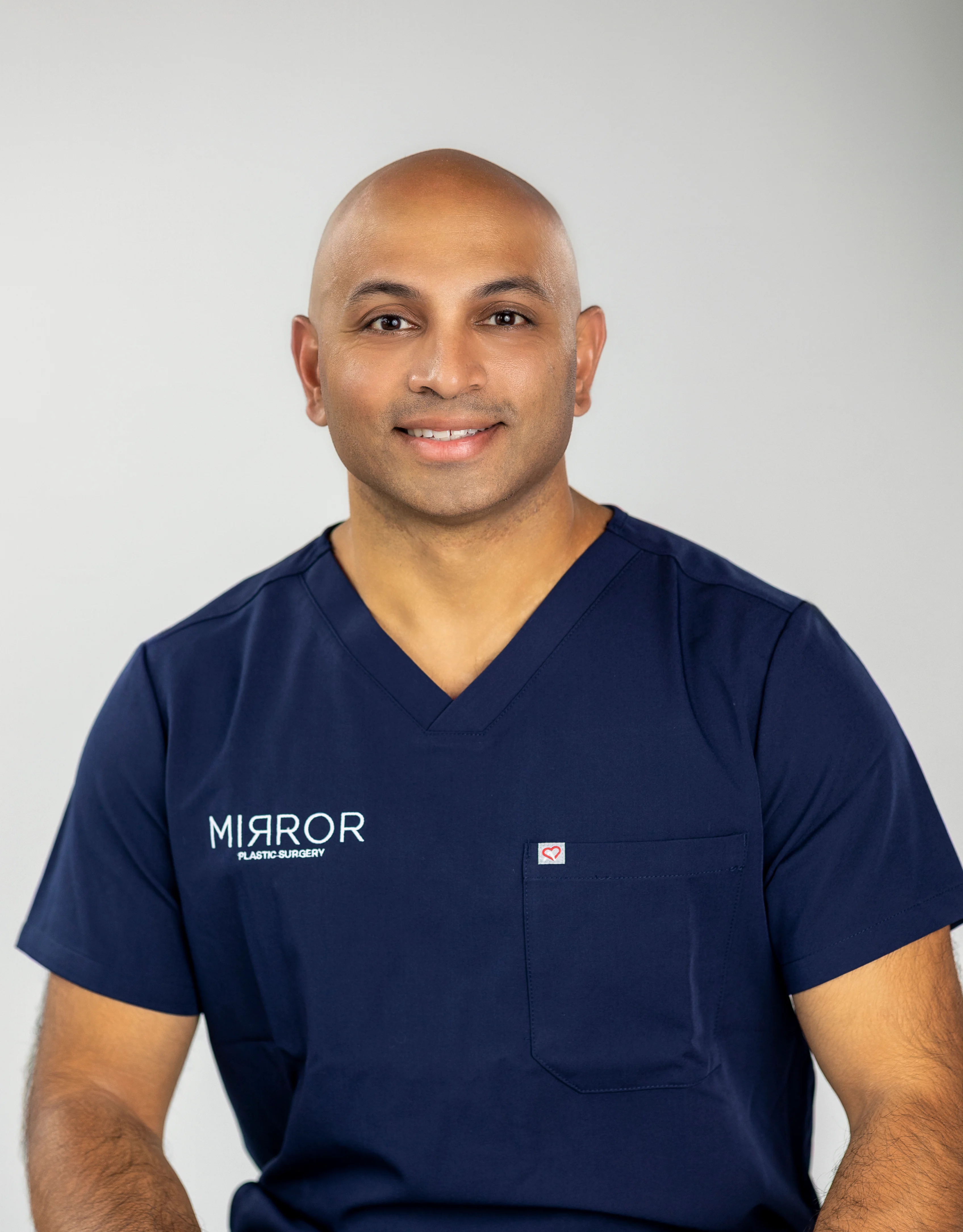
Ellie works under the direct supervision of Dr. Akash Chandawarkar, a board-certified plastic surgeon certified by the American Board of Plastic Surgery. Dr. Chandawarkar’s credentials include Harvard education, Johns Hopkins plastic surgery training, and fellowship training in aesthetic surgery at Manhattan Eye Ear & Throat Hospital. This physician oversight ensures that every injectable treatment at Mirror Plastic Surgery benefits from a surgeon’s command of facial and subdermal anatomy.
Mirror Plastic Surgery’s concierge approach prioritizes safety first, function second, and aesthetics third. Consultations extend up to an hour, which allows for the thorough top-to-bottom assessment that temple filler requires. The practice is supplier-neutral and recommends the right product for your anatomy rather than a commission-driven quota. Every credential discussed in this article is met at Mirror Plastic Surgery.
Request your personalized temple filler consultation at Mirror Plastic Surgery’s St. Petersburg location to receive a detailed, safety-first assessment of your candidacy.
Disclaimer: Results may vary from person to person. Editorial content, before and after images, and patient testimonials do not constitute a guarantee of specific results.
1 Results may vary from person to person. Editorial content, before and after images, and patient testimonials do not constitute a guarantee of specific results.