Written by: Dr. Akash Chandawarkar, Board Certified Plastic Surgeon, Mirror Plastic Surgery | Last updated: September 9, 2026
What Is The Most Successful Treatment For Cellulite Dimples? Subcision, particularly manual subcision, is a well-evidenced structural treatment that physically releases the fibrous bands causing dimples. Some sources consider it to have the strongest long-term evidence among cellulite procedures. Avéli, a newer FDA-cleared subcision device, offers real-time visualization for precise release. Clinical studies report high patient satisfaction lasting years after a single session.1 Creams, massage, and radiofrequency cannot release these bands.
Key Takeaways
- Cellulite dimples come from fibrous septae bands that tether skin downward, so effective treatment must address this structure.
- Subcision procedures, including manual subcision and Avéli, show the strongest clinical evidence with long-lasting improvement after a single session.1
- Radiofrequency, laser, creams, massage, and liposuction do not release fibrous bands and provide only temporary or minimal change for dimple-type cellulite.
- GLP-1 medications like semaglutide can make cellulite more visible after rapid weight loss, and subcision can address the resulting dimples once weight stabilizes.
- Schedule a consultation at Mirror Plastic Surgery to receive a personalized assessment and learn if subcision-based treatment fits your anatomy and goals.
The Anatomy Of A Dimple: Why Fibrous Bands Are The Real Culprit
In women, fibrous septae run vertically from the deep fascia to the underside of the skin, creating chambers where fat can herniate upward between inflexible bands, which produces dimples. Picture a mattress with buttons. The fabric is the skin, the buttons are the fibrous bands, and the stuffing pushing up between them is the fat. The American Academy of Dermatology confirms that fibrous septae play a central role in the pathophysiology of cellulite. Evidence indicates that targeting fibrous septae is most likely to provide durable improvement in cellulite appearance.
This condition affects approximately 80–98% of postpubertal women, regardless of weight or fitness level. Severity is graded using the Nürnberger-Müller scale, from 0 (no dimpling) to 3 (visible dimpling at rest). Because dimples come from physical bands pulling skin downward, treatments must physically release those bands to create lasting improvement.
The Evidence Base: What Clinical Trials Show About Dimple Reduction
Manual Subcision (Cellfina): The pivotal multicenter study by Kaminer et al., published in Dermatologic Surgery, treated 55 women in a single session. Researchers reported significant improvement on the Cellulite Severity Scale at 1 year, with results lasting up to 3 years.1 Patient satisfaction remained high at both short- and long-term follow-up.1 A 5-year follow-up (N=45) published in Dermatologic Surgery found most patients maintained at least a 1-level improvement on the Cellulite Severity Scale.1
Acoustic Subcision (Resonic): A 2024 multicenter trial by Tanzi et al. found that a single session produced significant improvement lasting up to 52 weeks, with blinded evaluators correctly identifying post-treatment photos at a 95.2% rate1. This confirmed visible, independently recognized change.
Avéli (Targeted Verifiable Subcision): The CONFFIRM pivotal trial (Stevens et al., 2023, Aesthetic Surgery Journal) reported a mean Cellulite Severity Scale improvement of about 1.5 points at both 3 and 12 months after a single session. Most patients showed improvement on the Global Aesthetic Improvement Scale, and satisfaction increased over time. No serious adverse events were reported.1
What The Evidence Does Not Support: Radiofrequency and acoustic wave therapy require multiple sessions and produce temporary results. A meta-analysis in the Journal of Cosmetic and Laser Therapy (7 RCTs, N=297) found acoustic wave therapy produced only a modest mean CSS improvement that diminished within 6 months without maintenance.
Subcision: The Gold Standard For Releasing Fibrous Bands
Subcision is a minimally invasive procedure in which a needle, blade, or specialized device cuts the fibrous bands tethering the skin. The American Board of Cosmetic Surgery identifies subcision as a primary structural intervention for cellulite dimples because it directly addresses the anatomical cause. Released bands do not reattach, which explains why results often last several years.1
A 2024 meta-analysis by Foppiani et al. covering 1,254 patients reported bruising in nearly all subcision patients and pain requiring analgesia in many cases, typically resolving over 1–3 weeks. Technique quality directly affects outcomes. Provider selection therefore matters as much as device selection.
Schedule your consultation to explore subcision options and learn how this approach may fit your goals.
Avéli: Real-Time Visualization For Precise Dimple Release
Avéli is an FDA-cleared (2022) subcision device that uses an integrated LED light for transillumination. This lets the provider see the probe tip under the skin, hook each fibrous band, and verify capture by watching the dimple depress before cutting it. The result is immediate visual confirmation of release. This “identify, release, verify” approach differs from earlier vacuum-based systems and supports treatment of discrete dimples on curved surfaces like the thighs with minimal collateral tissue damage.
The CONFFIRM trial excluded participants with severe skin laxity or previous liposuction on the buttocks or thighs, so Avéli’s safety and efficacy were not evaluated in these groups. Dr. Chandawarkar serves on the advisory board for Tiger Aesthetics Medical, Avéli’s manufacturer, and has specialized expertise in the device. His assessment remains candid: Avéli is a precise structural tool for the right candidate.
What Does Not Work For Dimples: Separating Evidence From Hype
Several popular treatments fail to address the structural cause of dimples. Each has a role, but none replaces subcision for band release.
Radiofrequency And Laser: These devices heat the dermis to stimulate collagen and improve skin laxity and texture, yet they do not cut fibrous bands. A 2025 systematic review in Aesthetic Plastic Surgery found radiofrequency reduces thigh circumference by approximately 2 cm and subcutaneous thickness by approximately 2.23 cm, which is measurable but not dimple-specific. Results typically last 6–12 months.
Liposuction: Liposuction removes fat but leaves fibrous septae intact. Hexsel and Mazzuco (2000) documented that liposuction can worsen dimpling by creating contour irregularities, so it is an inappropriate choice for cellulite dimples.
Creams And Massage: Topical caffeine provides temporary dehydration effects, and retinol at 0.3% or higher can thicken skin over 6 or more months. Neither method releases fibrous bands. Lymphatic drainage massage improves fluid balance but does not change structural tethering.
“Ozempic Legs”: GLP-1 medications like semaglutide produce 14.9% mean weight loss in the STEP-1 trial (N=1,961), but no published trial has measured cellulite as an endpoint for any GLP-1 agonist. Rapid weight loss can increase the appearance of cellulite by reducing fat volume beneath unchanged fibrous bands, which makes dimples more pronounced. Subcision and Avéli can address those bands after weight stabilizes.
Choosing The Right Treatment: A Decision Framework Based On Dimple Type
Distinct, Discrete Dimples Visible When Standing: Subcision or Avéli is the evidence-backed choice. Both physically release the fibrous bands causing the dimple. Avéli offers real-time visualization and minimal collateral tissue trauma. Manual subcision may be recommended based on individual anatomy.
Skin Laxity Alongside Dimples: Combining subcision or Avéli with radiofrequency or helium plasma RF addresses both structural tethering and dermal quality. A 2026 investigator-initiated trial by DiBernardo, published in Aesthetic Surgery Journal Open Forum, combined Avéli with helium plasma RF in 22 patients and found progressive improvement through 180 days with only two mild adverse events.
Diffuse, Wave-Like Cellulite Without Distinct Dimples: Energy-based treatments can improve texture modestly and serve as maintenance options. These approaches focus on skin quality rather than structural band release.
Mild Dimples (Grade 1, Visible Only When Pinched): Topical retinoids may thicken skin over several months. Professional structural treatment is often premature at this stage.
Because each dimple type responds to a different approach, a personalized consultation is essential. Dr. Chandawarkar’s philosophy of safety first, function second, and aesthetics third means he will recommend against procedures that do not align with your needs.
Get a personalized assessment of your dimple type during an hour-long, top-to-bottom evaluation at Mirror Plastic Surgery in St. Petersburg, FL.
What To Expect: Procedure And Recovery Timeline
Subcision and Avéli are performed under local tumescent anesthesia (lidocaine with epinephrine) and typically take 30–90 minutes, depending on the number of dimples treated. Most patients resume normal activities within 24–48 hours. Bruising usually peaks at days 3–5 and resolves over 2–3 weeks, and swelling subsides over the same period. Compression garments are worn for 1–2 weeks, and strenuous lower-body exercise is avoided for about 2 weeks. Initial improvement appears within 2–4 weeks, with final results at around 3 months once swelling fully resolves.
Treatment plans at Mirror Plastic Surgery are tailored to your anatomy and goals. Your personalized plan, including expected recovery details, will be discussed in depth during your consultation. Published studies show long-lasting results over several years1, although new dimples can form in untreated areas with significant weight or hormonal changes.
Why Provider Expertise Matters: The Case For A Board-Certified Plastic Surgeon
Subcision requires precise anatomical knowledge to release the correct fibrous bands while avoiding nerves, vessels, and contour irregularities. The 2024 Foppiani et al. meta-analysis noted that technique quality directly affects outcomes, which reinforces the importance of provider selection.
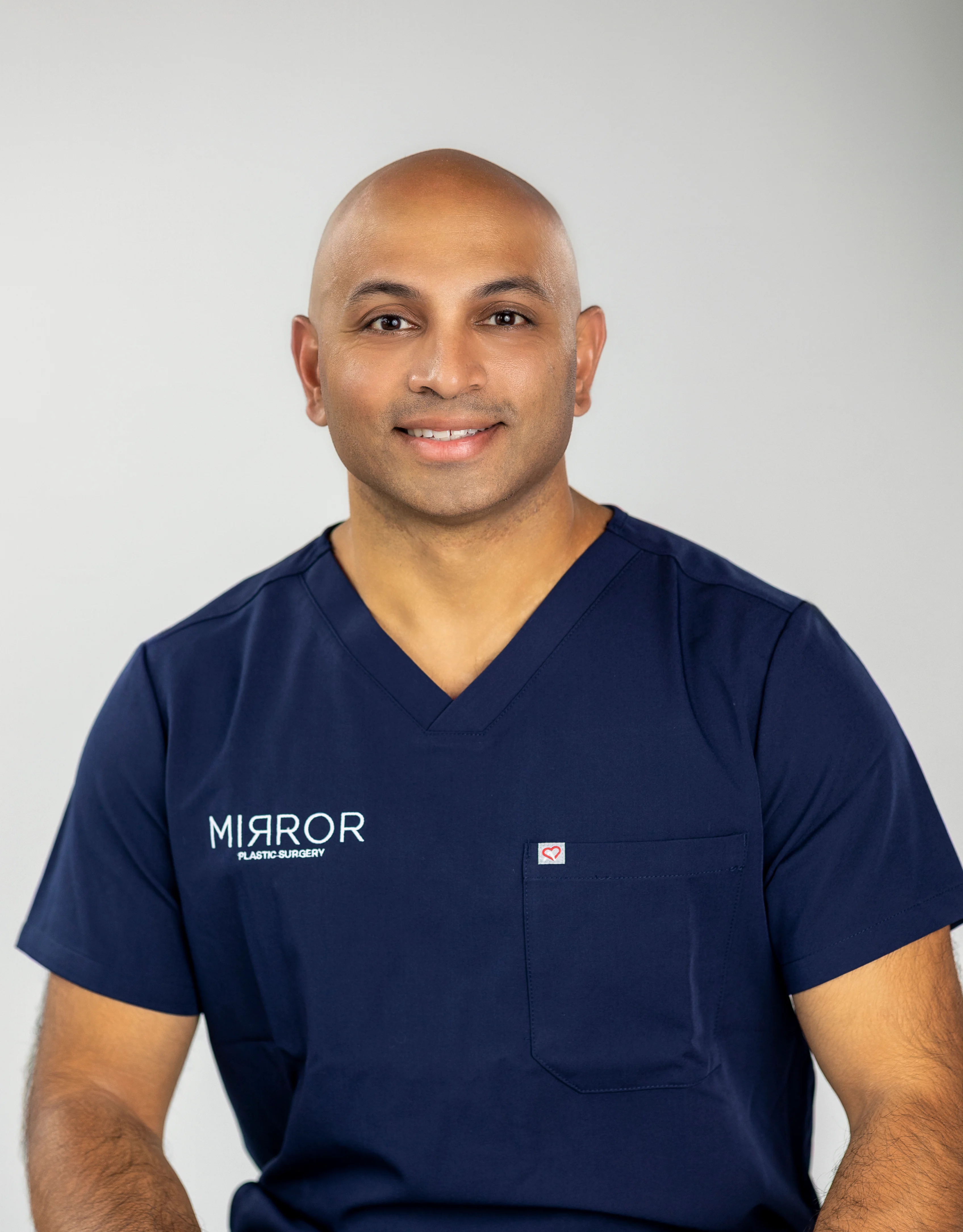
Dr. Akash Chandawarkar is Harvard-educated, Johns Hopkins-trained, and board-certified by the American Board of Plastic Surgery, with fellowship training in aesthetic surgery at MEETH/Lenox Hill Hospital and medical innovation training at Stanford. He serves on the advisory board for Tiger Aesthetics Medical, Avéli’s manufacturer, which gives him direct insight into the device’s development and optimal use. Mirror Plastic Surgery’s concierge approach, including hour-long consultations, a safety-first philosophy, and supplier-neutral recommendations, supports an honest assessment of whether treatment is right for you.
Frequently Asked Questions
Can Cellulite Dimples Go Away?
Subcision-based treatments can significantly reduce cellulite dimples. Clinical studies show that releasing the fibrous bands causing dimples produces improvement that can last for years after a single session. Creams and massage do not release these bands, so dimples persist without structural treatment. New dimples can form in untreated areas over time with significant hormonal or weight changes, while treated dimples typically do not return because released bands do not reattach.
What Is The Most Successful Treatment For Cellulite?
For dimple-type cellulite, subcision and acoustic subcision have the strongest published evidence. The Kaminer et al. pivotal trial reported high rates of meaningful CSS improvement and patient satisfaction at long-term follow-up. Avéli’s CONFFIRM trial (Stevens et al., 2023) also showed strong satisfaction after a single session. Non-subcision treatments currently lack comparable durability data at 2 years or beyond.
What Do Dermatologists Recommend For Cellulite On Legs?
The American Academy of Dermatology and Mayo Clinic list subcision, acoustic wave therapy, and laser treatment among the most evidence-supported options for cellulite. For distinct dimples specifically, subcision-based treatments are often the most appropriate recommendation because they address the structural cause, the fibrous bands, rather than only the skin surface. Energy-based devices work better for diffuse texture improvement or as adjuncts after structural treatment.
Does Liposuction Help Cellulite Dimples?
Liposuction removes subcutaneous fat but does not release the fibrous septae causing dimples. Removing fat volume in an area with unchanged fibrous bands can worsen the appearance of dimpling by creating contour irregularities. Liposuction should not be used as a cellulite treatment.
How Many Sessions Are Required For Cellulite Dimple Reduction?
Subcision-based treatments, including Avéli and Cellfina, are designed as single-session procedures. Most patients achieve their desired results after one treatment. A second session is rarely needed except in cases of very severe or widespread cellulite where the provider limits local anesthetic volume per session. Energy-based treatments like radiofrequency and acoustic wave therapy typically require 4–12 sessions for visible improvement, with ongoing maintenance needed to sustain results.
Conclusion: Your Next Step
Cellulite dimples are treatable when you target the right structure. Evidence supports subcision-based treatments that physically release fibrous bands as the most durable and satisfying option for dimple-type cellulite. If you are considering cellulite dimple reduction, schedule a consultation with Dr. Akash Chandawarkar at Mirror Plastic Surgery in St. Petersburg, FL. He will assess your dimple type, review your goals, and recommend the most appropriate treatment for your situation.
Start your cellulite dimple reduction journey with a consultation, or reach the practice directly at 727-361-6515 or hello@mirrorplasticsurgery.com.
Disclaimer: Results may vary from person to person. Editorial content, before and after images, and patient testimonials do not constitute a guarantee of specific results.
1 Results may vary from person to person. Editorial content, before and after images, and patient testimonials do not constitute a guarantee of specific results.