
Written by: Dr. Akash Chandawarkar, Board Certified Plastic Surgeon, Mirror Plastic Surgery | Last updated: September 9, 2026
Does SkinPen Actually Work? Evidence and Realistic Results
SkinPen is FDA-cleared for improving facial acne scars and has strong clinical evidence behind it. It stimulates collagen production, which softens scars, fine lines, and uneven texture over time.1 Most patients need a series of three treatments spaced about four weeks apart, with results continuing to build for several months.1
The pivotal FDA trial enrolled 90 subjects with moderate-to-severe acne scarring, and 90% rated their scar appearance as improved or much improved at six months post-treatment.1 A 2024 systematic review in the Journal of Cosmetic Dermatology, pooling 33 controlled studies, also showed statistically significant improvements in atrophic acne scars, photoaging, and overall skin texture.1
Results develop gradually and build on each session. Four microneedling sessions spaced one month apart produced a 400% increase in collagen and elastin deposition at the six-month mark, with effects still present at one year on histologic examination.1 For atrophic acne scars specifically, SkinPen typically achieves 40–70% improvement after a series of four to six sessions, with boxcar and rolling scars responding especially well.1
Individual outcomes depend on your skin condition, scar type, and treatment plan. A detailed consultation with Dr. Akash at Mirror Plastic Surgery helps set realistic expectations and tailor a protocol to your anatomy and goals.
How SkinPen Compares to Botox, DIY Pens, and Traditional Microneedling
SkinPen vs. Botox: These treatments address different concerns and often work well together. Botox temporarily relaxes the facial muscles that cause dynamic wrinkles, the lines that appear when you smile, frown, or squint, by blocking acetylcholine at the neuromuscular junction. SkinPen improves skin quality by stimulating collagen, which helps static wrinkles, acne scars, enlarged pores, and rough or uneven texture. Botox results appear within days and last three to four months, while SkinPen results develop slowly and can last a year or more because they reflect structural changes in the skin.1 Many patients choose both treatments, using Botox for expression lines and SkinPen for overall skin health and texture. When combining them, Botox should be performed at least two weeks before microneedling.
SkinPen vs. DIY Pens: At-home devices raise significant safety concerns and rarely reach the depth needed for true collagen remodeling. Dr. Pen devices are not FDA-cleared under product code QAI for clinical microneedling and typically lack a sealed backflow membrane, allowing blood and interstitial fluid to be drawn into the handpiece via capillary action, which creates a risk of bloodborne pathogen transmission if the device is reused. Professional SkinPen treatments use sterile, single-use cartridges that are opened in front of you and discarded after your session. At-home rollers and pens also lack precise depth control; most reach only 0.25–0.5 mm, far shallower than the 1.0–2.5 mm depths needed to remodel scar tissue. The American Academy of Dermatology identifies home rollers as the devices most commonly associated with post-treatment complications, including bacterial infection and the spread of viruses like herpes across the skin.
SkinPen vs. Traditional Microneedling: “Traditional microneedling” can describe many tools, from derma-rollers to unbranded pens. SkinPen stands out because of its FDA clearance, published clinical data, and engineering. Its vertical stamping motion creates clean micro-channels without the lateral dragging that can cause micro-tearing. Its motor also maintains consistent speed regardless of practitioner pressure. The SkinPen Precision Elite adds ActiSine technology for active needle retraction, which eliminates the risk of scratching or dragging associated with spring-mechanism cartridges.
Understanding the Value of SkinPen Treatment
SkinPen represents an investment in long-term skin quality rather than a quick, surface-level fix. The overall value of treatment depends on factors such as provider expertise, the number of sessions in your treatment series, the size of the area treated, and whether you combine SkinPen with therapies like PRP.
Treatment with a board-certified plastic surgeon using the SkinPen Precision Elite, sterile single-use cartridges, and a comprehensive consultation offers a higher level of safety and precision than high-volume, discount-focused settings. This approach also increases the likelihood of achieving the kind of improvement you can see and feel. Mirror Plastic Surgery provides individualized treatment recommendations after a thorough consultation, because every patient’s skin and goals are different.
Meet with Ellie to receive a personalized SkinPen treatment plan designed by Dr. Akash.
What to Expect Before, During, and After SkinPen Treatment
Before: Your experience starts with a detailed consultation. At Mirror Plastic Surgery, Dr. Akash performs a full skin assessment that can last up to an hour. He reviews your medical history, discusses your goals, and confirms whether SkinPen is the right choice for you. You will receive instructions to avoid sun exposure, retinoids, and certain skincare products in the days leading up to treatment. Retinoids, AHAs, BHAs, and vitamin C serums should be paused for seven days, and aesthetic treatments like Botox or fillers should be avoided for two weeks beforehand.
During: A full-face SkinPen session usually takes 30–45 minutes, with topical numbing cream applied for 20–30 minutes before treatment. Dr. Akash uses the device to create controlled micro-injuries across the treatment area and adjusts needle depth based on each anatomical zone. Most patients describe the sensation under numbing as a vibrating or buzzing feeling, more like pressure than sharp pain, with slightly more intensity over bony areas such as the forehead.
After: Redness and mild swelling similar to a moderate sunburn usually resolve within 24 to 72 hours. Most patients return to regular activities the next day and can apply makeup within 24 hours. Avoid strenuous exercise and excessive heat for 72 hours, and limit direct sun exposure for at least a week. Early improvements in texture and tone often appear within two to four weeks, with deeper changes continuing for several months as collagen remodels.1
Who Is a Good Candidate for SkinPen?
SkinPen works well for most healthy adults, and candidacy depends more on skin condition and goals than on age. Patients in their 20s and 30s often seek SkinPen for acne scars and early texture concerns. Those in their 40s and 50s typically focus on fine lines, mild laxity, and sun damage. Patients in their 60s and beyond can see benefits in overall skin quality and resilience, although SkinPen does not replace lost volume or lift significantly sagging tissue.
SkinPen Precision Elite is FDA-cleared for all Fitzpatrick skin types for acne scars, which makes it a strong option for darker skin tones that may face higher risks with some laser or RF treatments. Because SkinPen uses no heat, it avoids the heat-related risk of post-inflammatory hyperpigmentation seen with certain energy-based devices, although PIH can still occur, especially in darker skin tones.
You may not qualify for treatment if you are pregnant, have active skin infections or cold sores, currently take isotretinoin (which must be stopped six months before treatment), have a history of keloid scarring, or have specific bleeding or immune disorders. A professional consultation is the safest way to confirm whether SkinPen is appropriate for you.
Why Choose a Medical Professional for SkinPen?
SkinPen is a Class II medical device, so it belongs in a medical setting. In many states, estheticians are restricted to very superficial depths, while registered nurses, nurse practitioners, and physicians can treat at the medical depths needed for meaningful collagen induction and scar remodeling. This difference reflects regulation and safety standards.
Dr. Akash Chandawarkar is a Harvard-educated, Johns Hopkins-trained plastic surgeon, board-certified by the American Board of Plastic Surgery, with fellowship training in aesthetic surgery at the Manhattan Eye Ear & Throat Hospital. Because he personally performs all non-surgical treatments at Mirror Plastic Surgery, he brings a surgeon’s command of facial and subdermal anatomy to every SkinPen session. This expertise supports proper needle-depth selection by zone, recognition of contraindications, and prompt management of any complications. It also supports candid, unbiased guidance, including telling you when SkinPen is not the right match for your concerns.
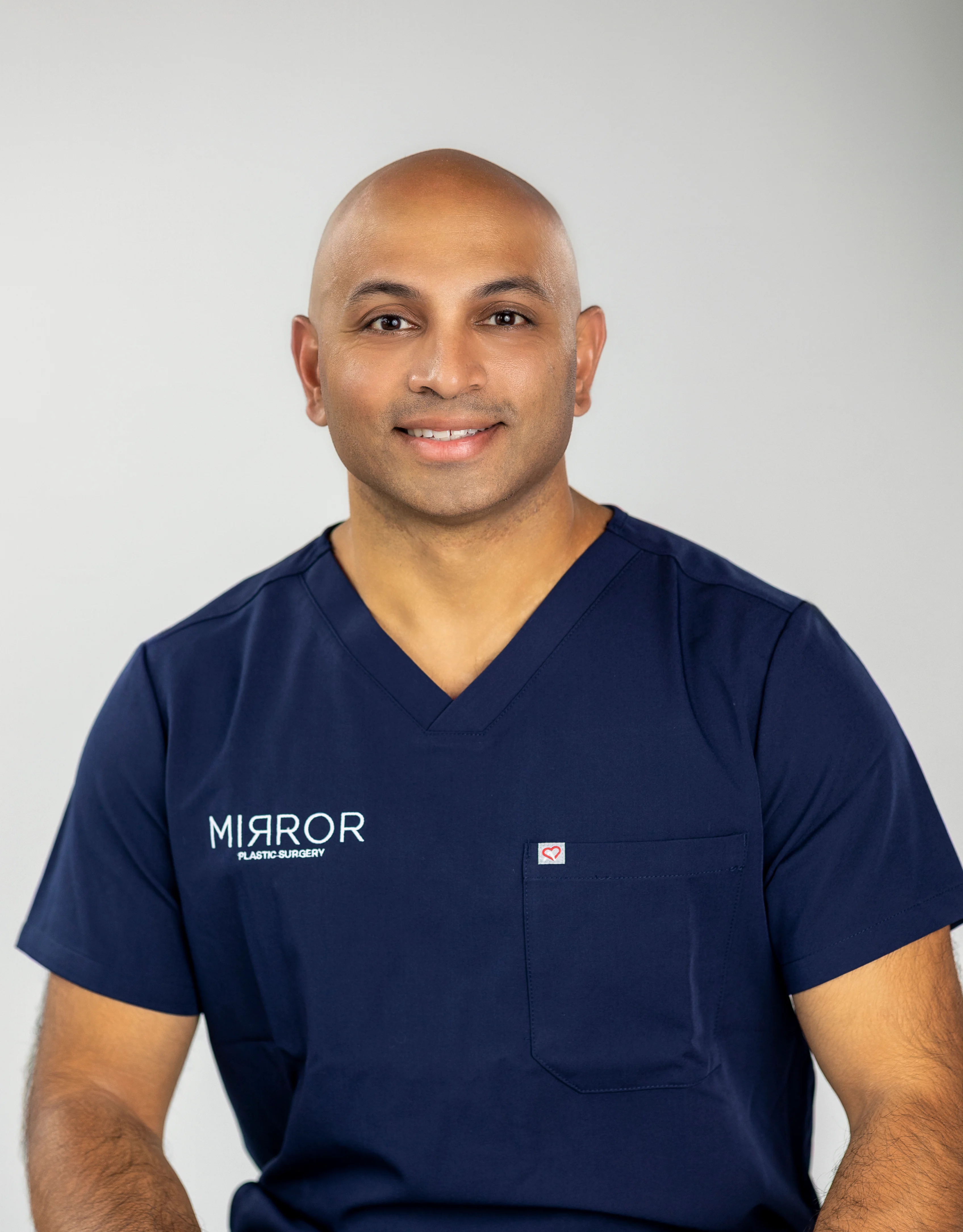
This patient-first philosophy distinguishes Mirror Plastic Surgery from high-volume med spas that focus on throughput. The practice maintains a concierge standard for every non-surgical treatment, so the team’s attention stays on you before, during, and after your procedure.
Experience this level of care firsthand by scheduling a consultation with Ellie.
Common Misconceptions About SkinPen
“Microneedling is painful.” With proper numbing, most patients rate discomfort at 1–2 out of 10 and describe pressure with mild tingling rather than sharp pain.
“Results are immediate.” SkinPen results build over time as collagen remodels. Visible improvements usually start around 3–4 weeks after treatment, with the most noticeable changes at 8–12 weeks.1
“DIY pens are just as good.” At-home devices are neither safe nor effective for meaningful collagen induction. Repeated use of dull or contaminated needles can cause tearing instead of controlled vertical microchannels, and at-home tools are not equivalent to physician-guided SkinPen treatment.
“All microneedling is the same.” The device, the provider, and the treatment environment strongly influence both safety and results. The American Academy of Dermatology notes that microneedling performed by a trained clinician with the right device produces “more significant and long-lasting improvement” than DIY or non-medical spa treatments.
Frequently Asked Questions
Does SkinPen Hurt?
With topical numbing cream applied 20–30 minutes before treatment, most patients describe SkinPen as a mild vibrating or prickling sensation. Pain scores usually fall between 1 and 2 out of 10. The procedure is generally well tolerated, and any discomfort stops as soon as the treatment ends. Bony areas like the forehead can feel slightly more intense, yet patients consistently report that the experience is manageable and easier than expected.
How Many SkinPen Treatments Do I Need?
Most patients complete a series of three to six treatments spaced four to six weeks apart. Acne scarring often requires more sessions than general rejuvenation or fine-line softening. After your initial series, maintenance treatments every 6–12 months help preserve your results. During your consultation, Dr. Akash will recommend a protocol based on your skin condition, scar type, and goals.
How Long Do SkinPen Results Last?
SkinPen stimulates structural collagen production, so improvements can last 12–18 months or longer after a full treatment series.1 These changes occur within the skin and are confirmed in histologic studies. Maintenance sessions every 6–12 months are helpful, especially as natural collagen production slows with age.
Is SkinPen Safe for All Skin Types?
Yes. SkinPen Precision Elite is FDA-cleared for all Fitzpatrick skin types for the treatment of facial acne scars, and its clinical trials included patients with darker skin tones. Because SkinPen uses no heat or light energy, it carries a lower risk of post-inflammatory hyperpigmentation than many laser or RF microneedling treatments. Conservative technique, careful depth selection, and diligent sun protection after treatment are important for every skin type, and especially for Fitzpatrick types IV–VI.
Can SkinPen Be Combined with Other Treatments?
Yes. SkinPen pairs well with Botox for a more complete rejuvenation plan, with Botox addressing dynamic wrinkles and SkinPen improving texture and overall skin quality. Many patients also combine SkinPen with PRP (Platelet-Rich Plasma) to enhance collagen stimulation and support faster healing. When combining treatments, timing matters: Botox or fillers should be scheduled at least two weeks before or after a microneedling session. Dr. Akash will design a sequenced plan tailored to your anatomy and priorities.
Conclusion: Choose a Surgeon’s Standard of Care for Your Skin
SkinPen offers a safe, effective, FDA-cleared option for acne scars and texture concerns, and your results depend heavily on the person performing the treatment. The device, the clinical environment, the sterility protocol, and the provider’s anatomical knowledge all influence whether you see meaningful, lasting improvement.
At Mirror Plastic Surgery, Dr. Akash Chandawarkar applies a board-certified plastic surgeon’s precision to every SkinPen session. The practice follows a concierge philosophy that emphasizes your safety, education, and long-term well-being over volume. Consultations are thorough, recommendations are straightforward, and each treatment plan reflects your unique anatomy and goals.
Book a Consultation
Mirror Plastic Surgery is located at 780 4th Ave S, St. Petersburg, FL 33701. Call or text 727-361-6515, or follow @mirrorplasticsurgery on Instagram. Schedule your personalized consultation to determine whether SkinPen aligns with your skin concerns and goals.
Disclaimer: Results may vary from person to person. Editorial content, before and after images, and patient testimonials do not constitute a guarantee of specific results.
1 Results may vary from person to person. Editorial content, before and after images, and patient testimonials do not constitute a guarantee of specific results.