

Written by: Dr. Akash Chandawarkar, Board Certified Plastic Surgeon, Mirror Plastic Surgery | Last updated: September 9, 2026
Key Takeaways
- Before-and-after photos need careful evaluation because lighting, timing, angle, and injector skill can dramatically change how results appear.
- Dermal fillers restore volume and contour across multiple facial areas, and outcomes depend on product selection, placement depth, and individual anatomy.
- Recovery timelines shape how results look in photos. Swelling peaks in the first 48 hours and final results usually appear at two to four weeks.
- Choosing a board-certified plastic surgeon with deep anatomical knowledge and a conservative, full-face approach is the most important factor for natural, safe results.
- Ready to explore natural dermal filler options tailored to your features? Book A Consultation With Mirror Plastic Surgery today.
What Are Dermal Fillers? A Quick Overview
Dermal fillers are injectable gels or biostimulatory compounds that restore lost volume, smooth deep lines, and enhance facial contours. Typical changes visible in before-and-after photos include:
- Reduced appearance of smile lines and marionette lines
- Fuller, better-defined lips
- Lifted cheeks and restored midface volume
- Softened under-eye hollows
- Improved jawline and chin definition
These changes are achieved with two main categories of fillers. Biostimulatory compounds such as Radiesse stimulate the body’s own collagen production. Hyaluronic acid (HA) formulations such as Juvederm, RHA, Versa, and Restylane provide structure and volume directly. Product selection depends on the treatment area, desired outcome, and individual anatomy, so a qualified provider should guide that choice.
What Before-And-After Photos Really Show
Before-and-after photos capture a single moment in a much longer treatment journey. They do not show the injector’s planning, the step-by-step decisions, or the anatomical nuances that shaped the result. Several variables influence what appears in any given photo:
- Injector skill and anatomical knowledge: The same filler product in different hands produces dramatically different outcomes. A board-certified plastic surgeon brings surgical-level understanding of facial anatomy that many non-surgical injectors do not have.
- Filler type and placement depth: Superficial versus deep placement changes results significantly. Different concentrations of the same filler are used for different facial regions, with softer formulations for delicate areas like the lips and periocular zone and firmer formulations for deep volume restoration in the cheeks, chin, and jaw.
- Patient anatomy and baseline: No two faces respond identically. Skin quality, bone structure, and existing tissue volume all shape the final result.
- Recovery stage: “After” photos taken at one week versus four weeks look very different. Early swelling can obscure results or create temporary asymmetry that resolves on its own.
Today’s aesthetic philosophy focuses on enhancing what already exists rather than making a dramatic statement. This shift, sometimes called “filler fatigue,” reflects growing awareness that overfilled faces look distorted instead of refreshed. At Mirror Plastic Surgery, this philosophy is foundational. Good filler should be invisible and should make someone look rested and like themselves.
The most honest galleries show patients at consistent angles, with similar lighting and expressions, and they disclose when photos were taken. Galleries that skip these details deserve closer scrutiny.
Area-By-Area Guide To Realistic Filler Results
Different facial areas respond to filler in specific ways, and realistic results follow predictable patterns. Use this area-by-area guide as you review before-and-after photos so you know what to look for in each region.
Cheeks
Cheek filler restores midface volume, lifts the face, and improves contour. Clinically significant improvements in mid-face volume and cheekbone definition are observable as early as 21 days after a single injection, with results persisting up to nine months.1 In quality before-and-after photos, look for natural projection that complements the face’s architecture. The cheek should transition smoothly into the under-eye area without a rounded, overfilled appearance or a shelf-like edge.
Lips
Lip filler enhances fullness, defines the border, and improves symmetry. A 2021 meta-analysis found that 91% of treated subjects had increased lip fullness at two months, with nearly half still showing significantly increased volume at twelve months.1 Quality results respect facial proportions, and the upper lip usually remains about 40% of total lip volume. Photos showing lips that dominate the face or create a “duck” appearance signal poor technique or overfilling. The rheological properties of lip fillers, including how they resist deformation and return to shape, directly influence how natural the lips feel during movement.
Under Eyes (Tear Trough)
Tear trough filler reduces hollowness and the shadowed appearance under the eyes, and this area requires exceptional precision. The tear trough region shows the greatest proportional increase in filler thickness after injection because of its tight fibrovascular density and lower subcutaneous fat content. Quality photos show a smooth transition from the lower eyelid to the cheek, with no lumps, bluish discoloration, or overcorrection. The Tyndall effect, a bluish discoloration caused by superficially placed filler, is most common in the tear trough and is correctable with hyaluronidase, but careful deep placement helps prevent it.
Nasolabial Folds (Smile Lines)
Filler in the nasolabial folds softens the creases that run from the nose to the corners of the mouth. Clinically relevant improvements in nasolabial fold severity are among the most consistently documented outcomes in filler trials. Quality results look natural and relaxed. The midface should appear refreshed, and the smile should still move freely. A “pulled” or stiff look suggests overfilling or poor product selection.
Jawline And Chin
Jawline and chin filler improves definition and facial balance. Chin and jawline filler typically lasts 12–18+ months1, which makes it one of the more durable treatment areas. In before-and-after photos, look for harmony with other facial features. A stronger jawline should not make the cheeks appear hollow or the lips disproportionate. Treating the jawline in isolation often creates imbalance.
Plan A Personalized Filler Map With Mirror Plastic Surgery to see which areas best match your anatomy and goals.
The Recovery Timeline And How It Affects Photos
Swelling after dermal filler injections peaks within 24 to 48 hours and typically resolves within five to seven days, though under-eye and lip swelling may last slightly longer. Knowing this pattern helps you interpret before-and-after photos more accurately:
- Day 1: Swelling, redness, and possible bruising are present, so results are obscured.
- Days 2–3: Swelling peaks and the treated area may appear uneven or asymmetric, which is normal.
- Days 4–7: Swelling steadily subsides and initial results emerge. Bruising, if present, usually resolves within 7 to 14 days.
- Weeks 2–4: Most swelling resolves and final results become visible around the two-week mark. Biostimulatory fillers like Radiesse continue to build collagen over weeks to months.
Professional galleries usually show “after” photos at the two-to-four-week mark. Always ask when a photo was taken so you know whether you are seeing a swollen stage or a settled result. For a detailed breakdown of what to expect day by day, see Mirror Plastic Surgery’s guide to Dermal Filler Recovery: Timeline, Tips & Aftercare.
How To Evaluate Before-And-After Photos
A simple evaluation checklist helps you separate informative galleries from misleading ones. Green flags include:
- Consistent lighting, angle, expression, and makeup in both photos
- Subtle, proportional improvement that preserves the patient’s facial character
- Smooth transitions between treated and untreated areas
- Natural movement and animation preserved in the “after” image
- Clear disclosure of when the “after” photo was taken
Red flags include:
- Overfilled appearance, visible lumps, or persistent asymmetry
- A “deer in headlights” look or results that appear pulled or stiff
- Different lighting or angles between before and after images
- No disclosure of when the “after” photo was taken
- Results that dominate the face instead of harmonizing with it
Modern practitioners take a full-face approach, assessing proportions, symmetry, and how facial areas work together rather than treating one feature in isolation. A provider who openly discusses patient age, skin quality, products used, and photo timing shows confidence and transparency.
How Long Do Dermal Fillers Really Last?
Hyaluronic acid fillers generally last from six months to two years, depending on the treatment area, product firmness, patient metabolism, and placement quality.1 Firmer, more heavily cross-linked gels used for structural support in the cheeks and jawline usually outlast softer gels in the lips, where constant movement breaks filler down faster. Biostimulatory fillers like Radiesse last approximately 12–18 months and stimulate collagen production1, which extends their benefit beyond the filler itself.
A 2026 MRI study found that hyaluronic acid filler volume measured on imaging was, on average, 2.8 times greater than the amount initially injected, with detectable filler up to 15 years after injection, while its visible cosmetic effect typically lasts 6–12 months.1 This gap between cosmetic duration and tissue persistence explains why conservative dosing protects long-term facial harmony. Cumulative overfilling can create aesthetic problems that are difficult to correct.
Maintenance treatments support sustained results. A qualified provider builds a personalized long-term plan instead of treating each visit as a one-time procedure. For more on avoiding overfilling, see Mirror Plastic Surgery’s guide on How To Get Natural Dermal Filler Results & Avoid Overfilling.
Fillers Vs. Botox: Understanding The Difference
Dermal fillers and neuromodulators such as Botox, Dysport, Xeomin, Daxxify, and Jeuveau target different signs of aging and often work best together. Fillers restore volume and structure by adding or stimulating tissue. Neuromodulators relax muscles to soften dynamic wrinkles caused by repeated facial movement. Many patients benefit from a combination approach for comprehensive facial rejuvenation. Fat grafting offers a surgical option for those seeking more permanent volume, and skin resurfacing treatments focus on texture rather than volume. The right mix depends on your anatomy and goals, so Mirror Plastic Surgery always begins with a thorough consultation.
Risks, Downsides, And Avoiding The “Overfilled” Look
Clear communication about risks is part of ethical filler treatment. Common side effects such as bruising, swelling, and tenderness are temporary and expected. More significant concerns include:
- Lumps and asymmetry: Small palpable lumps are common immediately after treatment and usually resolve within one to two weeks. True asymmetry that persists beyond two weeks can be corrected with a touch-up or partial dissolution.
- Tyndall effect: Bluish discoloration from superficially placed filler, most common in the tear trough, which is correctable with hyaluronidase.
- Vascular occlusion: Vascular occlusion is one of the most serious filler complications, with reported incidences below 0.1%, and risk is higher in the glabella, forehead, and nose. Sudden severe pain, skin blanching, or dusky discoloration require immediate treatment with hyaluronidase.
- Delayed nodules: Granulomas and delayed nodules occur in approximately 0.02%–0.4% of HA filler cases and may appear months to years after injection.
Hyaluronic acid fillers can be dissolved with hyaluronidase when clinically appropriate. Biostimulatory fillers like Radiesse are not reversible, so product choice and injector expertise matter from the very beginning. The most important safety factor is choosing a provider with documented training in facial anatomy and injectable technique, a strong portfolio, and a thorough consultation process.
How To Choose Your Injector
Provider selection shapes every aspect of your filler experience and outcome. Board certification, specialized training in facial anatomy, and experience with multiple filler types form the baseline. To gauge whether a provider meets these standards, ask these questions at your consultation:
- “What is your approach to natural-looking results?”
- “How do you handle complications, and is hyaluronidase available on-site?”
- “Can I see before-and-after photos of patients with similar concerns to mine?”
- “What products do you use, and why do you recommend them for my anatomy?”
At Mirror Plastic Surgery, Dr. Akash Chandawarkar, a Harvard-educated, Johns Hopkins-trained, board-certified plastic surgeon, personally performs all injectable treatments. His philosophy places safety first, function second, and aesthetics third, so every treatment plan protects long-term facial health while enhancing appearance. As an advisory board member for Merz Aesthetics (Radiesse) and Tiger Aesthetics, Dr. Akash brings product-level insight to each recommendation. His practice remains supplier-neutral and focuses on the product that best matches your anatomy.
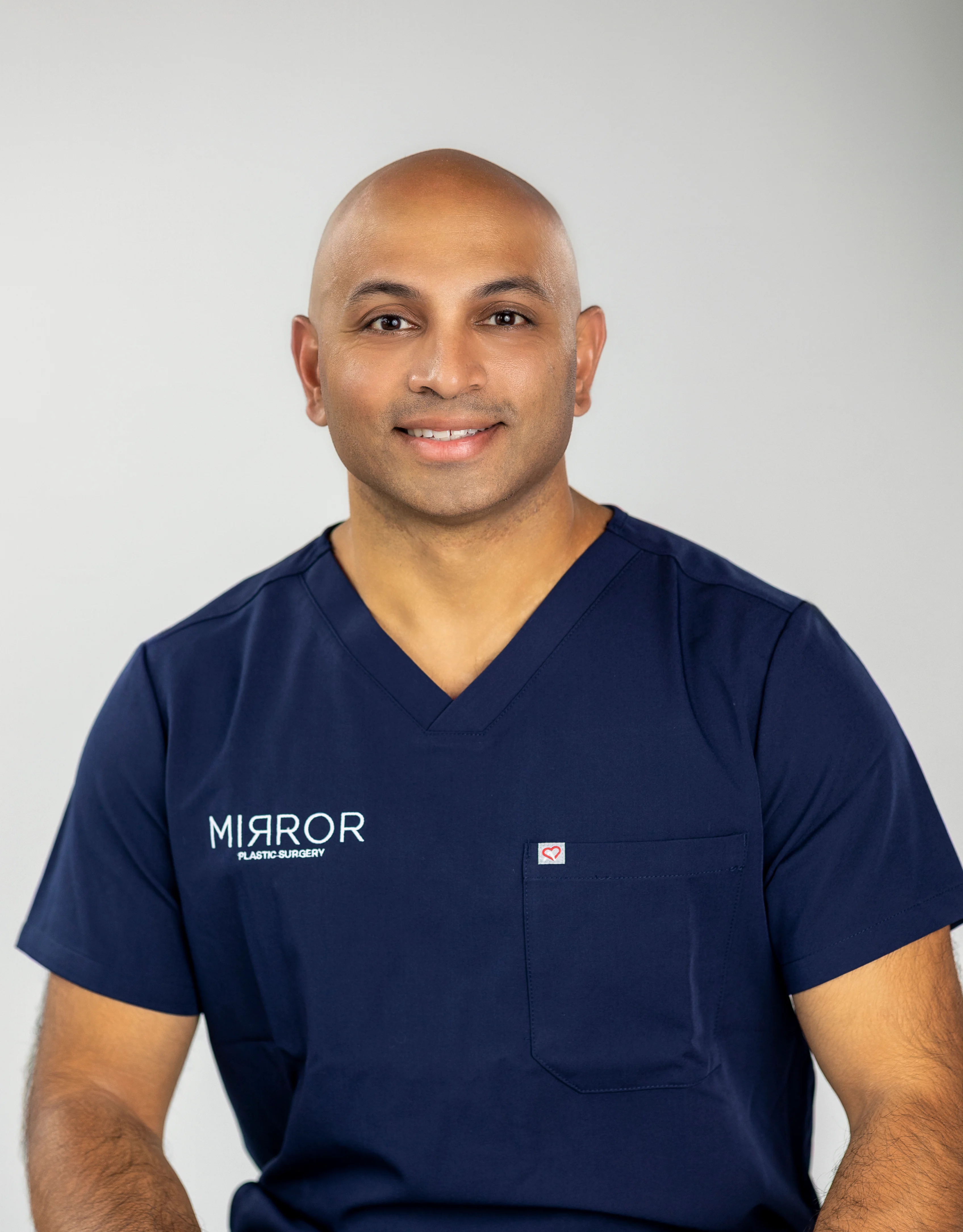
Schedule A Comprehensive Filler Consultation With Dr. Akash and experience an in-depth, hour-long top-to-bottom assessment.
Frequently Asked Questions
How Long Do Dermal Fillers Last In Practice?
As described earlier, hyaluronic acid fillers usually last six months to two years, and Radiesse often lasts 12–18 months. Lips tend to metabolize filler faster than cheeks or the jawline because of constant movement. MRI research shows that HA filler can persist in tissue for years beyond its visible effect, so conservative dosing supports long-term facial balance.
Do Dermal Fillers Hurt?
Most fillers contain lidocaine, and providers apply topical numbing before injection. Patients usually feel a brief pinch or pressure during treatment. Discomfort is generally mild and fades quickly afterward. The topical anesthetic often wears off within 60 to 90 minutes, and a dull ache may follow, which acetaminophen can manage. Ibuprofen and aspirin should be avoided because they can worsen bruising.
What Is The Recovery Time After Dermal Fillers?
Most swelling resolves within five to seven days, and final results appear around two weeks. Bruising, if present, usually fades within 7 to 14 days. Most patients return to normal activities right away, although strenuous exercise should wait 24 to 48 hours. Heat exposure from saunas, hot yoga, or steam rooms should be avoided for at least a week. A standard two-week follow-up lets your provider assess the settled result and decide whether any adjustment is needed.
Can Dermal Fillers Be Reversed?
Hyaluronic acid fillers can be dissolved with hyaluronidase, an enzyme that breaks down the gel. This decision depends on the product used, examination findings, and the clinician’s judgment rather than early swelling alone. Biostimulatory fillers like Radiesse cannot be dissolved, which reinforces the value of careful product selection and conservative dosing from the start.
Will I Look “Overdone”?
A provider who prioritizes natural results helps you avoid an overfilled look. The current trend favors subtle enhancement because excessive volume distorts facial features. A skilled injector with deep anatomical knowledge treats the full face holistically so enhancements harmonize with your existing structure. At Mirror Plastic Surgery, Dr. Akash focuses first on revitalizing your inherent facial characteristics, then considers volume augmentation as needed. The goal is that you look like yourself, just more rested and refreshed.
The Most Important “After” Photo Is Yours
Before-and-after photos offer helpful guidance, but they require critical evaluation. Results vary based on provider skill, product selection, recovery timing, and individual anatomy. The galleries worth trusting are consistent, transparent, and show people who look like themselves. Choosing a qualified, honest provider who values safety and function as highly as aesthetics is the key decision in your aesthetic journey.
Experience The Mirror Plastic Surgery Difference
Dr. Akash Chandawarkar brings a board-certified plastic surgeon’s command of facial and subdermal anatomy to every injectable treatment at Mirror Plastic Surgery. His comprehensive, hour-long top-to-bottom assessment focuses on your goals, your anatomy, and your long-term facial health before he recommends any treatment. The practice’s concierge approach means you are never rushed or upsold and are always treated as an individual, not a number.
Mirror Plastic Surgery is located at 780 4th Ave S, St. Petersburg, FL 33701. Reach the team by phone at 727-361-6515 or by email at hello@mirrorplasticsurgery.com. Contact Mirror Plastic Surgery today to discuss your goals and explore how a personalized, safety-first approach can help you achieve natural-looking results.
Start Your Filler Journey With A Consultation At Mirror Plastic Surgery and take the first step toward results that look like you, only more refreshed.
Disclaimer: Results may vary from person to person. Editorial content, before and after images, and patient testimonials do not constitute a guarantee of specific results.
1 Results may vary from person to person. Editorial content, before and after images, and patient testimonials do not constitute a guarantee of specific results.


