

Written by: Dr. Akash Chandawarkar, Board Certified Plastic Surgeon, Mirror Plastic Surgery | Last updated: September 9, 2026
Key Takeaways
- Mesotherapy for cellulite lacks strong scientific evidence and is not recommended by the American Academy of Dermatology or FDA-approved for this use.
- Results are typically modest and temporary, and they require multiple initial sessions plus ongoing maintenance, which makes treatment time-intensive and costly.1
- Common side effects include bruising and swelling, and serious risks such as infections and scarring have been reported, especially with unregulated formulations.
- Evidence-based alternatives like subcision with FDA-cleared devices address the structural cause of cellulite and can deliver longer-lasting results from a single treatment.1
- For personalized guidance on cellulite treatment options, schedule a consultation with a board-certified plastic surgeon and schedule your consultation at Mirror Plastic Surgery.
Cellulite Basics: What Is Really Happening Under The Skin?
Peer-reviewed research estimates cellulite affects roughly 80 to 98 percent of post-pubertal women, so it is a near-universal cosmetic trait, not a disease. Its characteristic dimpled appearance comes from a structural problem beneath the skin. Fibrous septae bands pull downward on the skin while fat lobules push upward between them. The result is the familiar orange peel texture on the thighs, buttocks, and abdomen.
Cellulite severity depends on sex, age, BMI, hormones, and genetics. In women, fibrous bands tend to run straight up and down, which allows fat to bulge between them more easily, so cellulite appears more often in women than men. No treatment permanently eliminates cellulite. The most effective options share one feature. They address the fibrous bands directly, not just surface fat or skin texture.
Mesotherapy For Cellulite: Technique And Claims
Mesotherapy was developed in France in 1952 by physician Michel Pistor to treat pain and circulation problems. It was later adapted for cosmetic uses such as fat reduction, skin rejuvenation, and cellulite. The technique uses micro-injections of a cocktail into the mesoderm. These cocktails commonly contain phosphatidylcholine, deoxycholate, caffeine, amino acids, vitamins, and enzymes. Providers claim these injections break down fat, stimulate collagen, and improve lymphatic drainage.
A major limitation of mesotherapy is the lack of a standardized formula. There is no single licensed mesotherapy product, and many cocktail ingredients are not specifically licensed for cosmetic injection into the skin. Contents and practitioner training vary widely between clinics. This variability makes rigorous study difficult and leads to unpredictable outcomes.
The American Academy of Dermatology does not recommend mesotherapy for cellulite due to lack of evidence, and the FDA has not approved mesotherapy for this indication. The FDA has specifically warned that unapproved fat-dissolving injectable formulations pose safety risks because their quality, safety, and effectiveness have not been evaluated. The agency has received reports of permanent scarring, serious infections, skin deformities, cysts, and painful nodules from such injections.
Evidence Review: Does Mesotherapy Work For Cellulite?
Evidence for mesotherapy for cellulite is mixed. Some small studies report visible improvement in skin texture and cellulite grade.1 Large randomized controlled trials remain limited, and the overall evidence is weaker than for other cellulite treatments. Most published research uses small sample sizes and varied formulas, so researchers cannot draw reliable conclusions about how well it works.
The American Academy of Dermatology notes that few robust scientific studies prove mesotherapy cures or permanently reduces cellulite. Reported improvements may reflect placebo effects, the mechanical action of needling, or lifestyle changes rather than the injected substances. One study that tracked volunteers receiving a cocktail of multivitamins for skin rejuvenation showed a 10 to 15 percent improvement in skin tightening and texture by the end of treatment.1 Improvements faded to about 5 to 10 percent at three months after treatment ended, and neither result reached statistical significance.1
The Bottom Line On Effectiveness
Mesotherapy is not a proven, reliable treatment for cellulite. Evidence is weak, results are unpredictable, and any improvement is usually modest and temporary.1 A treatment with this profile deserves careful scrutiny before you invest time and money.
Schedule a cellulite consultation with Ellie at Mirror Plastic Surgery to get an honest, evidence-based assessment of your options from a board-certified plastic surgeon.
Procedure Profile: What To Expect During Mesotherapy
A typical mesotherapy visit starts with a consultation and skin cleansing. The provider may apply topical numbing cream. They then perform a series of micro-injections into the targeted area. Sessions usually last 30 to 60 minutes, and a full course often requires 6 to 12 sessions spaced 1 to 2 weeks apart, with maintenance sessions every 1 to 3 months to sustain any improvement.
Downtime is minimal, but bruising, swelling, redness, itching, tenderness, and small lumps at injection sites are common and typically settle within a few hours to a few days. While individual sessions are quick, the cumulative time commitment is substantial. A full initial course plus ongoing maintenance can mean 10 or more office visits per year.
Cost Analysis: How Much Does Mesotherapy For Cellulite Cost?
A single mesotherapy session for cellulite typically costs between $300 and $800, depending on location, clinic type, and formulation. Because an initial course typically requires this many sessions, total costs often reach $1,800 to $9,600 or more before maintenance. Maintenance sessions every 3 to 6 months create ongoing, recurring expense with no clear endpoint.
At Mirror Plastic Surgery, each patient receives a personalized quote after a thorough consultation, because anatomy, goals, and treatment needs differ. The key question is overall value. Mesotherapy’s significant cumulative cost must be weighed against its weak evidence base and temporary results. Beyond cost, safety is another critical consideration.
Safety Profile: Risks, Side Effects, And Contraindications
Common Side Effects
Typical mesotherapy side effects include bruising, swelling, redness, itching, tenderness, and small lumps at the needle sites, which usually settle within a few hours to a few days. These effects are uncomfortable but usually resolve on their own.
Serious Risks
Bacterial infections, particularly from nontuberculous mycobacteria, are the biggest safety issue in mesotherapy. These organisms thrive in inadequately sterilized equipment and cause slow-developing skin infections that can take weeks to appear. Treatment often requires months of combination antibiotics, and some cases need surgical removal of infected tissue. Other serious complications include skin necrosis, allergic reactions, and persistent scarring at injection sites. The FDA has received reports of permanent scarring, serious infections, and painful nodules from unapproved fat-dissolving injections.
Who Should Avoid Mesotherapy
Mesotherapy is contraindicated for people who are pregnant or breastfeeding, have bleeding disorders or use anticoagulants, have active infections, autoimmune diseases, uncontrolled diabetes, immunosuppression, or known allergies to injection ingredients. Because mesotherapy is not FDA-approved for cellulite and formulations are unstandardized, safety and quality control remain significant concerns in any setting. Choosing a board-certified provider reduces risk but cannot remove it entirely.
Longevity Of Results: How Long Do Improvements Last?
For cellulite reduction, mesotherapy results usually last from several months to about a year after a full course of treatment.1 Without maintenance, cellulite typically returns as the body metabolizes the injected substances. The underlying structural causes, the fibrous septae, remain unchanged.
This pattern compares poorly with structural treatments like subcision, which target the fibrous bands directly. In an AAD-cited study of 232 patients, 99% reported satisfaction with subcision, with results lasting two years and possibly longer.1 These results came from a single treatment session.
Comparative Analysis: Mesotherapy Vs. Evidence-Based Alternatives
The table below compares mesotherapy with evidence-based alternatives across evidence strength, result duration, and cost, so you can see why structural treatments often provide better long-term value.
| Treatment | Evidence Base | Typical Results Duration | Approximate Cost |
|---|---|---|---|
| Mesotherapy | Weak; limited small studies | Months; requires ongoing maintenance | See cost analysis above for per-session pricing |
| Subcision (Avéli) | Strong; FDA-cleared; published clinical studies | 2+ years; single session | $3,000–$7,000 per treatment |
| Radiofrequency | Moderate; 2024 systematic review data | Several months; requires multiple sessions | $200–$500 per session |
| Acoustic Wave Therapy | Moderate; consistent reduction scores across studies | Several months; requires multiple sessions | $200–$500 per session |
Subcision, particularly with the FDA-cleared Avéli device, directly releases the fibrous septae that cause dimpling. This addresses the structural root of cellulite, not just surface symptoms. Energy-based devices like radiofrequency can improve skin texture and firmness, but they do not release the septae, so results typically last only a few months and require multiple sessions.1
For patients who want to explore options in more depth, Mirror Plastic Surgery offers detailed guides on cellulite treatment for thighs and buttocks with Avéli and the best cellulite treatments including Avéli, RF, and more.
Why Provider Expertise Matters For Cellulite Treatment
Effective cellulite treatment depends on a clear understanding of the structural anatomy beneath the skin, including fibrous septae, fat lobules, and dermal thickness. Many mesotherapy providers are aestheticians or non-physician practitioners without surgical training. This gap increases the risk of improper injection depth, unsterile technique, or inappropriate formulations. According to the American Med Spa Association, injectable treatments may only be performed by physicians, nurse practitioners, physician assistants, or registered nurses with proper training and supervision.
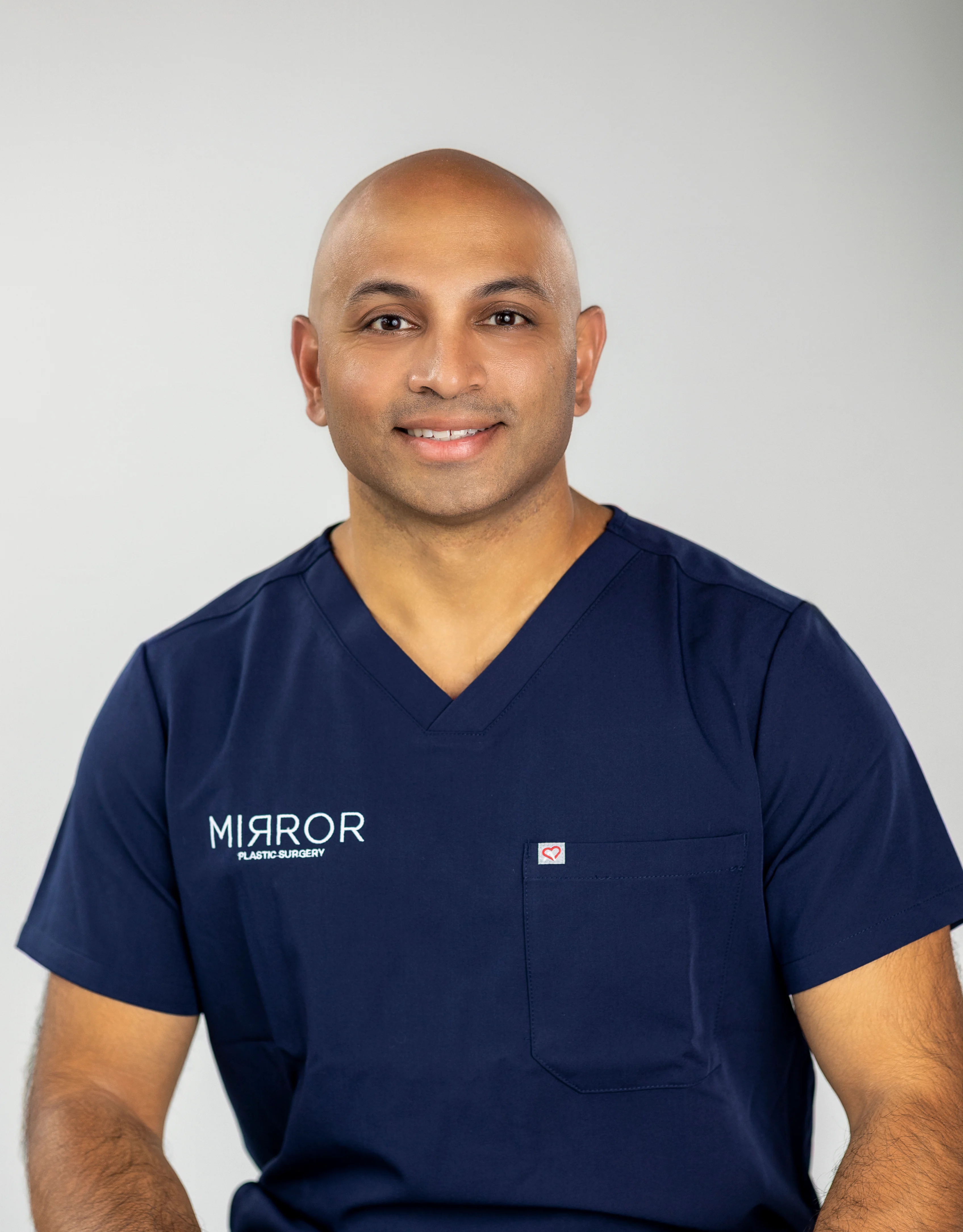
Dr. Akash Chandawarkar, founder of Mirror Plastic Surgery in St. Petersburg, Florida, is a board-certified plastic surgeon, Harvard-educated physician, and Johns Hopkins-trained surgeon with specialized fellowship training in aesthetic surgery at Manhattan Eye Ear & Throat Hospital/Lenox Hill Hospital. He personally performs all injectable and cellulite treatments at the practice. This brings a surgeon’s command of subdermal anatomy to every procedure. Dr. Chandawarkar serves on the advisory board for Tiger Aesthetics, the manufacturer of the Avéli device, which reflects his deep clinical investment in evidence-based cellulite treatment.
Mirror Plastic Surgery follows a concierge medicine philosophy: safety first, function second, aesthetics third. Consultations can run up to an hour, and the practice limits itself to one to two procedures per day so every patient receives focused attention before, during, and after treatment.
Arrange a one-on-one consultation with Ellie at Mirror Plastic Surgery to receive an honest, evidence-based assessment of your cellulite treatment options from a surgeon who performs the procedures himself.
Frequently Asked Questions
Is Mesotherapy Painful?
Most patients feel a series of tiny pricks and mild stinging during injections. Providers commonly apply numbing cream beforehand, and discomfort usually resolves within hours. Bruising and soreness at the injection sites may last several days, but these effects are generally self-limiting and rarely require downtime.
How Many Sessions Of Mesotherapy Are Needed?
Most protocols recommend the same 6 to 12 sessions described above for an initial course, spaced 1 to 2 weeks apart, followed by maintenance sessions every 1 to 3 months to sustain any visible improvement. Noticeable changes typically begin developing from the fourth session onward. The cumulative time and financial commitment of this schedule is significant, especially given the modest and temporary nature of results.
Can Mesotherapy Get Rid Of Cellulite Completely?
No current treatment completely eliminates cellulite, and mesotherapy usually produces only modest, temporary improvement. The American Academy of Dermatology notes that few robust scientific studies prove mesotherapy permanently reduces cellulite. Treatments that address the structural cause, the fibrous septae, provide more meaningful and durable outcomes than mesotherapy, which does not release these bands.
Is Mesotherapy Safe?
Mesotherapy carries real risks, including bacterial infections as detailed above, allergic reactions, skin necrosis, and scarring. Risks increase when untrained providers perform injections or use unregulated formulations. Mesotherapy is not FDA-approved for cellulite, and because formulations vary across clinics, safety and quality control also vary. A 2022 systematic review found that adverse events were generally mild in controlled settings, but serious complications still occur when sterile technique is compromised. Careful pre-treatment screening and provider credentials matter greatly.
What Is The Best Treatment For Cellulite?
For moderate to severe cellulite, subcision with FDA-cleared devices like Cellfina has strong evidence, high satisfaction, and results lasting two years or more. Avéli has shown maintained improvement at one year in its manufacturer study. Energy-based treatments like radiofrequency can improve skin texture but do not release fibrous bands, which limits their impact on structural dimpling. A board-certified plastic surgeon can evaluate your anatomy and cellulite grade and then recommend the most appropriate approach for you.
Conclusion: The Verdict On Mesotherapy For Cellulite
Mesotherapy for cellulite is not a proven treatment. The evidence is weak, and results are unpredictable and temporary. Costs are significant when maintenance is factored in, and safety concerns are real, particularly given the lack of FDA approval and standardized formulations. Patients who invest in mesotherapy pay a substantial cumulative cost for modest, short-lived improvement while the structural cause of their cellulite remains unchanged.
FDA-cleared alternatives like Avéli target the fibrous septae directly, the actual anatomical source of cellulite dimpling, and they offer documented, durable results from a single session. A consultation with a board-certified plastic surgeon is the most reliable way to determine which treatment, if any, fits your anatomy and goals.
Schedule your cellulite consultation at Mirror Plastic Surgery today to receive an honest, evidence-based treatment plan tailored to your body.
Disclaimer: Results may vary from person to person. Editorial content, before and after images, and patient testimonials do not constitute a guarantee of specific results.
1 Results may vary from person to person. Editorial content, before and after images, and patient testimonials do not constitute a guarantee of specific results.


