

Written by: Dr. Akash Chandawarkar, Board Certified Plastic Surgeon, Mirror Plastic Surgery | Last updated: September 9, 2026
Current Price Benchmarks For High-End Injectables In St. Petersburg
Clear price benchmarks help you compare providers with confidence. The ranges below reflect published pricing from St. Petersburg-area practices and 2026 national medspa benchmarks. These are market averages, not Mirror Plastic Surgery’s exact prices. Every patient receives a personalized quote after a thorough consultation.
| Injectable Type | Brands | Typical Price Range (St. Pete / National 2026) | Notes |
|---|---|---|---|
| Neuromodulators (per unit) | Botox, Xeomin | $12–$16/unit | Botox is the reference standard, Xeomin is the “naked” toxin without complexing proteins |
| Neuromodulators (per unit) | Dysport | $4–$6/unit | Requires 2.5–3× more units than Botox, so per-treatment cost converges |
| Neuromodulators (per unit) | Jeuveau | $10–$14/unit | Newer entrant with Botox-equivalent dosing |
| Neuromodulators (per unit) | Daxxify | $15–$24/unit | Longest claimed duration (up to 6 months), higher per-unit cost1 |
| HA Dermal Fillers (per syringe) | Juvederm, Restylane, RHA, Versa | $600–$950/syringe | Lips, cheeks, nasolabial folds, with Voluma and RHA 4 at the higher end |
| Biostimulatory Fillers (per syringe) | Radiesse | $700–$1,100/syringe | Calcium hydroxylapatite that stimulates collagen and typically lasts 12–24 months1 |
| Biostimulatory Fillers (per vial) | Sculptra | $800–$1,200/vial | Often 2–3 vials per session, with results building over 3–4 months1 |
These averages give you a starting point. Your actual cost depends on several specific factors, which the next section explains in detail.
Why Prices Vary: The Real Cost Factors
Five main factors shape injectable pricing in St. Petersburg. Understanding them helps you see where your money goes and what creates real value.
1. Product Type And Brand
Product choice affects price through both duration and how the product behaves in your tissue. Daxxify’s extended duration commands a higher per-unit price, while Radiesse and Sculptra stimulate your own collagen for results that often outlast many hyaluronic acid fillers1. Per-unit pricing can also mislead. A $12 per unit Botox quote and a $5 per unit Dysport quote may produce similar total treatment costs once you factor in Dysport’s higher unit requirement.
2. Amount Needed
Your anatomy, muscle strength, and aesthetic goals determine how much product you need. A one-size-fits-all menu cannot account for those differences. A typical upper-face treatment uses 40–60 units of neuromodulator, yet a patient with stronger glabellar muscles may require significantly more than someone with lighter muscle activity. Per-unit price only becomes meaningful within a personalized treatment plan.
3. Provider Expertise And Credentials
Provider training often creates the largest price difference. Board-certified plastic surgeons and dermatologists typically charge 15–25% more than nurse injectors in the same market. That premium reflects years of surgical training, deep anatomical knowledge, and the ability to recognize and manage complications in the office instead of transferring you elsewhere.
4. Geographic Location
Local market dynamics also influence pricing. St. Petersburg sits between national averages and premium coastal markets. Tier-1 metros often run 30–40% higher than secondary cities. Tampa Bay falls in the middle, so you see competitive pricing without true bargain-basement rates.
5. Overhead And Quality Of Care
Higher-quality care requires meaningful investment behind the scenes. Practices with higher overhead often:
- Dedicate up to an hour to consultation and treatment planning
- Maintain rigorous safety and sterilization protocols
- Stock emergency supplies, such as hyaluronidase for filler complications
That overhead directly supports your safety, comfort, and long-term results.
Once you understand these cost drivers, the next step is comparing provider models so you can decide who should perform your injections.
Med Spa Vs. Plastic Surgeon: A Direct Comparison
Provider model often matters more than brand choice. The table below compares a typical high-volume med spa with a board-certified plastic surgeon practice like Mirror Plastic Surgery.
| Comparison Factor | High-Volume Med Spa | Board-Certified Plastic Surgeon (Mirror Plastic Surgery) |
|---|---|---|
| Who Injects | Nurse injector or PA, often rotating | Dr. Akash Chandawarkar, MD, personally performs every injection |
| Training Depth | Aesthetic certification courses | Harvard-educated, Johns Hopkins-trained, fellowship in aesthetic surgery |
| Consultation Length | 10–15 minutes, often with a sales coordinator | Up to 60 minutes, top-to-bottom assessment with the surgeon |
| Anatomical Knowledge | Protocol-based training | Surgeon-level command of facial and subdermal anatomy |
| Complication Management | May transfer to ER or call medical director | Immediate, on-site expertise with hyaluronidase stocked |
| Pricing Model | Per-unit or per-syringe menu with volume incentives | Personalized quote after thorough assessment, focused on appropriate dosing |
| Product Selection | Often limited by preferred vendor agreements | Supplier-neutral, with recommendations based on anatomy and goals |
The price gap between a discount med spa and a physician-led practice is often smaller than patients expect. Board-certified plastic surgeons bring diagnostic judgment and complication-management skills that volume-driven practices rarely match. As Dr. Philippe Capraro, a board-certified plastic surgeon, told NewBeauty, “You get what you pay for. At the end of the day, you want to give your body the best, which will not be the cheapest.”
At Mirror Plastic Surgery, that premium also includes a concierge philosophy. Dr. Akash prioritizes safety first, function second, and aesthetics third, so you will not be sold a treatment you do not need. He often advises patients to delay or skip expensive services when they are not yet appropriate, which builds trust and long-term relationships.
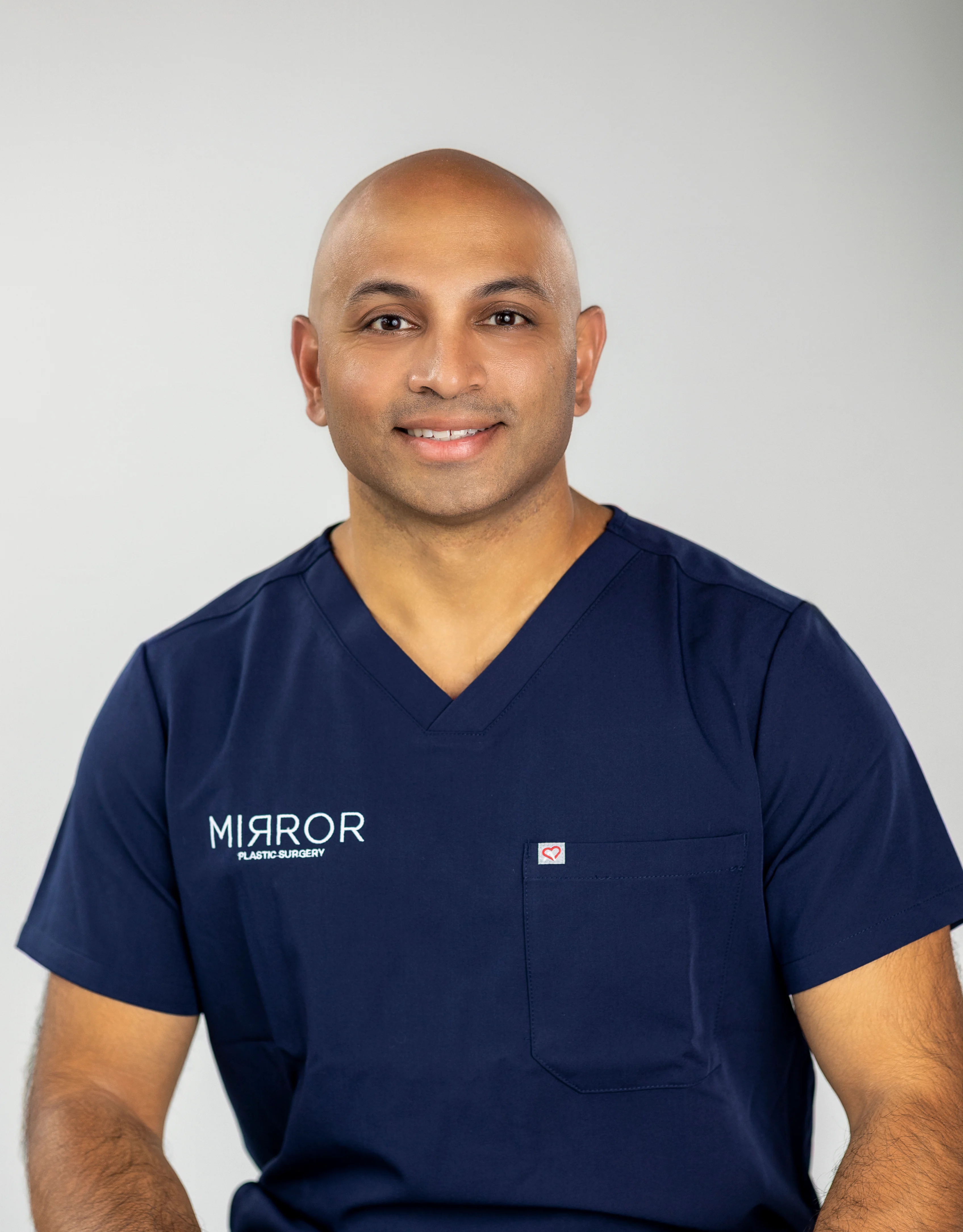
This physician-led approach pairs well with knowing which offers to avoid, so the next section focuses on red flags around “too good to be true” pricing.
Red Flags For Unsafe Injectable “Deals”
Extremely low prices can signal serious safety risks. The FDA and CDC have investigated counterfeit Botox injections that caused hospitalizations across multiple U.S. states. An April 2026 FDA warning letter identified online sellers offering unapproved botulinum toxin products, confirming that the counterfeit market remains active. Protect yourself by watching for these warning signs:
- Botox under $10 per unit or filler syringes under $450: Pricing this low may indicate diluted, counterfeit, or illegally imported products.
- Injections in homes, hotels, or “Botox parties”: These settings lack the safeguards of a proper clinical environment.
- Refusal to show product packaging: You have the right to inspect sealed packaging, lot numbers, and expiration dates before any injection.
- No credentialed medical director on site: A clinic without an accessible, credentialed physician fails basic safety standards.
- No hyaluronidase stocked: Any provider injecting hyaluronic acid fillers must keep the dissolving agent on hand for vascular emergencies.
- Rushed consultations with high-pressure sales: Aggressive package selling or pushy financing reflects a sales focus rather than patient care.
- Pre-filled syringes brought in already drawn: Product should be prepared in your presence from sealed, labeled packaging.
- Filtered or heavily edited before-and-after photos: Unretouched images of the injector’s own patients provide the only meaningful portfolio evidence.
Once you can spot these red flags, you can use your consultation to ask targeted questions and confirm that a practice truly prioritizes your safety.
Key Questions To Ask During Your Consultation
Focused questions help you evaluate any injectable provider in St. Petersburg. Consider asking:
- What are your credentials, and how many years have you been performing this specific treatment?
- Will you personally perform my injection, or will another provider?
- How do you determine the right number of units or syringes for my anatomy and goals?
- What is the total cost, including any consultation fees or touch-up policies?
- What is your protocol for complications, and do you stock hyaluronidase on site?
- Can I see unretouched before-and-after photos of patients with similar concerns?
- Which products do you carry, and how do you decide which brand to recommend for me?
These answers reveal far more about value than a simple per-unit price quote.
Budgeting For Maintenance: Planning Your Long-Term Investment
Injectables work best when you plan for ongoing maintenance rather than a single visit. Neuromodulators typically last 3–4 months, which means 3–4 treatments per year1. Hyaluronic acid fillers usually last 6–18 months depending on product and placement1. Sculptra and Radiesse often provide longer results and usually involve a series of sessions1.
Annual cost gives a clearer picture than per-visit pricing. A cheek filler syringe lasting 18–24 months averages under $50 per month1, which compares closely to a monthly facial. In contrast, a shorter-lasting filler that fades in about 8 months costs more per month even when the initial price looks lower. Longer-lasting products placed thoughtfully by a physician often deliver stronger value over time.
Mirror Plastic Surgery focuses on long-term relationships instead of one-off procedures. Dr. Akash advises you honestly about when treatments will help and when waiting serves you better.
Why Mirror Plastic Surgery Is St. Pete’s Transparent Choice
Mirror Plastic Surgery centers every decision on safety, clarity, and individualized care. The practice combines elite surgical training with a concierge-style experience so you understand your options, your plan, and your pricing before moving forward.
- Physician-Performed Injections: Dr. Akash personally performs every neuromodulator and filler treatment, without rotating injectors or surprise “junior staff” substitutions.
- Unmatched Credentials: Harvard-educated, Johns Hopkins-trained, fellowship in aesthetic surgery at Manhattan Eye Ear & Throat Hospital/Lenox Hill Hospital, and advisory board member for Merz Aesthetics and Tiger Aesthetics.
- Concierge Consultations: Up to an hour of dedicated time with a top-to-bottom assessment, rather than a brief sales-focused visit.
- Supplier-Neutral Recommendations: Mirror carries Botox, Dysport, Xeomin, Daxxify, Jeuveau, Juvederm, Restylane, RHA, Versa, Radiesse, and Evolysse, and recommendations are based on your anatomy and goals.
- Transparent Pricing: You receive a clear, personalized quote after your consultation with straightforward fees and no pressure to add unnecessary treatments.
Start your journey with a personalized consultation at Mirror Plastic Surgery, or contact the practice at 727-361-6515 or hello@mirrorplasticsurgery.com.
Frequently Asked Questions
How Much Does Botox Cost In St. Petersburg, FL?
Most St. Petersburg practices publish Botox pricing in the range of $12–$16 per unit, with some physician-led practices at the higher end to reflect advanced credentials and longer consultation time. The 40–60 unit range mentioned earlier for typical upper-face treatment provides a useful reference, yet your exact dosing depends on your anatomy and goals. A personalized consultation gives you a meaningful total cost estimate.
How Much Should Three Areas Of Botox Cost?
Treating the forehead, glabella (the “11s”), and crow’s feet is the most common three-area neuromodulator plan. Unit counts vary by individual because muscle strength, facial anatomy, and prior treatment history all influence dosing. A patient with strong frown muscles may need considerably more units than someone with lighter muscle activity. Instead of focusing on a flat price for “three areas,” ask how many units your provider anticipates for your face and what that translates to in total treatment cost.
Are Dermal Fillers Worth The Cost?
Dermal fillers often provide strong value when a skilled, experienced physician places them. Product longevity, precise placement, and natural-looking balance all influence that value. Longer-lasting products placed in the correct anatomical plane by a surgeon who understands facial structure tend to deliver better cost-per-month results than cheaper, shorter-lasting options placed by less experienced injectors. Careful placement also reduces the likelihood of needing corrective treatment, which saves both money and recovery time.
What Is The Difference Between Botox And Dysport Pricing?
Dysport usually appears cheaper per unit than Botox, yet per-unit price alone does not tell the full story. As noted earlier, Dysport requires more units than Botox because the two products use different unit scales. A lower per-unit price for Dysport does not automatically create a lower total session cost. When comparing quotes, ask for the expected total number of units and the full treatment price. Some patients prefer Dysport for its slightly faster onset or broader diffusion, while others prefer Botox’s more localized effect. The right choice depends on your anatomy and goals rather than the sticker price per unit.
Do You Offer Payment Plans?
Mirror Plastic Surgery provides transparent, personalized quotes after consultation. Contact the practice at 727-361-6515 or hello@mirrorplasticsurgery.com to discuss current payment options and any available financing. Each treatment plan, and its cost, is tailored to your anatomy, goals, and timeline.
Disclaimer: Results may vary from person to person. Editorial content, before and after images, and patient testimonials do not constitute a guarantee of specific results.
1 Results may vary from person to person. Editorial content, before and after images, and patient testimonials do not constitute a guarantee of specific results.


