
Written by: Dr. Akash Chandawarkar, Board Certified Plastic Surgeon, Mirror Plastic Surgery | Last updated: September 9, 2026
Key Takeaways
- A mental and physical wellness clinic integrates care for psychological and physiological health and focuses on whole-person, root-cause care.
- True wellness clinics provide lab testing, behavioral health support, nutritional counseling, and advanced therapies under active physician oversight.
- Physician-led care with strong diagnostics and personalized protocols supports safer, more effective treatment of complex, interconnected conditions.
- Key evaluation criteria include board-certified physician involvement, thorough consultations, lab testing before treatment, mental health integration, and clear communication about risks and evidence.
- Schedule a consultation to experience physician-led, whole-person wellness care tailored to your health goals.
Medspa Vs. Wellness Clinic: Key Differences
Medspas and wellness clinics can look similar from the outside, because both operate in medical-adjacent spaces and use wellness language. The real difference lies in purpose, depth of medical oversight, and the range of conditions each setting addresses.
The American Med Spa Association (AmSpa) defines a medical spa as a facility that blends an aesthetic medical center and a day spa, offering non-invasive cosmetic medical treatments under the oversight of a licensed physician. Its primary orientation is aesthetics. A mental and physical wellness clinic focuses on overall health, including root-cause diagnostics, behavioral health, and advanced therapies that address systemic conditions.
| Attribute | Medspa | Mental + Physical Wellness Clinic |
|---|---|---|
| Primary Focus | Aesthetics and cosmetic enhancement | Whole-person health and root-cause care |
| Medical Oversight | A physician may serve as medical director on paper, with variable on-site involvement | A board-certified physician actively oversees consultations, diagnostics, and protocols |
| Services | Injectables (Botox, fillers), laser treatments, body contouring, IV therapy | Comprehensive lab testing, behavioral health support, nutritional counseling, stress management, advanced therapies such as peptide therapy |
| Treatment Philosophy | Symptom-level cosmetic improvement | Long-term health improvement and disease prevention |
| Typical Staff | Aestheticians, nurse injectors, RNs, NPs, PAs, sometimes under remote physician supervision | Board-certified physicians, nurse practitioners, and licensed therapists working as a coordinated team |
The depth of medical oversight is the critical differentiator. A medspa may offer a wellness-branded service like an IV drip and delegate treatment performance to another qualified professional. In that setting, the physician who reviewed your chart may not design your protocol. A wellness clinic uses comprehensive lab testing and direct physician expertise to identify the imbalance driving your symptoms. The physician then builds a personalized protocol around those findings. In Florida, medical procedures require active physician supervision, which raises the bar for any practice that claims physician-led care.
Services To Look For In A True Mind-Body Clinic
Certain services signal a real commitment to integrating mental and physical health, rather than offering cosmetic treatments with wellness branding.
- Comprehensive Lab Testing: A credible clinic orders blood panels, such as thyroid, hormone, inflammation markers like hs-CRP, and metabolic markers, before recommending any protocol. Clinics that skip diagnostics and jump straight to treatment raise concern.
- Behavioral Health And Stress Management: Approximately 70% of patients with behavioral health disorders have a co-occurring medical condition. True integration treats mental and emotional wellbeing as inseparable from physical health.
- Nutritional Counseling: Nutrition counseling in primary care helps prevent and manage chronic diseases including type 2 diabetes, cardiovascular disease, and obesity. Dietary guidance addresses a core pillar of health.
- Advanced Therapies Such As Peptide Therapy: Peptides are short chains of amino acids that can be directed toward specific physiological systems. Under physician supervision, they offer targeted benefits. BPC-157 is being explored for systemic inflammation and tissue repair. Selank acts on anxiety pathways without the dependency risk of benzodiazepines. NAD+ supports cellular energy production and mitochondrial function. GLP-1 receptor agonist-based therapies work best when paired with lifestyle interventions including diet and exercise. This pattern shows that advanced therapies work best inside an integrated care framework.
The Role Of Medical Oversight And Lab Testing
A physician-led wellness clinic stands out through diagnostic rigor and accountability behind every recommendation. A weight management protocol for a patient with hypothyroidism looks very different from one for a patient with insulin resistance. Without lab data, a clinician guesses. With lab data, they practice medicine.
Doctor involvement is a key trust signal in wellness settings because patients need clarity on who is responsible for diagnosis, prescribing, and oversight, and vague or evasive answers about staff credentials are a red flag. Florida law requires that medical spas operate under the active supervision of a licensed physician who participates in patient care, creates individualized treatment protocols, and reviews patient charts. A physician’s name on a certificate does not meet that standard.
The risks of bypassing this oversight are concrete. A Guardian investigation found that several peptide clinics were making potentially unlawful health claims about unregulated, experimental therapies, with little scientific evidence to support such claims in humans. The primary risk of obtaining peptides without medical supervision is the absence of quality control, including no third-party batch testing, no screening for contraindications, and no medically informed dosing. These gaps are exactly what a physician-led practice addresses, which separates it from a spa offering wellness-branded services.
How To Choose A Wellness Clinic: Practical Checklist
Use the following criteria when you evaluate any clinic that claims to offer integrated mental and physical health care.
- Physician-Led Care: A board-certified physician (MD or DO) should actively participate in your consultation, diagnosis, and ongoing treatment plan. Confirm the named physician responsible for your care and verify their license. The phrase “doctor supervised” alone does not prove active involvement.
- Comprehensive Initial Consultation: The first visit should include a detailed review of your medical history, lifestyle, current medications, and goals. The conversation should cover symptoms, diagnoses, allergies, family history, mental health, habits, and existing medications, because each factor can influence treatment.
- Lab Testing And Personalized Protocols: A high-quality clinic orders and reviews diagnostic labs before recommending a treatment plan. Beware of clinics that propose a protocol before running any diagnostic tests. Your protocol should reflect your specific results rather than a generic package.
- Integration Of Mental Health: The clinic should explicitly consider your mental and emotional wellbeing as part of your physical health. When mental and physical health are treated separately, patients face higher risks of missed diagnoses and inadequate care.
- Transparent Communication: The team should clearly explain the evidence base, regulatory status, risks, and benefits of their treatments. For interventions like peptides, ask for written details on the exact product, indication, regulatory pathway, approval status, human evidence, and complication management.
- Ongoing Support And Follow-Up: A trustworthy clinic offers a plan for monitoring your progress and adjusting your protocol over time. Look for follow-up appointments or remote check-ins so outcomes are reviewed against your original goals.
Schedule a physician-led consultation to see how this approach works in practice.
Spotlight: Mirror Plastic Surgery’s Physician-Led Wellness Model
Mirror Plastic Surgery in St. Petersburg, Florida, offers a physician-led model that illustrates these principles in real life. The practice is known for surgical excellence, and its wellness division, led personally by Dr. Akash Chandawarkar, provides concierge peptide therapy grounded in the same diagnostic rigor and personalized attention.
Dr. Akash’s credentials shape this approach. He studied neuroscience and nuclear engineering at MIT. He then graduated with Honors from Harvard Medical School through the Harvard-MIT Division of Health Sciences and Technology. His clinical training included a seven-year integrated plastic and reconstructive surgery residency at Johns Hopkins University. This background gives him a deep understanding of physiology, metabolic health, and the body’s capacity for recovery. He also completed the Stanford University Biodesign Innovation Fellowship, a program that trains physician-innovators to identify unmet clinical needs and develop technological solutions. He is board-certified by the American Board of Plastic Surgery.
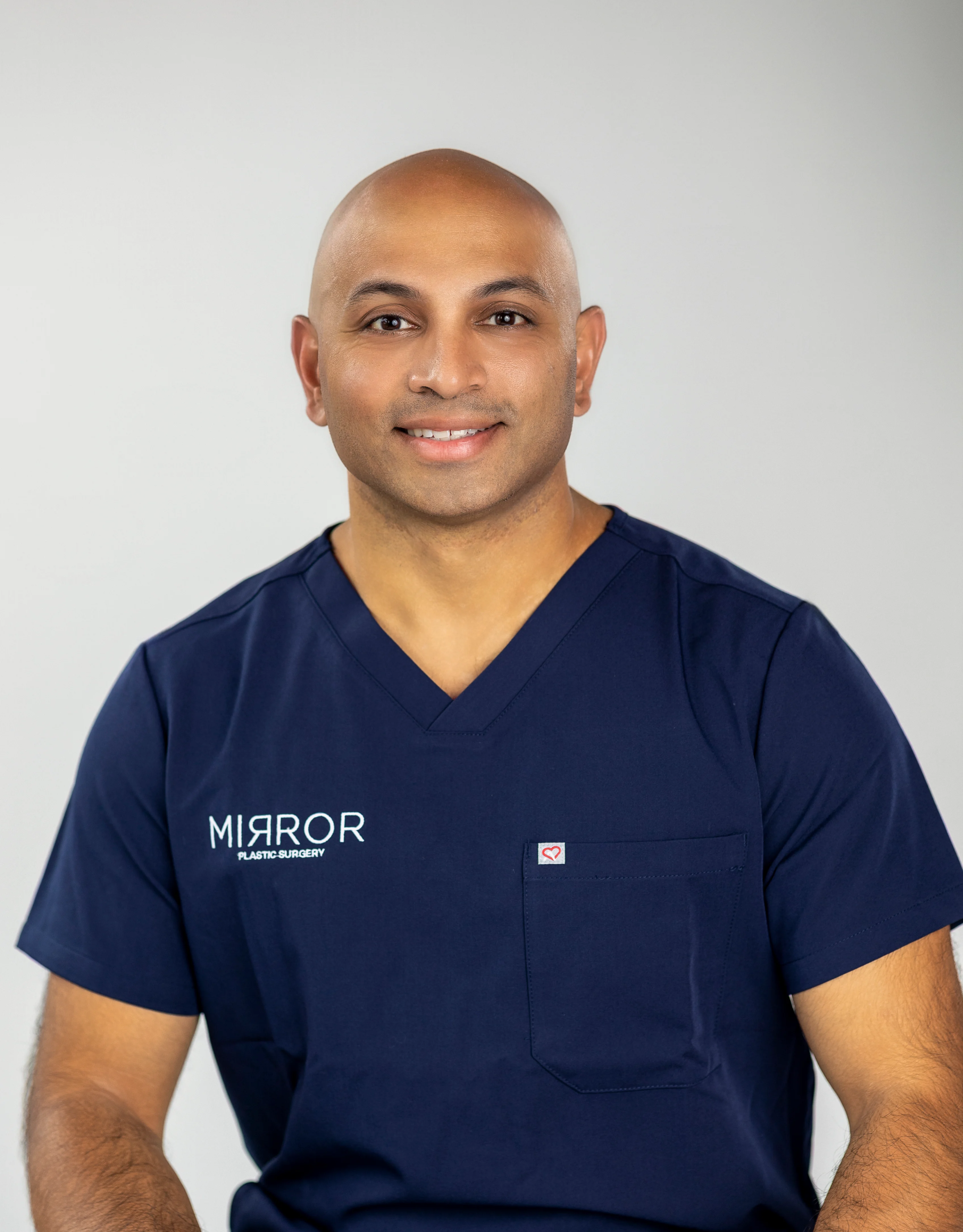
The process at Mirror Plastic Surgery reflects the checklist above. Peptide therapy consultations typically last 30 to 60 minutes and are led by Dr. Chandawarkar. He reviews medical history, current symptoms, lifestyle, and goals. For weight management or inflammatory conditions, he reviews or orders in-depth lab panels covering thyroid, liver, kidney, diabetes markers, and hormone levels before designing any protocol. The resulting peptide stack is custom-built around each patient’s physiology.
The mind-body integration appears in the specific therapies used. As described earlier, BPC-157 and Selank target inflammation and anxiety, and NAD+ supports cellular energy. GLP-3R, a newer-generation peptide similar to GLP-1, addresses insulin resistance, weight management, and cardiovascular risk factors with a reported reduction in gastrointestinal side effects compared with older formulations.1 These physician-supervised interventions focus on root causes rather than cosmetic outcomes.
Mirror Plastic Surgery sources peptides from reputable providers with rigorous batch testing, which distinguishes it from the unregulated online market. Dr. Akash provides 24/7 access via text message and offers scheduled telemedicine appointments. The entire process, from consultation through prescription and shipping, can occur in person in Tampa or remotely across the United States.
The practice operates as a physician-led clinic where the board-certified doctor who designs your protocol is also available when questions arise in real time.
Frequently Asked Questions About Peptide-Focused Wellness Care
Are Peptides FDA-Approved?
Many peptides are not FDA-regulated, although clinicians have used them in research settings for more than a decade. Some peptides, such as semaglutide (Wegovy) and tirzepatide (Mounjaro), are FDA-approved prescription medications. Others remain in earlier stages of clinical investigation. The main risk comes from obtaining peptides from unregulated sources without medical oversight. At Mirror Plastic Surgery, Dr. Akash conducts an in-depth consultation that may include lab panels, sources peptides from providers with known quality and batch testing, and provides medical supervision before, during, and after therapy. This framework supports safer and more effective peptide therapy.
What Are The Risks Of Buying Peptides Online?
The primary risk is the absence of quality control. Without third-party batch testing, you cannot verify the content, purity, or dosage of what you take. No medical oversight exists to screen for contraindications with existing conditions or medications, and no clinically informed dosing guidance is available. These gaps can lead to no therapeutic response or, in more serious cases, adverse health events. Mirror Plastic Surgery’s physician-supervised model addresses these risks through quality sourcing, comprehensive medical history review, and ongoing clinical support.
Can A Wellness Clinic Help With Both Weight Loss And Anxiety?
A true mind-body clinic looks for root causes that connect both concerns. Chronic inflammation, hormonal imbalances, and insulin resistance can contribute to weight gain and mood disorders at the same time. A physician can use lab testing to identify these links and design a protocol that addresses both. For example, Mirror Plastic Surgery may use GLP-3R to address insulin resistance and metabolic health while incorporating Selank for anxiety. This coordinated approach treats the whole person.
What Happens If I Stop Peptide Therapy?
Benefits usually diminish over time, similar to stopping any consistent health regimen.1 If an inflammatory or hormonal condition managed by peptides is no longer addressed, it often returns to its previous state.1 Many chronic conditions require a maintenance protocol to sustain results.1 Dr. Akash discusses long-term planning during the initial consultation so patients understand the commitment before beginning therapy.
Does Mirror Plastic Surgery Accept Insurance For Peptide Therapy?
Mirror Plastic Surgery’s peptide therapy program functions as a concierge service, which typically operates outside of insurance reimbursement. This structure allows the practice to provide highly personalized care without constraints on consultation length, protocol design, or treatment selection. The focus remains on the patient’s physiology and goals rather than on payer rules. For specific questions about insurance and payment options, contact the practice directly.
Invest In Your Whole Health
Choosing a clinic that treats the mind and body as one system reflects how health actually works. More than 30% of adults with a physical condition also have a behavioral health disorder, and 44% of patients with behavioral health conditions report four or more physical health comorbidities. Fragmented care produces incomplete outcomes.
Medspas serve a clear role for aesthetic goals. For deeper health work, such as addressing chronic inflammation, weight dysregulation, anxiety, low energy, and accelerated aging, patients benefit from physician leadership, diagnostic rigor, and a long-term partnership. From inflammation and autoimmune conditions to weight management and anti-aging, Mirror Plastic Surgery offers advanced peptide therapies for a wide range of health and wellness concerns. Book your appointment with Ellie today to explore how tailored peptide protocols can support your goals.
1 Results may vary from person to person. Editorial content, before and after images, and patient testimonials do not constitute a guarantee of specific results.
Peptide therapy is intended for wellness and optimization purposes and is not prescribed to diagnose, treat, cure, or prevent disease unless specifically stated. Many peptides are not FDA-approved and may be used off-label. Some have limited long-term safety data, with a potential for unknown risks, complications, or desensitization with prolonged use.