

Written by: Dr. Akash Chandawarkar, Board Certified Plastic Surgeon, Mirror Plastic Surgery | Last updated: September 9, 2026
Key Takeaways
- Holistic health clinics focus on root-cause, whole-person care, while medspas prioritize cosmetic enhancement and aesthetic procedures.
- Physician-led (MD/DO) oversight with comprehensive lab testing and personalized protocols supports safe, effective holistic care.
- Services such as functional medicine, advanced hormone testing, nutritional counseling, and medically supervised peptide therapy target underlying imbalances.
- Insurance coverage varies by provider and service; many holistic services are out-of-pocket, though HSA/FSA funds often apply to visits and qualifying labs.
What A Holistic Health Clinic Provides
Holistic healthcare, also called integrative medicine, is a whole-person approach that addresses physical, mental, emotional, spiritual, and social health dimensions simultaneously. It emphasizes prevention and root-cause treatment instead of managing symptoms in isolation. The core philosophy combines evidence-based conventional treatments with complementary therapies and lifestyle interventions.
Holistic clinics may integrate functional medicine, integrative medicine, and naturopathic principles under one roof. A 2026 survey study published in Cureus defines holistic healthcare as treating the full person and addressing physical, emotional, social, cultural, and spiritual needs. The provider-patient relationship rests on respect, openness, and mutuality.
Holistic care works alongside evidence-based conventional treatment. Holistic support pairs well with medical care and performs poorly when used as a substitute. Holistic describes the scope of care, while alternative describes how a therapy relates to conventional treatment.
Holistic Health Clinic And Medspa: How They Differ
A holistic clinic and a medspa serve different goals. A holistic clinic prioritizes whole-person wellness and root-cause resolution, while a medspa centers on cosmetic outcomes. The table below summarizes the primary differences.
| Dimension | Holistic Health Clinic | Medspa |
|---|---|---|
| Philosophy | Whole-person, root-cause care | Cosmetic enhancement |
| Primary Focus | Chronic condition management, prevention, vitality | Aesthetics, skin rejuvenation, injectables |
| Typical Services | Functional medicine, advanced lab testing, peptide therapy, nutrition counseling | Botox, fillers, laser treatments, body contouring |
| Provider Qualifications | Physician-led (MD/DO) with integrative training | Variable; often non-physician providers under a medical director |
Several distinctions clarify the comparison further.
- Root cause vs. symptoms: Holistic clinics investigate underlying imbalances, while medspas focus on surface concerns.
- Provider qualifications: Holistic clinics are typically physician-led. Medspas may rely on aestheticians, nurses, or nurse practitioners under a supervising medical director.
- Treatment approach: Holistic care integrates conventional and complementary therapies. Medspas focus on procedures.
- Outcome orientation: Holistic clinics aim for long-term wellness. Medspas deliver short-term aesthetic results.
- Patient relationship: Holistic clinics offer extended consultations and ongoing support. Medspa visits are often procedure-driven.
- Cost and insurance: Some holistic services may receive partial insurance coverage. Medspa treatments are typically out-of-pocket.
Core Services At Holistic Wellness Clinics
Holistic wellness clinics address root causes of health concerns through a range of evidence-informed services. Holistic wellness center services span treatments designed to care for your whole self. Common offerings include:
- Functional medicine consultations: Comprehensive 60–90 minute intakes review medical history, lifestyle, diet, sleep, and stress. The provider uses this information to build a personalized care plan.
- Advanced laboratory testing: Hormone panels, thyroid markers, inflammatory markers, metabolic panels, and gut health assessments help identify underlying imbalances rather than simply confirming a diagnosis.
- Nutritional counseling and lifestyle coaching: Targeted dietary and behavioral interventions support long-term change. The Diabetes Prevention Program reduced progression to type 2 diabetes by 58 percent through an intensive lifestyle intervention1, outperforming metformin alone.
- Stress management and mind-body therapies: Structured mindfulness programs show small average improvements for anxiety, depression, and pain across systematic reviews1. The American College of Physicians recommends mindfulness for chronic low back pain.
- Hormone support: Evidence-based protocols help restore hormonal balance and address fatigue, weight gain, brain fog, and mood instability.
- Advanced therapies such as peptide therapy: Medically supervised peptide protocols support inflammation, autoimmune conditions, weight management, post-surgical recovery, and healthy aging. Each protocol is tailored to individual lab results and physiology.
For those seeking medically supervised peptide therapy, Mirror Plastic Surgery offers protocols tailored to your labs and health history. Schedule a peptide-focused consultation to review options that match your goals.
Who Provides Holistic Care And Why Credentials Matter
MDs (Doctor of Medicine) diagnose and treat conditions using conventional medical tools, while DOs (Doctor of Osteopathic Medicine) use the same techniques and also emphasize holistic health and prevention. Both can prescribe medications and order comprehensive laboratory testing.
Naturopathic doctors (NDs) complete a four-year graduate-level naturopathic medical program and, in licensed states, can order lab work, perform physical exams, and in some jurisdictions prescribe certain pharmaceuticals. Functional medicine is a systems-biology framework rather than a standalone profession. Practitioners are typically MDs, DOs, NDs, or nurse practitioners who complete additional certification through organizations such as the Institute for Functional Medicine (IFM).
“Holistic doctor” is not a regulated title in most states. Anyone from a licensed physician to an unlicensed wellness practitioner may use it. Verifying the underlying medical credential protects your safety.
At Mirror Plastic Surgery, Dr. Akash Chandawarkar, MD, leads peptide therapy and non-surgical wellness. He is a board-certified plastic surgeon educated at MIT and Harvard Medical School, with a seven-year integrated residency at Johns Hopkins and a Stanford Biodesign Innovation Fellowship. Every protocol is designed around your labs and physiology and remains medically supervised throughout.
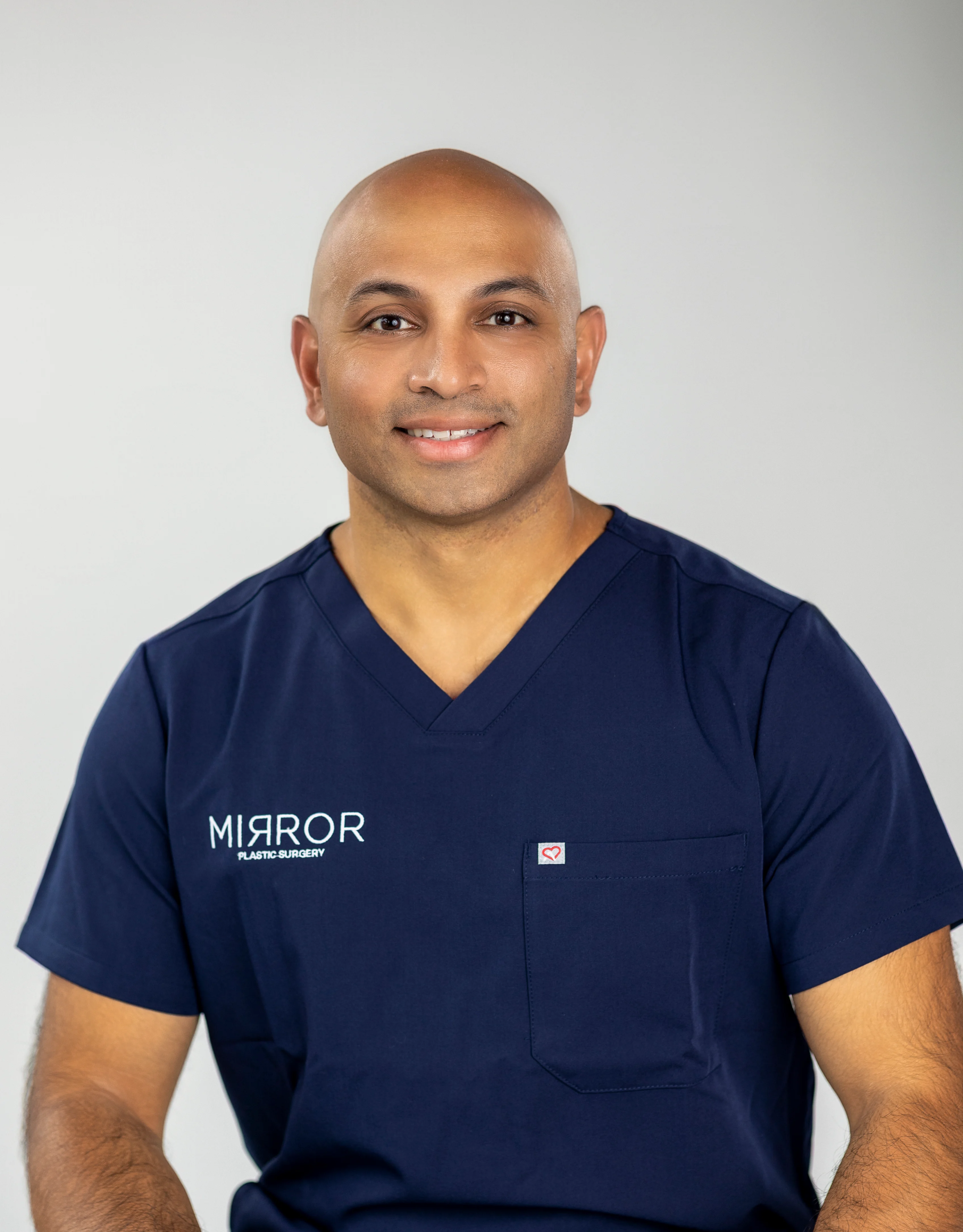
Request a physician-led wellness evaluation to work directly with Dr. Akash on a root-cause plan.
Insurance And Payment For Holistic Care
Coverage for holistic care depends on the practitioner’s credential and the specific service. The holistic label alone does not determine benefits. Coverage for alternative or complementary therapies is not a standard, universal feature of employer-sponsored health benefits in the United States.
Chiropractic care and acupuncture are covered by Medicare under specific conditions, and HSAs/FSAs allow tax-advantaged payment for acupuncture, chiropractic, and some licensed therapy services. Since January 1, 2020, Medicare Part B has covered acupuncture for chronic low back pain, limited to up to 12 sessions in 90 days.
Functional medicine consultations and peptide therapy usually fall outside standard coverage. Standard blood work ordered by a functional medicine practitioner can sometimes be billed through regular insurance if written with standard diagnostic codes. HSA and FSA funds generally cover lab tests and practitioner visits but not supplements purchased for general wellness.
When evaluating a clinic, ask about insurance applicability, HSA/FSA eligibility, and payment options before you commit to a program.
How To Choose A Holistic Health Clinic
A clear checklist helps you separate genuine holistic care from aesthetic marketing that uses holistic language. Assess each clinic against these criteria:
- Provider credentials: A board-certified physician (MD or DO) should lead care rather than serve only as a distant medical director.
- Treatment philosophy: The clinic should emphasize root-cause investigation over symptom-only management.
- Depth of assessment: Comprehensive labs and a thorough medical history review should be standard practice, not optional add-ons.
- Personalization: Protocols should match your physiology, lab results, and goals instead of following a one-size-fits-all menu.
- Medical supervision: Ongoing physician oversight matters, especially for advanced therapies like peptides.
- Ongoing support: The provider should remain accessible between visits for questions, adjustments, and follow-up.
A strong holistic practice maintains clear goals, measurable outcomes, and accountable clinical leadership. Medical oversight is essential for therapies like peptides, where dosing, sourcing quality, and individual physiology all affect safety and efficacy.
Mirror Plastic Surgery aligns with these criteria through concierge-level care, in-depth consultations with comprehensive lab analysis, personalized protocols, and direct access to Dr. Akash via text or telemedicine for patients in St. Petersburg, Tampa, and across the United States.
Peptide Therapy As Part Of Holistic Care
Peptide therapy illustrates the root-cause philosophy of holistic care. Peptides are amino acid sequences that signal specific biological processes. They can reduce systemic inflammation, support tissue repair, stimulate natural hormone production, and support cellular energy.1 These actions target underlying physiological imbalances instead of masking symptoms.
Mirror Plastic Surgery offers a range of medically supervised peptide protocols. These include BPC-157 and TB500 for inflammation and tissue repair, GHK-Cu for collagen production, NAD for cellular energy, GLP-3R for metabolic health, and Selank for anxiety management.1 Each protocol is built from your lab results and health history.
Common medical spa treatments include botulinum toxin, dermal fillers, laser hair removal, CoolSculpting, microneedling, and chemical peels. These procedures address surface appearance and do not investigate hormonal, metabolic, or inflammatory drivers. Physician-supervised peptide therapy belongs to a different category of care.
Quality sourcing also matters. Mirror Plastic Surgery uses reputable peptide providers with rigorous batch testing to support purity and accurate dosage, which helps protect patients in a market where many online products lack regulation.
As noted earlier, Mirror Plastic Surgery’s peptide protocols are tailored to your labs and health history. Explore personalized peptide options with a dedicated visit.
Frequently Asked Questions
What Is The Difference Between A Holistic Doctor And A Naturopathic Doctor?
“Holistic doctor” describes a philosophy of care that treats the whole person across physical, mental, emotional, and lifestyle dimensions. It is not a protected or regulated title in most U.S. states, so any provider may use it. A naturopathic doctor (ND) holds a specific credential earned through a four-year accredited graduate program in naturopathic medicine, followed by national board examinations (NPLEX) and state licensure where applicable. MDs and DOs can also practice holistically with additional integrative or functional medicine training and often bring broader prescribing authority and diagnostic capabilities than NDs. When you evaluate any provider who uses the word “holistic,” verify the underlying medical license.
Can A Holistic Doctor Be My Primary Care Physician?
Providers with an MD or DO license can serve as your primary care physician and deliver the full scope of conventional medical care alongside holistic therapies. Naturopathic doctors can serve as primary care providers in states where they hold licensure and receive the scope of practice, which currently includes roughly half of U.S. states. In unlicensed states, NDs may practice with a more limited scope. If you consider a holistic provider as your primary care physician, confirm their license type, state licensure status, and whether they can order standard diagnostic tests, prescribe medications when necessary, and coordinate with specialists.
Are Holistic Therapies Evidence-Based?
The evidence base varies significantly by modality. Acupuncture has strong support. An individual patient data meta-analysis of 39 randomized controlled trials involving nearly 21,000 patients found acupuncture superior to both sham acupuncture and no-acupuncture controls for chronic musculoskeletal pain, osteoarthritis, chronic headache, and shoulder pain, with effects persisting at one year.1 Mindfulness-based stress reduction has demonstrated effectiveness comparable to cognitive behavioral therapy for chronic low back pain in a randomized controlled trial published in JAMA.1 The National Center for Complementary and Integrative Health notes that complementary approaches such as acupuncture, mindfulness meditation, yoga, and spinal manipulation may help manage some painful conditions, though effectiveness varies by condition.1 Other modalities, such as homeopathy, applied kinesiology, and energy healing, have limited or no support in peer-reviewed literature. A reputable holistic clinic will be transparent about the evidence level for each therapy it recommends.
How Much Does A Holistic Health Consultation Cost?
Costs vary by provider type and service depth. Initial functional medicine consultations typically range from $250 to $500, with some physicians in major metropolitan areas charging more. Follow-up visits generally cost less per session. Specialized laboratory testing, including hormone panels, comprehensive metabolic panels, and inflammatory markers, often carries an additional fee and rarely receives full coverage from standard insurance, though standard blood work ordered with conventional diagnostic codes may qualify for partial coverage. Many holistic clinics offer package or membership pricing that bundles visits, labs, and follow-up support. HSA and FSA funds can generally be applied to practitioner visits and qualifying lab tests. At Mirror Plastic Surgery, every patient receives a personalized consultation with Dr. Akash, and the team discusses any associated costs transparently during that visit based on your health profile and goals.
Choosing Root-Cause Wellness Over Aesthetic Quick Fixes
The distinction between a holistic health clinic and a medspa is clinical rather than cosmetic. Holistic clinics focus on root-cause, whole-person care and use comprehensive assessment, advanced testing, and personalized protocols to address underlying drivers of chronic conditions. Medspas focus on aesthetic outcomes and deliver procedures that improve appearance without exploring deeper physiological imbalances.
Choosing a physician-led holistic clinic means working with a provider who listens, orders appropriate labs, builds a protocol around your unique biology, and remains accountable for your outcomes over time.1 That level of care depends on medical oversight, clinical depth, and a philosophy that prioritizes long-term wellness above short-term results.
If you are seeking a holistic health clinic that prioritizes your overall wellness and not only aesthetics, Mirror Plastic Surgery offers concierge, physician-led care in St. Petersburg, FL, with remote access available across the United States. Schedule your root-cause wellness consultation and begin a more comprehensive approach to your health.
1 Results may vary from person to person. Editorial content, before and after images, and patient testimonials do not constitute a guarantee of specific results.
Peptide therapy is intended for wellness and optimization purposes and is not prescribed to diagnose, treat, cure, or prevent disease unless specifically stated. Many peptides are not FDA-approved and may be used off-label. Some have limited long-term safety data, with a potential for unknown risks, complications, or desensitization with prolonged use.


