
Written by: Dr. Akash Chandawarkar, Board Certified Plastic Surgeon, Mirror Plastic Surgery | Last updated: September 9, 2026
Key Takeaways
- Anti-aging peptides are short signaling molecules that can support collagen production, tissue repair, hormone balance, and cellular energy when used under medical supervision.
- Concierge peptide therapy at Mirror Plastic Surgery includes comprehensive lab testing, personalized protocol design, and ongoing oversight from a board-certified physician.
- Common peptides at Mirror Plastic Surgery include GHK-Cu for skin rejuvenation, BPC-157 and TB-500 for repair, Sermorelin/Ipamorelin for growth-hormone support, NAD+ for cellular energy, and GLP-3R for metabolic health.
- Physician supervision reduces risks such as contamination, incorrect dosing, and contraindications that are more common with unregulated online peptide products.
- Results vary by individual and require consistency over time; to explore a safe, personalized peptide protocol, schedule a consultation at Mirror Plastic Surgery.1
How Anti-Aging Peptides Support Repair And Regeneration
Peptides are short chains of amino acids that act as signaling molecules and direct cells to perform specific biological functions. Different peptides target different pathways and tissues. GHK-Cu (copper peptide) stimulates collagen and elastin production through fibroblast signaling and matrix remodeling, which supports skin, hair, and nail health. BPC-157 and TB-500 support tissue repair and soft-tissue inflammation, while growth hormone-releasing peptides like Sermorelin and Ipamorelin influence hormone signaling and body composition. NAD+ acts on cellular mitochondria to support energy production and cellular resilience.
These molecules occur naturally in the body and many decline with age. Plasma concentrations of GHK-Cu in young adults average about 200 ng/mL and fall to roughly 80 ng/mL by age 60, which researchers associate with reduced tissue repair capacity, although controlled trials have not confirmed causation. Growth hormone secretion decreases about 14% per decade after age 30. Therapeutic peptides aim to restore or amplify specific biological signals. The science is promising, research is ongoing, and outcomes differ between individuals.
Concierge Peptide Therapy At Mirror Plastic Surgery
Concierge anti-aging peptide therapy is a personalized, physician-supervised treatment model that centers on your labs, health history, and goals. A doctor designs a peptide protocol based on objective data and provides ongoing support while using high-quality, batch-tested peptides from reputable compounding pharmacies. This approach treats peptide therapy as a medical intervention rather than a cosmetic add-on.
Med spas may rely on generic protocols without individualized lab analysis. Many online retailers sell “research peptides” with no medical oversight, no quality guarantees, and no screening for contraindications. FDA testing has found that up to 40% of online peptide products contained incorrect dosages or undeclared ingredients, which highlights the importance of sourcing and supervision.
The concierge model at Mirror Plastic Surgery rests on three pillars. The first is comprehensive evaluation, including lab testing. The second is personalized protocol design. The third is ongoing physician support. Mirror Plastic Surgery follows this model under the direct leadership of Dr. Akash Chandawarkar to make peptide therapy safer and more effective than unsupervised options.
Book an appointment with Ellie to begin your personalized peptide evaluation at Mirror Plastic Surgery in St. Petersburg.
Common Anti-Aging Peptides Used At Mirror Plastic Surgery
Mirror Plastic Surgery offers a range of peptides that can be combined into personalized “stacks” based on your goals and lab results. The following peptides are among the most frequently used in anti-aging protocols at the practice:
- GHK-Cu (Copper Peptide): Stimulates Type I, Type III, and Type IV collagen and elastin production through TGF-β1 signaling, which supports skin, hair, and nail health. Many refer to GHK-Cu as an “anti-aging peptide” because of its role in dermal regeneration. Mirror Plastic Surgery frequently combines GHK-Cu with BPC-157 and TB-500 in the Glow Stack.
- BPC-157 (Body Protective Compound): Supports systemic inflammation control and repair of muscle, tendon, ligament, and joint tissue. BPC-157 follows a bell-shaped dose-response curve, so effects may plateau or reverse above optimal doses. This pattern makes physician-supervised dosing especially important.
- TB-500 (Thymosin Beta-4): Supports soft tissue repair and wound healing by promoting cell migration and angiogenesis. Laboratory and animal studies show strong results, while clinical evidence in humans remains limited.
- Sermorelin / Ipamorelin: Growth hormone-releasing peptides that stimulate the body’s natural growth hormone production. A 2018 dermatology study reported an average 7.4% increase in dermal thickness and improved elasticity after six months of sermorelin use, with visible effects in facial skin, forearms, and abdomen.1 Sermorelin and ipamorelin are often combined to create a coordinated growth hormone pulse.
- NAD+ (Nicotinamide Adenine Dinucleotide): Acts on cellular mitochondria to support energy production and a more youthful cellular profile. Patients at Mirror Plastic Surgery often report increased energy and improved vitality with NAD+ protocols.1
- GLP-3R Compounding: A newer-generation peptide similar to GLP-1 that is reported to have fewer gastrointestinal side effects than older GLP formulations. It has broader indications that include insulin resistance, weight management, and cardiovascular risk factors. A 2026 gerontology review in Frontiers in Aging identified GLP-class peptides as one of the most mechanistically diverse approaches to multiple aging hallmarks.
Step-By-Step Concierge Peptide Process
Mirror Plastic Surgery follows a structured, physician-led process for peptide therapy that focuses on safety and outcomes.
- Initial Consultation (30–60 Minutes): You meet with Dr. Chandawarkar for an in-depth discussion of medical history, current concerns, medications, and wellness goals. This visit functions as a detailed clinical conversation rather than a brief intake.
- Lab Analysis: Comprehensive blood work, including thyroid, liver, kidney, hormone panels, and metabolic markers, helps identify root causes and guides protocol design. If you do not have recent labs, the practice orders them before treatment begins.
- Custom Protocol Design: The team creates a personalized peptide stack based on your consultation and labs. Mirror Plastic Surgery offers options such as the Glow Stack (GHK-Cu, BPC-157, TB-500) for skin and inflammation, Sermorelin/Ipamorelin for growth hormone support, NAD+ for cellular energy, and GLP-3R for metabolic health.
- Quality Sourcing: Peptides come from reputable suppliers that provide rigorous batch testing to confirm purity and accurate dosing. Licensed compounding pharmacies that operate under USP standards apply quality controls that research-grade products do not follow. This distinction matters in a largely unregulated online market.
- Ongoing Concierge Support: You receive direct access to Dr. Chandawarkar through text or telemedicine for questions, adjustments, and refills. The team provides detailed instructions for reconstitution and self-administration, often with video demonstrations. The entire process, from consultation to prescription and shipping, can occur in person in St. Petersburg or remotely across the United States.
Safety, Risks, And The Role Of Medical Supervision
The online peptide market carries real risks that informed patients should understand before starting therapy. Unregulated peptides can involve unknown contamination, incorrect dosing, lack of sterility, and unpredictable long-term effects, and the FDA has repeatedly warned about compounded peptide products that lack sufficient safety evidence. In 2025, two attendees at a Las Vegas longevity festival were hospitalized and required ventilation after taking unregulated peptide injections, which illustrates the potential consequences of unsupervised use.
No peptide currently has FDA approval specifically for anti-aging use, and the FDA does not recognize “anti-aging” as an indication. Most anti-aging peptides are compounded and prescribed off-label. In July 2026, the FDA’s Pharmacy Compounding Advisory Committee recommended considering six peptide groups, including BPC-157, KPV, TB-500, MOTS-c, epitalon, and semax, for the Section 503A Bulks List. This step would permit compounding under prescription once rulemaking is complete and reflects an evolving regulatory landscape that physician-supervised practices monitor closely.
Physician supervision helps manage the main risks of peptide therapy through several safeguards.
- Lab Testing: Baseline labs identify contraindications, including cancer history, uncontrolled diabetes, and kidney or liver disease, before treatment begins. Growth hormone-releasing peptides can affect insulin sensitivity over time, so providers monitor fasting glucose and IGF-1 levels.
- Quality Sourcing: The practice uses licensed compounding pharmacies with batch testing and certificates of analysis instead of gray-market online suppliers.
- Medical Oversight: Side effects such as injection-site reactions, water retention, nausea, or headaches are monitored and protocols adjusted when needed. Patients who use peptides without a provider have no clear escalation path if something goes wrong, which is the core safety argument for clinician-guided access.
- Contraindication Screening: Peptide therapy should be avoided by people who are pregnant, breastfeeding, have active cancer, severe kidney disease, uncontrolled liver disease, pancreatitis history, or untreated thyroid disease. A physician evaluation identifies these conditions before any protocol begins.
Book an appointment with Ellie so that Dr. Chandawarkar can review your labs and health history and design a protocol tailored to your physiology.
Results, Timelines, And Maintenance Planning
Peptides can support meaningful changes, yet they do not function as instant solutions. Some patients notice improvements within the first weeks, such as better sleep, reduced inflammation, or improved energy.1 Others see changes over two to three months, including shifts in skin quality or body composition. Outcomes depend on the specific peptide, your physiology, consistency of use, diet, and lifestyle.1 The 2026 Frontiers in Aging review by Mavrych et al. highlighted knowledge gaps in peptide therapeutics, including optimal dosing and biomarkers for monitoring efficacy, which supports the need for honest, evidence-based expectations.
Benefits often fade when treatment stops, similar to pausing an exercise program.1 Many patients benefit from maintenance protocols that sustain results after an initial treatment phase.1 Mirror Plastic Surgery determines protocol structure and duration after consultation, based on your specific peptides, goals, and lab findings.
How To Evaluate A Peptide Therapy Provider
Provider choice strongly influences safety and outcomes with peptide therapy. Mirror Plastic Surgery advises patients to avoid unregulated online sources and to prioritize medical supervision, quality sourcing, and personalized care. A thorough provider evaluation can use the following criteria:
- Board-Certified Physician Leadership: A physician should design and supervise the protocol rather than a non-clinical wellness coordinator.
- Comprehensive Lab Testing: Baseline labs should be required before treatment begins.
- Quality Sourcing: Peptides should come from licensed compounding pharmacies with batch testing and certificates of analysis.
- Personalized Protocols: Protocols should be customized to your labs and goals instead of using a one-size-fits-all template.
- Ongoing Support: You should have direct access to your provider between appointments for questions and adjustments.
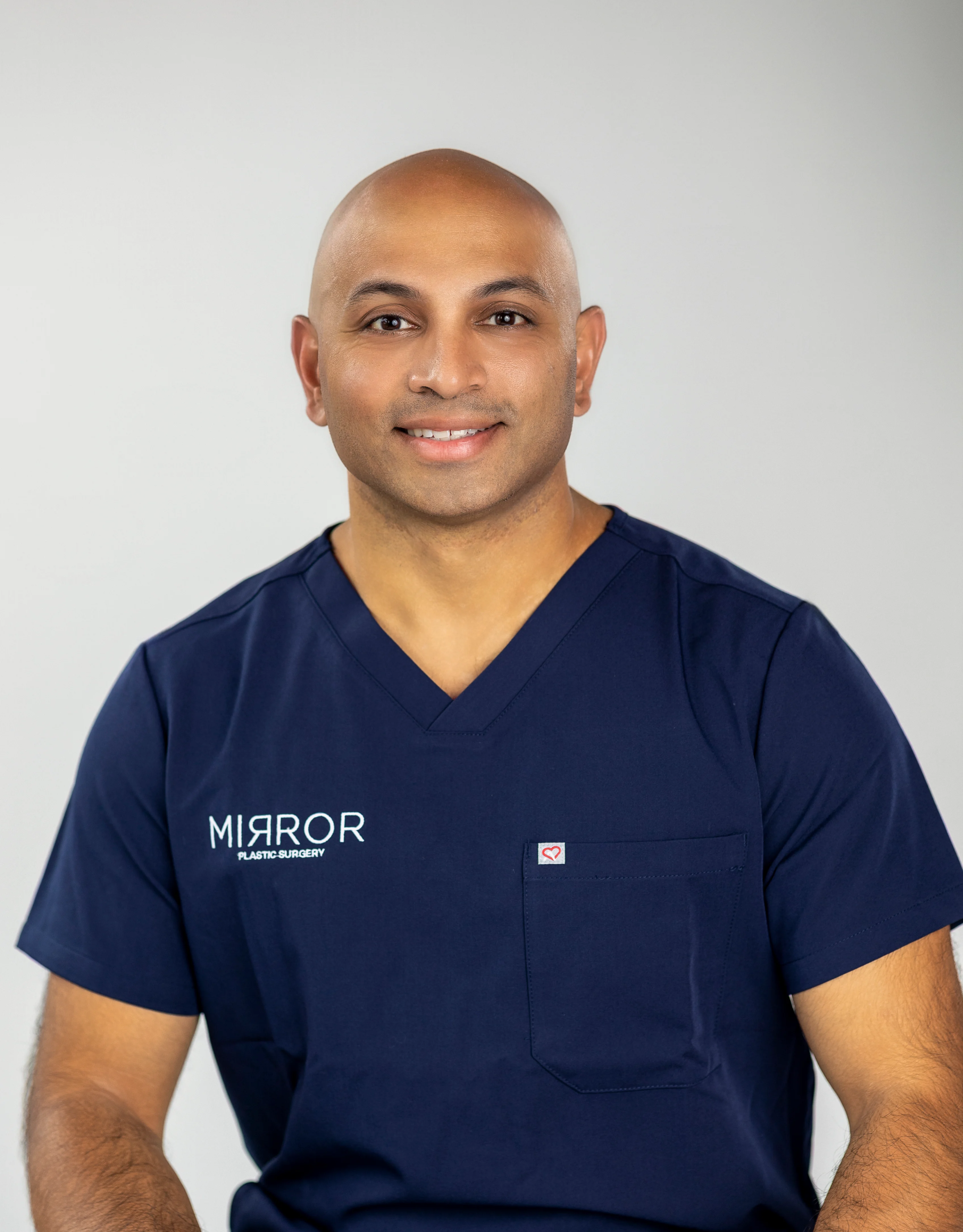
Mirror Plastic Surgery, led by Dr. Akash Chandawarkar, meets each of these standards. Dr. Chandawarkar is board-certified by the American Board of Plastic Surgery, graduated with Honors from Harvard Medical School through the Harvard-MIT Division of Health Sciences and Technology, and completed a seven-year integrated plastic and reconstructive surgery residency at Johns Hopkins. He also holds fellowship training in aesthetic surgery at the Manhattan Eye Ear & Throat Hospital/Lenox Hill Hospital and completed a Stanford University Biodesign Fellowship focused on medical innovation. He personally leads all peptide therapies at Mirror Plastic Surgery, designs every protocol around each client’s labs and physiology, and provides ongoing medical supervision.
Book an appointment with Ellie to experience physician-led concierge peptide therapy at Mirror Plastic Surgery in St. Petersburg, FL.
Frequently Asked Questions
Are Anti-Aging Peptides FDA-Approved?
No peptide currently has FDA approval specifically for anti-aging use, and the FDA does not recognize “anti-aging” as an indication. Some peptides, such as semaglutide and tirzepatide, hold FDA approval for type 2 diabetes and weight management, and tesamorelin is approved for HIV-associated lipodystrophy. Most anti-aging peptides, including GHK-Cu, BPC-157, Sermorelin, and Ipamorelin, are compounded and prescribed off-label through licensed 503A compounding pharmacies with a physician’s prescription. In July 2026, the FDA’s Pharmacy Compounding Advisory Committee issued non-binding recommendations to add several peptides, including BPC-157, TB-500, and GHK-Cu, to the 503A Bulks List, although formal rulemaking is still pending. This regulatory step differs from FDA drug approval and reinforces the need for medical supervision, quality sourcing, and individualized protocols.
What Are The Risks Of Using Peptides Without Medical Supervision?
Unsupervised peptide use carries risks related to sourcing quality, incorrect dosing, and lack of contraindication screening. Online “research peptide” products do not follow pharmaceutical purity standards, and impurities, sterility failures, and inaccurate concentrations can cause adverse events independent of the peptide itself. FDA testing has found that up to 40% of online peptide products contained incorrect dosages or undeclared ingredients. Growth-related peptides are inappropriate for people with active cancer or a recent cancer history. Growth hormone secretagogues can affect insulin sensitivity and require glucose monitoring. Certain peptides also interact with diabetes medications, blood pressure drugs, thyroid medications, and steroids. Without a physician, patients have no structured escalation path if complications arise. At Mirror Plastic Surgery, every protocol begins with a comprehensive medical history review and lab panel, and Dr. Chandawarkar remains directly accessible throughout treatment.
Which Peptides Are Most Commonly Used For Anti-Aging?
Mirror Plastic Surgery most often uses GHK-Cu for collagen and elastin production and skin rejuvenation, BPC-157 for systemic inflammation and tissue repair, and TB-500 for soft tissue healing. Sermorelin and Ipamorelin support growth hormone production, muscle retention, and sleep quality. NAD+ supports cellular energy and mitochondrial health. Newer compounds like GLP-3R are gaining attention for metabolic health and weight management with a reported reduction in gastrointestinal side effects compared to older GLP formulations. Protocols are built around each patient’s lab results, health history, and goals. Some patients benefit from a single peptide, while others respond better to a personalized stack such as the Glow Stack (GHK-Cu, BPC-157, TB-500), which targets inflammation, skin quality, and tissue repair at the same time.
Will I Lose The Benefits If I Stop Taking Peptides?
Most patients experience a gradual reduction in benefits after stopping peptide therapy, similar to pausing an exercise or nutrition program.1 Inflammation that improved during a protocol often returns to its prior level once treatment ends. Gains in sleep quality or body composition from growth hormone support also tend to recede over time. Many patients choose a maintenance protocol after an initial treatment phase to preserve results. The goal at Mirror Plastic Surgery is a sustainable, medically supervised plan that supports long-term improvements in health markers and quality of life. Dr. Chandawarkar includes maintenance planning as part of every protocol design.
Will Everyone See The Same Results From Peptide Therapy?
Results from peptide therapy vary significantly between individuals.1 Genetics, diet, lifestyle, baseline hormone levels, and the specific protocol all influence outcomes. A protocol that produces visible improvements in skin quality or energy for one patient may create more modest changes for another.1 This variability makes personalized care, grounded in comprehensive labs and medical history, more effective than generic protocols. At Mirror Plastic Surgery, no two protocols are identical. Dr. Chandawarkar designs each stack around the individual’s physiology and goals and adjusts protocols over time based on lab results and patient feedback. Realistic expectations, clear communication, and ongoing monitoring guide every patient relationship at the practice.
1 Results may vary from person to person. Editorial content, before and after images, and patient testimonials do not constitute a guarantee of specific results.
Peptide therapy is intended for wellness and optimization purposes and is not prescribed to diagnose, treat, cure, or prevent disease unless specifically stated. Many peptides are not FDA-approved and may be used off-label. Some have limited long-term safety data, with a potential for unknown risks, complications, or desensitization with prolonged use.