
Written by: Dr. Akash Chandawarkar, Board Certified Plastic Surgeon, Mirror Plastic Surgery | Last updated: June 30, 2026
Key Takeaways
- Swelling and bruising after upper eyelid surgery peak at 48–72 hours and largely resolve within 10–14 days, with subtle refinement continuing up to three months.1
- Key recovery strategies include head elevation, cold compresses, activity and salt restriction, arnica or bromelain, and strict sun avoidance to speed visible healing.
- Bruising follows a predictable color progression from red-purple to yellow, becoming easily concealable with makeup by days 10–14.
- Mild residual swelling at two months is normal and influenced by age, skin thickness, blood pressure, smoking status, and activity level.1
- Schedule your personalized recovery plan with the experts at Mirror Plastic Surgery to support a safe, predictable outcome.
Peak Swelling Timeline After Blepharoplasty
Swelling reaches its maximum intensity between 48 and 72 hours after upper blepharoplasty. This peak occurs because surgical manipulation of the delicate periorbital tissues triggers an acute inflammatory response. Capillaries become transiently permeable, allowing fluid to accumulate in the loose areolar tissue of the upper eyelid. The eyelid skin is among the thinnest in the body, so even modest fluid shifts produce visible puffiness quickly.
By days 4–5, the acute inflammatory phase begins to subside and swelling starts to track downward. Swelling after blepharoplasty is usually most noticeable during the first week and begins improving over the following one to two weeks. By days 10–14, most patients reach social recovery.1 Residual discoloration can be concealed with makeup, and the eyelids look presentable in professional settings. Strenuous activity should remain restricted for at least three to four weeks, because elevated heart rate and blood pressure can transiently worsen puffiness.
Florida’s climate adds a specific consideration for Tampa Bay patients. Heat and humidity dilate superficial blood vessels, which can amplify swelling during the first two weeks. Direct sun exposure also risks hyperpigmentation along incision lines. Wearing UV-blocking sunglasses outdoors and staying in air-conditioned environments during the first 10 days offers a practical, region-specific way to support faster visible recovery.
Practical Steps to Heal Swollen Eyelids Faster
Several evidence-informed strategies work together to accelerate resolution of post-operative eyelid swelling.
- Head elevation: Sleeping with the head elevated at 30–45 degrees, using a wedge pillow or recliner, reduces hydrostatic pressure in periorbital vessels and limits overnight fluid accumulation. This approach is most impactful during the first five days.
- Cold compresses: Applying a chilled (not frozen) gel mask or damp gauze to closed eyelids for 10–15 minutes every hour during the first 48 hours causes vasoconstriction. This response limits the volume of fluid that leaks into tissue. After 48 hours, cold compresses remain soothing but have a diminishing physiological effect on swelling.
- Activity restriction: Bending at the waist, heavy lifting, and vigorous cardiovascular exercise raise intraocular and periorbital pressure. Keeping activity to gentle walking for the first two weeks helps prevent setbacks in swelling reduction.
- Salt restriction: A low-sodium diet during the first week reduces osmotic fluid retention throughout the body, including the periorbital region.
- Arnica and bromelain: Oral arnica montana and bromelain (a pineapple-derived enzyme) are commonly recommended in the perioperative period to reduce bruising and edema. Individual responses vary, yet both have a favorable safety profile when used as directed by your surgeon.
- Avoiding blood-thinning agents: Aspirin, ibuprofen, fish oil, vitamin E, and alcohol should be discontinued before surgery and avoided during early recovery, because they impair platelet aggregation and prolong bruising.
- Sun avoidance: In Tampa’s year-round sun, UV-blocking sunglasses with wraparound coverage protect healing incisions and prevent post-inflammatory hyperpigmentation that can make bruising appear to linger longer than it actually does.
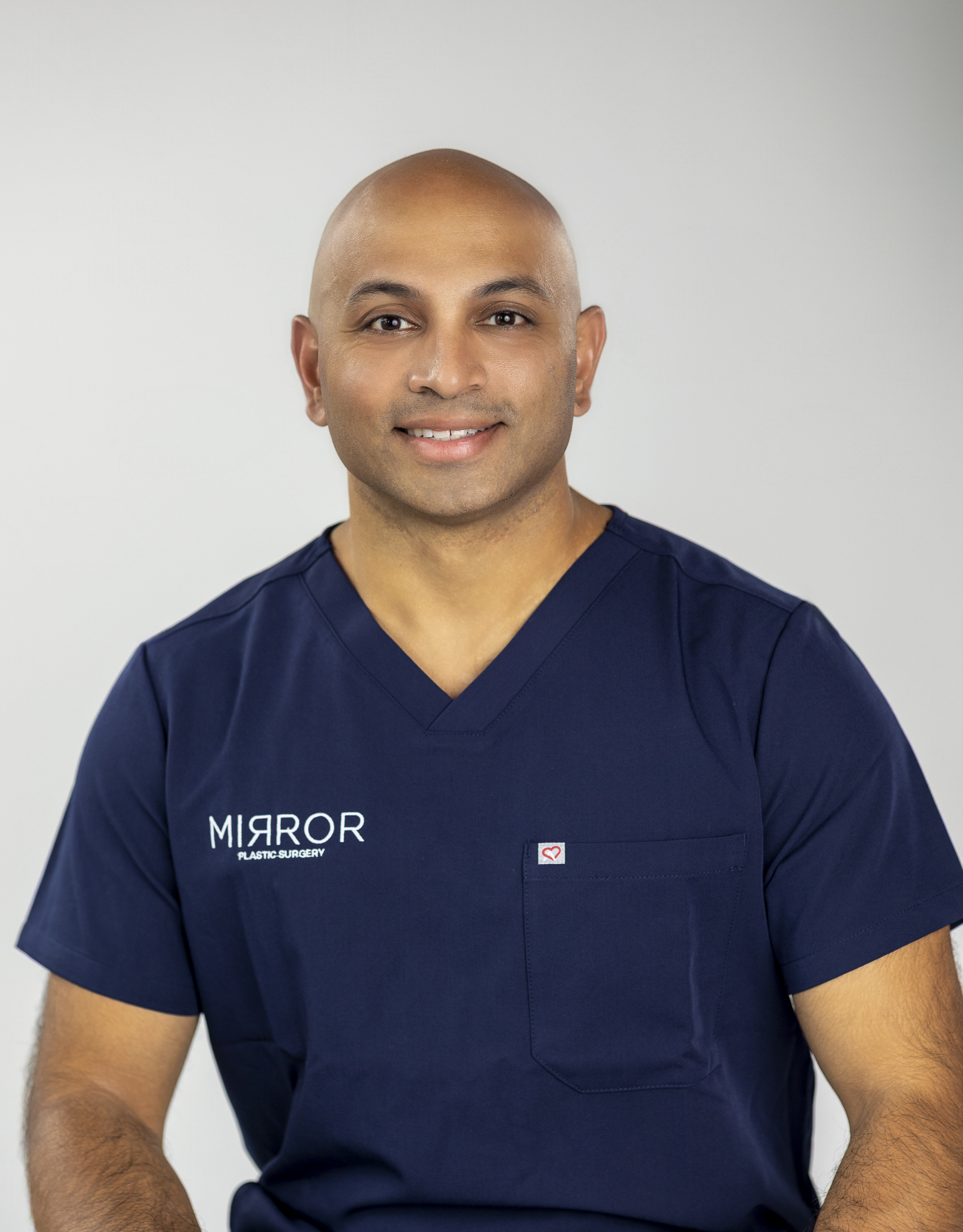
These evidence-based strategies form the foundation of a successful recovery, yet their impact improves when tailored to your anatomy and healing pattern. Dr. Akash, named to Newsweek’s America’s Best Plastic Surgeons list two years in a row and fellowship-trained in facial surgery at the Manhattan Eye, Ear and Throat Hospital (MEETH), builds individualized recovery protocols into every upper blepharoplasty plan at Mirror Plastic Surgery. His Johns Hopkins residency training and concierge approach mean patients receive specific, anatomy-based guidance rather than generic post-operative instructions.
Schedule your personalized recovery consultation to learn which strategies will work best for your anatomy and lifestyle.
Color Stages of Bruising After Blepharoplasty
Bruising after upper eyelid surgery follows a predictable color progression driven by the biochemical breakdown of hemoglobin in extravasated red blood cells. This progression helps patients distinguish normal healing from concerning changes.
| Stage | Approximate Timing | Color | What Is Happening |
|---|---|---|---|
| Acute | Hours 0–48 | Red to dark purple | Fresh blood pools beneath thin eyelid skin, and oxyhemoglobin remains intact. |
| Early resolution | Days 3–5 | Deep blue to violet | Deoxygenation of hemoglobin occurs, and the bruise may spread slightly as fluid tracks downward. |
| Mid resolution | Days 6–10 | Green to yellow-green | Macrophages convert hemoglobin to biliverdin, so color fades and becomes concealable. |
| Late resolution | Days 10–14+ | Yellow to skin-tone | Biliverdin converts to bilirubin, and the bruise fades and is easily covered with makeup. |
Bruising that spreads rapidly beyond the eyelid region in the first 24 hours, or that darkens significantly after day three rather than lightening, warrants prompt contact with your surgeon.
What Mild Swelling at 2 Months Really Means
Mild residual swelling at the two-month mark falls within the normal range of healing and does not indicate a complication. After the acute and subacute phases resolve, a low-grade chronic edema phase persists as the body continues to remodel collagen along the incision line. The body also reabsorbs microscopic fluid pockets in the orbicularis oculi muscle layer. This swelling is often most noticeable in the morning, when recumbent positioning allows fluid to redistribute, and it diminishes throughout the day as gravity and muscle activity promote lymphatic drainage.
Several patient-specific variables work together to shape how prominent two-month swelling appears, and understanding them helps set realistic expectations for your timeline. Age creates a baseline, because older patients have reduced lymphatic efficiency and slower collagen turnover, which can extend the refinement arc closer to the three-month mark. This baseline then interacts with anatomical factors such as skin thickness. Thicker upper eyelid skin, more common in patients of certain ethnic backgrounds, may mask swelling initially but can retain fluid longer during remodeling.
Systemic health adds another layer. Uncontrolled hypertension increases hydrostatic pressure in periorbital capillaries, prolonging edema, so managing blood pressure before and after surgery becomes a meaningful factor within your control. Lifestyle choices also matter. Nicotine causes vasoconstriction that impairs tissue oxygenation and slows the inflammatory resolution cascade, so patients who smoke typically experience prolonged swelling and a higher risk of wound-healing complications. Cessation at least four weeks before surgery is strongly advised.
Activity level influences this phase as well. Returning to high-intensity exercise too early, a common pattern among active Tampa professionals, can reinitiate mild swelling by elevating periorbital blood pressure. Full aesthetic refinement, including final incision line maturation and complete resolution of subtle puffiness, is typically assessed at the three-month post-operative visit.1 Comparing photographs taken at one week, one month, and three months provides the most accurate picture of the healing arc.
Warning Signs That Require a Call to Your Surgeon
Most post-operative swelling and bruising are self-limiting and resolve on the timelines described above. Certain signs fall outside the expected recovery pattern and require prompt communication with your surgical team.
- Sudden, rapidly worsening swelling on one side only within the first 24–48 hours may indicate a hematoma (blood collection) that requires drainage.
- Vision changes, double vision, or loss of vision at any point represent a rare but serious complication that requires immediate emergency evaluation.
- Increasing pain after day three rather than progressive improvement can signal infection or hematoma.
- Fever above 101°F combined with redness and warmth along the incision suggests wound infection.
- Inability to fully close the eyelid (lagophthalmos) persisting beyond two weeks warrants assessment to rule out over-resection of skin.
- Bruising that darkens or expands significantly after day three instead of following the expected color progression toward green and yellow.
At Mirror Plastic Surgery, Dr. Akash’s concierge model gives patients direct access to their care team throughout recovery, not a call center. The practice performs only one to two surgeries per day, so post-operative monitoring receives the same focused attention as the procedure itself.
Frequently Asked Questions
Can I wear makeup to cover bruising after upper eyelid surgery?
Most surgeons clear patients to apply mineral-based concealer or color-correcting makeup over bruised areas once incisions are fully closed and any sutures have been removed, typically around day seven to ten. Avoid applying makeup directly on the incision line until your surgeon confirms the wound is healed. Peach or orange-toned color correctors work particularly well to neutralize the yellow and green tones that appear during the mid-resolution bruising stage.
Is it normal for one eyelid to swell more than the other?
Mild asymmetry in swelling between the two upper eyelids is common and does not indicate a surgical error. Anatomical differences in lymphatic drainage, minor variations in tissue handling, and dominant-side differences in muscle activity can all produce uneven early swelling. Asymmetry typically equalizes by weeks three to four. Sudden, dramatic swelling on one side, particularly if accompanied by pain or pressure, is a red flag that warrants same-day contact with your surgeon.
When can I return to work after upper blepharoplasty?
Patients in remote or desk-based roles often return to work within seven to ten days, once bruising has faded to a concealable yellow tone and swelling has reduced substantially. Those in client-facing or public-contact roles typically feel comfortable returning between days ten and fourteen. Physical or high-activity jobs may require a three to four week absence. Dr. Akash discusses individualized return-to-work timelines during the pre-operative consultation based on each patient’s anatomy, job demands, and healing trajectory.
Does upper blepharoplasty leave visible scars?
The incision for upper blepharoplasty is placed within the natural eyelid crease, which makes it effectively invisible when the eye is open and minimally visible when closed. During the first few months, the incision line may appear pink or slightly raised as collagen remodels. By three to six months, the scar typically matures to a fine, pale line that blends with the crease. Consistent use of the sun protection strategies discussed earlier prevents UV-induced hyperpigmentation that can make healing incisions appear darker.
How does Dr. Akash’s training specifically benefit upper eyelid surgery patients?
Upper blepharoplasty requires precise anatomical knowledge of the orbital septum, levator aponeurosis, and orbicularis oculi muscle to achieve natural-looking results without compromising eyelid function. Dr. Akash’s specialized training, discussed earlier, translates directly to superior outcomes in upper blepharoplasty. His MEETH fellowship provided advanced, focused experience in periorbital anatomy and technique. His Johns Hopkins residency included complex reconstructive cases that deepened his understanding of tissue healing and complication management, so he can prioritize safety and function before aesthetics in every case.
Plan Your Consultation with Dr. Akash
Knowing your personal recovery timeline before surgery reduces post-operative anxiety and sets realistic expectations. At Mirror Plastic Surgery in St. Petersburg, Dr. Akash dedicates up to an hour to each initial consultation. He reviews your eyelid anatomy, discusses your functional and aesthetic goals, and outlines a recovery plan specific to your health history and lifestyle.
Schedule your consultation to map out your personal recovery timeline and take the first step toward clearer, more refreshed eyes with complete confidence.
1 Results may vary from person to person. Editorial content, before and after images, and patient testimonials do not constitute a guarantee of specific results.