
Written by: Dr. Akash Chandawarkar, Board Certified Plastic Surgeon, Mirror Plastic Surgery | Last updated: September 9, 2026
Key Takeaways
- Peptide biohacking requires extra caution with autoimmune or chronic health conditions, because most peptides are not FDA-approved and need medical oversight.
- Comprehensive pre-treatment labs, including hs-CRP, CMP, thyroid panel, lipid panel, HbA1c, IGF-1, and hormone panels, help identify risks and set safe baselines.
- Patients with active cancer, pregnancy, uncontrolled diabetes, severe liver disease, untreated hypothyroidism, or recent critical illness should avoid peptide therapy.
- Choosing the right peptide depends on your condition, lab results, and goals. Options like BPC-157, TB-500, GHK-Cu, and GLP-3R target different concerns and still require physician guidance.
For safe, personalized peptide protocols under medical supervision, schedule a consultation at Mirror Plastic Surgery so your treatment matches your health profile and stays closely monitored.
Understanding Peptide Categories: FDA-Approved Vs. Gray-Market
Peptides fall into two main categories with very different regulatory profiles.
FDA-Approved Peptides include medications like insulin and GLP-1 receptor agonists such as semaglutide. These drugs carry rigorous safety data for specific conditions like diabetes and obesity.
Gray-Market Research Peptides include popular biohacking compounds such as BPC-157, TB-500, GHK-Cu, and sermorelin. Sellers market them online “for research use only,” yet many consumers self-inject them. In April 2026, the FDA issued seven warning letters to online peptide sellers that used “research use only” labels while making disease or wellness claims, signaling a broader enforcement focus on this gray market. A June 2026 warning letter to Wholesale Peptide and a green-list import alert for GLP-1 active ingredients with quality concerns followed shortly after.
The main danger comes from unregulated sourcing, incorrect dosing, and the absence of medical screening for pre-existing conditions. Memorial Sloan Kettering Cancer Center warns that unregulated products can carry severe contamination, incorrect dosing, and unknown impacts on existing diseases. A 2026 Sermo Barometer survey of 507 U.S. physicians found that 84% of patients cite social media, influencers, podcasts, or online forums, rather than clinicians, as their primary source of peptide information.
Schedule your consultation to receive a physician-designed peptide protocol built around your labs, your condition, and your goals.
The Non-Negotiable First Step: Pre-Treatment Screening
Comprehensive screening forms the foundation of safe peptide therapy when you have any health condition. As one clinical guide notes, pre-treatment labs are “the clinical foundation that separates effective, safe treatment from guesswork.” Mirror Plastic Surgery builds every protocol on this lab-based approach and contrasts it with unregulated online sources that skip medical oversight.
Essential baseline labs before starting peptide therapy include:
- High-Sensitivity C-Reactive Protein (hs-CRP): Measures systemic inflammation and helps determine whether an anti-inflammatory peptide is appropriate.
- Comprehensive Metabolic Panel (CMP): Assesses liver and kidney function. Because IGF-1 is synthesized primarily in the liver, liver dysfunction can make IGF-1 readings misleading. A low IGF-1 in a patient with liver disease may reflect hepatic impairment rather than GH deficiency.
- Thyroid Panel (TSH, Free T3, Free T4): Hypothyroidism blunts pituitary GH secretion and reduces GH receptor sensitivity. A normal TSH with low free T3 still impairs GH response, so a full thyroid panel is required.
- Lipid Panel With ApoB: Establishes a cardiovascular baseline, which is especially relevant for metabolic peptides.
- Hemoglobin A1c And Fasting Insulin: Fasting insulin can detect insulin resistance years before A1C moves out of the normal range, so both matter before GLP-1 or growth hormone peptides.
- IGF-1: The single most important test for growth hormone-axis peptides. Growth hormone is secreted in pulses, which makes a single serum GH reading unreliable, so IGF-1 serves as the best surrogate marker for GH axis activity.
- Hormone Panels (Estradiol, Testosterone, SHBG, DHEA-S): Oral estrogen reduces hepatic IGF-1 production independent of GH status, which is a critical confound for individuals on HRT.
At Mirror Plastic Surgery, Dr. Akash Chandawarkar reviews existing labs or orders comprehensive panels during a 30–60 minute consultation. No protocol begins without this screening step.
Who Should Avoid Peptides: Critical Contraindications
Certain health profiles represent clear contraindications to peptide therapy. A physician must evaluate every case, yet the following categories reflect evidence-based exclusions:
- Active Cancer Or History Of Cancer: FDA labeling for tesamorelin explicitly contraindicates use in patients with active malignancy. Any preexisting malignancy must be inactive and treatment complete before starting therapy.
- Pregnancy Or Breastfeeding: Tesamorelin is Pregnancy Category X. Animal studies showed hydrocephalus in offspring at doses approximately two to four times the clinical dose.
- Uncontrolled Diabetes (HbA1c Above 9%): GH peptide therapy should pause in uncontrolled diabetes. In Phase 3 clinical trials, 4.5% of tesamorelin-treated patients developed elevated HbA1c versus 1.3% on placebo.
- Severe Liver Disease: Severe liver disease compromises IGF-1 interpretation and peptide metabolism.
- Untreated Hypothyroidism: Untreated hypothyroidism blunts the pituitary response to growth hormone peptides.
- Acute Critical Illness: Following open heart or abdominal surgery, trauma, or respiratory failure, pharmacologic growth hormone has been associated with increased mortality.
Anyone with a chronic illness needs a physician to evaluate their specific case before considering peptide therapy.
5 Steps To Safely Start Peptide Therapy
- Schedule A Comprehensive Consultation with a board-certified physician who reviews your full medical history, current medications, and health goals.
- Complete Baseline Laboratory Testing, including hs-CRP, CMP, thyroid panel, lipid panel, HbA1c, IGF-1, and hormone panels, to identify root causes and rule out contraindications.
- Review Contraindications with your physician to confirm that peptides are appropriate for your specific condition and medication profile.
- Receive A Personalized Peptide Protocol with specific peptides, dosing, and administration instructions tailored to your labs and goals, sourced from providers with third-party batch testing.
- Commit To Ongoing Monitoring with follow-up labs at 6–8 weeks and 3–6 months to adjust dosing, track progress, and maintain safety.
Start your journey with a consultation to complete these steps under the direct supervision of Dr. Akash Chandawarkar.
Choosing The Right Peptide For Your Condition: Step 6 Framework
Once you complete the five safety steps, the next decision involves which peptide fits your condition. Peptide selection depends on your diagnosis, lab results, and goals. Every peptide listed here is not FDA-approved for these uses, so a qualified physician must review your history, interpret labs, and design a protocol that fits your risk profile.
Peptides For Systemic Inflammation And Autoimmune Conditions
BPC-157 (Body Protective Compound) targets muscle, tendon, ligament, and joint repair, while TB-500 (Thymosin Beta-4 fragment) addresses soft tissue inflammation and wound repair. As of August 2026, no controlled human clinical trial has directly administered TB-500 as an investigational agent. Existing Phase 2 human data concern full-length thymosin beta-4 in ophthalmic indications, not TB-500 itself. Despite this evidence gap, both peptides are often combined in Mirror Plastic Surgery’s Glow Stack (GHK-Cu, BPC-157, TB-500) to address systemic inflammation while supporting skin health. For autoimmune patients, this immune modulation requires close physician monitoring.
Peptides For Skin Aging And Collagen Decline
GHK-Cu (copper peptide) supports collagen and elastin production, improves skin elasticity, and may help with melasma and hair health.1 The Glow Stack at Mirror Plastic Surgery combines GHK-Cu with BPC-157 and TB-500 to address both systemic inflammation and visible signs of aging.1
Peptides For Weight Management And Metabolic Issues
GLP-3R compounding is a newer-generation peptide similar to GLP-1 but reported to have fewer gastrointestinal side effects and less risk of muscle wasting. It supports broader indications that include insulin resistance, weight management, and cardiovascular risk factors.1 The Endocrine Society’s Clinical Practice Guideline on Adult Growth Hormone Deficiency recommends growth hormone therapy only for adults with confirmed GH deficiency, rather than age-related low GH levels or general wellness purposes.
Peptides For Energy And Anti-Aging
NAD+ (Nicotinamide Adenine Dinucleotide) targets cellular mitochondria to support energy production and a more youthful appearance.1
Peptides For Gut Inflammation
KPV targets inflammation within the gut environment and may reduce risks associated with Irritable Bowel Disease (IBD).1
Peptides For Anxiety And Depression
Selank is a nootropic peptide that acts on brain pathways similar to benzodiazepines but without the addictive or dependency component.1
Peptides For Fertility Or Libido
Kisspeptin has shown promise in IVF trials for improving positive outcomes.1 PT-141 (Bremelanotide) is used for sexual arousal and libido enhancement.1
The Risks Of Unregulated Peptides: Hidden Dangers Online
Injectable unapproved peptide products can pose risks of serious harm. Because they enter the bloodstream directly, they bypass the body’s natural defenses against toxins and pathogens. If contaminated or improperly manufactured, they can cause serious, even life-threatening, conditions. These dangers become more likely when people buy peptides online without medical supervision.
- Contamination: Inconsistent manufacturing standards and unverified ingredient accuracy create significant contamination risk.
- Incorrect Dosing: Without third-party verification, the actual active product content is unknown. This can lead to no response from an underdosed product or dangerous overdosing from a product that is more concentrated than labeled.
- Unknown Actual Content: Products labeled “research use only” often contain impurities, incorrect peptide sequences, or undisclosed substances.
- Lack Of Third-Party Testing: The absence of standardized manufacturing procedures and regulatory quality oversight creates major variability in purity, potency, sterility, and consistency among suppliers.
These risks explain why the FDA has started scrutinizing the gray market more closely. The agency evaluates the total marketing context of peptide sellers, including product descriptions, blog posts, testimonials, email campaigns, social media claims, and bundles named around health outcomes, and has pursued enforcement through warning letters and import actions. At Mirror Plastic Surgery, peptides come from reputable providers with rigorous batch testing, including Certificate of Analysis documentation verifying purity (≥98%), mass spectrometry confirmation of molecular weight, and endotoxin testing using the LAL method at less than 1 EU/mg.
The Role Of Medical Supervision: How A Doctor Tailors Your Protocol
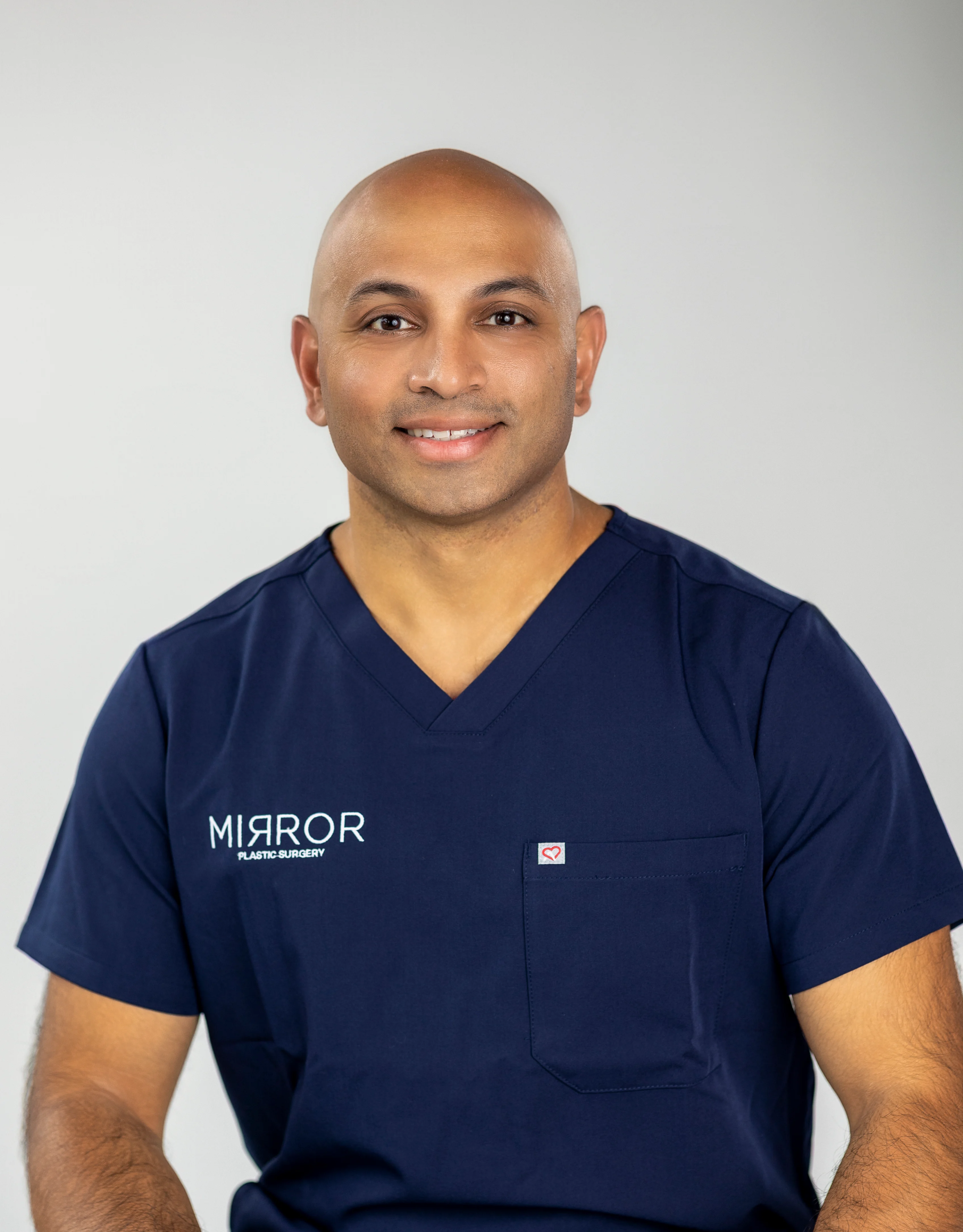
Dr. Akash Chandawarkar, a Harvard-educated, Johns Hopkins-trained, board-certified plastic surgeon with fellowship training in aesthetic surgery and a Stanford Biodesign Innovation Fellowship, designs protocols based on labs, medical history, and goals rather than generic templates. Mirror Plastic Surgery’s concierge approach includes:
- An in-depth 30–60 minute consultation reviewing medical history and health goals
- Comprehensive lab analysis, or ordering of labs if not available
- Personalized peptide stacks and protocols based on individual physiology
- Direct, 24/7 access to Dr. Akash via text for ongoing support and questions
- Detailed instructions for reconstitution and self-administration, with video demonstrations
- Remote service delivery across the United States, including Hawaii and Alaska
When your protocol is designed around your labs, your condition, and your goals, you move beyond casual biohacking into precision medicine. Approximately 66% of physicians surveyed in the 2026 Sermo Barometer expressed moderate or extreme concern about patients accessing and taking investigational peptides outside supervised clinical pathways, and Mirror Plastic Surgery’s model directly addresses that concern.
Monitoring And Adjusting: Why Peptide Therapy Needs Ongoing Follow-Up
Safe peptide therapy involves continuous monitoring and adjustment rather than a one-time prescription. After starting GH peptide therapy, monitoring typically includes IGF-1, fasting glucose and insulin, and a thyroid panel at 6–8 weeks, then a full lipid panel, IGF-1, liver enzymes, and sex hormones at 3–6 months.
CRP should trend downward on anti-inflammatory peptides. A rising CRP warrants evaluation for new inflammation sources or protocol adjustments. IGF-1 should stay in the upper-normal range, not supraphysiological, because sustained elevations above 300–400 ng/mL have been associated with increased cell proliferation risk.
Dr. Akash remains available via text or scheduled telemedicine appointments to adjust dosing, address side effects, and update your protocol as your body responds.
Common Misconceptions About Peptide Therapy
“Peptides Are Only For Weight Loss”
The same 2026 Sermo Barometer survey found that 69% of patients cited weight loss as their reason for peptide use, yet peptides address a much wider range of issues. These include inflammation, autoimmune conditions, skin aging, gut health, anxiety, libido, fertility, and post-surgical recovery. Weight management represents one application among many.
“All Peptides Are Dangerous”
The primary danger comes from unregulated sources and unsupervised use. FDA-approved peptides such as GLP-1s have robust safety data. Gray-market peptides, when sourced from reputable providers with batch testing and used under medical supervision, can carry a substantially lower risk profile than unsupervised online products.
“You Can Stop Anytime Without Losing Benefits”
Benefits usually fade after stopping peptide therapy, similar to discontinuing any health regimen.1 If peptides helped manage inflammation, that inflammation will likely return to its previous state. Many patients need a maintenance protocol to sustain results.
Frequently Asked Questions
Are Peptides FDA-Approved?
Most biohacking peptides are not FDA-regulated, although many have over a decade of clinical and preclinical research worldwide. The primary danger comes from unregulated sources and lack of medical supervision, rather than the molecules alone. At Mirror Plastic Surgery, peptides come from reputable providers with rigorous batch testing, and every patient receives medical support from Dr. Akash Chandawarkar throughout their protocol.
Can I Take Peptides With A Chronic Illness Like An Autoimmune Condition?
Some patients with chronic illness can use peptides safely, but only under medical supervision. Certain peptides such as BPC-157 and TB-500 show promise for managing systemic inflammation, yet immune modulation requires careful monitoring. Your physician must evaluate your specific condition, run comprehensive labs, and rule out contraindications before starting any peptide.
What Labs Should I Run Before Starting Peptides?
The essential labs match those outlined in the pre-treatment screening section: hs-CRP, CMP, a full thyroid panel, a lipid panel with ApoB, hemoglobin A1c, fasting insulin, IGF-1, and hormone panels. These tests identify root causes, rule out contraindications, and establish reference points for follow-up monitoring. Labs should ideally be drawn within the prior 60–90 days before starting a protocol.
Which Peptides Are Considered For Inflammation?
BPC-157 and TB-500 are commonly considered for systemic inflammation, and KPV targets gut inflammation specifically. Whether any peptide fits your situation depends entirely on your individual health profile. A physician must evaluate your labs and medical history before recommending any anti-inflammatory peptide, especially for autoimmune conditions where immune modulation needs careful oversight.
How Do I Avoid Peptide Contamination?
Use only reputable providers who supply Certificates of Analysis (COA) verifying purity at or above 98%, mass spectrometry confirmation of molecular weight with a match within ±0.1 Da, endotoxin testing using the LAL method at less than 1 EU/mg, and heavy metal screening below recognized safety thresholds. Avoid peptides from unverified online sources or social media advertisements. At Mirror Plastic Surgery, Dr. Akash makes all sourcing decisions using these standards as a baseline requirement.
Conclusion: Your Path To Safe, Effective Peptide Biohacking
Peptides offer meaningful potential for managing inflammation, autoimmune conditions, weight, energy, and aging.1 When you have a personal health condition, safety and personalization form the entire framework. Medical supervision creates the difference between risky experimentation and transformative biohacking.
Mirror Plastic Surgery’s physician-led peptide therapy, under Dr. Akash Chandawarkar, combines in-depth consultation, comprehensive lab analysis, personalized protocols, and ongoing concierge support. Every protocol is built around your physiology rather than a template and stays monitored to protect both safety and results.
From inflammation and autoimmune conditions to weight management and anti-aging, Mirror Plastic Surgery offers advanced peptide therapies for a wide range of health and wellness concerns. Request your consultation to explore how tailored peptide protocols can help you reach your goals under expert medical supervision.
This article is for educational purposes only and is not a substitute for professional medical advice. Peptides discussed are not FDA-approved for most biohacking uses, and results vary. Always consult a qualified physician before starting any peptide therapy, especially if you have a pre-existing health condition or take medications.
1 Results may vary from person to person. Editorial content, before and after images, and patient testimonials do not constitute a guarantee of specific results.
Peptide therapy is intended for wellness and optimization purposes and is not prescribed to diagnose, treat, cure, or prevent disease unless specifically stated. Many peptides are not FDA-approved and may be used off-label. Some have limited long-term safety data, with a potential for unknown risks, complications, or desensitization with prolonged use.