
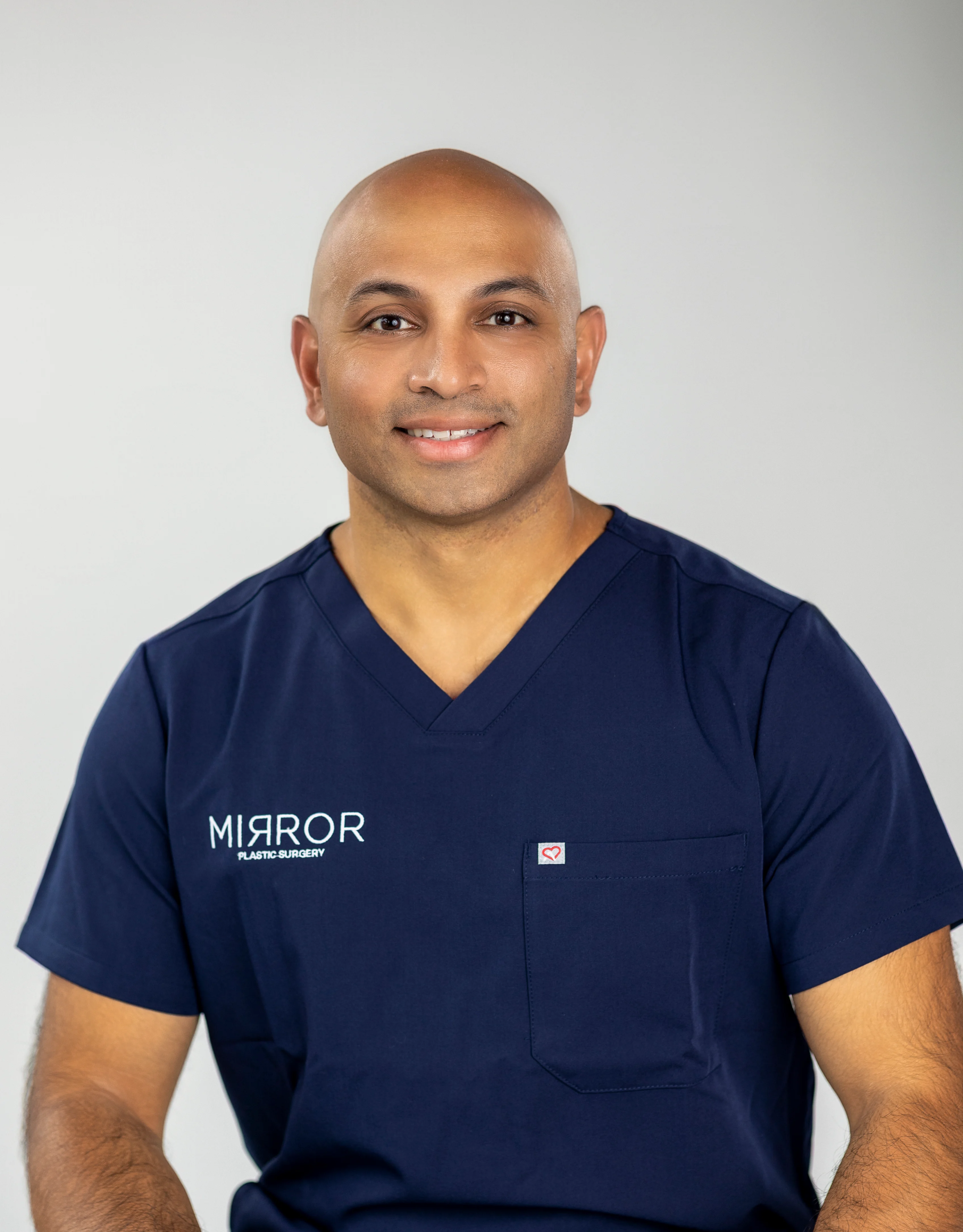
Written by: Dr. Akash Chandawarkar, Board Certified Plastic Surgeon, Mirror Plastic Surgery | Last updated: September 9, 2026
Key Takeaways
- Peptide therapy uses short amino acid chains to modulate immune responses and reduce inflammation while avoiding broad immune suppression.1
- Peptides such as Thymosin Alpha-1, BPC-157, KPV, and TB-500 show evidence for targeted immune regulation, gut barrier support, and tissue repair.1
- Published research suggests peptides may offer a more favorable safety profile than traditional DMARDs or biologics when used under medical supervision.1
- Peptides work as an adjunct to conventional autoimmune care, and results depend on personalized protocols guided by lab testing.
To explore whether peptide therapy fits your situation, you can schedule a consultation with Mirror Plastic Surgery for a personalized review of your labs and health history.
1. Targeted Immune Modulation Without Broad Suppression
Peptide therapy focuses on fine-tuning immune activity instead of shutting it down. Conventional drugs such as methotrexate, corticosteroids, and biologics reduce immune activity broadly, which can increase infection risk and other complications. Certain peptides instead act on specific regulatory pathways and help the immune system regain balance.
Thymosin Alpha-1 (TA1) is one of the most studied immune-modulating peptides, with more than 30 clinical trials and approval in over 35 countries. Research published in Blood (2006) by Romani et al. shows that TA1 activates toll-like receptor 9 (TLR9) signaling on dendritic cells and induces IDO-mediated tryptophan catabolism. This activity promotes expansion of regulatory T-cells (Tregs), the immune system’s internal peacekeepers, and shifts cytokine balance toward regulation. In autoimmune disease, Treg populations are often low, which allows the immune system to attack healthy tissue. TA1 targets this deficit instead of suppressing overall immune function.
This targeted strategy explains why many patients use peptides alongside conventional care. The goal is to restore the immune system’s capacity for self-regulation, not to disable it. At Mirror Plastic Surgery, every protocol starts with baseline lab testing to evaluate inflammatory markers and immune status before any peptide is prescribed. Targeted modulation works best when the specific target is clear.
Schedule A Peptide Consultation to review whether Thymosin Alpha-1 or another immune-modulating peptide matches your diagnosis and lab profile.
2. Reduction Of Systemic Inflammation At The Cellular Level
Chronic inflammation runs through most autoimmune conditions, so reducing it safely becomes a central goal. Peptides such as KPV and BPC-157 have accumulated meaningful preclinical evidence for lowering inflammatory activity without the systemic side effects seen with corticosteroids or NSAIDs.
KPV, a three-amino-acid fragment of alpha-melanocyte stimulating hormone, inhibits NF-κB signaling, the master switch that controls inflammatory cytokine production. This action reduces TNF-α, IL-6, and IL-1β while preserving baseline immune cell function. A 2019 study found that KPV-treated mice maintained a normal response to bacterial challenge despite lower baseline inflammation markers, which suggests preserved pathogen defense.
BPC-157, derived from a gastric juice protein, has shown tissue-protective and anti-inflammatory effects in more than 100 animal studies. Published research documents its ability to promote intestinal barrier integrity and modulate inflammatory cytokine production. Its stability in gastric acid allows oral doses to reach the gut mucosa intact, which makes it a practical option for gut-related inflammation.
One Mirror Plastic Surgery patient with long-standing psoriasis and fading response to topical steroids reported calmer skin within weeks of starting a supervised peptide protocol.1 She described it as the first intervention that made a noticeable difference.1 Individual responses vary, and personal stories do not predict specific outcomes.
3. Support For Gut Health And The Gut-Immune Axis
Most of the body’s immune cells reside in the gut, so intestinal barrier integrity plays a central role in autoimmune management. When the gut lining becomes more permeable, immune activation can escalate and contribute to systemic inflammation and autoimmune flares.
BPC-157 and KPV both act on this gut-immune axis through different mechanisms. BPC-157’s acid stability allows it to reach the gut mucosa intact after oral dosing, where it supports epithelial repair and tight junction integrity. KPV enters colonocytes through the PepT1 intestinal peptide transporter, which makes it especially relevant for mucosal inflammation and inflammatory bowel disease. In a DSS colitis model, oral KPV reduced colitis severity by about 50 percent as measured by myeloperoxidase activity.
For patients with Hashimoto’s thyroiditis, the gut-thyroid axis deserves special attention. Gut dysbiosis and intestinal permeability correlate with thyroid autoimmunity, and calming gut inflammation may influence systemic immune activity. KPV’s oral bioavailability through PepT1 offers a convenient option for patients whose primary concern is gut-driven inflammation.
4. Promotion Of Tissue Repair And Healing
Autoimmune conditions cause structural damage as well as inflammation. Joints eroded by rheumatoid arthritis, gut lining injured by inflammatory bowel disease, and connective tissue affected by lupus represent problems that anti-inflammatory strategies alone cannot fully repair. BPC-157 and TB-500 have the strongest evidence for supporting active tissue repair.
BPC-157 upregulates VEGF (vascular endothelial growth factor), which promotes angiogenesis and accelerates healing in tendons, ligaments, joints, and the gut lining. TB-500 (a Thymosin Beta-4 fragment) promotes actin polymerization, helping repair cells reach damaged tissue more efficiently while limiting scar formation. In a 2018 rat myocardial infarction model, TB-500 increased capillary density by 34 percent and reduced scar tissue by 22 percent compared to saline.1
Patients with autoimmune-related joint damage may use these tissue-repair peptides to support structural recovery while other therapies address immune activity. Reducing inflammation and repairing existing damage represent different goals, so protocols need clear priorities. At Mirror Plastic Surgery, Dr. Akash Chandawarkar explains which goal each peptide targets so patients understand the reasoning behind every recommendation.
5. Potential Support For Specific Autoimmune Conditions
Different autoimmune conditions involve distinct patterns of immune dysregulation, so peptide selection varies by diagnosis. The list below summarizes which peptides show the strongest evidence for each situation based on current research and clinical observation, without implying guaranteed outcomes.
- Thymosin Alpha-1 is most relevant when Treg deficiency and Th1/Th2 imbalance play a central role, such as in Hashimoto’s thyroiditis, lupus, and rheumatoid arthritis. A 2022 randomized controlled trial found that adding Thymosin Alpha-1 to standard immunosuppression in moderate-to-severe SLE patients reduced SLEDAI scores by 42 percent versus 28 percent with standard therapy alone at 24 weeks.1
- BPC-157 supports the gut-thyroid axis in Hashimoto’s and intestinal involvement in inflammatory bowel disease through its effects on epithelial repair and tight junction integrity.
- KPV targets mucosal inflammation in IBD and inflammatory skin conditions through NF-κB inhibition, with oral bioavailability that suits gut-focused protocols.
- GHK-Cu influences gene expression across antioxidant and anti-inflammatory pathways and is relevant for skin-related autoimmune symptoms and overall tissue health.
For rheumatoid arthritis, a 2021 trial in Rheumatology International found that adding Thymosin Alpha-1 to background DMARD therapy produced an ACR20 response in 31 percent of the combination group versus 18 percent in the DMARD-only group.1 This improvement was modest but statistically significant. Responses differ widely between individuals, so a personalized protocol based on labs and medical history remains essential.
6. Favorable Safety Profile Compared To Conventional Treatments
Peptides carry real risks, yet published data often show a milder side effect profile than conventional immunosuppressants. This advantage appears most clearly when physicians prescribe quality-controlled peptides and monitor patients closely.
Thymosin Alpha-1 trials report mostly mild injection-site reactions in about 12 percent of patients and mild flu-like symptoms in 8 percent, with no serious infections or malignancies in cohorts followed for up to 24 weeks. For KPV, the longest published human trial ran 16 weeks in 42 participants and reported an 8 percent adverse event rate, mainly mild injection-site reactions, with no serious events and no liver or kidney lab abnormalities.
Conventional treatments show a different pattern. The STRATA-FIT systematic review linked JAK inhibitors to higher infection and malignancy risk, especially in patients over 65. Biologics and DMARDs broadly suppress immune function and increase infection risk, while peptides in published studies tend to modulate specific pathways without the same level of global suppression.
This safety profile applies to medically supervised, pharmacy-sourced peptides. Unregulated online products introduce contamination and dosing uncertainties that change the risk picture entirely.
7. Personalized Protocols Under Medical Supervision
Many physicians remain cautious about peptides because most lack FDA approval, long-term safety data is still emerging, and the unregulated market can expose patients to unsafe products. These concerns highlight the need for expert medical supervision rather than casual, unsupervised use.
A Drug Testing and Analysis study reported that 65 percent of gray-market online peptides exceeded endotoxin safety thresholds and 30 percent contained the wrong amino acid sequence. In late 2023, the FDA moved more than a dozen peptides, including BPC-157, to its Category 2 bulk substances list, citing safety concerns and blocking compounding pharmacies from producing them. These findings make source quality and physician oversight as important as peptide selection.
At Mirror Plastic Surgery, Dr. Akash Chandawarkar, a Harvard-educated, Johns Hopkins-trained, board-certified plastic surgeon, personally directs every peptide protocol. His approach centers on each client’s labs and physiology, using peptides from reputable providers that undergo rigorous batch testing. To support this level of care, patients receive 24/7 concierge access via text, and the entire process, from consultation to prescription and shipping, can occur in person in St. Petersburg, Florida, or remotely across the United States.
Schedule Your Comprehensive Peptide Evaluation to start with baseline labs and a protocol tailored to your specific physiology.
Can Peptides Reverse Autoimmune Disease? Evidence-Based Limits
Current evidence does not support the idea that peptides reverse autoimmune disease. Peptides may reduce inflammation and improve symptoms, yet they do not eliminate the underlying immune dysfunction that drives autoimmunity. Inflammation represents a symptom of that dysregulation, not the root cause.
AutoimmuneFinder’s evidence grading rates Thymosin Alpha-1 at A- for extensive human safety data without autoimmune-specific randomized trials, BPC-157 and TB-500 at B- for strong animal data without human confirmation, and KPV at C+ for preclinical data only. These grades reflect meaningful limitations that patients should understand before starting therapy.
Some individuals experience major symptom relief, including the psoriasis patient described earlier, yet personal stories do not replace controlled data. Peptides work best as an adjunct to conventional care. Stopping prescribed DMARDs, biologics, or corticosteroids without physician guidance can accelerate disease progression and joint damage, as outlined in FormBlends’ 2026 evidence review. The most appropriate role for peptide therapy is complementary support that may improve quality of life, reduce inflammation, and aid tissue repair while standard treatment addresses the autoimmune process itself.
Safety First: Risks And Regulatory Status
Most peptides used in wellness protocols are not FDA-approved for autoimmune indications. Thymosin Alpha-1 holds approval in more than 35 countries for hepatitis B but has no FDA approval for autoimmune conditions in the United States. Here, physicians access it through compounded prescriptions from licensed pharmacies after clinical review.
Risks from unregulated online sources extend beyond regulatory technicalities. The FDA has documented adverse events, including deaths, in human studies of certain peptides. Those risks increase when patients self-inject products of unknown purity without screening for pre-existing conditions or drug interactions.
Medical supervision at Mirror Plastic Surgery includes a detailed consultation, baseline labs covering thyroid function, inflammatory markers, and metabolic status, personalized dosing, pharmacy-grade peptides with batch testing, and ongoing follow-up. One patient who previously bought peptides online described feeling unsure about what she was injecting. After working with Dr. Chandawarkar, she understood which compounds she used, why they were chosen, and how they related to her condition. Outcomes differ between individuals, and testimonials do not guarantee specific results.
How To Get Started Safely: A Step-By-Step Guide
- Research And Choose A Qualified Provider. Look for a board-certified physician with peptide therapy experience rather than an online retailer or unregulated clinic.
- Schedule A Comprehensive Consultation. Plan for 30–60 minutes to review your medical history, medications, and health goals.
- Get Baseline Labs. Include a thyroid panel, inflammatory markers such as CRP and ESR, a metabolic panel, and disease-specific tests.
- Receive A Personalized Protocol. Work with your physician on a custom peptide plan designed around your physiology and goals.
- Follow Up And Adjust. Continue monitoring symptoms and labs, and adjust dosing or peptide selection based on your response.
Mirror Plastic Surgery delivers this process at a concierge level with direct access to Dr. Chandawarkar, remote service across the United States, and a philosophy that places safety first, function second, and aesthetics third. Every protocol reflects your labs and medical history rather than a generic wellness stack.
Comparing Peptide Therapy To Conventional Treatments
DMARDs and biologics have decades of randomized trial data, proven disease-modifying effects, and regulatory approval. The pivotal adalimumab trial enrolled 619 biologic-naive rheumatoid arthritis patients and showed a 63 percent ACR20 response at 24 weeks. By comparison, the Thymosin Alpha-1 rheumatoid arthritis trial described earlier showed a 31 percent ACR20 response in a much smaller cohort.
Each approach involves trade-offs. Conventional treatments are well proven but may cause significant side effects. Peptides may cause fewer side effects yet remain less proven and usually require out-of-pocket payment. The most helpful framing is complementary rather than competitive. Peptides can support conventional treatment, reduce inflammation, and improve quality of life, while decisions about changing standard medications should always involve the specialist managing your autoimmune care.
Realistic Expectations: Timelines, Maintenance, And Stopping Therapy
Practitioner reports and published protocols suggest that BPC-157 gut improvements often appear within 2–4 weeks, KPV anti-inflammatory effects within 4–8 weeks, and Thymosin Alpha-1 immune modulation within 8–12 weeks.1 These timelines come from clinical observation rather than large controlled trials, and individual responses vary.
Benefits usually fade after stopping peptide therapy, similar to pausing an exercise or nutrition plan. If underlying inflammation remains unaddressed, it often returns to prior levels. Many patients shift to a lower-frequency maintenance protocol to sustain gains. Peptide therapy works best as an ongoing, structured regimen, and a qualified provider will outline what a realistic maintenance plan looks like for your condition and goals.
Frequently Asked Questions
Are Peptides FDA Approved?
Most peptides used in wellness protocols are not FDA-approved for autoimmune indications. Thymosin Alpha-1 is approved in more than 35 countries for hepatitis B but has no FDA approval for autoimmune conditions in the United States. The main risk comes from unregulated sources and lack of medical oversight. At Mirror Plastic Surgery, peptides come from reputable providers with batch testing, and Dr. Chandawarkar supervises every protocol from consultation through follow-up.
What Are The Risks Of Buying Peptides Online?
The primary risk is the absence of reliable quality testing. As noted earlier, gray-market products have shown high rates of contamination and incorrect amino acid sequences. A Certificate of Analysis that lists high HPLC purity does not confirm that the vial matches the label or that it is free of endotoxins, heavy metals, or residual solvents. Without medical supervision, no one is checking dosing, pre-existing conditions, or drug interactions, which turns theoretical risks into real-world problems.
Will I Lose Benefits If I Stop Taking Peptides?
Benefits usually diminish after stopping peptide therapy. When peptides no longer help manage inflammation, symptoms often drift back toward baseline. Many patients continue on a reduced maintenance schedule instead of stopping abruptly. A qualified provider can design a sustainable plan that fits your condition, goals, and lab markers.
Can Peptides Help With Psoriasis Or Hashimoto’s?
Some patients report improvement in autoimmune skin conditions such as psoriasis and in Hashimoto’s-related symptoms. Thymosin Alpha-1 addresses central immune dysregulation, including Treg deficiency and Th1/Th2 imbalance, which affects both conditions. BPC-157 supports the gut-thyroid axis, an important factor in Hashimoto’s, and KPV’s NF-κB inhibition is relevant for inflammatory skin disease. Results vary significantly, and no peptide guarantees a specific outcome, so protocols must be personalized and medically supervised.
Why Are Many Doctors Cautious About Peptides?
Many physicians hesitate because most peptides lack FDA approval and large-scale human trials for autoimmune indications. They also recognize the dangers of an unregulated market, incomplete long-term safety data, and the possibility that patients might abandon proven therapies. These concerns reinforce the need for board-certified medical supervision. At Mirror Plastic Surgery, the goal is to complement rheumatology and endocrinology care with transparent, evidence-informed peptide protocols.
Your Path To Personalized Peptide Therapy
Peptide therapy offers targeted immune modulation, cellular-level inflammation reduction, gut-immune support, tissue repair assistance, and potential condition-specific benefits. When sourced and supervised properly, peptides can provide meaningful options for patients who struggle with conventional treatments or side effects. At the same time, peptides do not cure autoimmune disease and should not replace standard medical care.
Dr. Akash Chandawarkar combines training from Harvard Medical School, Johns Hopkins plastic surgery residency, and the Stanford Biodesign Innovation Fellowship with a commitment to education-first care. Every peptide protocol at Mirror Plastic Surgery reflects your labs, physiology, and goals, supported by 24/7 concierge access.
Mirror Plastic Surgery offers advanced peptide therapies for inflammation, autoimmune conditions, weight management, and anti-aging. Request Your Peptide Consultation to see how a tailored protocol may support your health goals.
Phone: 727-361-6515 | Email: hello@mirrorplasticsurgery.com | Address: 780 4th Ave S, St. Petersburg, FL 33701 | Instagram: @mirrorplasticsurgery, @dr.akashplasticsurgery, @perfectlyplastics
Results vary from person to person. The testimonials and outcomes described are individual experiences and are not guarantees of specific results.
Peptide therapies are not FDA-approved for the treatment of autoimmune diseases and are used off-label. This content is for educational purposes only and does not constitute medical advice. Always consult with your physician before starting any new treatment.
This article is for informational purposes only and does not replace professional medical advice, diagnosis, or treatment. Always seek the advice of your physician or other qualified health provider with any questions you may have regarding a medical condition.
1 Results may vary from person to person. Editorial content, before and after images, and patient testimonials do not constitute a guarantee of specific results.
Peptide therapy is intended for wellness and optimization purposes and is not prescribed to diagnose, treat, cure, or prevent disease unless specifically stated. Many peptides are not FDA-approved and may be used off-label. Some have limited long-term safety data, with a potential for unknown risks, complications, or desensitization with prolonged use.