
Written by: Ellie Pranckevicius, FNP-BC, Aesthetic Nurse Practitioner & Aesthetic Injector | Facial Restoration & Regenerative Injectable Specialist, Mirror Plastic Surgery | Last updated: March 13, 2026
Key Takeaways
- Integrative wellness combines conventional medicine with complementary therapies like peptides to address root causes of chronic inflammation, autoimmune conditions, and aging.
- Integrative wellness uses evidence-based protocols and clinical trials, while many holistic approaches rely more on tradition and may exclude conventional care.
- Advanced peptides such as GHK-Cu, BPC-157, and GLP-3R support anti-aging, inflammation reduction, weight management, and energy with fewer side effects.
- Supervised peptide therapy with medical professionals supports safety, proper dosing, and quality control, and avoids risks from unsupervised online purchases.
- Mirror Plastic Surgery offers concierge integrative wellness with Harvard-trained Dr. Akash and FNP Ellie; book your consultation today for a personalized protocol.
How Integrative Wellness Supports Whole-Person Health
Integrative wellness uses a patient-centered approach that blends evidence-based conventional medicine with complementary therapies like nutrition, mind-body practices, and advanced peptides. The National Center for Complementary and Integrative Health defines integrative health as the coordinated use of complementary health practices alongside conventional medical care to improve outcomes and prevent disease. This collaborative model rests on three core principles: conventional medicine expertise, complementary therapy integration, and coordinated care delivery.
Integrative wellness keeps conventional treatments in the plan while adding therapies that support healing and prevention. Unlike purely holistic approaches that may avoid medications or procedures, integrative wellness emphasizes evidence-informed protocols, active patient partnership, and preventive strategies. Key principles include identifying and treating root causes and understanding how lifestyle, environment, genetics, and emotional wellbeing interact. At Mirror Plastic Surgery, Dr. Akash and Ellie apply these principles through comprehensive lab analysis, personalized peptide protocols, and ongoing concierge support.
Holistic vs Integrative Wellness: How They Compare
| Aspect | Holistic | Integrative |
|---|---|---|
| Focus | Lifestyle and spiritual focus, may exclude conventional care | Blends conventional and complementary therapies, science-backed |
| Approach to Medicine | Whole-person focus, may emphasize symptom avoidance | Coordinated and evidence-based for complex issues |
| Evidence | Often tradition-based | Clinical trials and root-cause analysis |
Integrative wellness addresses the whole person while maintaining rigorous scientific standards, which makes it especially effective for chronic conditions like autoimmune diseases and metabolic dysfunction.
Benefits of Integrative Wellness for Chronic and Modern Conditions
Integrative wellness delivers measurable improvements across multiple health areas. Many patients experience reduced systemic inflammation for conditions like psoriasis and rheumatoid arthritis. Others see enhanced weight management through better metabolic function, anti-aging support through collagen production and cellular repair, and increased energy through improved mitochondrial function.
Clinical consensus identifies symptom improvement and clinical cure as critically important outcomes in integrative care, with patient experience and satisfaction prioritized alongside clinical effectiveness. This approach works well for people who feel frustrated with the limits or side effects of conventional treatments. Personalized plans focus on root causes instead of only managing symptoms. Advanced peptide therapies now sit at the leading edge of integrative wellness and often fill gaps where traditional pharmaceuticals fall short.
Peptide Therapy in Integrative Medicine: Real-World Examples
Peptide therapies show how modern integrative wellness can offer targeted support with fewer side effects than many conventional medications. Common peptide protocols include:
- GHK-Cu (Copper Peptide): Supports collagen and elastin production for anti-aging, skin health, and hair rejuvenation.
- BPC-157/TB500 Glow Stack: Helps reduce systemic inflammation while supporting tissue repair and skin health.
- GLP-3R: Provides advanced weight management with fewer gastrointestinal side effects compared to older formulations.
- NAD (Nicotinamide Adenine Dinucleotide): Enhances cellular energy production and supports anti-aging benefits.
- Selank: Addresses anxiety and depression without the dependency risks associated with benzodiazepines.
- KPV: Targets gut inflammation and may reduce risks related to IBD and colon cancer.
| Peptide | Targets | Vs. Conventional |
|---|---|---|
| GHK-Cu | Collagen and anti-aging | Fewer side effects and often faster skin improvement |
| Glow Stack | Inflammation and skin repair | Focuses on root causes instead of only symptom relief |
| GLP-3R | Weight and insulin balance | Less gastrointestinal upset and reduced muscle loss |
Clinical trials demonstrate certain peptides’ efficacy for weight management. Mirror Plastic Surgery patients often report strong outcomes with carefully supervised protocols.
Why Medical Supervision Matters for Peptide Therapy
Supervised peptide therapy greatly reduces safety risks that come with unsupervised use. Unapproved peptides sold online lack FDA approval and clinical testing and carry risks such as uncertain purity, excessive dosing that can trigger allergic reactions, and limited long-term safety data. Quality control and proper dosing become difficult without medical guidance.
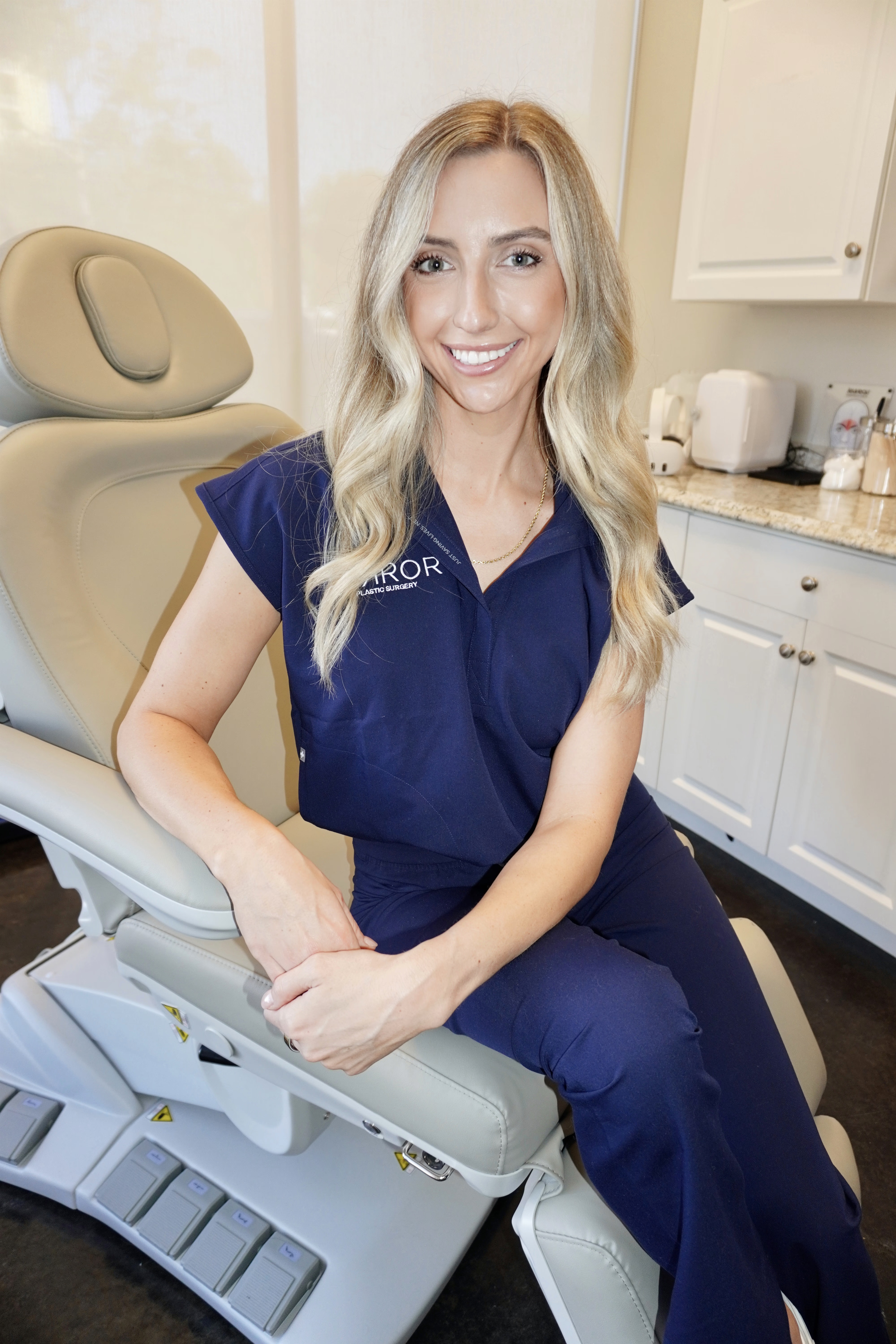
Mirror Plastic Surgery offers comprehensive medical supervision that includes concierge lab analysis, batch-tested peptides from reputable suppliers, and direct access to Ellie Pranckevicius, FNP-BC. Ellie brings a University of South Florida Master’s degree, four years of Neuroscience ICU experience at Tampa General Hospital, and advanced aesthetics training. Dr. Akash adds Harvard education, Johns Hopkins plastic surgery training, and Stanford medical innovation experience, which together support high clinical standards. Schedule your integrative wellness consultation with Ellie to experience the benefits of professional supervision.
Integrative Wellness Care in the Tampa and St. Pete Area
Mirror Plastic Surgery provides concierge-level integrative wellness care for patients in Tampa Bay and beyond. The team limits the practice to one or two surgeries per day, which allows focused attention and a more personalized experience. Patients receive care locally at 780 4th Ave S, St. Petersburg, FL 33701, and remotely across the United States, including Hawaii and Alaska.
Patients can contact the team at 727-361-6515 or hello@mirrorplasticsurgery.com for more information. The practice also shares wellness education and patient success stories on Instagram at @mirrorplasticsurgery.
How to Start Integrative Wellness and Peptide Treatment
Starting integrative wellness at Mirror Plastic Surgery follows three clear steps. First, schedule a 30 to 60 minute consultation with Ellie Pranckevicius to review your medical history and health goals. Second, complete in-depth lab testing that may include thyroid, liver, kidney, diabetes markers, and hormone panels to guide your custom peptide stack.
Third, receive ongoing 24/7 text support with detailed administration instructions and video demonstrations. Insurance coverage for integrative therapies varies and many peptides remain out-of-pocket expenses. The concierge model focuses on safety, personalization, and meaningful health improvements that often justify the investment.
Frequently Asked Questions About Peptides and Integrative Care
Are peptides FDA approved?
Many peptides are not FDA regulated, although they have been used extensively worldwide and studied in clinical trials for more than a decade. The main risk usually comes from unregulated sources rather than the compounds themselves. Mirror Plastic Surgery reduces these risks through comprehensive consultations, lab panels, sourcing from providers with rigorous batch testing, and ongoing medical support during therapy.
What are the risks of unsupervised peptides?
Unsupervised online peptide purchases can expose you to unknown product purity, incorrect dosing, allergic reactions, and missed screening for pre-existing conditions. Professional supervision helps ensure quality products, appropriate dosing, and protocols tailored to your health profile. Patients at Mirror receive one-on-one concierge support and regular medical evaluation.
Are peptides only for weight loss?
Peptides support far more than weight management. They can target inflammatory and autoimmune diseases like psoriasis and rheumatoid arthritis, support post-surgical recovery, and act as nootropics for anxiety and depression. Many patients also use peptides to enhance energy, support anti-aging at the cellular level, improve sexual wellness, and complement fertility treatments. Each protocol is customized to your specific goals.
What happens if I stop taking peptides?
Peptide benefits usually fade over time after treatment stops, similar to other health regimens. If peptides helped manage inflammation or other chronic issues, those conditions may return to previous levels. Many patients maintain results with ongoing or maintenance protocols, just as long-term fitness requires consistent exercise.
Is integrative medicine covered by insurance?
Insurance coverage for integrative medicine varies widely and many peptide therapies remain self-pay. The personalized approach, quality assurance, and potential for better symptom control often make this investment worthwhile compared to repeated conventional treatments that may offer limited relief or significant side effects.
Peptides now play a central role in integrative wellness by offering targeted, evidence-based support for chronic health challenges. Mirror Plastic Surgery combines these cutting-edge therapies with thorough medical oversight to support safe and effective outcomes. From inflammation reduction to anti-aging support, the team focuses on root causes instead of short-term symptom control. Book an appointment with Ellie at 727-361-6515 or hello@mirrorplasticsurgery.com to explore how integrative wellness can support your health journey.
Disclaimer: Results may vary from person to person. Editorial content, before and after images, and patient testimonials do not constitute a guarantee of specific results.
Disclaimer: Peptide therapy is intended for wellness and optimization purposes and is not prescribed to diagnose, treat, cure, or prevent disease unless specifically stated. Many peptides are not FDA-approved and may be used off-label. Some have limited long-term safety data, with a potential for unknown risks, complications, or desensitization with prolonged use.