
Written by: Ellie Pranckevicius, FNP-BC, Aesthetic Nurse Practitioner & Aesthetic Injector | Facial Restoration & Regenerative Injectable Specialist, Mirror Plastic Surgery | Last updated: March 13, 2026
Key Takeaways
- Midlife hormone imbalances often show up as fatigue, belly weight gain, mood swings, sleep problems, skin and hair changes, low libido, and hot flashes.
- Common triggers include chronic stress, poor diet and toxins, aging, lack of sleep, and conditions such as PCOS or thyroid disorders.
- Natural tools like phytoestrogens, supplements, sleep, exercise, probiotics, and herbs can help but may only partially relieve more severe imbalances.
- Peptide therapies such as Sermorelin, GLP-3R, NAD+, and GHK-Cu stimulate natural hormone production for better energy, metabolism, body composition, and skin health.
- Schedule a personalized consultation at Mirror Plastic Surgery with Ellie Pranckevicius for expert peptide protocols and more lasting hormone balance.
7 Clear Signs Your Hormones Need Attention
1. Persistent Fatigue Despite Rest: Feeling wired yet exhausted, and noticing that sleep no longer restores you, often reflects cortisol overload disrupting normal energy cycles.
2. Unexplained Weight Gain Around the Midsection: Elevated cortisol from ongoing stress promotes abdominal fat, especially during perimenopause when shifting hormones slow metabolism.
3. Mood Swings and Increased Irritability: Swings between irritability, anxiety, and low mood often occur when estrogen and progesterone fluctuations disturb neurotransmitters and stress response.
4. Sleep Disturbances and Night Restlessness: Trouble falling or staying asleep frequently stems from elevated evening cortisol, which interferes with circadian rhythm and melatonin production.
5. Skin and Hair Changes: Thinning hair, dry or dull skin, and slower wound healing suggest declining collagen production and possible thyroid dysfunction affecting cellular repair.
6. Decreased Libido and Sexual Function: Lower testosterone levels in both men and women reduce sexual desire and performance and often coincide with lower energy and motivation.
7. Hot Flashes and Temperature Swings: Sudden heat waves, night sweats, and temperature sensitivity signal estrogen decline that affects how the hypothalamus regulates body temperature.
5 Root Causes Behind Midlife Hormone Disruption
Chronic Stress: Ongoing stress raises cortisol, which disrupts other hormones and creates a chain reaction that affects sleep, metabolism, and mood regulation.
Poor Diet and Environmental Toxins: Highly processed foods and toxins in items like lipstick, plastics, and cleaning products interfere with endocrine function and can drive estrogen dominance.
Age-Related Hormonal Decline: Natural aging reduces production of key hormones. Women often experience a steep hormonal drop during menopause, while men face a gradual testosterone decline.
Sleep Deprivation: Short or poor-quality sleep disrupts appetite, metabolism, and stress hormones and can lock you into a cycle where bad sleep worsens hormonal imbalance.
Medical Conditions: PCOS, estrogen dominance, low thyroid, adrenal dysfunction, and blood sugar issues such as insulin resistance create complex hormone patterns that need targeted care.
7 Natural Strategies That Support Hormone Balance
1. Add Phytoestrogen-Rich Foods: Recent studies show dietary phytoestrogens can reduce severe hot flashes by up to 92%. Include soy foods, flaxseed, and cruciferous vegetables regularly.
2. Use Essential Nutrient Support: Magnesium participates in more than 300 enzymatic reactions, and low vitamin D strongly correlates with hormonal imbalance. These nutrients support healthy hormone production and use.
3. Protect Your Sleep Window: Aim for 7 to 9 hours of consistent sleep so natural hormone cycling, growth hormone release, and cortisol regulation can occur effectively.
4. Lower Stress with Targeted Compounds: Curcumin has been shown to reduce hot flashes within 4 weeks and improve metabolic markers, offering anti-inflammatory support for hormone balance.
5. Move Your Body Regularly: Consistent exercise improves insulin sensitivity, lowers excess cortisol, and supports healthy testosterone and growth hormone levels.
6. Support Your Gut with Probiotics: Probiotics containing L. brevis KABP052 increased circulating estrogens by up to 26% over 12 weeks, which highlights the strong gut and hormone connection.
7. Consider Herbal Support: Black cohosh improved Menopause Rating Scale scores at levels similar to hormone therapy in clinical trials, and flaxseed lignans eased common perimenopausal symptoms.
These natural tools create a strong foundation, yet many people with long-standing or severe hormonal issues need deeper, more targeted support. Book an appointment with Ellie Pranckevicius to explore how advanced peptide protocols can help reset hormone balance more completely.
Why Supplements Often Plateau and How 5 Peptides Go Further
Traditional hormone balance supplements usually act slowly and often cannot fully correct complex hormone patterns. Peptides can increase growth hormone by 200 to 300 percent, which enhances hormone synthesis beyond what most supplements provide. Here is how specific peptide therapies deliver stronger, more focused results:
| Peptide | Primary Target | Key Benefits |
|---|---|---|
| Sermorelin/Ipamorelin | Growth Hormone Release | Muscle retention, higher energy, improved metabolism |
| GLP-3R | Insulin/Weight Management | Better glucose control, fewer GI side effects compared with older formulations |
| NAD+ | Cellular Energy | Improved mitochondrial function, anti-aging support, increased vitality |
| GHK-Cu (Glow Stack) | Collagen/Skin Health | Smoother, healthier skin related to hormone shifts, reduced inflammation |
Peptide therapy uses signaling molecules that prompt your body to make more of its own hormones. This approach often provides targeted effects with fewer side effects compared with traditional hormone replacement. Injectable peptides also bypass digestion, which allows faster absorption and more consistent results than many oral supplements that lose potency in the gut.
Medical supervision and product quality create the biggest safety difference. Unsupervised online peptide purchases carry real risks because purity, dosing, and oversight remain unknown. Professional guidance ensures proper screening, reliable sourcing, and personalized protocols that match your specific hormone profile.
Concierge Peptide Care with Ellie Pranckevicius at Mirror Plastic Surgery
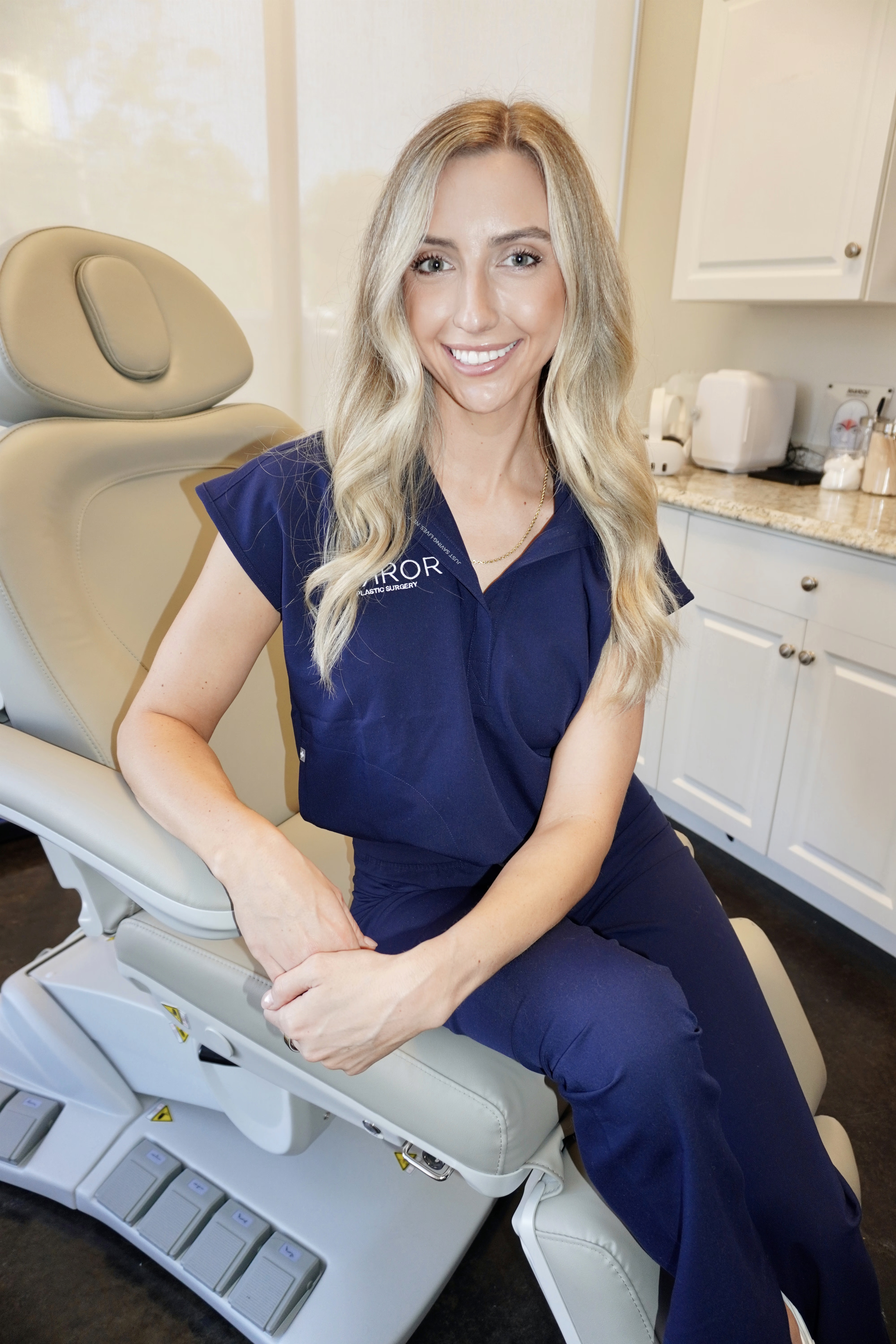
Ellie Pranckevicius, FNP-BC, leads the peptide therapy program at Mirror Plastic Surgery and blends esthetician training with advanced nursing expertise. Her four years in the Neuroscience ICU at Tampa General Hospital give her a deep understanding of complex physiology and metabolic health.
Our Comprehensive Process:
1. In-Depth Consultation: A 30 to 60 minute visit covers full medical history, symptom review, and a clear discussion of your goals.
2. Advanced Lab Analysis: Comprehensive hormone panels, thyroid tests, metabolic markers, and inflammation indicators help identify root causes.
3. Custom Peptide Stacks: Personalized combinations such as the Glow Stack (GHK-Cu, BPC-157, TB500) support inflammation control and collagen, while GLP-3R targets metabolic health.
4. Quality Assurance: All peptides come from vetted providers with strict batch testing to confirm purity and potency.
5. Ongoing Concierge Support: Patients receive direct text access to Ellie and scheduled telemedicine visits for adjustments and close monitoring.
Recent client outcomes include noticeable weight loss with less water retention within the first week, improvement of autoimmune conditions such as psoriasis, better lipid panels, and successful shifts from certain medications to peptide-based anxiety support. Schedule a consultation with Ellie to explore how a tailored peptide plan can support your hormone balance and overall vitality.
Frequently Asked Questions About Hormone Balance
What are the most reliable signs that my hormones are imbalanced?
The most consistent signs include fatigue that does not improve with rest, unexplained belly weight gain, mood swings, irritability, sleep problems, skin and hair changes, low libido, and temperature swings such as hot flashes. These symptoms often cluster together and tend to worsen over time without support. Patterns that persist for several weeks or months usually signal a true imbalance rather than a short-term fluctuation.
How do peptide therapies compare to traditional hormone replacement therapy for safety and effectiveness?
Peptide therapies stimulate your own hormone production instead of directly replacing hormones. This approach often produces fewer side effects and more sustainable balance. Traditional hormone replacement can bring faster symptom relief, while peptides provide targeted improvements and help maintain long-term regulation. Peptides work especially well for metabolism, tissue repair, and performance support. Many patients benefit from a carefully designed combination plan.
Can natural remedies alone effectively restore hormone balance, or do I need medical intervention?
Natural tools such as phytoestrogen-rich foods, stress management, restorative sleep, and targeted supplements can significantly improve mild imbalances. Chronic or more severe hormone issues usually respond better when medical therapies join these lifestyle changes. Natural strategies often serve as the foundation, while peptide therapies or other treatments address deeper disruptions. Your symptom severity, root causes, and response to lifestyle changes guide the level of medical support needed.
How long does it typically take to see improvements in hormone balance with peptide therapy?
Most patients notice better energy and overall well-being within 2 to 4 weeks of starting peptide therapy. Visible changes in body composition often appear around 6 to 8 weeks, and fuller optimization usually develops over 3 to 6 months. Results vary based on the degree of imbalance, peptide selection, lifestyle habits, and consistency with the plan. Some people experience rapid improvements in sleep or energy, while others see steady progress across several areas.
Are there risks associated with stopping peptide therapy once hormone balance is achieved?
Stopping peptide therapy usually leads to a gradual return of previous symptoms as the effects fade. Many patients can shift to a maintenance plan with lower doses or less frequent use to preserve benefits. The broader goal is to support your body so it can maintain more of its own hormone balance over time. A personalized maintenance strategy created with your provider helps sustain gains from active treatment.
Lasting hormone balance requires more than quick fixes and short-term supplements. A comprehensive, science-based plan that addresses root causes and supports your body’s own regulation works best. Mirror Plastic Surgery’s advanced peptide protocols, guided by Ellie Pranckevicius, provide the precision and personalization needed for long-term hormonal health. Book an appointment with Ellie Pranckevicius to start your path toward steadier hormones and renewed vitality.
Contact Mirror Plastic Surgery:
Phone: 727-361-6515
Email: hello@mirrorplasticsurgery.com
Address: 780 4th Ave S, St. Petersburg, FL 33701
Instagram: @mirrorplasticsurgery, @dr.akashplasticsurgery, @perfectlyplastics
Disclaimer: Results may vary from person to person. Editorial content, before and after images, and patient testimonials do not constitute a guarantee of specific results.
Disclaimer: Peptide therapy is intended for wellness and optimization purposes and is not prescribed to diagnose, treat, cure, or prevent disease unless specifically stated. Many peptides are not FDA-approved and may be used off-label. Some have limited long-term safety data, with a potential for unknown risks, complications, or desensitization with prolonged use.