
Written by: Ellie Pranckevicius, FNP-BC, Aesthetic Nurse Practitioner & Aesthetic Injector | Facial Restoration & Regenerative Injectable Specialist, Mirror Plastic Surgery | Last updated: July 11, 2026
Key Takeaways
- Peptide therapies act at the cellular and molecular level to calm inflammation, support tissue repair, and influence hormone signaling throughout the body, while standard medical-spa treatments create localized changes at the skin and tissue surface.
- Systemic peptides like BPC-157, TB-500, GHK-Cu, and GLP-1 agonists influence whole-body processes such as collagen production and metabolic health, whereas fillers, lasers, and skin boosters focus on specific areas to smooth, tighten, or volumize.
- Peptide therapy carries risks such as side effects, hormonal shifts, and contamination when products come from unregulated suppliers, and medically supervised protocols from compounding pharmacies significantly improve safety.
- Results from peptide therapy usually begin within 1–6 weeks depending on the goal, and benefits require ongoing maintenance and lifestyle support to remain stable.1
- At Mirror Plastic Surgery, patients receive lab-guided assessments and personalized peptide protocols under the supervision of Ellie Pranckevicius to determine whether systemic, localized, or combined approaches best match their health profile, and you can book a consultation today.
How Peptides Differ From Medical-Spa Treatments
Peptide therapy refers to the use of short-chain amino acid sequences that bind to specific receptors and trigger targeted biological responses, including collagen synthesis, growth hormone release, inflammatory modulation, and cellular energy production. Examples include BPC-157, TB-500, GHK-Cu, GLP-1 receptor agonists, and NAD.
Standard medical-spa treatments include localized, device- or injection-based procedures such as laser resurfacing, neurotoxins, dermal fillers, microneedling, skin boosters, and polynucleotides that act mainly on the dermis and subcutaneous tissue at the treatment site.
| Goal | Systemic Peptide Therapy | Localized Medical-Spa Treatment |
|---|---|---|
| Skin Aging | GHK-Cu stimulates collagen, elastin, and glycosaminoglycan synthesis body-wide, and supports dermal fibroblasts and reduces inflammatory cytokines. | Fillers, lasers, and skin boosters deliver hydration and collagen stimulation at the treatment site with a well-established safety record. |
| Weight Management | GLP-1 receptor agonists such as semaglutide and tirzepatide have demonstrated substantial efficacy in phase 3 trials. | Body-contouring devices such as cryolipolysis and radiofrequency reduce localized fat deposits without changing metabolic drivers. |
| Inflammation | BPC-157, TB-500, and GHK-Cu modulate inflammation at the transcriptional level without global immunosuppression or catabolic tissue effects. | Corticosteroid injections suppress local inflammation but can create catabolic tissue effects with repeated use. |
| Post-Procedure Recovery | Combination peptide protocols can promote faster healing, tissue regeneration, and reduced inflammation. | PRP and microneedling with exosomes enhance local tissue repair with increasing clinical support and minimal systemic exposure. |
Book an appointment with Ellie to receive a lab-guided assessment and learn which approach, systemic, localized, or combined, aligns with your specific health profile.
Risks and Downsides of Peptide Therapy
Most newer injectable peptides promoted for wellness, anti-aging, and recovery have not been thoroughly tested or reviewed by the FDA, unlike established peptides such as insulin and GLP-1 medications. This regulatory gap creates meaningful risks that depend heavily on sourcing and medical supervision.
Common side effects reported across supervised clinical settings include:
- Injection-site redness or swelling, mild headache, temporary fatigue, dizziness, and nausea, particularly with metabolic peptides.
- Gastrointestinal symptoms including nausea, upset stomach, diarrhea, or constipation.
- Reduced insulin sensitivity and higher blood sugar levels with some growth hormone secretagogues.
Rare but clinically significant risks include:
- Hormonal imbalance with GH-modulating peptides, aggravation of underlying endocrine disorders, and worsening of autoimmune conditions.
- Changes in hormone signaling with repeated exposure, which may lead to receptor desensitization or subtle endocrine imbalances.
- Arsenic contamination at levels 10 times the safety limit, sterility failures, and high endotoxin levels indicating bacterial contamination risks in unregulated injectable peptide products.
The sourcing distinction shapes overall safety. Unregulated peptide sources have documented problems such as incorrect peptide identity, dosing errors with actual potency ranging from 50 to 200 percent of labeled concentration, bacterial endotoxin contamination, heavy metal contamination, and non-sterile preparations. By contrast, most medically supervised peptide injections show high safety and tolerability when sourced from FDA-compliant compounding pharmacies and administered with proper technique.
Typical Timelines for Peptide Results
Improvements with peptide therapy for inflammation often begin within 1–2 weeks, with maximal effects at 4–6 weeks and full tissue remodeling continuing over 3–6 months.1 Timelines differ by treatment goal.
- Inflammation and pain: Many patients notice initial improvement within the first few weeks, with full benefits such as reduced inflammation and better joint mobility often developing over a 6–12 week course of consistent use.1
- Weight management: Without deliberate strategies such as higher protein intake and progressive resistance training, 25–40% of total weight lost during peptide therapy may come from lean body mass rather than fat, which highlights the value of supervised protocols.
- Skin aging and collagen: GHK-Cu can shorten healing time for wounds, and collagen remodeling continues for several months.1
- Recovery: A 2025 systematic review in orthopedic sports medicine found that BPC-157 promotes healing by boosting growth factors and reducing inflammation, with better structural and functional recovery across fracture, muscle, tendon, and ligament injury models.
- Energy: Most patients begin noticing changes within 4–8 weeks, depending on the peptide and treatment objective.1
Results do not last indefinitely. Abruptly stopping GLP-1-based peptide therapy without sustained behavioral changes often leads to rapid weight regain because of persistent counter-regulatory mechanisms such as increased ghrelin and decreased leptin signaling. Maintenance protocols usually play a role in preserving outcomes across all treatment categories.
Who Is Not a Good Candidate for Peptides?
Peptide therapy does not fit every patient profile. Peptide injections should be avoided or used cautiously in patients with the following conditions:
- Active or recent cancer
- Pregnancy or breastfeeding
- Uncontrolled thyroid, adrenal, or pituitary disorders
- Severe cardiovascular disease, depending on the peptide
- Known hypersensitivity to peptide components
- Significant autoimmune disorders, which require case-by-case review
Absolute contraindications for GH secretagogues include active malignancy, uncontrolled diabetes, active proliferative diabetic retinopathy, and untreated pituitary tumors. Individuals with autoimmune conditions, chronic infections, or a history of cancer may need additional evaluation before starting peptide therapy because of potential contraindications.
At Mirror Plastic Surgery, every peptide consultation with Ellie Pranckevicius includes a detailed review of medical history, current medications, and lab panels, including thyroid, liver, kidney, diabetes markers, and hormone panels, to screen for contraindications before any protocol begins.
Evidence for Peptide Therapy in Inflammation
Several peptides show anti-inflammatory activity in clinical and preclinical literature. The key compounds offered at Mirror Plastic Surgery include the following options.
- BPC-157 (Body Protective Compound 157): A pentadecapeptide derived from gastric juice that promotes angiogenesis, boosts natural growth factors, and targets muscle, tendon, ligament, and joint repair. A 2025 systematic review concluded that it promotes healing by boosting growth factors and reducing inflammation across fracture, muscle, tendon, and ligament injury models.
- TB-500 (Thymosin Beta-4): A soft-tissue repair peptide that recruits stem cells to injury sites, reduces acute inflammation, and supports growth of new tissue and blood vessels. TB-500 promotes organized collagen deposition and reduces myofibroblast activity, which can minimize scar tissue formation in soft tissue injuries.
- GHK-Cu (Copper Peptide): An anti-aging peptide that stimulates collagen, elastin, and glycosaminoglycan synthesis. GHK-Cu lowers inflammatory markers in tissue, including TNF-alpha, IL-6, and other pro-inflammatory cytokines.
- GLP-3R: A newer-generation receptor agonist similar in mechanism to GLP-1, the pathway targeted by semaglutide, designed to support weight management, insulin resistance, and cardiovascular risk factors with a reported reduction in gastrointestinal side effects compared to older GLP-1 formulations.
- NAD (Nicotinamide Adenine Dinucleotide): A coenzyme present in every cell that supports mitochondrial energy production and cellular repair, used in anti-aging and energy-focused protocols.
Compared to corticosteroids, peptides such as BPC-157, TB-500, and GHK-Cu offer anti-inflammatory effects without global immunosuppression or catabolic tissue effects. Compared to NSAIDs, therapeutic peptides modulate inflammation at the transcriptional level and enhance healing cascades, while NSAIDs primarily block prostaglandin synthesis. Long-term human data remains limited, and most research on non-GLP-1 peptides comes from animal models and early-stage clinical studies. Given this evolving evidence base, the clinical expertise and sourcing standards of your practitioner play a central role in safe, effective peptide therapy.
Meet Your Practitioner: Ellie Pranckevicius, FNP-BC
Ellie Pranckevicius, FNP-BC, serves as the lead practitioner for peptide therapies and non-surgical aesthetics at Mirror Plastic Surgery. She holds a Bachelor’s in Health Science from Boston University, completed an aesthetics licensure program, and earned both her Bachelor’s and Master’s in Nursing from the University of South Florida.
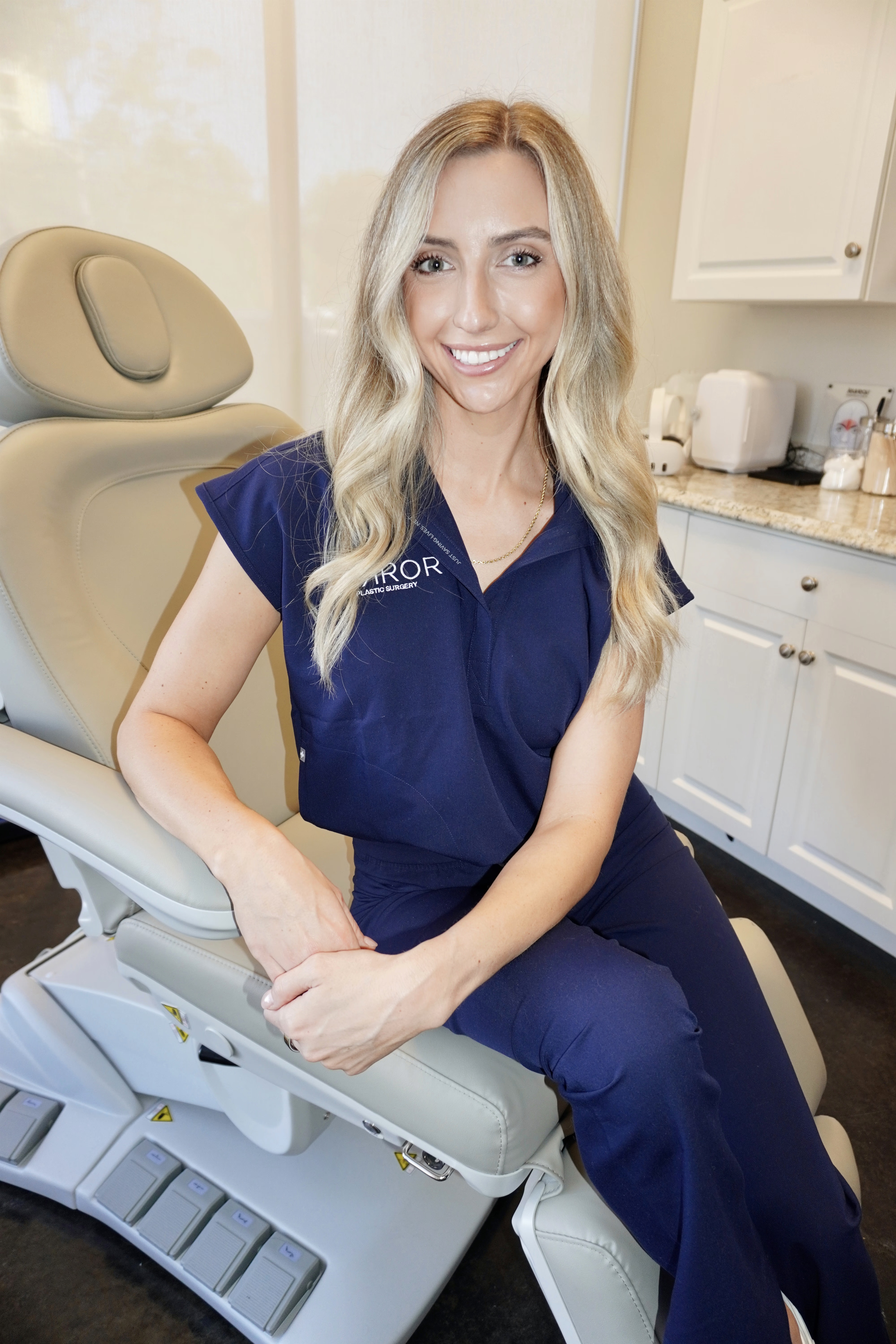
Her clinical foundation includes four years in the Neuroscience ICU at Tampa General Hospital, where she developed advanced expertise in physiology, metabolic health, and complex recovery. That experience directly shapes her approach to peptide protocols and patient safety.
Ellie began her career at a high-end medical spa in Boston, which gives her a rare dual perspective in peptide medicine. She combines a deep understanding of skin physiology and aesthetic assessment with the clinical science needed to design safe, effective systemic protocols.
Her approach centers on education, and she explains the physiology behind each recommendation in clear, accessible language. She is also known for telling patients when a service or product is not yet necessary, placing long-term outcomes ahead of short-term revenue.
When surgical integration makes sense, Ellie’s work is complemented by Dr. Akash Chandawarkar, MD, a Harvard-educated physician, Johns Hopkins-trained plastic surgeon, and fellowship-trained aesthetic surgeon at Manhattan Eye Ear and Throat Hospital. Book an appointment with Ellie to discuss your health history, review lab results, and build a protocol tailored to your physiology. Here is what that process looks like in practice.
How the Peptide Program Works at Mirror Plastic Surgery
Mirror Plastic Surgery’s peptide program follows a structured, lab-guided process that closes the sourcing, dosing, and monitoring gaps common in self-directed treatment.
- Comprehensive consultation (30–60 minutes): Ellie reviews medical history, current medications, symptoms, and health goals in a one-on-one session, either in person at the St. Petersburg clinic or via telemedicine across the United States.
- Lab review and ordering: For weight management and inflammatory conditions, relevant panels such as thyroid, liver, kidney, diabetes markers, and hormone levels are reviewed or ordered before any protocol begins.
- Custom stack selection: Peptide stacks are built around individual lab results and goals, not a generic menu. Examples include the Glow Stack with GHK-Cu, BPC-157, and TB-500 for inflammation and skin aging, GLP-3R for metabolic health, and NAD for energy support.
- Sourcing standards: Peptides come from reputable compounding pharmacies with documented batch testing, certificates of analysis, and sterility verification, which addresses the contamination risks seen in independent testing of unregulated products.
- Ongoing concierge support: Patients have direct text access to Ellie for questions, refill requests, and dose adjustments, and telemedicine follow-ups occur at set intervals to assess response and update protocols.
A survey of 507 U.S. physicians found that 33% cite patients self-directing treatment without clinical oversight as their top concern if access to peptides were expanded. Mirror Plastic Surgery’s concierge model directly addresses that concern by providing supervision, sourcing accountability, and consistent monitoring that self-treatment and high-volume clinics often lack.
Key Factors to Weigh Before Starting Peptides
Several misconceptions in the biohacking community can shape decisions about peptide therapy, and clarifying them helps patients set realistic expectations.
- Peptides are not only for weight loss. The therapeutic range includes inflammation, autoimmune support, post-surgical recovery, skin aging, energy, neurological health, sexual wellness, and fertility.
- Results require maintenance. Peptide therapy does not function as a single, permanent intervention, and benefits fade when protocols stop without a structured maintenance plan.
- Sourcing determines safety. Peptide therapy safety depends primarily on the source, the physician oversight, and the patient selection. As outlined in the clinical workflow section, Mirror Plastic Surgery uses batch-tested compounding pharmacies, which contrasts sharply with unregulated “research use only” products that bypass pharmaceutical standards entirely.
- Outcome variability is real. Genetics, diet, lifestyle, baseline lab values, and the specific peptide stack all influence individual results, and a personalized protocol based on lab data offers the most reliable path to meaningful change.
- Combination with surgical recovery is an established application. Post-operative peptide protocols at Mirror Plastic Surgery are designed to reduce inflammation and support healing in coordination with surgical procedures performed by Dr. Chandawarkar.
Frequently Asked Questions
Are peptides FDA-approved?
More than 100 peptide drugs hold FDA approval in the United States, including insulin, semaglutide, teriparatide, and bremelanotide. Many peptides used in wellness and aesthetic settings, including BPC-157, TB-500, and GHK-Cu, are not FDA-approved for specific indications and are prescribed off-label or compounded.
The main risk often comes from unregulated sourcing and lack of medical supervision rather than from the peptide structure alone. At Mirror Plastic Surgery, peptides are obtained from compounding pharmacies with documented batch testing and are prescribed only after a comprehensive clinical evaluation.
What happens if I stop taking peptides?
Benefits from peptide therapy fade over time after a protocol ends.1 When you stop treatment, the physiological effects gradually return toward baseline, similar to stopping any structured health regimen.
For inflammation management, underlying immune activity often returns to its previous pattern. For weight management, counter-regulatory hormonal mechanisms can drive rapid regain without sustained behavioral changes. Ellie designs maintenance protocols to help patients preserve outcomes and adjusts them based on follow-up lab data and symptom feedback.
Is peptide therapy safe for people with autoimmune conditions?
Autoimmune conditions call for individualized evaluation before starting peptide therapy. Some peptides that modulate immune activity may help certain autoimmune presentations, while others could worsen underlying immune dysregulation.
Mirror Plastic Surgery’s consultation process includes a thorough review of autoimmune history, current medications, and relevant lab markers before any protocol is recommended. Patients with significant autoimmune disorders are not excluded automatically but receive more detailed screening and closer monitoring.
How is Mirror Plastic Surgery different from buying peptides online?
Online peptide retailers often sell products labeled “for research use only” that bypass pharmaceutical manufacturing standards, with no guarantee of sterility, correct dosing, or peptide identity. Independent testing has found contamination with heavy metals and bacterial agents in some unregulated products.
Mirror Plastic Surgery sources peptides from compounding pharmacies with batch testing and certificates of analysis, provides a comprehensive medical evaluation before prescribing, and offers ongoing concierge support, including direct text access to Ellie and scheduled telemedicine follow-ups throughout the protocol.
Can peptide therapy be combined with surgical procedures?
Peptide therapy can pair effectively with surgical procedures when coordinated by a qualified team. Post-surgical peptide protocols at Mirror Plastic Surgery use agents such as BPC-157 and TB-500 to reduce post-operative inflammation and support tissue healing, which complements procedures performed by Dr. Chandawarkar.
The coordination between Ellie’s peptide protocols and the surgical team allows for a recovery plan that addresses both the procedural site and overall healing capacity. Patients interested in combining surgical and peptide-based care receive a comprehensive evaluation to ensure timing and stack selection align with their surgical plan.
Disclaimer: Peptide therapy outcomes vary by individual based on genetics, health status, lifestyle, and protocol adherence. Many peptides discussed in this article are not FDA-approved for specific indications and are prescribed off-label or compounded. Compounded drugs have not been evaluated by the FDA for safety or effectiveness. This content is for educational purposes only and does not constitute medical advice. Consult a licensed medical provider before starting any peptide therapy.
Summary and Next Steps
Systemic peptide therapies and localized medical-spa treatments address different layers of physiology. Peptides act at the cellular and molecular level to modulate inflammation, support tissue repair, influence metabolic signaling, and promote collagen synthesis throughout the body, while medical-spa treatments deliver targeted, well-documented results at the tissue surface.
Many patients benefit from a coordinated plan that uses both approaches under medical supervision with protocols built around individual lab data. The central variable in peptide therapy safety and efficacy is not the peptide alone, but the sourcing standard, the depth of clinical evaluation, and the continuity of monitoring.
Mirror Plastic Surgery’s concierge model addresses each of these factors through comprehensive consultation, batch-tested sourcing, custom stack design, and ongoing direct access to Ellie Pranckevicius. Book an appointment with Ellie at Mirror Plastic Surgery’s St. Petersburg clinic or via telemedicine to receive a personalized evaluation, lab-guided protocol, and the concierge support needed for safe, measurable results.
1 Results may vary from person to person. Editorial content, before and after images, and patient testimonials do not constitute a guarantee of specific results.
Peptide therapy is intended for wellness and optimization purposes and is not prescribed to diagnose, treat, cure, or prevent disease unless specifically stated. Many peptides are not FDA-approved and may be used off-label. Some have limited long-term safety data, with a potential for unknown risks, complications, or desensitization with prolonged use.