
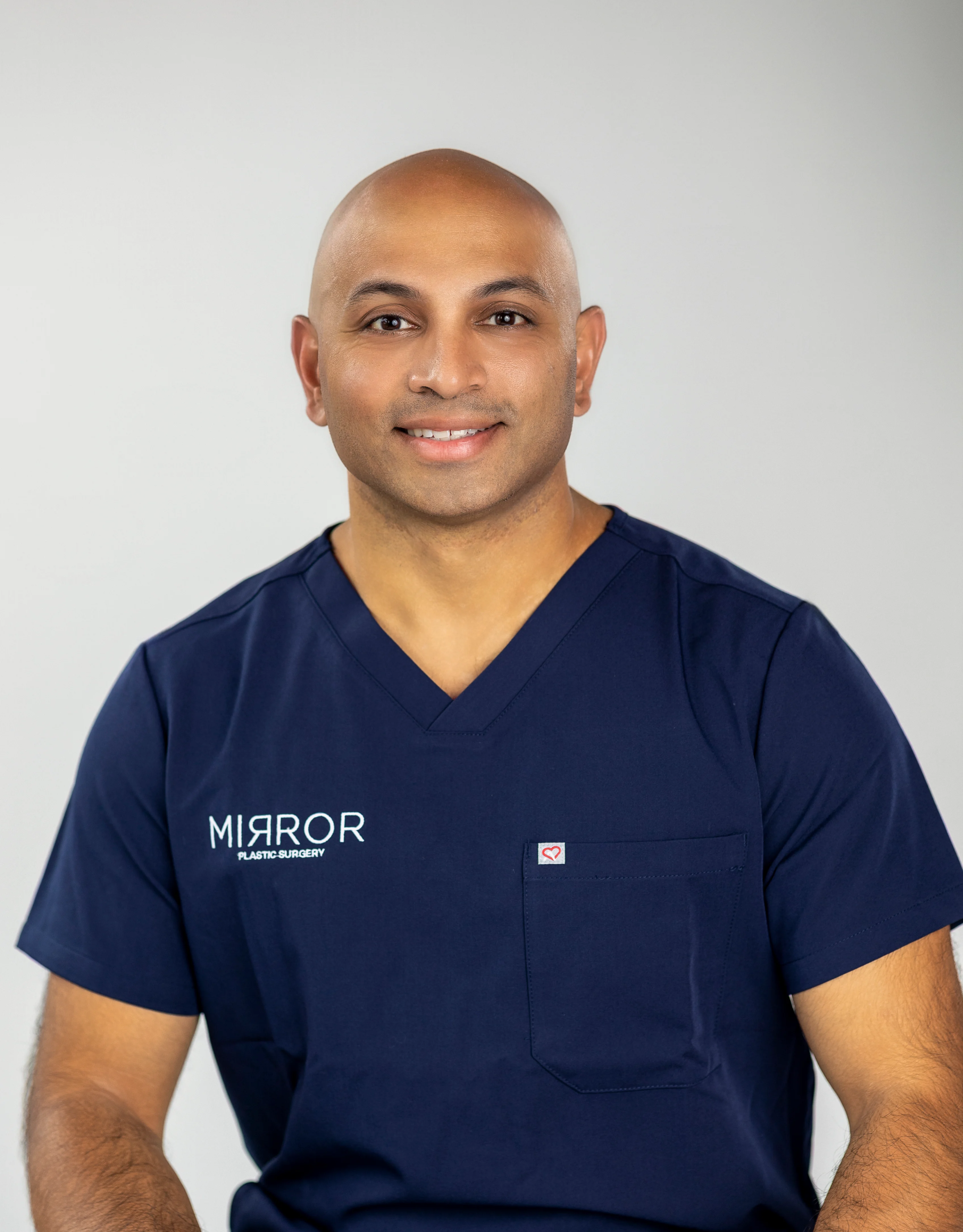
Written by: Dr. Akash Chandawarkar, Board Certified Plastic Surgeon, Mirror Plastic Surgery | Last updated: September 9, 2026
Key Takeaways
- Clinical-grade collagen peptide therapy uses physician-supervised treatments such as GHK-Cu peptides, Sculptra biostimulators, and microneedling with peptide adjuncts, which differ from over-the-counter powders or serums.
- In Tampa, systemic peptide protocols typically cost $150–$350 per session or $140–$200 monthly, Sculptra ranges from $800–$1,200 per vial, and microneedling with peptides runs $150–$350 per session.
- Major cost drivers include the initial consultation and lab work ($150–$1,000), the peptide mix used, protocol length (usually 3–6 months), provider expertise, and geographic location.
- Safe care involves board-certified physician oversight, lab-based personalized protocols, documented peptide sourcing with third-party testing, and clear pricing before you commit.
- Patients in the Tampa Bay area can schedule a consultation with Dr. Akash Chandawarkar at Mirror Plastic Surgery for a personalized treatment plan and transparent pricing.
What Is Clinical-Grade Collagen Peptide Therapy?
Clinical-grade collagen peptide therapy uses medically supervised treatments that stimulate or support the body’s collagen and elastin production. This category differs from retail collagen powders or cosmetic serums. The term “clinical-grade” is not regulated, yet it signals physician oversight and quality-controlled, professionally sourced products. Three main treatment categories fall under this umbrella: systemic peptides, injectable biostimulators, and aesthetic procedures. Each category supports collagen in a different way.
Systemic Peptides (e.g., GHK-Cu): GHK-Cu (copper peptide, or glycine-histidine-lysine bound to copper) is a naturally occurring tripeptide whose levels decline with age, which may contribute to slower healing and visible skin aging. In clinical settings, it is delivered as a subcutaneous injectable, a microneedling adjunct, or a topical serum. Each route has distinct dosing requirements and oversight needs. At Mirror Plastic Surgery, GHK-Cu is available individually or as part of the Glow Stack, a custom combination with BPC-157 and TB-500 that targets systemic inflammation, melasma, and collagen and elastin production.
Injectable Biostimulators (e.g., Sculptra): Sculptra is an FDA-approved injectable made from poly-L-lactic acid (PLLA). It gradually stimulates the body’s own collagen production rather than adding immediate volume. Results develop over three to six months and can last two years or more, which makes it one of the longest-lasting injectable options.1
Aesthetic Procedures (e.g., Microneedling With Peptides): These in-office treatments pair mechanical collagen induction with topical peptide application. A 2026 prospective split-face clinical trial published in the Journal of Cosmetic Dermatology found that a GHK-conjugated spicule delivery system produced significant improvements in periorbital wrinkle depth, dermal density, pore volume, roughness, and elasticity after five weekly treatments.1 The intensive multi-ingredient regimen also achieved higher responder rates than the base regimen alone.
How Much Does Clinical-Grade Collagen Peptide Therapy Cost In Tampa?
Clinical-grade collagen peptide therapy pricing in Tampa depends on therapy type, protocol length, and provider expertise. The table below outlines typical cost frameworks for the Tampa Bay market. These ranges come from 2026 pricing data and serve as general guidance rather than firm quotes. A personalized quote follows a thorough consultation with a physician who reviews your medical history, labs, and goals.
| Therapy Type | Typical Cost Range | What’s Included | Treatment Frequency |
|---|---|---|---|
| Systemic Peptide Therapy (GHK-Cu or custom stacks) | $150–$350 per session for clinic-administered programs; in-person clinic bundles including exam, labs, and follow-up typically cost $140–$200 per month | Peptide compound, physician oversight, injection supplies | Daily or several times weekly, with protocols typically lasting 3–6 months |
| Injectable Biostimulators (Sculptra) | $800–$1,200 per vial in Tampa; full series $2,000–$6,000 | Product, in-office injection, provider expertise | Two to three sessions spaced 4–6 weeks apart, then annual maintenance |
| Aesthetic Procedures (microneedling + peptides) | $150–$350 per microneedling session with peptide adjunct | In-office treatment, topical peptide serum | Every 4–6 weeks, with monthly or quarterly maintenance |
What Affects The Cost Of Collagen Peptide Therapy?
These ranges are not fixed; they shift based on several key variables. Understanding these factors helps you anticipate what your personalized quote might include. Several variables determine the total investment for a clinical-grade collagen peptide protocol.
- Initial Consultation And Lab Work: A comprehensive physician evaluation, including blood panels assessing hormone levels, thyroid function, and metabolic markers, forms the foundation for a personalized protocol. Initial consultations run $150–$400 for in-person visits, with baseline blood work adding $100–$600 depending on comprehensiveness. At Mirror Plastic Surgery, Dr. Akash often spends up to an hour with each patient during this first visit, a level of attention that high-volume clinics rarely match.
- Type And Combination Of Peptides: Single peptides like GHK-Cu cost less than custom stacks. Mirror Plastic Surgery’s Glow Stack, which combines GHK-Cu, BPC-157, and TB-500, addresses systemic inflammation, melasma, and collagen production at the same time. More complex protocols require more product and closer oversight, which increases cost.
- Number Of Sessions Or Protocol Duration: Most peptide therapy protocols run three to six months. Ongoing maintenance is common for systemic peptides. Sculptra usually involves two or three initial sessions, followed by one maintenance vial per year.
- Provider Expertise And Supervision: Board-certified physician oversight costs more than nurse-injector or med-spa models, yet it supports appropriate dosing, contraindication screening, and quality sourcing.
- Geographic Location: Major cities like New York, Los Angeles, and Miami run 30–50% above national averages for injectable treatments. Tampa Bay pricing reflects Florida’s competitive aesthetic market and is generally more accessible than major coastal metros.
- First-Month All-In Costs: The first month of peptide therapy typically totals $500–$1,400, including the session costs above plus initial consultation and lab work. Ongoing monthly costs usually decrease once the protocol is established.
Local Tampa Provider Considerations: What To Look For
The Tampa Bay area has a growing number of clinics offering peptide therapy and injectable biostimulators, and provider quality varies widely. A few practical criteria help you separate safe, high-quality practices from high-volume or under-supervised models.
- Board-Certified Physician Oversight: Choose a practice where a physician leads the peptide program, rather than a delegated aesthetician or nurse injector working without direct supervision.
- Personalized Protocols Based On Labs: Quality providers review blood work and medical history before recommending any peptide. A protocol offered without lab review reflects a one-size-fits-all approach that ignores individual physiology.
- Quality Peptide Sourcing: A Certificate of Analysis (COA) for a compounded injectable peptide should show HPLC purity of 98% or above, endotoxin testing meeting USP limits, sterility testing per USP 71, and ideally third-party testing independent of the compounding pharmacy. Ask to see this documentation before you commit.
- Concierge Support: Ongoing access to your provider for questions, adjustments, and refills signals a practice invested in your outcomes rather than only your initial transaction.
- Transparent Cost Disclosure: A reputable clinic can provide a written all-in cost estimate before collecting payment information. Request a written itemization of every fee before signing anything.
At Mirror Plastic Surgery, Dr. Akash Chandawarkar personally leads every peptide protocol. His approach centers on education and honesty, and he often tells patients when a treatment is not necessary yet. He prioritizes long-term results over short-term revenue. The practice serves the entire Tampa Bay area from its St. Petersburg location and offers remote consultations across the United States. If you are ready to move forward, book an appointment with Ellie to begin your personalized protocol.
Once you have identified a qualified provider, the next practical step involves planning how to pay for treatment.
Is Collagen Peptide Therapy Covered By Insurance?
Clinical-grade collagen peptide therapy is considered elective and is not covered by standard health insurance. GHK-Cu is classified as a wellness or cosmetic treatment rather than a medically necessary prescription, and most other therapeutic peptides share the same coverage status. Several options can help you manage costs.
- HSA/FSA Funds: HSA and FSA funds can generally cover prescribed peptide therapy, effectively reducing cost by the marginal tax rate, roughly 22% for the median household, when a physician documents a medical purpose. A valid prescription and documented medical condition are required, and general wellness goals may not qualify.
- Financing Options: Many practices, including Mirror Plastic Surgery, offer payment plans or accept medical credit options to help patients manage the cost of a full treatment series.
- Ask Upfront: A reputable provider will give you a transparent, itemized cost breakdown before you commit to any protocol.
What Is The Downside Of Peptide Therapy?
Peptide therapy carries real considerations that every patient should understand before starting a protocol.
- Not FDA-Regulated For Most Uses: Most peptides are not FDA-approved for the indications they are commonly prescribed for. The safety of peptides depends on the specific compound, dose, purity, route of administration, and individual health status. The risk lies primarily in unregulated products. When peptides are properly sourced and supervised, the peptides themselves are not the main source of risk.
- Potential Side Effects: Common adverse effects for injectable peptides include injection-site redness, swelling, bruising, flushing, mild nausea, water retention, headache, and joint aches. Serious complications remain rare under medical supervision.
- Contraindications: GHK-Cu is contraindicated in active malignancy, pregnancy and breastfeeding, Wilson’s disease or copper metabolism disorders, and concurrent chelation therapy. Medical screening before initiation is essential.
- The Online Risk: Peptides sold online without medical supervision carry risks due to lack of third-party testing for quality and dosing. That is why physician supervision and pharmacy-grade sourcing are essential to making peptide therapy safe.
- Evidence Limitations: Human evidence for GHK-Cu in skin aging consists mainly of small cosmetic studies, and systemic anti-aging claims are not yet supported by large-scale human clinical trials. A responsible provider sets realistic expectations grounded in the current evidence base.
How To Choose The Right Therapy And Provider
Choosing the right collagen peptide therapy starts with clarifying your goals and working with a provider who can evaluate them thoroughly.
- Clarify Your Goals: Anti-aging benefits such as collagen production and skin quality, inflammation management, post-surgical recovery, and overall wellness each point toward different peptide protocols. Mirror Plastic Surgery’s offerings span GHK-Cu, the Glow Stack, NAD, Sermorelin/Ipamorelin, and more, each matched to specific clinical indications.
- Get A Thorough Evaluation: A legitimate provider spends 30–60 minutes with you, reviews your medical history, and orders labs before recommending anything. For weight loss or certain inflammatory conditions, Mirror Plastic Surgery reviews or orders lab panels including thyroid, liver, kidney, diabetes markers, and hormone panels to identify root causes and tailor treatment.
- Ask About Sourcing: Request information about where peptides are sourced and whether third-party batch testing is performed. Signs of fair, trustworthy pricing include the provider disclosing purity and sourcing information clearly, avoiding pressure to buy large quantities upfront, and explaining what each fee includes.
- Ensure Personalized Planning: Avoid practices offering the same protocol to every patient. Your peptide stack should be tailored to your labs, physiology, and goals rather than a pre-packaged program designed for throughput.
Frequently Asked Questions
What Is The Downside Of Peptide Therapy?
The primary downside is that most peptides are not FDA-regulated for the indications they are commonly used for, so quality and safety depend on the source and supervising provider. Unregulated online products may be mislabeled, impure, or incorrectly dosed. Peptides sourced from reputable providers and used under medical supervision are considered safer than unregulated online products. The risk relates to how peptides are sourced and administered rather than to the entire class of compounds.
Will A Doctor Prescribe Peptides?
Yes. Board-certified physicians like Dr. Akash Chandawarkar can prescribe peptides after a thorough consultation and, when appropriate, lab analysis. At Mirror Plastic Surgery, every protocol is designed around each patient’s labs and physiology and is medically supervised throughout. This physician oversight distinguishes safe, effective therapy from risky self-experimentation with unverified online products.
How Long Do Results Last?
Results vary by therapy type and individual physiology.1 Systemic peptides like GHK-Cu require ongoing protocols, typically three to six months for full effects, with maintenance protocols for sustained benefits. If you stop, the effects gradually diminish, similar to stopping any health regimen. Injectable biostimulators like Sculptra build collagen over three to six months, with results lasting up to two years or more; annual maintenance sessions usually sustain those results.1 Your provider should set realistic, evidence-based expectations specific to your protocol.
Are Peptides Safe?
As noted earlier, the safety of peptides depends on sourcing and supervision, not the peptide itself. Risks emerge primarily when peptides are purchased from unregulated online sources without medical oversight. Products may be contaminated with bacterial endotoxins, heavy metals, or residual solvents, and may contain less or more peptide than stated. Professional supervision, including lab work, contraindication screening, and verified sourcing, makes peptide therapy meaningfully safer than self-administered alternatives.
Is Collagen Peptide Therapy Covered By Insurance?
No. Clinical-grade collagen peptide therapy is considered elective and is not covered by standard health insurance. However, HSA and FSA funds can often be applied when a physician documents a medical purpose and issues a valid prescription. Many practices also offer financing options to help patients manage the cost of a full treatment series. A reputable provider will give you a transparent, itemized cost breakdown before you commit to any protocol.
What Results Can I Expect?
Results vary significantly by individual, protocol, and consistency of use. Patients commonly report improved skin quality and elasticity, reduced inflammation, enhanced energy, and better overall wellness.1 GHK-Cu specifically supports collagen and elastin production, with improvements in skin, hair, and nail health reported across clinical and cosmetic studies. Mirror Plastic Surgery patients have reported outcomes including reversal of autoimmune conditions such as psoriasis, improved lipid panels, faster post-surgical recovery, and transitions from pharmaceutical SSRIs to nootropic peptides for anxiety management.1 Your provider should give you realistic expectations grounded in your specific protocol and the current evidence base rather than guaranteed outcomes.
Conclusion: Invest In Physician-Supervised Care
Clinical-grade collagen peptide therapy costs vary widely based on therapy type, protocol complexity, and provider expertise. The cheapest option, buying peptides online without a prescription or medical oversight, is also the most dangerous. It offers no quality assurance, no contraindication screening, and no accountability if something goes wrong.
The most valuable investment is physician-supervised care that includes thorough evaluation, personalized protocols, quality sourcing from accredited compounding pharmacies, and ongoing concierge support. Under the direction of Dr. Akash Chandawarkar, Mirror Plastic Surgery provides this level of care, with transparent pricing determined during consultation, every protocol personalized to your labs and physiology, and 24/7 direct access to Dr. Akash throughout your treatment journey. The practice serves Tampa Bay from its St. Petersburg location and offers remote consultations across the United States.
Disclaimer: Peptide therapies are not FDA-regulated for most wellness indications, and results vary by individual. Nothing in this article constitutes medical advice or a guarantee of outcomes. All treatment decisions should be made in consultation with a licensed physician.
1 Results may vary from person to person. Editorial content, before and after images, and patient testimonials do not constitute a guarantee of specific results.
Peptide therapy is intended for wellness and optimization purposes and is not prescribed to diagnose, treat, cure, or prevent disease unless specifically stated. Many peptides are not FDA-approved and may be used off-label. Some have limited long-term safety data, with a potential for unknown risks, complications, or desensitization with prolonged use.