
Written by: Dr. Akash Chandawarkar, Board Certified Plastic Surgeon, Mirror Plastic Surgery | Last updated: September 9, 2026
Key Takeaways
- Oral hydrolyzed collagen peptides (2.5–10 g daily) provide systemic support for skin and joints, backed by 26 randomized controlled trials.
- Topical copper peptides like GHK-Cu stimulate local collagen synthesis and improve skin firmness with a favorable safety profile.
- Injectable GHK-Cu, BPC-157, and TB-500 offer targeted tissue repair and require medical supervision because of safety and regulatory factors.
- Combining oral collagen supplements with topical copper peptides provides collagen support across different tissue depths and mechanisms.
To determine the safest, most effective peptide strategy for your goals, schedule a personalized consultation.
Collagen Basics And How Peptides Support It
What Collagen Is And Why It Declines
Collagen is the most abundant protein in the human body, comprising approximately 30% of total protein mass, and it provides structural support to skin, joints, tendons, and connective tissue. A 2011 foundational review catalogued 28 distinct collagen types, with Type I dominating skin, bone, and tendon, and Type III contributing to skin and vascular walls.
Collagen production starts to decline in the twenties and drops faster with sun exposure, smoking, and poor diet. Plasma concentrations of the copper peptide GHK-Cu, a key regulator of collagen synthesis, fall from about 200 ng/mL in young adults to roughly 80 ng/mL by age 60. Researchers associate this decline with reduced tissue repair capacity.
What “Peptides” Means In Collagen Care
The word “peptide” covers three different categories in the collagen world, and mixing them up leads to confusion and poor product choices.
- Hydrolyzed Collagen Peptides are oral supplements. Manufacturers break animal collagen into fragments of roughly 2–10 kilodaltons, dose them in grams per day, and your gut absorbs them as amino acid building blocks that signal fibroblasts to produce more collagen.
- Cosmetic Signal And Carrier Peptides are topical skincare actives. Molecules like GHK-Cu (copper peptide) or palmitoyl pentapeptide-4 (Matrixyl) interact with skin receptors locally and stimulate collagen gene expression.
- Bioactive Injectable Peptides are single defined molecules such as GHK-Cu, BPC-157, and TB-500. Clinicians dose them in micrograms or milligrams from reconstituted vials and administer them under medical supervision for systemic or targeted tissue effects.
Oral Collagen Peptides: Your Systemic Foundation
Hydrolyzed collagen peptides are absorbed as di- and tripeptides, notably Pro-Hyp and Hyp-Gly, which enter circulation and signal fibroblasts to increase collagen synthesis. A 2019 pharmacokinetic study showed these dipeptides in human plasma within one hour of ingestion, with peaks at two to four hours, confirming systemic bioavailability.
The clinical evidence base is substantial. A 2023 meta-analysis of 26 randomized controlled trials involving 1,721 participants found that hydrolyzed collagen supplementation produced statistically significant improvements in skin hydration and elasticity compared with placebo1. A 2024 double-blind, placebo-controlled RCT in the Journal of Cosmetic Dermatology followed 120 participants taking 10 g/day of hydrolyzed marine collagen for 12 weeks and reported measurable elasticity improvements by week eight1.
Dosing ranges are now clearer. A 2026 review in Food, Nutrition and Health found that daily oral doses of about 2.5–5 g appear most consistently effective for skin outcomes, and higher intakes up to 10 g/day have not reliably shown proportionally greater benefits. A 2026 narrative review in Nutrients confirmed that benefits are most consistent with low-molecular-weight hydroxyproline-rich peptides, and peptide characteristics matter more than collagen source.
Results remain modest and gradual. Most people need 8–12 weeks of consistent use before noticing visible changes, and benefits fade after stopping. A 2026 systematic review of 25 RCTs noted that many trials carried a high risk of bias and called for higher-quality, longer-term studies. Oral collagen peptides still serve as a solid, evidence-backed foundation for systemic support when used with realistic expectations.
Topical Peptides: Local Support For Skin
Copper Peptides (GHK-Cu)
GHK-Cu is a naturally occurring copper-binding tripeptide that stimulates collagen I and III synthesis in fibroblasts, modulates matrix metalloproteinases, and supports tissue remodeling. Its copper component matters because copper is a required cofactor for lysyl oxidase, the enzyme that cross-links collagen and elastin fibers.
A randomized pilot trial by Abdulghani et al. (1998) involving 67 women found that 70% of the group using topical GHK-Cu cream showed measurable increases in collagen density over 12 weeks, compared with 40% in the tretinoin group, based on skin biopsies, and GHK-Cu was better tolerated than tretinoin1. A 2023 double-blind randomized split-face controlled trial (n=60) in the Journal of Cosmetic Dermatology found that topical GHK-Cu 0.05% improved skin firmness by 22% and reduced fine lines by 16%1.
Signal Peptides And Other Topical Options
Signal peptides such as palmitoyl pentapeptide-4 (Matrixyl) mimic collagen breakdown fragments and prompt fibroblasts to produce more collagen as a repair response. These ingredients appear in many cosmetic formulations and generally show good tolerability, although their evidence base is thinner than that of GHK-Cu. Topical peptides act at the skin surface and do not replace systemic or injectable approaches for deeper tissue effects.
Topical copper peptides remain the most studied cosmetic peptides for collagen support. Their effects stay localized and require consistent application over weeks to months. A 24-month open-label safety trial in 146 participants using 2% GHK-Cu serum daily found stable mean plasma copper throughout, with Grade 1 irritation in only 8.2% of participants during the first two weeks, which compares favorably to retinoids.
Injectable Peptides: Targeted Clinical Support
GHK-Cu: The Collagen-Boosting Leader
Injectable GHK-Cu delivers copper directly to tissues, supports lysyl oxidase, and modulates over 4,000 human genes toward regeneration, antioxidant defense, and antifibrosis. It directly upregulates collagen gene transcription (COL1A1, COL1A2, COL3A1, ELN) and lysyl oxidase, and increases antioxidant enzymes SOD by 80% and catalase by 56%. Topical GHK-Cu has strong human data, while injectable evidence is still emerging, which makes medical supervision essential.
BPC-157 And TB-500: The Repair Peptides
BPC-157 drives angiogenesis through the VEGF/eNOS pathway and has the largest preclinical evidence base of any repair peptide, with over 500 published studies, but it still lacks completed human clinical trial data. TB-500 drives cell migration through actin cytoskeletal dynamics and is the only recovery peptide with published Phase 2 human clinical data, from trials in dry eye disease and cardiac repair.
At Mirror Plastic Surgery, these peptides are combined with GHK-Cu in the Glow Stack protocol to address inflammation, tissue repair, and collagen production in a coordinated way. The three compounds support complementary mechanisms: vascular establishment with BPC-157, cell recruitment with TB-500, and matrix quality programming with GHK-Cu.
Why Medical Supervision Matters For Injectables
As of April 22, 2026, the FDA removed BPC-157, TB-500, and injectable GHK-Cu from 503A Category 2, and the Pharmacy Compounding Advisory Committee is scheduled to review BPC-157 and TB-500 in July 2026, with GHK-Cu anticipated before February 2027. This active regulatory review requires expert guidance.
A 2018 analytical study found that many commercial research peptides had purity below label claim, incorrect molecular weight by mass spectrometry, or unlabeled peptide fragments. Product sourcing therefore becomes a major real-world risk. At Mirror Plastic Surgery, peptides come from reputable providers with batch testing, patients complete comprehensive lab panels before starting any protocol, and every plan is designed around each patient’s physiology by Dr. Akash Chandawarkar.
Schedule a consultation with Ellie to start your medically supervised peptide evaluation with full lab analysis.
Comparing Your Options: Choosing The Right Route
| Factor | Oral Collagen Peptides | Topical Copper Peptides | Injectable GHK-Cu (Supervised) |
|---|---|---|---|
| Evidence Base | Strong, with 26 RCTs and 1,721 participants | Moderate, with small RCTs and decades of mechanistic data | Emerging, with strong topical data and limited injectable human trials |
| Time To Results | 8–12 weeks1 | 4–12 weeks1 | Variable, often faster because of systemic delivery1 |
| Best For | Systemic support for skin, joints, and nails | Localized skin firmness and elasticity | Targeted anti-aging, inflammation, and tissue repair |
| Supervision Required | No | No | Yes, essential for safety and efficacy |
This comparison shows that each route targets a different mechanism and tissue depth. Many patients therefore combine approaches: daily oral collagen for systemic support, a copper peptide serum for localized skin improvement, and periodic injectable protocols for deeper rejuvenation. The combination is complementary because the routes work together to address collagen decline more completely than any single option.
Safety, Risks, And What To Watch For
Oral collagen peptides are classified as Generally Recognized as Safe (GRAS) and are well-tolerated at doses up to 15 g/day for 12 weeks, with mild gastrointestinal symptoms such as bloating and fullness as the most common side effects. People with fish allergies should avoid marine collagen, and those with chronic kidney disease should talk with a physician before adding significant protein supplementation.
Topical GHK-Cu is generally well-tolerated, with a low irritation risk of 2–8%. However, mixing GHK-Cu with vitamin C in the same application is chemically problematic because ascorbic acid can reduce Cu(II) to Cu(I), destabilize the complex, and generate reactive oxygen species, so apply them at different times of day. GHK-Cu is also contraindicated in Wilson’s disease, where impaired copper metabolism makes added copper unsafe.
Injectable peptides carry risks including contamination, dosing errors, and unknown long-term effects, and unregulated peptide products can contain bacterial endotoxins, heavy metals, residual solvents, or incorrect concentrations. Wilson’s disease is an absolute contraindication to GHK-Cu at any dose, and clinicians should discontinue GHK-Cu therapy if serum copper exceeds 150 µg/dL or if unexplained transaminase elevation rises above three times the upper limit of normal. Medical supervision, third-party batch testing, and appropriate lab monitoring reduce these risks and form the standard of care at Mirror Plastic Surgery.
Disclaimer: Injectable peptides are not FDA-approved drugs. Results vary by individual. Medical supervision is essential for any injectable peptide therapy.
Frequently Asked Questions
Which Peptide Is Best For Building Collagen?
GHK-Cu (copper peptide) has the strongest evidence for directly stimulating collagen synthesis, especially in topical form, where multiple controlled human trials show improvements in collagen density, skin firmness, and fine lines. For systemic support, oral hydrolyzed collagen peptides at typical daily doses remain the most studied option, with a large meta-analysis confirming benefits in skin hydration and elasticity. Injectable GHK-Cu under medical supervision offers a more targeted option for deeper results, although injectable human evidence is still developing. The most appropriate peptide depends on your goals, health status, and which delivery route fits your physiology.
What Is The Difference Between Collagen Peptides And Copper Peptides?
Collagen peptides are oral supplements derived from hydrolyzed animal collagen. Your body absorbs them as di- and tripeptides, primarily Pro-Hyp and Hyp-Gly, which enter systemic circulation and signal fibroblasts to produce more collagen. They are dosed in grams per day and act as a systemic amino acid foundation.
Copper peptides such as GHK-Cu are bioactive molecules that bind copper and directly regulate collagen gene expression, matrix metalloproteinase activity, and antioxidant pathways at the cellular level. People use them topically in skincare or, under medical supervision, as injectable compounds. Both categories aim to support collagen but work through different mechanisms and do not substitute for each other.
Are Peptides Safe For Your Liver?
Oral collagen peptides have no documented liver toxicity in clinical trials and are metabolized like ordinary dietary protein. For GHK-Cu, the liver serves as the primary copper storage organ, so individuals with Wilson’s disease, chronic liver disease, or impaired copper metabolism should avoid it entirely.
Topical GHK-Cu at standard cosmetic concentrations has not been linked to hepatotoxicity in peer-reviewed literature because dermal penetration limits systemic copper exposure. Injectable GHK-Cu requires baseline liver function testing, including ALT, AST, and ceruloplasmin, and ongoing monitoring under medical supervision, because injectable delivery creates higher systemic copper exposure than topical use.
How Long Does It Take To See Results From Collagen Peptides?
Oral collagen peptides usually require 8–12 weeks of daily use for measurable skin improvements, although hydration benefits may appear earlier at four to six weeks. Topical copper peptides may show effects in four to twelve weeks with consistent application. Injectable protocols under medical supervision can produce faster results because of systemic delivery, but response varies with age, genetics, baseline collagen levels, and lifestyle factors such as sun exposure and diet.1 Consistency over weeks to months is the key requirement across all three routes.
Do I Need A Prescription For Peptides?
Oral collagen peptides and topical copper peptides are available over the counter and do not require a prescription. Injectable peptides like GHK-Cu, BPC-157, and TB-500 are not FDA-approved drugs and sit in a complex regulatory environment. They should only be administered under physician supervision, with products sourced from reputable, batch-tested compounding providers.
Buying injectable peptides online without medical oversight carries significant risks because independent testing has repeatedly found products that are underdosed, contaminated, or mislabeled. A qualified physician can assess appropriateness based on your health history, order relevant lab panels, and adjust protocols based on your individual response.
The Mirror Plastic Surgery Approach To Peptide Therapy
Dr. Akash Chandawarkar, MD, FACS, founder of Mirror Plastic Surgery, personally leads all peptide therapy protocols at the practice. His training began at MIT in neuroscience and nuclear engineering, followed by graduation with Honors from Harvard Medical School through the Harvard-MIT Division of Health Sciences and Technology. He then completed a seven-year integrated plastic and reconstructive surgery residency at Johns Hopkins University.
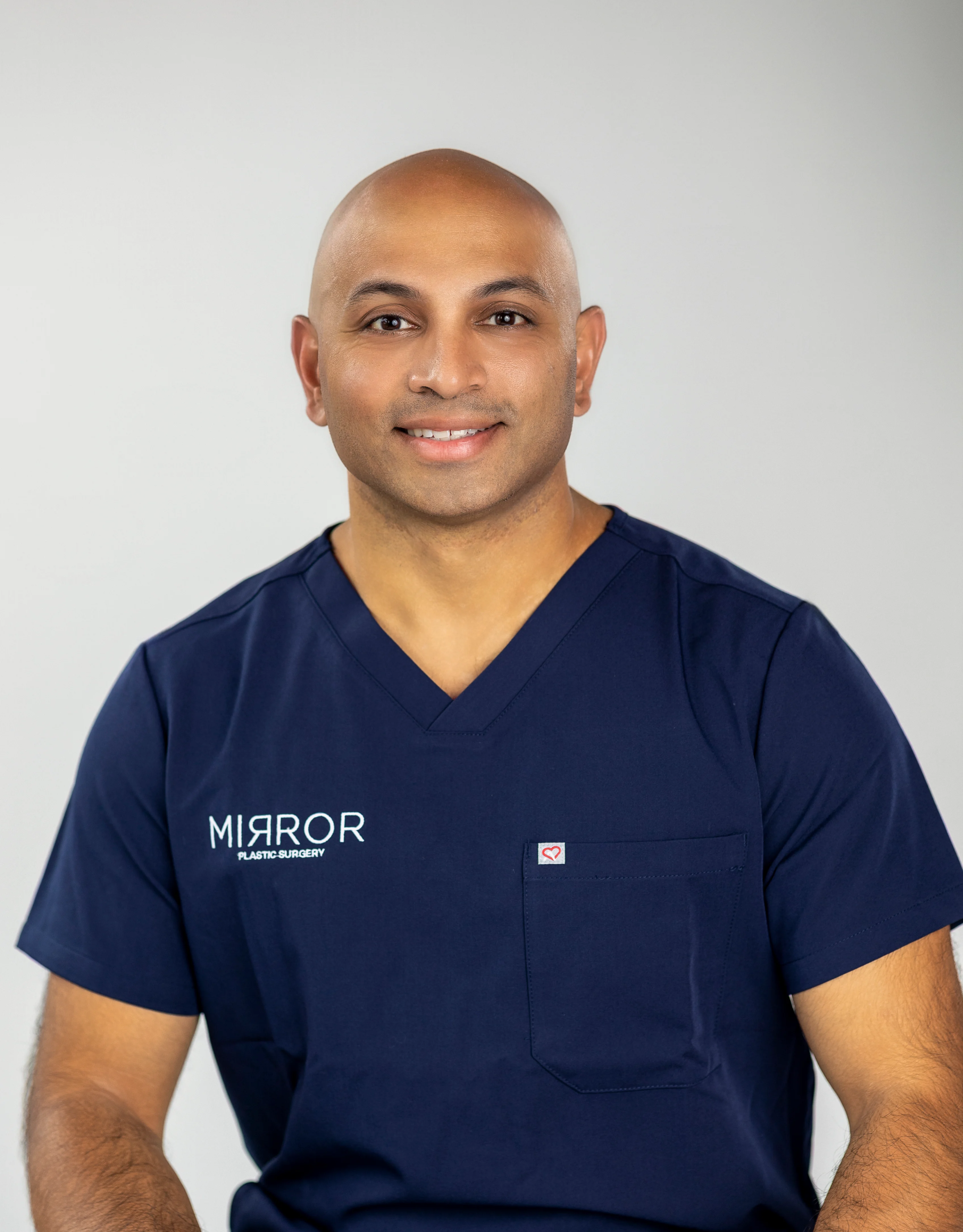
He also completed the Stanford University Biodesign Innovation Fellowship, a program that trains physician-innovators to identify unmet clinical needs and develop evidence-based solutions. He brings this perspective directly into his peptide practice.
Peptide therapy at Mirror Plastic Surgery starts with a comprehensive 30–60 minute consultation and lab analysis covering thyroid, liver, kidney, and hormone panels. From that foundation, Dr. Chandawarkar designs a personalized protocol, which may include oral collagen support, a topical copper peptide regimen, or a medically supervised injectable stack such as the Glow Stack (GHK-Cu, BPC-157, TB-500), tailored to each patient’s physiology, goals, and lab results.
Peptides are sourced exclusively from reputable providers with rigorous batch testing, and patients receive direct access to Dr. Chandawarkar throughout their protocol. From inflammation and autoimmune conditions to weight management and anti-aging, Mirror Plastic Surgery offers advanced peptide therapies for a wide range of health and wellness concerns. Schedule a consultation to explore how a tailored peptide protocol can support your goals.
Conclusion: Choosing Your Collagen-Boosting Path
Oral hydrolyzed collagen peptides provide the systemic amino acid foundation that fibroblasts need to produce more collagen and have the broadest clinical evidence base of the three routes. Topical copper peptides like GHK-Cu deliver localized collagen stimulation at the skin surface, with a favorable safety profile and meaningful human trial data. Injectable GHK-Cu offers the most targeted approach for deeper rejuvenation, but it must be administered under medical supervision as part of a personalized protocol. This approach stays safe only when product quality, dosing, and patient health status are carefully evaluated by a qualified physician.
The most effective peptide choice depends on your goals, health status, and willingness to follow a consistent plan. The safest and most effective path, especially for injectable therapy, runs through physician-led care rather than unsupervised online purchasing.
Begin your personalized peptide journey by booking a consultation with Ellie today.
1 Results may vary from person to person. Editorial content, before and after images, and patient testimonials do not constitute a guarantee of specific results.
Peptide therapy is intended for wellness and optimization purposes and is not prescribed to diagnose, treat, cure, or prevent disease unless specifically stated. Many peptides are not FDA-approved and may be used off-label. Some have limited long-term safety data, with a potential for unknown risks, complications, or desensitization with prolonged use.