
Written by: Dr. Akash Chandawarkar, Board Certified Plastic Surgeon, Mirror Plastic Surgery | Last updated: September 9, 2026
Key Takeaways
- GHK-Cu plasma levels decline over 60% from age 20 to 60, which correlates with reduced skin elasticity and collagen production.
- Injectable peptide therapy stimulates collagen production throughout the body, while oral supplements and topical serums act more locally.
- Three main treatment categories, including injectable peptides, microneedling with PRP/PRF, and biostimulatory fillers like Sculptra, restore collagen in different ways and on different timelines.
- Medical supervision supports safe peptide therapy through product quality control, tailored dosing, and ongoing monitoring.
What Are Collagen Peptide Anti-Aging Treatments?
Collagen peptide anti-aging treatments encourage your body to make more of its own collagen. This helps soften wrinkles, improve firmness, and restore a more youthful look.1 Oral collagen supplements provide amino acid building blocks, but much of that collagen may not reach the deeper skin layers.
Injectable peptides like GHK-Cu work differently. They signal fibroblasts to create new collagen, elastin, and hyaluronic acid at the cellular level. This signaling effect can support broader and more targeted skin changes than oral supplements alone.1
Three distinct categories often get grouped together in the marketplace:
- Oral collagen supplements, which are nutraceuticals that supply amino acid precursors. A 2026 systematic review of 19 RCTs found oral peptides significantly improved skin hydration and brightness with a modest pooled effect on wrinkle reduction.1 Gastrointestinal degradation, however, limits how much reaches the dermis.
- Topical peptide cosmetics, including GHK-Cu serums and signal peptide formulations, which show localized, clinically documented improvements in fine lines and skin density.
- Injectable peptide therapy, which uses systemic, physician-supervised protocols that target collagen production throughout the body.
GHK-Cu modulates the expression of over 4,000 human genes in a pattern that mirrors a reversal of the biological aging signature.1 Injectable protocols are increasingly popular. Dosing, however, is extrapolated from animal data rather than human trials, so medical supervision becomes a core safety requirement.
Top Treatment Categories For Collagen Restoration
Injectable Peptides (GHK-Cu, BPC-157, TB-500)
GHK-Cu is used to promote collagen and elastin production for skin, hair, and nail health.1 A 12-week double-blind, placebo-controlled trial of 67 women with mild-to-moderate facial photodamage showed statistically significant improvements in skin laxity, clarity, and firmness with 1% topical GHK-Cu, with ultrasound confirming increased dermal density.1 Injectable protocols often use 1–3 mg administered two to five times weekly, and these dosing parameters are extrapolated from animal data, not human trials.
Mirror Plastic Surgery’s Glow Stack combines GHK-Cu, BPC-157, and TB-500. This protocol targets systemic inflammation, melasma, and collagen and elastin production at the same time. Each plan is personalized around the patient’s labs and physiology.
Microneedling With PRP/PRF
Histological studies show that four microneedling sessions performed one month apart are associated with approximately 400% increases in collagen and elastin deposition after six months, along with restoration of normal dermal architecture.1 PRP adds a concentrated dose of growth factors. PRF, which uses no anticoagulant and a slower centrifuge spin, provides sustained growth factor release over 7–14 days through a fibrin scaffold.
Most patients experience 1–3 days of redness after microneedling. Makeup and normal activities usually resume quickly, which makes this option appealing for many working professionals.
Biostimulatory Fillers (Sculptra/PLLA)
Sculptra (poly-L-lactic acid) induces the patient’s own fibroblasts to produce new collagen over months, with visible onset typically beginning around 6–12 weeks, primary clinical assessment at 3–6 months, and outcomes documented as durable to about 24 months when the full protocol of 2–3 sessions spaced 4–6 weeks apart is completed.1 This treatment gradually restores volume and softens deeper folds.
Unlike hyaluronic acid fillers, Sculptra is not reversible with hyaluronidase. Proper training, conservative dosing, and careful patient selection are therefore essential.
Side-By-Side Treatment Comparison
| Treatment Category | Mechanism | Typical Timeline |
|---|---|---|
| Injectable peptides (GHK-Cu) | Systemic fibroblast stimulation, modulates 4,000+ human genes | Results build over 8–12 weeks, with ongoing protocols1 |
| Microneedling + PRP/PRF | Mechanical injury plus growth factors, about 400% collagen increase after 4 sessions | Three to four sessions, 4–6 weeks apart, with results at 3–6 months1 |
| Biostimulatory fillers (Sculptra) | PLLA induces fibroblast collagen production | Two to three sessions, visible at 6–12 weeks, with durability around 24 months1 |
These categories often work best together. Many patients pair injectable peptides with microneedling or Sculptra to address both systemic collagen decline and local structural changes.
How To Choose The Right Treatment For Your Skin Concern
The right treatment depends on your primary concern, your tolerance for downtime, and your willingness to follow a multi-session plan. Use this framework as a starting point for discussion with your physician.
- Fine lines and early collagen loss (30s–40s): Injectable peptide therapy with GHK-Cu for systemic collagen stimulation, combined with topical retinoids and vitamin C.
- Deep wrinkles and photodamage (40s–50s): For substantial photoaging, established interventions such as microneedling with radiofrequency, fractional lasers, and chemical peels produce effects that no topical peptide can match.1 Injectable peptides can support underlying collagen production systemically.
- Sagging skin and volume loss (50s+): Sculptra for structural restoration, RF microneedling for tightening, and injectable peptides to address systemic inflammation and overall skin quality.
- Overall skin quality and prevention: Injectable peptide therapy as a foundational protocol, with maintenance microneedling once or twice yearly.
To narrow down your options, ask yourself these questions before booking a consultation:
- What is my primary concern, such as fine lines, deep wrinkles, sagging, or overall skin quality?
- What downtime can I realistically tolerate? (Peptides: minimal. Microneedling: 1–3 days. Sculptra: minimal but gradual results.)
- Do I prefer a systemic approach like peptides or a localized treatment such as microneedling or fillers?
- Am I ready to commit to a multi-session protocol or ongoing maintenance?
Schedule a consultation to discuss your collagen treatment options with Dr. Akash Chandawarkar.
Why Medical Supervision Matters For Peptide Therapy
The unregulated online peptide market carries documented and serious risks. Gray-market peptide products have been found with purity levels ranging from only 5% to 75%, with heavy metal contamination exceeding safety thresholds for injected drugs. Health Canada’s April 2026 advisory warns that unauthorized injectable peptides may contain too much, too little, or none of the active ingredient. Risks include infections, allergic reactions, hormonal imbalance, liver or kidney damage, and contamination with solvents, heavy metals, bacteria, and endotoxins.
Synthetic peptide manufacturing also generates impurities that can act as immunogenic antigens. These impurities may trigger unpredictable immune reactions with repeated injections. Together, these findings highlight why physician oversight is central to safe peptide use.
Physician-supervised peptide therapy at Mirror Plastic Surgery addresses these risks through a structured process:
- In-depth consultation with full medical history review and lab panels, including thyroid, liver, kidney, and hormone testing
- Peptides sourced from reputable providers that perform rigorous batch testing and supply certificates of analysis
- Dosing tailored to each patient’s physiology rather than generalized online protocols
- Ongoing concierge support with direct text access to Dr. Akash Chandawarkar throughout treatment
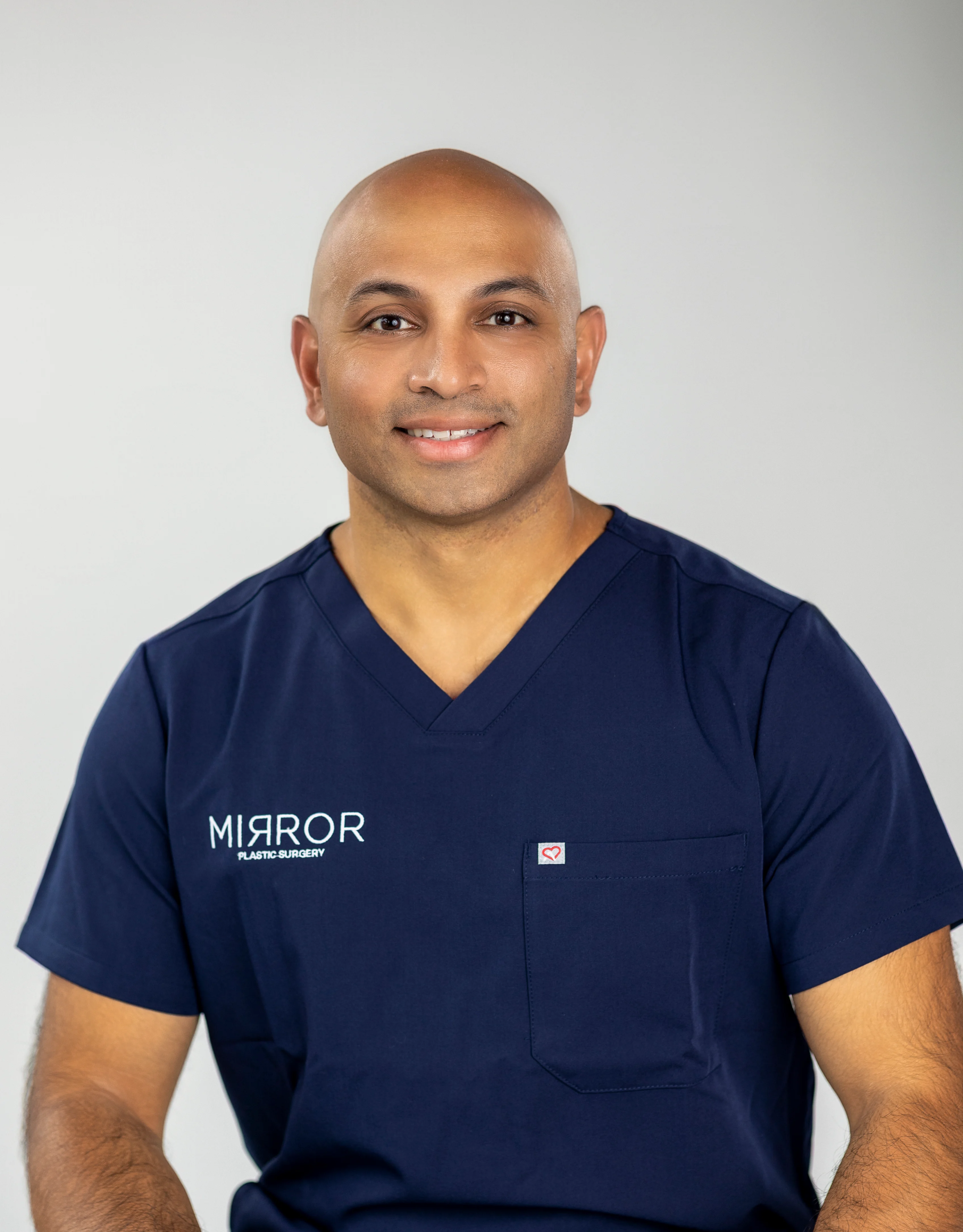
Dr. Akash personally leads every peptide protocol. As a board-certified plastic surgeon with training at Harvard, Johns Hopkins, and the Stanford Biodesign Innovation Fellowship, he brings deep clinical experience and a strong commitment to evidence-based care.
Personalized Investment And Treatment Planning
Collagen treatments represent a meaningful investment of time and resources. Total cost depends on the treatment modality, the number of sessions, and the level of medical supervision and follow-up included.
Key factors include the type of peptide protocol, whether microneedling uses PRP or PRF, the number of Sculptra sessions, and any bundled lab work or maintenance visits. Purity and sterility of compounded peptides remain the most important safety variables, which makes physician oversight and quality sourcing central to decision-making.
Mirror Plastic Surgery provides personalized quotes after consultation, with clear explanations of what each protocol includes and how it aligns with your goals.
Get a personalized treatment plan and quote from Dr. Chandawarkar.
FAQs: Do Collagen Peptides Really Work?
Do Collagen Peptides Really Reduce Wrinkles?
Collagen peptides can reduce wrinkles, but results vary by delivery method.1 As noted earlier, a 2026 systematic review of 19 randomized controlled trials found modest wrinkle reduction from oral peptides, along with improvements in hydration and brightness. Topical GHK-Cu has strong human clinical evidence, with controlled trials showing measurable reductions in wrinkle depth and improved dermal density over 12 weeks.1
Injectable GHK-Cu stimulates collagen production systemically, and human clinical trials for injectable protocols are still emerging. Dosing for injections, as mentioned, currently lacks robust human trial data. Overall, peptides can support smoother, healthier skin when the form, product quality, and medical supervision are carefully matched to the patient.
Which Collagen Treatment Is Best For Deep Wrinkles?
Professional procedures provide the strongest results for deep wrinkles. Evidence places microneedling with radiofrequency, fractional lasers, and chemical peels above cosmetic peptide serums for significant photoaging. As mentioned, microneedling can increase collagen by up to 400%, which helps remodel texture and firmness.
The most effective strategy for deep wrinkles usually combines injectable GHK-Cu peptide therapy, which addresses systemic collagen decline, with a targeted procedure such as RF microneedling or Sculptra. This combination addresses both the underlying aging process and the visible structural changes.
Are Peptide Injections Better Than Topical Creams?
Injectable peptides create systemic effects that topical formulations cannot match. They influence gene expression and collagen production throughout the body rather than in a single application area. The evidence base for topical GHK-Cu, however, is currently stronger, with multiple controlled human trials.
As noted earlier, injectable dosing lacks extensive human trial data and therefore requires medical supervision. Many patients use a layered strategy, pairing topical peptides in their daily skincare routine with injectable therapy for broader collagen support.
How Long Do Results Last?
Results from peptide therapy fade over time if treatment stops. One controlled trial found that topical GHK-Cu improvements declined by about 50% within eight weeks after stopping application.1 Maintenance protocols help sustain benefits and can be adjusted as skin needs change.
Microneedling results often last several months to a year, depending on skin type and sun exposure.1 Sculptra results are typically durable to approximately 24 months when patients complete the full protocol.1 At Mirror Plastic Surgery, Dr. Akash designs maintenance plans to preserve and build on initial results.
Is It Safe To Buy Peptides Online Without A Prescription?
Buying peptides online without a prescription is unsafe. Research-grade peptides sold without prescriptions and labeled “not for human use” do not undergo pharmaceutical-grade testing and frequently fail independent purity benchmarks. Beyond purity concerns, no physician reviews your medical history, orders labs, or monitors your response.
Health Canada’s April 2026 advisory, which applies to the same products sold across North America, lists risks such as hormonal imbalance, liver or kidney damage, blood clots, and contamination with heavy metals and bacteria. A licensed physician who can prescribe, supervise, and adjust your protocol based on your health profile is the appropriate source for injectable peptide therapy.
Disclaimer: Results vary by individual. Peptides are not FDA-regulated. Professional medical supervision is essential for safety and efficacy. This article is for educational purposes and does not constitute medical advice. Consult a board-certified physician to determine the appropriate treatment for your specific needs.
1 Results may vary from person to person. Editorial content, before and after images, and patient testimonials do not constitute a guarantee of specific results.
Peptide therapy is intended for wellness and optimization purposes and is not prescribed to diagnose, treat, cure, or prevent disease unless specifically stated. Many peptides are not FDA-approved and may be used off-label. Some have limited long-term safety data, with a potential for unknown risks, complications, or desensitization with prolonged use.