
Written by: Ellie Pranckevicius, FNP-BC, Aesthetic Nurse Practitioner & Aesthetic Injector | Facial Restoration & Regenerative Injectable Specialist, Mirror Plastic Surgery | Last updated: July 26, 2026
Key Takeaways for Lip Filler Recovery
- Swelling peaks within 24–48 hours and usually settles over 7–14 days, with final results visible at two to four weeks.1
- Day 2 is typically the toughest day visually because of maximum swelling and temporary asymmetry, not final outcomes.1
- Consistent aftercare with cold compresses, head elevation, and avoiding NSAIDs can noticeably reduce swelling, bruising, and recovery time.
- Selecting an injector with deep anatomical training and a conservative volume approach supports safe, natural-looking results.
- Schedule a personalized consultation at Mirror Plastic Surgery for guidance tailored to your anatomy and aesthetic goals.
Day‑by‑Day Lip Filler Recovery Timeline
Most patients follow a predictable recovery pattern after lip filler.1 The timeline below outlines what you can expect as your lips heal.
- Day 0 (Treatment day): Lips look immediately fuller from the filler volume and early inflammation.1 Tenderness, tightness, and small pinpoint bleeding at injection sites are normal. Topical numbing and lidocaine in the filler keep discomfort low during the procedure.
- Day 1: Swelling builds overnight as fluid pools, often making lips appear 30–50% larger than the intended final result by the following morning.1 Bruising, if present, starts to surface. Temporary asymmetry is common.
- Day 2: Peak swelling occurs.1 This is usually the hardest day visually, with the exaggerated size from Day 1 reaching its maximum.
- Day 3: Swelling begins to level off and then decline.1 Bruising may darken before it starts to fade. Tenderness eases noticeably.
- Days 4–5: Inflammation drops more quickly and swelling decreases.1 Asymmetry from earlier in the week often improves between days 5 and 7 as fluid redistributes.
- Days 6–7: Swelling is significantly reduced by the end of the first week.1 Lips feel softer and more natural. Bruising usually fades to yellow-green.
- Week 2: Swelling becomes subtle or hard to see.1 Filler continues integrating with surrounding tissue. Most of the final volume is visible, and results keep refining through week 4.1
The Toughest Day: Why Day 2 Feels So Intense
While the timeline above shows the full recovery arc, one day often feels especially challenging. Day 2 is consistently the most difficult point in lip filler recovery.
Several physiological factors converge at once:
- The filler attracts and binds water, pulling fluid into the treatment area throughout the first night.
- The lips are among the most vascular areas of the face, which amplifies the inflammatory response after injection.
- Fluid continues to pool during sleep because of gravity and lying flat, so lips often look most swollen on the morning of day 2.
- Asymmetry is common on day 2 because one side may swell more than the other, often related to side-sleeping or natural blood flow differences, not injector error.
This exaggerated appearance is temporary and does not represent your final result. Evaluating outcomes before day 14 usually leads to unnecessary worry.
How Long Lip Filler Swelling Typically Lasts
Swelling duration varies with metabolism, filler volume, and how closely you follow aftercare, yet clinical data supports a consistent pattern.1
- Hours 0–48: Swelling builds and peaks within 24–48 hours after injection.1
- Days 3–5: Maximum swelling around 48–72 hours begins to resolve, and visible improvement appears.1
- Days 5–7: Swelling usually sits around 5–15% above final volume.1 Bruising often clears within 5–10 days.
- Day 10: Most patients have only 0–5% residual swelling above final volume.1
- Weeks 2–4: Final results come into focus between two and four weeks, once the filler fully integrates with the tissue.1
Adverse events after lip augmentation are usually mild and short-lived.1 Most involve temporary edema, bruising, or local tenderness that resolves within about two weeks.
Because recovery varies with your anatomy and metabolism, a customized aftercare plan can make the process smoother. Ellie can help you prepare a tailored recovery strategy based on your lip structure, skin quality, and goals, so schedule your consultation before your first appointment.
Practical Lip Filler Aftercare: Dos and Don’ts
First 48 Hours — Dos:
Reducing swelling in the first two days works best when you combine several simple steps.
- Apply a clean, cloth-wrapped cold compress for 10–15 minutes at a time to ease swelling and improve comfort. Never place ice directly on the skin.
- Sleep with your head elevated on an extra pillow to limit overnight fluid pooling.
- Stay well hydrated by sipping water from a glass, not a straw, to support tissue recovery.
- Take acetaminophen for discomfort as directed.
- Choose soft, cool foods, and let hot foods or drinks cool before you consume them.
First 48 Hours — Don’ts:
- Avoid touching, pressing, rubbing, or massaging the lips, because this can shift filler before it settles.
- Skip alcohol, intense exercise, saunas, steam rooms, and prolonged sun exposure, since these increase blood flow, swelling, and bruising.
- Avoid NSAIDs such as ibuprofen or aspirin, which increase bruising risk by inhibiting platelet aggregation.
- Skip straws, firm kissing, and exaggerated facial movements.
- Avoid applying lip makeup or products directly over injection sites for at least 24 hours.
First Week — Dos:
- Continue gentle cleansing with mild soap and lukewarm water, then pat dry.
- Use lip hydration products recommended by your practitioner.
- Apply a daily lip balm with SPF to protect thin lip skin from UV damage that can speed filler breakdown.
- Monitor your healing and contact your provider with any concerns.
First Week — Don’ts:
- Avoid dental procedures, including cleanings and whitening, for at least two weeks because of pressure on the lips and infection risk.
- Do not use harsh exfoliants or strong active skincare ingredients directly around injection sites.
- Avoid smoking or vaping, which irritate tissue and slow healing.
- Do not self-massage the lips; only allow massage under physician guidance.
Pain Expectations and Comfort Strategies
Most patients rate lip filler discomfort between 2 and 4 on a 10-point scale during treatment.1 Topical numbing cream and lidocaine in the filler significantly reduce sensation. Post-procedure tenderness is usually mild and eases within a few days.1
Helpful pain management options include:
- Acetaminophen (Tylenol): The preferred pain reliever after lip filler, since NSAIDs carry the bruising risk described in the aftercare guidelines.
- Cold compress: Apply a wrapped cold compress for 10 minutes at a time with at least a 10-minute break between applications during the first 24 hours.
- Head elevation: Sleeping with your head raised reduces overnight pressure and fluid buildup that can worsen discomfort.
- Arnica: Arnica montana supplements or topical products can help limit bruising and swelling when used as directed.
Patients with a history of herpes simplex virus (cold sores) should tell their injector before treatment. Prophylactic antiviral tablets started before treatment and continued for several days afterward are recommended, because needle trauma can trigger an outbreak.
Warning Signs After Lip Filler: When to Call Your Provider
Serious complications from lip filler are uncommon, yet early recognition matters. The labial arteries, which branch from the facial artery and run just beneath the vermilion border, supply blood to the surrounding tissue. Contact your provider immediately or seek urgent care if you notice any of the following:
- Skin blanching or whitening: Vascular occlusion can present as skin whitening with pain, which signals reduced blood flow.
- Mottled, bluish, or dusky discoloration: Bluish, net-like discoloration, sometimes followed by blisters or open sores, suggests vascular compromise.
- Severe or worsening pain: Pain that intensifies instead of improving after 48 hours needs immediate evaluation.
- Delayed capillary refill or cold, numb areas: These changes can indicate impaired circulation and require urgent assessment.
- Signs of infection: Increasing redness, heat, swelling beyond expected healing, pus or discharge, and fever may signal infection.
- Sudden vision changes: A rare but serious sign of intravascular filler migration that requires emergency care.
- Asymmetry that worsens after day 7: Uneven swelling should improve rather than worsen by day 7. Persistent or worsening asymmetry should be reviewed by your provider.
Lip Filler Longevity and Maintenance Planning
Most lip fillers last about six to twelve months, with the body gradually breaking down the product.1 The lips move constantly, which speeds breakdown compared with less mobile areas. Longevity also depends on the gel’s cross-linking, your metabolic rate, and lifestyle factors such as sun exposure, hydration, and smoking.
At Mirror Plastic Surgery, maintenance focuses on reassessment instead of automatic refilling. Ellie evaluates residual product, tissue quality, and whether more filler is truly needed before suggesting a top-up. This anatomy-first approach prioritizes function and proportion over volume stacking. Many patients get their best outcome by starting with a modest amount, waiting the full two to four weeks for results to settle, and then deciding whether to add more.
Ready to plan your maintenance strategy? Ellie will review your anatomy, lifestyle, and aesthetic goals to determine the right timing and approach for touch-ups, so schedule your consultation to get started.
How to Choose a Safe, Skilled Lip Filler Injector
The injector’s anatomical knowledge and assessment style directly shape both safety and aesthetic outcome. Consider the following criteria when you evaluate a provider.
- Depth of anatomical training: Safe lip-filler injection depth is up to 3.5 mm in most lip regions and up to 4 mm in the superior vermilion to protect the superior and inferior labial arteries beneath the vermilion border. Injectors need a clear understanding of subdermal vascular anatomy, not just surface landmarks.
- Full-face assessment approach: Practitioners should evaluate the entire lower third of the face, including how the lips relate to chin projection and the nasal tip, to avoid isolated treatments that throw off balance.
- Conservative volume philosophy: Overfilled “duck lips” often result from too much product in one session or repeated layering without reassessing residual filler. A skilled injector starts conservatively and builds only when needed.
- Reversibility and safety protocols: Hyaluronic acid fillers can be dissolved with hyaluronidase. Confirm that your injector has clear emergency protocols and on-site access to this enzyme.
- Honest, individualized consultation: Rushed visits that skip anatomical evaluation or push maximum volume in one session increase the risk of poor outcomes.
At Mirror Plastic Surgery in St. Petersburg, Ellie Pranckevicius, FNP-BC, leads all non-surgical injectable treatments. She holds a Master’s in Nursing from the University of South Florida, spent four years in the Neuroscience ICU at Tampa General Hospital, and has completed 600 hours of hands-on aesthetics training. This combination of advanced nursing and esthetics gives her a detailed understanding of both surface and subdermal anatomy that guides injection depth, product choice, and complication recognition.
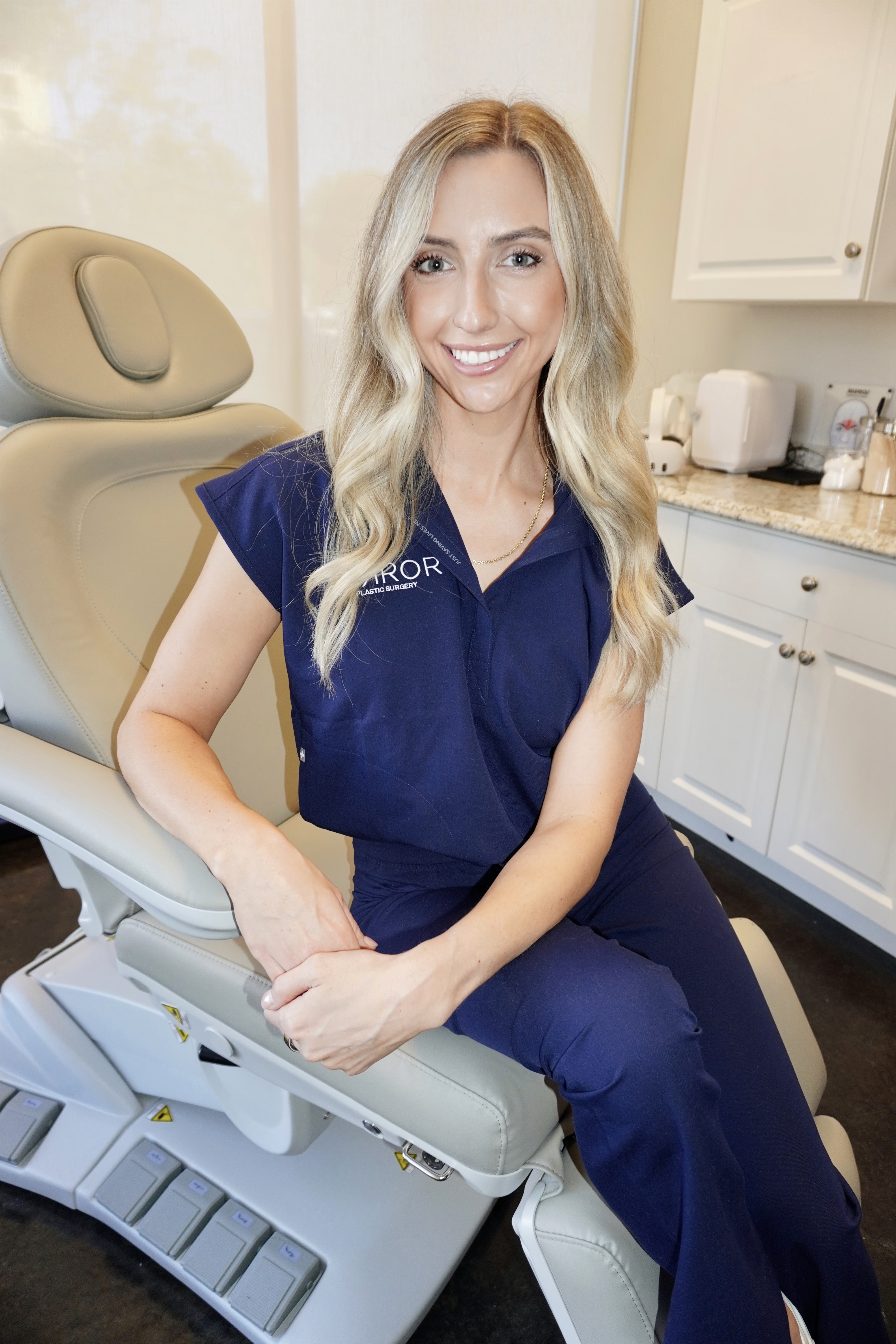
Ellie’s approach centers on a holistic, full-face assessment. She evaluates how your lips relate to the mid-face, chin, and overall proportions before placing any filler. Volume augmentation comes only after foundational restoration, which helps prevent asymmetry and an overdone look from isolated, single-area injections. When your goals are better met with a different treatment or no additional filler, Ellie explains that clearly. This transparency supports the long-term patient relationships that define Mirror Plastic Surgery.
All non-surgical treatments at Mirror Plastic Surgery take place within a practice founded by Dr. Akash Chandawarkar, MD, a Harvard-educated physician, Johns Hopkins-trained plastic surgeon, and fellowship-trained aesthetic surgeon. His anatomical standards and safety-first philosophy set the baseline for every procedure performed in the clinic.
Schedule a consultation with Ellie at Mirror Plastic Surgery in St. Petersburg for a thorough, top-to-bottom assessment that prioritizes your anatomy, safety, and long-term results.
Frequently Asked Questions
How bad does lip filler hurt?
Most patients rate lip filler injections between 2 and 4 on a 10-point pain scale. Topical numbing cream is applied before treatment, and most fillers contain lidocaine to further reduce sensation during injection. The lips are sensitive because of their high nerve density, so some pressure and brief stinging are normal. Post-procedure tenderness, often described as tight, heavy, or sore, is usually mild and settles within a few days. Acetaminophen is the recommended pain reliever, while NSAIDs are avoided because of the bruising risk noted earlier. Patients who feel very anxious about pain can discuss comfort options during their consultation with Ellie.
What is the worst day after lip fillers, and what should I expect?
Day 2 is usually the most challenging day both visually and physically. Swelling peaks around 24–48 hours after injection because of the filler’s water-binding properties, the lips’ high vascularity, and the normal inflammatory response. Lips can look much larger than the intended final result, and asymmetry is common because fluid does not distribute evenly, often influenced by sleeping position. Bruising, if present, may deepen in color before it starts to fade. As noted in the swelling timeline above, this appearance is temporary. Most patients see clear improvement by days 4–5, and final results become visible around week 2.
What are the most important lip filler aftercare rules for the first 48 hours?
The first 48 hours create the foundation for a smooth recovery. Apply a cloth-wrapped cold compress for 10–15 minutes at a time, and never place ice directly on the skin. Sleep with your head elevated on an extra pillow to limit overnight fluid pooling. Take acetaminophen for discomfort and avoid NSAIDs. Drink water from a glass instead of a straw. Do not touch, press, or massage the lips, since this can move filler before it settles. Skip alcohol, strenuous exercise, saunas, steam rooms, hot showers, and long sun exposure, because these increase blood flow and swelling. Avoid lip makeup over injection sites for at least 24 hours. Patients who follow these steps closely usually experience faster, easier recoveries.
How long do lip fillers last, and when should I schedule a maintenance appointment?
Most lip fillers last six to twelve months, although duration varies with the filler type, your metabolism, lip movement, lifestyle factors such as sun exposure and smoking, and the amount of product used.1 Because the lips move constantly, filler tends to break down faster here than in less mobile areas. At Mirror Plastic Surgery, maintenance visits begin with a careful review of residual product and tissue quality instead of automatic refilling. Ellie recommends additional filler only when it is truly indicated, using a supplier-neutral, anatomy-first approach that helps prevent gradual overfilling over time.
How do I know if my injector has the anatomical expertise to perform lip fillers safely?
Safe lip filler placement requires precise knowledge of subdermal vascular anatomy, especially the labial arteries discussed in the injector selection criteria above. An injector with strong anatomical expertise will perform a thorough pre-treatment assessment of your lip structure, facial proportions, and skin quality before suggesting a product or volume. They will explain injection depth, technique, and their emergency protocols, including on-site access to hyaluronidase for dissolving filler if needed. They will also take a complete medical history, including any history of cold sores, blood-thinning medications, or prior filler treatments. At Mirror Plastic Surgery, Ellie Pranckevicius’s Neuroscience ICU background and dual training in esthetics and advanced nursing provide a clinical foundation that exceeds standard aesthetic injector training. Her consultations are unhurried, anatomy-focused, and grounded in honest communication about which treatments are appropriate for each patient.
Disclaimer: Results may vary from person to person. Editorial content, before and after images, and patient testimonials do not constitute a guarantee of specific results.
1 Results may vary from person to person. Editorial content, before and after images, and patient testimonials do not constitute a guarantee of specific results.