
Written by: Ellie Pranckevicius, FNP-BC, Aesthetic Nurse Practitioner & Aesthetic Injector | Facial Restoration & Regenerative Injectable Specialist, Mirror Plastic Surgery | Last updated: March 13, 2026
Key Takeaways
- Body contouring targets excess fat and loose skin after weight loss or pregnancy, with surgical and non-surgical options for natural results.
- Surgical procedures like liposuction, tummy tucks, and body lifts create dramatic, long-lasting reshaping but involve longer recovery.
- Non-surgical treatments using injectables like Kybella, Radiesse, and alloClae reduce fat, tighten skin, and offer non-surgical BBL with minimal downtime.
- Mirror Plastic Surgery’s concierge approach includes 1-hour assessments, limited daily procedures, and the combined expertise of Dr. Akash and Ellie for personalized care.
- Schedule your consultation at Mirror Plastic Surgery to explore body contouring options that support lasting confidence.
Body Contouring Basics and Ideal Candidates
Body contouring includes targeted procedures that reduce excess fat and skin to improve body proportions and silhouette. These treatments reshape specific areas rather than focusing on overall weight loss. The goal is a balanced, natural-looking result that fits your frame. Ideal candidates are adults who have maintained a stable weight for 6 to 12 months.
Body Contouring After Weight Loss or Pregnancy
Post-pregnancy and post-weight loss patients often notice stubborn fat deposits and loose skin that do not respond to diet and exercise. Body contouring addresses these concerns through options ranging from minimally invasive injectables to comprehensive surgical procedures. Body contouring can also tighten skin through biostimulatory treatments and energy-based technologies that stimulate collagen production. Non-surgical options usually require 1 to 6 sessions, depending on the treatment area and desired outcome.
Book a consultation to review body contouring options tailored to your anatomy, lifestyle, and goals.
Surgical Body Contouring Options at Mirror
Surgical body contouring delivers dramatic, long-term results for patients with significant excess skin and fat. Common procedures include liposuction for targeted fat removal, tummy tucks for abdominal contouring, and body lifts for more extensive reshaping. These surgeries create the most substantial changes but involve longer recovery and higher risk than non-surgical treatments. Careful planning and follow-up support help patients navigate this recovery period safely.
| Procedure | Effectiveness | Downtime | Risks |
|---|---|---|---|
| Liposuction | High fat removal | 1-2 weeks | Infection, swelling |
| Tummy Tuck | Skin/fat excision | 4-6 weeks | Scarring, seroma |
| Body Lift | Full reshaping | 6+ weeks | Extended recovery |
Dr. Akash’s extensive training supports surgical procedures performed with close attention to safety and natural-looking results. His concierge approach limits the schedule to 1 or 2 procedures per day, which allows focused care before, during, and after surgery.
Non-Surgical Body Contouring: Mirror’s Specialized Approach
Non-Surgical Body Contouring for Minimal Downtime
Non-surgical body contouring suits patients who want visible improvement without extensive downtime. These treatments use advanced technologies and injectable solutions to reduce fat, tighten skin, and refine body shape. Most patients return to regular activities quickly, with only mild temporary side effects.
Combining Modalities for Effective Body Contouring
Combining several non-surgical modalities often produces the most effective body contouring results. Ellie Pranckevicius specializes in precision injectable treatments tailored to each patient’s anatomy. She uses Kybella for submental fat reduction, biostimulatory fillers like Radiesse to improve skin quality, and alloClae for broader body contouring, including cellulite and stretch mark reduction.
Non-Surgical BBL with Biostimulatory Fillers
Ellie’s holistic approach to non-surgical Brazilian Butt Lift uses Radiesse and alloClae, two of the most effective and safe biostimulatory fillers for this purpose. These treatments enhance buttock shape, address hip dips, and improve skin texture while avoiding traditional surgical risks. Additional options include Avéli for cellulite reduction and targeted neuromodulators for more comprehensive body enhancement.
Patients benefit from natural skin tightening, results that can last 1 to 2 or more years with maintenance, and minimal discomfort during treatment. High-intensity focused ultrasound demonstrates 85% efficacy with average 2.5 cm waist reduction, and radiofrequency treatments have shown up to 37% fat reduction in clinical trials.
Why Patients Choose Mirror Plastic Surgery
Concierge Medicine and Focused Care
Mirror Plastic Surgery’s concierge medicine model provides comprehensive 1-hour assessments instead of rushed visits at high-volume clinics. This extended time allows a detailed review of emotional motivations, anatomy, and realistic goals. The practice limits procedures to 1 or 2 per day, which keeps full attention on each patient’s safety, comfort, and outcome.
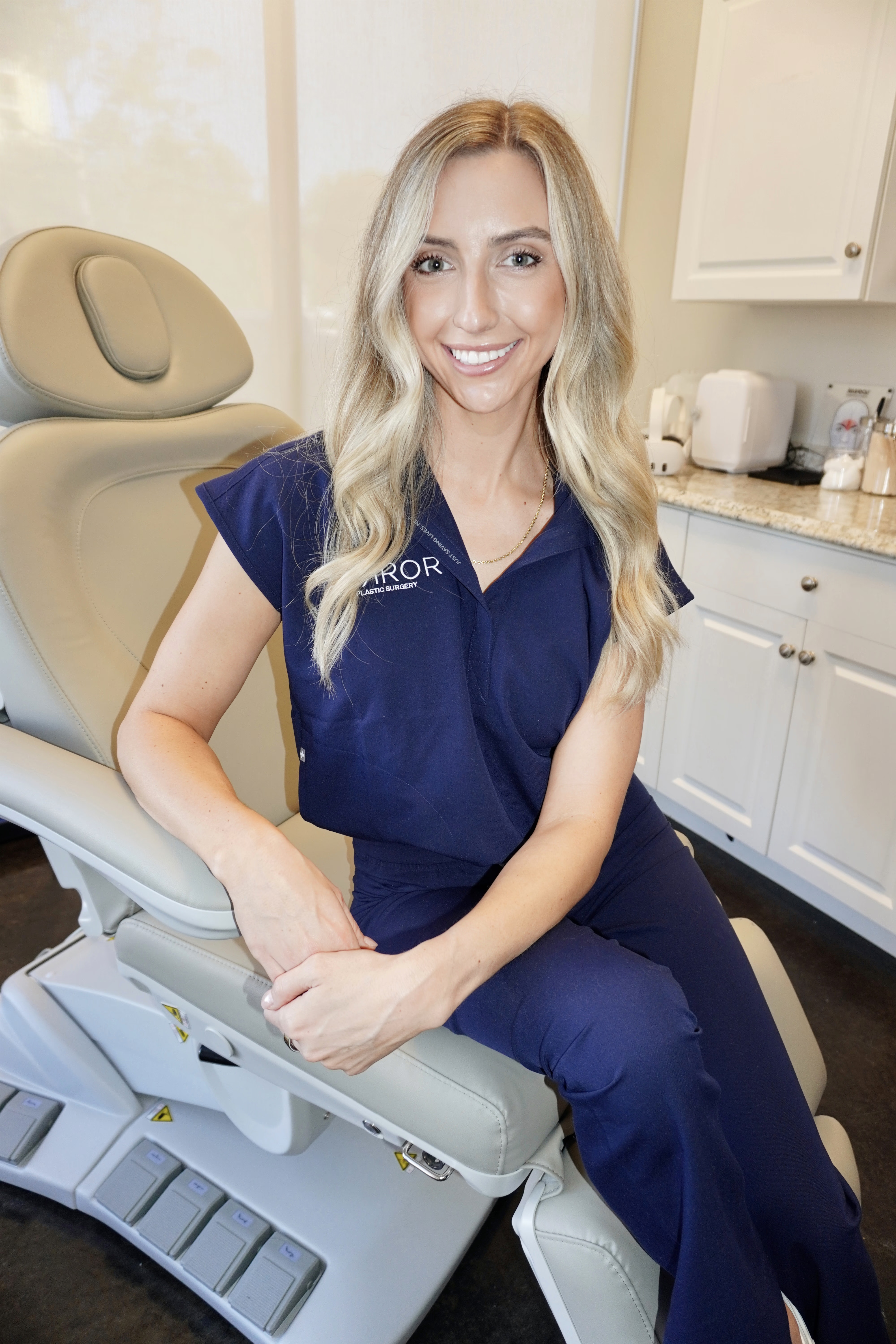
Ellie Pranckevicius: Non-Surgical Contouring Expert
Ellie Pranckevicius, FNP-BC, offers a rare blend of advanced aesthetics training and critical care experience. She has completed 600 hours of specialized aesthetics education along with advanced nursing training at the University of South Florida. Four years in Tampa General Hospital’s Neuroscience ICU sharpened her clinical judgment and understanding of human physiology. This background supports excellent outcomes in non-surgical body contouring, especially non-surgical BBL procedures.
Dr. Akash Chandawarkar: Integrated Surgical and Non-Surgical Care
Dr. Akash’s credentials include Harvard medical education, plastic surgery training at Johns Hopkins, and fellowship specialization at Manhattan Eye Ear & Throat Hospital. Additional medical innovation training at Stanford University keeps his techniques current with emerging advances. This broad experience allows smooth integration of surgical and non-surgical options when comprehensive body contouring requires several modalities.
Book a consultation to experience an evidence-based, unbiased assessment focused on your long-term health and confidence.
Risks, Recovery, and Longevity of Results
Body Contouring Recovery Timelines
Recovery timelines differ significantly between surgical and non-surgical body contouring. Non-surgical treatments usually involve only a few days of reduced activity and mild swelling or tenderness. Surgical procedures may require several weeks of restricted movement and careful wound care. Mirror Plastic Surgery’s concierge support includes detailed pre-treatment planning and post-treatment follow-up to support healing and results.
How Long Body Contouring Results Last
Surgical body contouring can provide permanent fat removal when patients maintain a stable weight. Non-surgical treatments often last 1 to 2 or more years with appropriate maintenance sessions. Treated fat cells are permanently destroyed, but maintaining results requires stable weight and healthy lifestyle habits. Patients who follow nutrition and exercise guidance usually enjoy longer-lasting contour improvements.
Risks and Disadvantages to Consider
All body contouring procedures involve some level of risk. Mirror Plastic Surgery reduces these risks through extensive expertise, careful patient selection, and clear communication. A thorough consultation reviews medical history, potential contraindications, and realistic expectations before any treatment plan is finalized.
| Method | Recovery | Longevity | Risks |
|---|---|---|---|
| Non-Surgical | Days | 1-2+ years | Mild swelling |
| Surgical | Weeks | Permanent | Higher |
Clearing Up Misconceptions and FAQs
A common myth suggests non-surgical methods cannot achieve meaningful contouring results, yet properly applied injectable treatments can create precise, natural-looking improvements. Clear expectations and honest discussion help patients feel satisfied with their chosen treatments.
Most Effective Body Contouring Method
The most effective body contouring method depends on anatomy, goals, and lifestyle. Ellie’s expertise in personalized injectable treatments often suits patients who want natural enhancement without surgical downtime. A comprehensive assessment identifies whether non-surgical, surgical, or a combined approach will work best.
Pain Levels During Body Contouring
Non-surgical treatments usually involve manageable discomfort, often described as mild pressure or warmth. Surgical procedures require structured pain management before and after surgery. Mirror Plastic Surgery’s concierge model includes detailed comfort planning for every stage of treatment.
Skin Tightening Benefits of Body Contouring
Body contouring can tighten skin, especially when biostimulatory treatments encourage natural collagen production. Radiofrequency, ultrasound, and injectable biostimulators can gradually improve skin quality, firmness, and texture.
Typical Number of Body Contouring Sessions
Non-surgical treatments usually require 1 to 6 sessions, depending on the area and the level of change desired. Surgical procedures typically deliver results in a single session, followed by a defined recovery period. A personalized consultation outlines the expected number of sessions and the timeline for visible results.
Tampa Bay residents who want safe, natural body contouring results can rely on Mirror Plastic Surgery’s concierge care and evidence-based approach. The combination of Dr. Akash’s surgical expertise and Ellie’s injectable specialization offers comprehensive solutions that support lasting confidence and well-being. Book a consultation to start your personalized body contouring plan.
Contact Information:
Phone: 727-361-6515
Email: hello@mirrorplasticsurgery.com
Address: 780 4th Ave S, St. Petersburg, FL 33701
Instagram: @mirrorplasticsurgery, @dr.akashplasticsurgery, @perfectlyplastics
Disclaimer: Results may vary from person to person. Editorial content, before and after images, and patient testimonials do not constitute a guarantee of specific results.