

Written by: Dr. Akash Chandawarkar, Board Certified Plastic Surgeon, Mirror Plastic Surgery | Last updated: September 9, 2026
What You’ll Learn About Lip Augmentation Longevity
- How long different lip augmentation options last, from temporary fillers to permanent surgical procedures
- Which personal factors influence your results and how to think about reversibility, downtime, and cost
- How Mirror Plastic Surgery tailors recommendations to your anatomy, goals, and comfort level
What Is Lip Augmentation? Your Main Options
Lip augmentation enhances lip volume, shape, and symmetry. Options fall into two main categories: non-surgical and surgical. Non-surgical treatment focuses on injectable dermal fillers. Surgical options include fat transfer, lip implants, and lip lift procedures. The category you choose plays the biggest role in how long your results last, so understanding these paths creates a strong foundation for your decision.
At Mirror Plastic Surgery, Dr. Akash Chandawarkar starts with a full-face assessment before suggesting any procedure. His philosophy places safety first, function second, and aesthetics third. Your ideal approach may differ from what worked for a friend or influencer because your anatomy and goals are unique.
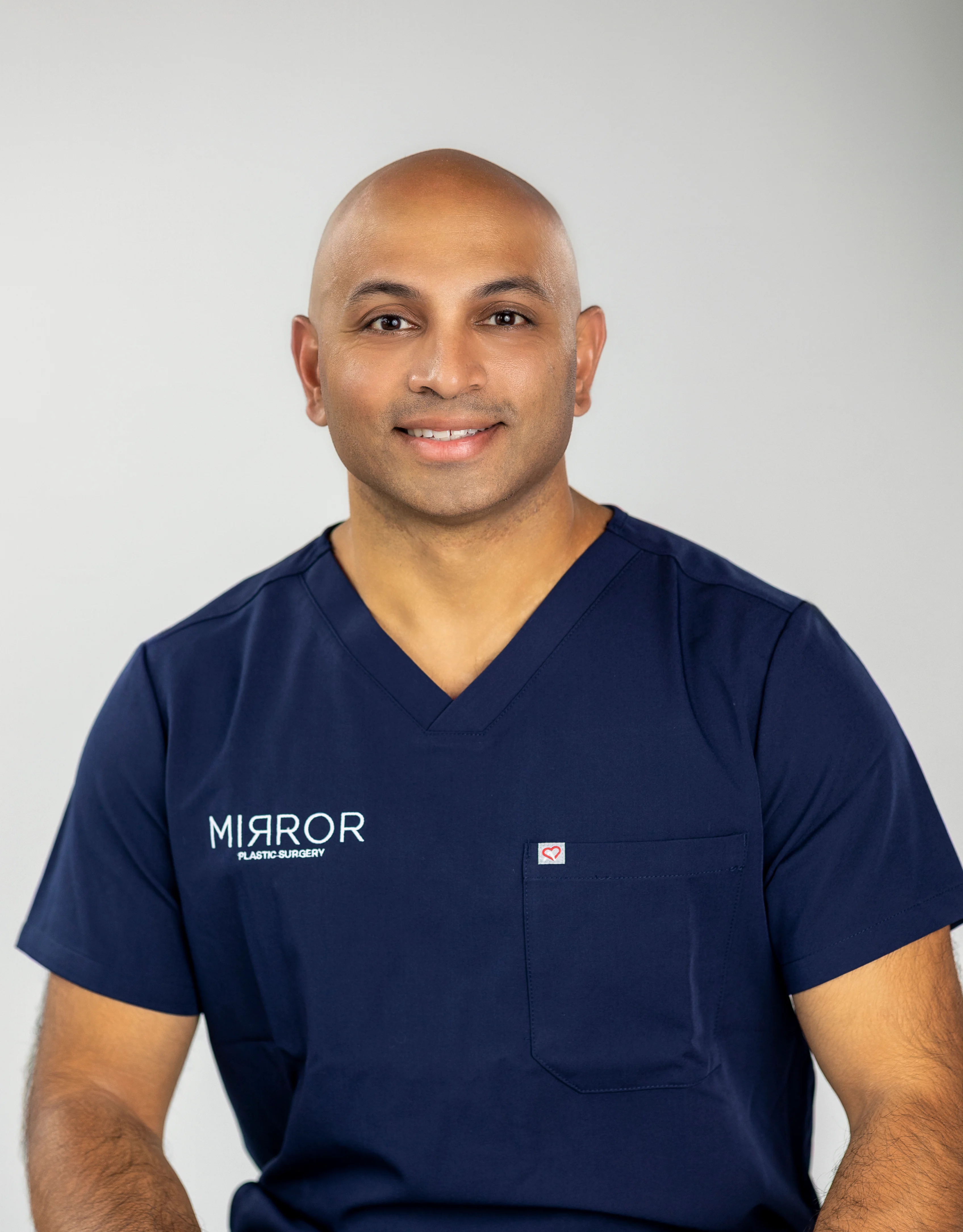
Get a personalized lip assessment with Dr. Chandawarkar to see which option fits your features and preferences.
How Long Do Lip Fillers Last? Non-Surgical Timeline
Dermal fillers, including FDA-approved products like Juvéderm, Restylane Kysse, and RHA 3, are the most common non-surgical choice. As a group, lip fillers typically provide visible enhancement for 6 to 18 months1. Many patients notice softening of results between months 9 and 141.
The lips move constantly when you talk, eat, and smile. This motion exposes filler to ongoing mechanical stress and endogenous hyaluronidase, which speeds up breakdown compared with quieter areas like the cheeks. Filler in the lips therefore fades faster than filler in less mobile regions.
Touch-up visits every 6 to 12 months can maintain your look. Scheduling maintenance before the filler fully dissolves lets your injector build on existing structure. This approach often creates more natural, consistent results and can reduce how much product you need over time.
At Mirror Plastic Surgery, Dr. Akash performs every injection himself. As a board-certified plastic surgeon with deep knowledge of facial and subdermal anatomy, he draws from a broad, supplier-neutral portfolio such as Juvéderm, RHA, Restylane, and Versa. He selects products based on your lip tissue, movement pattern, and aesthetic goals, without sales quotas influencing his choices.
Discuss which filler is right for your lips with Dr. Chandawarkar to create a plan that fits your comfort level and schedule.
Some patients want results that outlast fillers. For those individuals, surgical options offer a different longevity profile with more commitment and less reversibility.
How Long Does Lip Augmentation Surgery Last? Longer-Term Options
Surgical lip augmentation includes three main procedures. Each has its own balance of longevity, recovery, and reversibility.
Fat Transfer To The Lips
Fat transfer, or autologous fat grafting, moves fat from a donor area such as the abdomen into the lips. The fat is harvested, purified, and injected in tiny microdroplets. Once the transferred fat establishes a blood supply, usually around three months, those fat cells become permanent and age naturally with your body1.
The body absorbs roughly 30% to 50% of the transferred fat1. Patients often look slightly overfilled at first for this reason. Final results are usually evaluated at about three months1. The surviving fat can last several years and sometimes behaves as a permanent change once it has a stable blood supply, so fat transfer functions as a semi-permanent option1.
Longevity depends heavily on technique. Outcomes relate closely to the surgeon’s grafting method, and large weight changes after surgery can alter the result.
Silicone Lip Implants
PermaLip silicone implants, FDA-approved in 2016, are smooth, tapered silicone cylinders placed through small incisions at the mouth corners. They provide a permanent increase in lip volume1. Implants can be surgically removed or exchanged if your preferences change or if complications occur.
Risks include surgical complications, feeling the implant through thin tissue, and a less natural texture. Careful candidacy screening with a board-certified plastic surgeon helps reduce these issues.
Upper Lip Lift
A lip lift, most often the subnasal bullhorn technique, shortens the distance between the nose and upper lip. This adjustment rolls the vermilion border outward and increases visible lip height and upper tooth show. A lip lift creates a permanent structural change1.
This procedure does not add volume like fillers or fat transfer. It repositions existing tissue to improve proportion and vermilion display. Aging continues after surgery, yet the structural improvement remains. Modern techniques focus on precise white-roll preservation, layered closure, and conservative 2 to 4 mm advancement. These refinements have significantly improved scar quality compared with older methods.
Lip Augmentation At A Glance
The table below summarizes how long each option tends to last, whether it can be reversed, and typical cost ranges so you can compare them side by side.
| Procedure Type | Typical Duration | Reversibility | General Cost Range |
|---|---|---|---|
| Dermal Fillers | 6–18 months | Yes (with hyaluronidase) | $500–$1,200 per syringe |
| Fat Transfer | 2–5+ years (semi-permanent) | No | $2,000–$4,500 |
| Lip Implants | Permanent | No (surgically removable) | $2,000–$5,500 |
| Lip Lift | Permanent | No | $2,000–$6,000 |
Cost ranges are general estimates. A personalized quote is provided during your consultation at Mirror Plastic Surgery.
The table gives a broad overview of timelines and costs. Your personal experience still depends on several key variables.
What Affects How Long Lip Augmentation Lasts?
Several factors work together to determine how long your results last. Knowing these helps you set realistic expectations and plan maintenance.
- Product Choice: Denser, more cross-linked HA fillers often last 12 to 18 months1. Lighter, softer gels focus on hydration and definition and usually last 6 to 12 months1.
- Injection Technique And Depth: Filler placed in the deep submucosal plane tends to last longer than superficial placement. Precise placement by a skilled injector also reduces migration, which helps avoid an overfilled look.
- Individual Metabolism: Younger patients and those with faster metabolisms often break down filler more quickly. Medical conditions that affect metabolic rate can also change duration.
- Lip Mobility: The orbicularis oris is one of the most active muscles in the body. Very expressive patients may see 20–30% shorter filler duration because of constant motion1.
- Lifestyle Factors: Smoking can reduce lip filler longevity by up to 25%1. Sun exposure, dehydration, and heavy alcohol use can also shorten results.
- Provider Skill: Injector technique often matters more than brand choice. A board-certified plastic surgeon’s anatomical expertise supports precise placement, natural results, and fewer complications.
- Treatment History: Some research suggests repeat treatments in the same area may last longer. Subtle tissue remodeling and residual scaffold from earlier filler may contribute.
Is Lip Augmentation Painful? Recovery Expectations
Most patients find non-surgical filler treatments very tolerable. Patients often describe injections as a brief pinching sensation. Topical numbing cream and lidocaine within many fillers improve comfort. Swelling, mild bruising, and tenderness usually fade within a few days. Final results settle within about two weeks as swelling resolves and filler integrates, so early impressions in the first 48 to 72 hours can feel misleading1.
Surgical procedures involve more downtime. Fat transfer patients usually see noticeable swelling for one to two weeks, with final results judged around three months1. Lip implant recovery includes swelling and firmness for two to four weeks, and most patients say the implants feel softer and more natural at six to eight weeks1. Lip lift patients often experience swelling and bruising for one to two weeks, with subtle changes continuing for about a month and the scar maturing over several months1. Strenuous exercise should be avoided for two to three weeks after any lip surgery.
Can Lip Augmentation Be Reversed?
Reversibility plays a major role in choosing a lip procedure. Dermal fillers offer the most flexibility. Hyaluronidase dissolves hyaluronic acid filler safely and usually restores the lips to their baseline within a few days. This safety net makes HA fillers a strong starting point for many patients.
Surgical options and biostimulatory fillers do not reverse in the same way. Fat transfer cannot be dissolved once placed. Lip implants require another surgery for removal. A lip lift permanently changes lip position. Permanent lip augmentation works best for patients who have enjoyed the same filler volume for several years and want to stop ongoing maintenance1. Choosing a board-certified plastic surgeon becomes especially important for these irreversible procedures.
Permanent injectable fillers for the lips have largely fallen out of favor among reputable injectors because complications cannot be reversed. If someone offers a permanent injectable lip filler, seeking a second opinion protects your safety.
How To Choose The Right Lip Augmentation Option
Your ideal choice depends on four main factors: desired longevity, tolerance for downtime, budget, and comfort with permanent change. For example, a first-time patient who wants a low-commitment trial often does best with HA fillers. Someone who has maintained similar filler results for years and wants to stop frequent visits may be a better candidate for a surgical solution.
No online guide can replace an in-person look at your anatomy. Philtrum length, vermilion height, lip-to-face ratio, tissue quality, and muscle activity all shape which procedure will look most natural on you. Modern lip augmentation often focuses on vermilion display rather than pure volume. Many people with thin lips have limited visible vermilion rather than a true volume shortage, and that distinction can completely change the recommended treatment.
Mirror Plastic Surgery’s process begins with a detailed consultation that can last up to an hour. Dr. Akash Chandawarkar, a Harvard-educated, Johns Hopkins-trained, fellowship-trained aesthetic surgeon, evaluates your full facial balance before suggesting a plan. He values transparency and will recommend a less invasive or less expensive option when that approach best matches your anatomy and goals.
Conclusion: Matching Longevity To Your Goals
Lip augmentation longevity varies widely across fillers, fat transfer, implants, and lip lifts. HA fillers provide a flexible, reversible entry point with a duration that depends on product choice, placement, and your biology. Fat transfer offers semi-permanent fullness once the grafted fat stabilizes. Lip implants and lip lifts create lasting structural changes that age with you.
Across all options, provider expertise shapes your outcome. Careful product selection, precise technique, and a deep understanding of facial anatomy support results that look natural and age gracefully. At Mirror Plastic Surgery, Dr. Akash Chandawarkar combines surgical training with a personalized, anatomy-first approach to help you choose confidently.
Schedule a lip consultation at Mirror Plastic Surgery to explore your options and design results that feel authentic to your face.
Disclaimer: Results may vary from person to person. Editorial content, before and after images, and patient testimonials do not constitute a guarantee of specific results.
1 Results may vary from person to person. Editorial content, before and after images, and patient testimonials do not constitute a guarantee of specific results.


