Written by: Dr. Akash Chandawarkar, Board Certified Plastic Surgeon, Mirror Plastic Surgery | Last updated: September 9, 2026
Key Takeaways
- Aveli is FDA-cleared for treating dimpled cellulite on the buttocks and thighs, with CONFFIRM trial data showing a sustained 1.48-point improvement on the Cellulite Severity Scale at 12 months and 93% patient satisfaction.1
- The treatment releases fibrous septae with real-time LED visualization, creating structural correction in a single session for candidates with good skin elasticity.1
- Aveli targets dimpled cellulite caused by fibrous septae. Patients with skin laxity, crepey texture, or excess fat usually need complementary procedures.
- Post-market surveillance and the pivotal trial show a manageable safety profile with no serious adverse events, when a skilled provider selects appropriate candidates.
- Schedule your personalized Aveli consultation with our team at Mirror Plastic Surgery to determine candidacy and receive an evidence-based treatment plan from Dr. Akash Chandawarkar.
Research Methodology: How This Report Evaluates the Evidence
This report draws on four evidence layers: the CONFFIRM pivotal study published in the Aesthetic Surgery Journal (DOI: 10.1093/asj/sjac291), FDA 510(k) clearance documentation (K221336, August 2022), FDA MAUDE database post-market surveillance reports, and comparative efficacy research across competing modalities. Expert interpretation comes from Dr. Akash Chandawarkar, a board-certified plastic surgeon and advisory board member for Tiger Aesthetics Medical, the manufacturer of Aveli.
He contributes insight as both a treating physician and a manufacturer advisor, which helps connect clinical data with real-world experience in a way typical consumer sources rarely provide.
Clinical Trial Evidence: What the Conffirm Study Actually Found
The Conffirm trial was a single-arm, multicenter, open-label study with 12-month follow-up, published by Stevens et al. (2023). Three key outcomes define its findings:
- Cellulite Severity Scale (CSS) Improvement: Mean improvement of 1.50 points at 3 months, sustained at 1.48 points at 12 months, which exceeds the clinically significant threshold of 1 point and supports durable structural correction after a single session.1
- Global Aesthetic Improvement Scale (GAIS): 95.6% of patients showed improvement, with 80% rated “much improved” or “very much improved” at 3 months.1
- Patient Satisfaction: Satisfaction increased from 80% at 3 months to 93% at 12 months, suggesting that results continue to refine as tissues heal.1
The study reported no serious, unanticipated, or severe adverse events. All adverse effects were local treatment-site reactions such as bruising, soreness, and mild edema, which resolved without intervention. This data supports Aveli’s effectiveness for dimpled cellulite caused by fibrous septae.
To clarify how Aveli fits among other options, the table below compares its mechanism and durability with alternative cellulite treatments.
| Treatment | Mechanism | Documented Durability |
|---|---|---|
| Aveli | Targeted verifiable subcision with real-time LED visualization | 12 months (Conffirm study); several years reported clinically1 |
| Cellfina (Discontinued) | Vacuum-assisted blind subcision | 3+ years (Kaminer et al., 2017) |
| Cellulaze | Laser energy to release septae and thicken dermis | 1–2 years |
| RF Devices (Venus Legacy, Velashape) | Non-invasive dermal heating; does not release septae | Several months; requires maintenance sessions |
FDA Clearance and Regulatory Status: What the Approval Actually Covers
Aveli received FDA 510(k) clearance (K221336) on August 5, 2022, from Revelle Aesthetics, Inc. The indication covers temporary reduction in the appearance of cellulite on the buttocks and thighs in adult females. The clearance demonstrates substantial equivalence to the Cellfina System (K150505) and the original Cabochon System (K134010).
The FDA indication specifies three critical parameters:
- Approved Treatment Areas: Buttocks and thighs only, not the abdomen, arms, or other body areas.
- Target Condition: Cellulite dimples caused by fibrous septae.
- Patient Population: Adult females with visible dimpled cellulite who are in good general health.
Patients who mainly notice loose skin or generalized texture changes usually need different or additional interventions. Clear understanding of this regulatory scope helps set realistic expectations before a consultation.
Post-Market Surveillance: Real-World Safety Data From the FDA MAUDE Database
Online stories about adverse Aveli outcomes circulate widely and often heighten patient skepticism. Post-market data offers context for those reports. An analysis of the FDA MAUDE database (product code OUP, extract dated June 10, 2026) identified 30 adverse event reports associated with Aveli out of 79 total reports for the product code. The most common events included persistent bruising, swelling, localized firmness (induration), and temporary nodules. Two reports described localized skin infections at entry points that required oral antibiotics.
MAUDE reports represent passive surveillance and document individual experiences rather than incidence rates or causality. The 30 reports for Aveli compare with 49 for Cellfina, and Cellfina’s longer commercial presence since 2015 versus Aveli’s 2021 launch explains much of that difference. The controlled safety profile in the CONFFIRM trial, combined with this real-world data, supports a manageable risk profile when a qualified physician performs the procedure.
Comparative Efficacy: How Aveli Compares To Alternative Treatments
Aveli vs. Cellfina (Discontinued): Both treatments use subcision to release fibrous septae. Aveli’s light-guided, targeted approach with real-time verification differs from Cellfina’s vacuum-assisted blind technique, which cuts all septae within a suction chamber at a fixed depth. Cellfina’s pivotal study showed 96% patient satisfaction at 2 years with benefits persisting beyond 3 years. Aveli’s CONFFIRM data shows 93% satisfaction at 12 months. Aveli’s targeted mechanism produces less bruising and faster recovery (1–2 weeks versus 2–4 weeks for Cellfina) because it avoids vacuum suction.1 Merz Aesthetics has discontinued Cellfina, so Aveli now serves as the primary subcision option available.
Aveli vs. Cellulaze (Laser): Cellulaze uses laser energy to heat and release septae while thickening the dermis, with published results lasting 1–2 years. Aveli mechanically cuts individual septae with visual verification, which allows more precise targeting. No head-to-head trials exist, but expert consensus often positions Aveli as the leading option for discrete dimples because each tether can be treated and verified individually.
Aveli vs. Non-Invasive Modalities (RF, Acoustic Wave): Radiofrequency devices and acoustic wave therapy require multiple sessions and provide temporary improvement lasting months, and they do not release fibrous septae. Aveli is a single-session structural treatment with 12-month documented durability. Non-invasive options suit patients who prefer gradual improvement with minimal downtime, while Aveli more directly addresses the structural cause for patients with discrete dimpled cellulite.
Expert Analysis: When Aveli Works Best According To Dr. Akash Chandawarkar
Dr. Akash Chandawarkar brings a dual perspective to this evidence. He is a board-certified plastic surgeon, Harvard-educated physician, and Johns Hopkins-trained surgeon, and he serves on the advisory board for Tiger Aesthetics Medical, Aveli’s manufacturer. His observations on candidacy and outcomes include the following points.
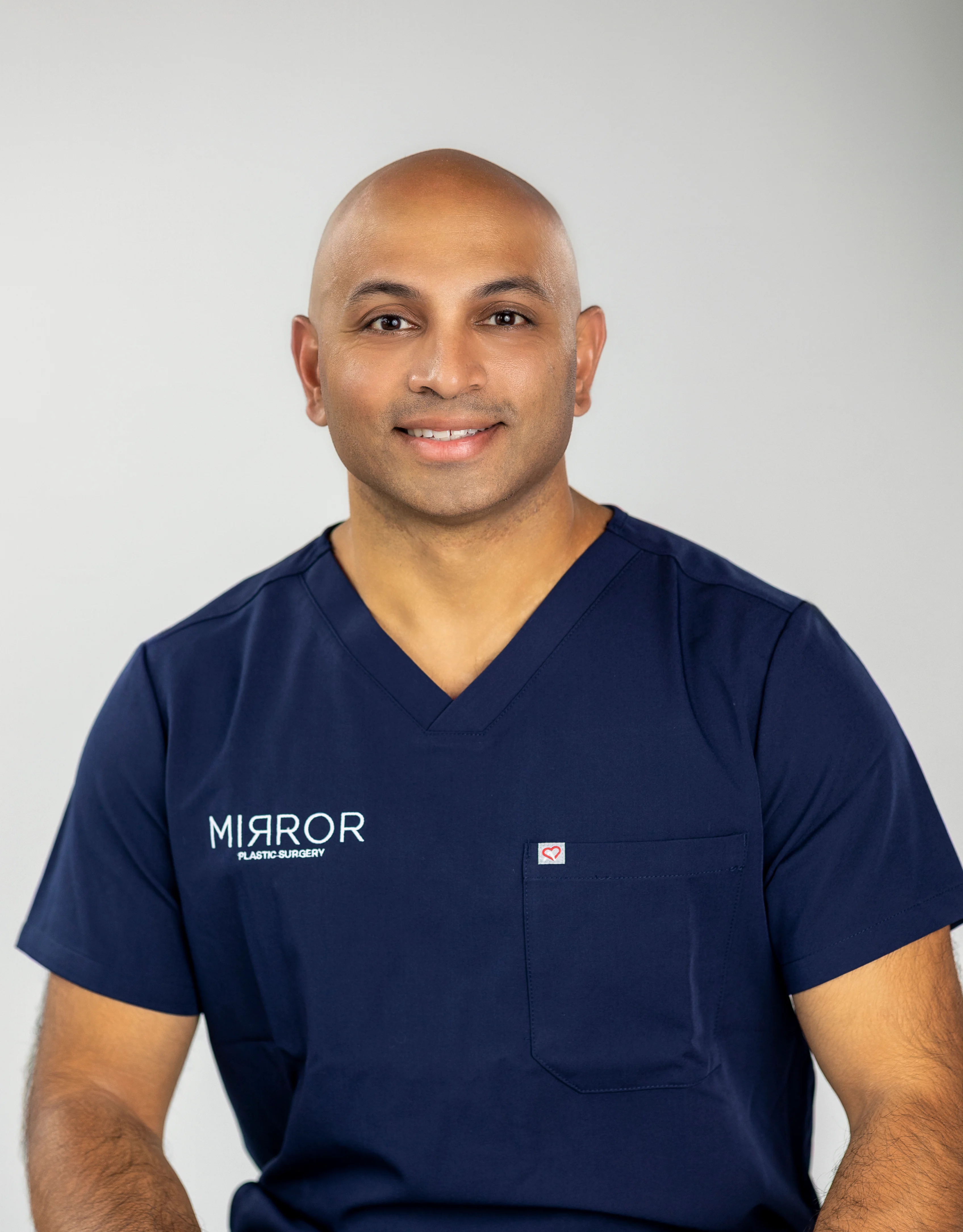
- Ideal Candidacy: Patients with discrete, dimpled cellulite on thighs or buttocks, good skin elasticity, stable weight, and no prior liposuction in the treatment area tend to achieve the most consistent outcomes.1
- Key Limitations: Aveli focuses on fibrous septae and dimpled cellulite. Patients with significant skin laxity, excess fat, or diffuse textural irregularities usually benefit from additional or alternative treatments.
- Provider Skill: Surgeon experience with the specific device often matters more than the device choice alone, because success depends on accurately identifying and releasing the correct fibrous septae.
- Combination Potential: A 2026 study in Aesthetic Surgery Journal Open Forum showed safe and effective combination of Aveli with helium plasma radiofrequency for patients with concurrent skin laxity, and a 2024 Aesthetic Surgery Journal study documented successful combination with high-definition liposuction and Brazilian Butt Lift procedures.
Schedule a consultation with Dr. Chandawarkar so he can evaluate your cellulite type, skin quality, and goals using the same evidence-based approach described in this report.
Frequently Asked Questions
How Long Do Aveli Results Actually Last?
The CONFFIRM pivotal study documented results maintained through 12 months post-treatment. Severed fibrous septae do not regenerate, so treated dimples typically do not return. New dimples may appear in untreated areas with significant weight changes or natural aging over time.
Many practices report results lasting several years, although the FDA clearance relies on 12-month clinical data.1 Patients who maintain a stable weight and healthy lifestyle usually preserve their results longer.
Is Aveli Painful, and What Is the Recovery Like?
Aveli is performed entirely under local anesthesia, so patients usually experience minimal discomfort during the procedure. Mild pain in the first 24 hours is common and typically responds to over-the-counter pain relievers such as acetaminophen.
Bruising and tenderness generally resolve within 30 days. Most patients return to normal daily activities within 24–48 hours. Strenuous exercise is usually restricted for 1–2 weeks, and compression garments are worn briefly to manage swelling. The procedure takes about 60–90 minutes from start to finish, including local anesthesia.
When Will I See Results From Aveli?
Initial improvement often appears within 2–4 weeks as swelling subsides. The CONFFIRM study showed clinically significant CSS improvement at 3 months, with continued refinement through 12 months as tissues heal and remodel.1
Final results are typically assessed at the 3-month visit. Dimples are mapped with the patient standing, because cellulite can look different when lying down, which helps ensure the treatment targets the correct structural bands.
Who Is Not a Good Candidate for Aveli?
Aveli is contraindicated for several patient groups. Individuals who are pregnant, have active skin infections, bleeding disorders, or take anticoagulants are not candidates. Patients with significant skin laxity, considerable excess weight, or a history of liposuction in the target area are also poor candidates, because Aveli focuses on fibrous septae rather than loose skin or fat volume.
Uncontrolled diabetes, severe varicose veins, and certain other medical conditions can also preclude treatment. A thorough consultation with a board-certified plastic surgeon remains the most reliable way to determine candidacy.
Can Aveli Be Combined With Other Treatments?
Combination treatment can work well for the right patient. A 2024 Aesthetic Surgery Journal study documented successful combination of Aveli with high-definition liposuction and Brazilian Butt Lift procedures. A 2026 study showed safe and effective combination with helium plasma radiofrequency for patients who have concurrent skin laxity alongside dimpled cellulite.
At Mirror Plastic Surgery, Dr. Akash evaluates each patient’s anatomy and aesthetic goals before recommending any combination plan, so every treatment serves a clear, evidence-based purpose.
Conclusion: The Evidence-Based Bottom Line
The clinical evidence supports Aveli as a proven, FDA-cleared treatment that significantly reduces cellulite dimples in appropriately selected patients. The CONFFIRM study documents sustained improvement on the Cellulite Severity Scale, high GAIS scores, and strong satisfaction at 12 months, with a favorable safety profile. Post-market surveillance reinforces a manageable risk level when an experienced physician performs the procedure.
Aveli focuses on dimpled cellulite caused by fibrous septae, so careful, individualized evaluation remains essential. At Mirror Plastic Surgery in St. Petersburg, Florida, Dr. Akash Chandawarkar combines board certification, Harvard and Johns Hopkins training, and advisory board experience with Aveli’s manufacturer during every consultation.
The practice’s concierge medicine model provides up to an hour of dedicated assessment time to review your cellulite pattern, skin quality, and goals with the precision this procedure requires. Book your personalized Aveli assessment at Mirror Plastic Surgery to learn whether this treatment aligns with your needs.
Disclaimer: Results may vary from person to person. Editorial content, before and after images, and patient testimonials do not constitute a guarantee of specific results.
1 Results may vary from person to person. Editorial content, before and after images, and patient testimonials do not constitute a guarantee of specific results.