
Written by: Dr. Akash Chandawarkar, Board Certified Plastic Surgeon, Mirror Plastic Surgery | Last updated: September 9, 2026
Key Takeaways
- Botox for TMJ is an off-label treatment that can reduce muscle-driven jaw pain and clenching after conservative options have failed.
- Evidence is mixed. Some patients with refractory myofascial pain experience meaningful relief, while systematic reviews show inconsistent results overall.
- Ideal candidates have myogenous TMD, have completed a 3–6 month trial of night guards and physical therapy, and are evaluated by a provider with deep craniofacial anatomy expertise.
- Results usually begin within 1–2 weeks, build over several weeks, and then gradually wear off, so maintenance treatments are often needed.1
Schedule a personalized consultation at Mirror Plastic Surgery to find out whether Botox is an appropriate next step for your TMJ symptoms.
How TMJ Disorders Work And Where Botox Fits In
Temporomandibular disorders (TMDs) are conditions that affect the temporomandibular joint, the hinge connecting the jaw to the skull, and the surrounding muscles. Symptoms often include jaw pain, clicking or popping sounds, headaches, earaches, and difficulty chewing. The National Institute of Dental and Craniofacial Research notes that some estimates suggest TMJ disorders affect over 10 million Americans, and these conditions appear more common in women than in men.
A key distinction shapes whether Botox makes sense for a specific patient. TMDs fall into two broad categories:
- Myogenous (Muscle-Related) TMD: Driven by bruxism, chronic clenching, or masseter hypertrophy, which means enlarged jaw muscles from habitual overuse. Botox is most likely to help this type.
- Arthrogenous (Joint-Related) TMD: Caused by disc displacement, arthritis, or structural joint problems. Botox does not correct these structural issues.
When the problem is muscle-driven, the mechanism of Botox is straightforward. Botulinum toxin type A is injected into the masseter and temporalis muscles to temporarily block the nerve signals that trigger excessive contraction. This reduces clenching force, relaxes overworked muscles, and interrupts the clench–spasm–pain cycle that drives myogenous TMD symptoms.
Before considering treatment, it helps to understand the regulatory and practical context. Botox is not FDA-approved for TMJ disorders, bruxism, or myofascial jaw pain, so its use here is off-label, although legal and common. Clinical effects usually begin within 1–2 weeks and build over several more weeks. Many patients experience relief for roughly 3–4 months, and the BOTOX label sets a cumulative limit of 400 units in any 3‑month interval across all treated areas.1
What The Research Really Says About Botox And TMJ
The evidence base for Botox TMJ relief is genuinely mixed, so realistic expectations matter. Some studies show little benefit over placebo, while others suggest meaningful pain reduction in carefully selected patients.
A 2024 systematic review and meta-analysis in PLOS ONE by Saini et al. included 14 randomized controlled trials and 395 patients. It found that botulinum toxin was not significantly better than placebo for pain reduction at 1, 3, or 6 months and concluded that evidence is insufficient to support routine clinical use.
A separate 2024 review in the Journal of Oral Rehabilitation focused on muscular TMD. It reported that botulinum toxin type A may reduce pain in selected patients, especially refractory cases, although effects were inconsistent and not clearly superior to conservative therapies across full follow-up periods.
This conflict stems from small sample sizes, varying injection protocols, different patient populations, and inconsistent outcome measures across trials. Individual trials within the same meta-analyses often show very different results, and some RCTs reported significant pain reductions with Botox that did not hold up in pooled analysis.
The most clinically useful signal comes from a more recent review. A 2026 systematic review in Head & Face Medicine found roughly 50 percent pain reduction in patients with refractory myofascial pain who had not responded to conservative treatment, with effects lasting up to six months.
In practice, Botox functions as a second-line option for muscle-driven TMJ pain in patients who have genuinely tried conservative approaches without adequate relief. That group is the most likely to benefit.
Who Is A Good Candidate For TMJ Botox?
Ideal candidates share a specific clinical profile, and a thorough evaluation by a qualified provider should come before any treatment decision.
Strong candidates typically include:
- Adults with myogenous TMJ pain, bruxism, or masseter hypertrophy
- Patients who have completed a genuine 3–6 month trial of conservative treatments such as night guards, physical therapy, and stress management without adequate relief
- Patients whose pain appears clearly muscular in origin rather than structural or joint-related
Botox is generally avoided for:
- Patients with joint-structural TMD such as disc displacement or osteoarthritis, because Botox does not correct structural joint problems
- Patients who have not yet tried conservative management
- Pregnant or breastfeeding individuals
- Patients with neuromuscular conditions such as myasthenia gravis
- Anyone with a known allergy to botulinum toxin or cow’s milk protein
- Patients with active infection at the intended injection site
At Mirror Plastic Surgery, Dr. Akash Chandawarkar conducts hour-long consultations that review your medical history, symptom pattern, muscle size and strength, and anatomy before making any recommendation. The goal is an honest answer about whether Botox fits your specific situation.
What To Expect During Your TMJ Botox Procedure
The procedure is brief and straightforward when an experienced provider performs it. Treatment usually takes about 15 minutes, rarely requires numbing, and involves essentially no downtime. Most patients drive themselves home and resume normal activity the same day.
The typical process unfolds as follows:
- Consultation: Your provider evaluates your symptoms, medical history, and anatomy to decide whether Botox is appropriate and which muscles require treatment.
- Marking: The provider identifies the safe injection zone by palpating the muscle while you clench. This step tailors dose and placement to your anatomy instead of relying on a generic chart.
- Injection: Precise, small-volume injections are placed into the masseter muscle at the angle of the jaw and, when indicated, the temporalis muscle at the temple. Most patients receive three to five injection sites per masseter and two to three per temporalis.
- Aftercare: You receive instructions to avoid rubbing the area, strenuous exercise, and alcohol for 24 hours to reduce the risk of toxin migration.
Dr. Akash’s background as a board-certified plastic surgeon, Harvard-educated and Johns Hopkins-trained with fellowship training in aesthetic surgery at Manhattan Eye Ear & Throat Hospital, means every injection comes from a physician with a surgeon’s command of craniofacial anatomy. That level of precision directly influences both safety and results.
Results Timeline For TMJ Botox Relief
Botox does not relieve TMJ pain immediately. The neurotoxin needs time to bind to nerve endings and reduce muscle activity. Most patients begin noticing reduced jaw tension within 1 to 2 weeks, with fuller therapeutic effect developing by the third or fourth week.1
Clinical effects in orofacial pain often start within 3–7 days, peak at 4–6 weeks, and last around 3 months, with re-treatment recommended no sooner than 12 weeks.1 Some patients experience a slightly longer window of relief.
With consistent treatments over 12–18 months, many patients find that results last longer as the muscle adapts to reduced use.1 Over time, some can extend the interval between sessions.
TMJ Botox Side Effects And Safety Considerations
Most side effects are temporary and mild. The 2026 Head & Face Medicine systematic review reported that adverse events from botulinum toxin for myogenous TMD were mostly mild to moderate and transient. These included transient muscle weakness, smile asymmetry, headache, fatigue, and isolated cases of mild dysphagia, with no serious or permanent adverse events reported.
Common side effects include:
- Injection site soreness, bruising, or swelling
- Mild headache in the first day or two
- Temporary chewing fatigue, especially with hard foods
Rare but more significant risks include smile asymmetry, difficulty chewing, and, in very rare cases, dysphagia if the toxin spreads beyond the target muscle.
Where Is The Danger Zone For TMJ Botox Injections? The masseter muscle sits close to facial nerve branches and the parotid gland. Injecting too superficially, too deeply, or too close to the muscle’s borders can allow toxin to diffuse into adjacent structures. This can cause complications such as an uneven smile or paradoxical bulging, where deep muscle fibers continue contracting while superficial fibers relax and create an irregular contour. Clinical data from 2,036 masseter Botox treatment sessions show that complications occur in fewer than 3 percent of cases when board-certified practitioners use proper techniques, with most issues linked to incorrect depth or placement outside the recommended safety zone.
Long-term safety also depends on dosing strategy. Repeated high-dose injections may contribute to bone remodeling or resorption, and a pilot study found decreased mandibular cortical bone density after multiple injections. This evidence supports a minimal effective dose approach. Mirror Plastic Surgery follows a safety-first philosophy, and Dr. Akash recommends only what your symptoms and anatomy truly require.
Book a consultation with Ellie to review your anatomy, symptoms, and whether a conservative dosing plan fits your goals.
TMJ Botox Cost And Insurance Basics
Because Botox for TMJ is an off-label use, insurance coverage varies widely. Health insurance plans are more likely to cover Botox for FDA-approved conditions, and coverage for TMJ depends on the individual plan. Many patients must document failed treatments and obtain prior approval.
Coverage becomes more likely when:
- A licensed physician or dentist has made a formal TMJ diagnosis
- Conservative treatments have been documented and shown to be insufficient
- A detailed letter of medical necessity is provided
- Chronic migraines are also present, since Botox has an FDA-approved migraine indication
HSA and FSA funds can often be used to pay for TMJ Botox when prescribed for a documented medical condition, allowing payment with pre-tax dollars. Mirror Plastic Surgery provides personalized, transparent quotes during consultation so you know your costs in advance.
How To Choose The Right Provider For TMJ Botox
TMJ Botox involves injections near facial nerve branches, the parotid gland, and important blood vessels, so precise anatomical knowledge is essential. Provider skill is the main factor that separates smooth recoveries from avoidable complications.
When evaluating a provider, look for:
- Board Certification in a specialty with deep facial anatomy training, such as plastic surgery, dermatology, or oral and maxillofacial surgery
- Specific Experience with TMJ injections rather than only cosmetic Botox for wrinkles
- A Thorough Consultation Process that includes diagnosis, discussion of alternatives, and an honest assessment of candidacy
- Transparent Communication about realistic outcomes, risks, and the current evidence
- A Safety-First Philosophy that favors minimal effective dosing over high-volume treatment
Dr. Akash Chandawarkar at Mirror Plastic Surgery offers a rare credential set in the injectable space. He is a Harvard-educated, Johns Hopkins-trained plastic surgeon, fellowship-trained in aesthetic surgery at Manhattan Eye Ear & Throat Hospital, and serves on advisory boards for injectable companies including Merz Aesthetics. His surgical background supports a detailed understanding of facial nerve pathways and vascular anatomy.
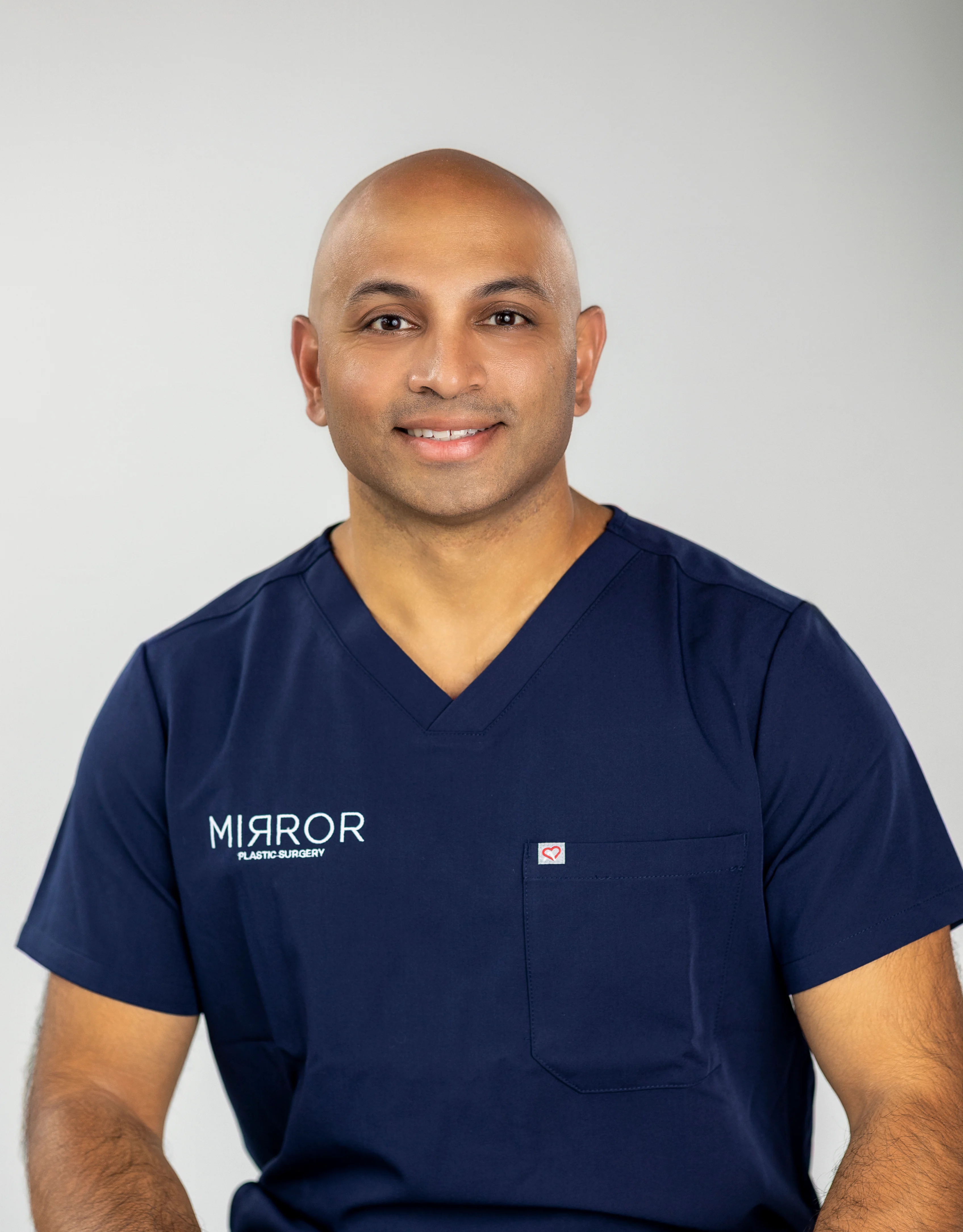
Mirror Plastic Surgery’s concierge model features hour-long consultations, supplier-neutral recommendations, and a philosophy of safety first, function second, aesthetics third. Dr. Akash explains clearly when Botox is a good fit and when another path makes more sense.
Alternatives And Complements To Botox For TMJ
Botox sits as a second-line treatment rather than a first resort. Current international guidelines recommend conservative management as the foundation of TMD care. This approach includes education, self-management, exercise therapy, behavioral modification, and occlusal appliances, with Botox considered only after appropriate assessment and insufficient improvement from these measures.
Conservative options to pursue before Botox include:
- Custom-fitted night guards to protect teeth and reduce clenching load
- Physical therapy that targets jaw musculature and posture
- Stress management and behavioral therapy to address neurological drivers of bruxism
- Anti-inflammatory medication for acute flares
Botox often works best as part of a broader plan. It rarely functions as a complete standalone answer and pairs well with a custom night guard to protect teeth from grinding damage. For patients who have already completed a genuine trial of conservative care, Botox can break the clench–pain cycle enough to make rehabilitation more effective.
Patients interested in cosmetic jaw changes can review Mirror Plastic Surgery’s guide on Botox Jaw Slimming And Masseter Reduction. Those whose headaches are a primary concern alongside jaw pain can explore the article on Botox For Migraines, which explains the FDA-approved migraine protocol and its relationship to jaw muscle treatment. For a broader overview of off-label Botox use and long-term safety, see the guide on Botox FDA Approval Status And Off-Label Use.
Frequently Asked Questions About Botox For TMJ
Is Botox For TMJ Worth It?
For the right candidate with muscle-driven pain who has genuinely failed conservative treatment, Botox can provide meaningful relief that improves daily function and quality of life. It functions as a tool rather than a cure and usually requires repeat treatment every few months. It also works best as part of a comprehensive plan that includes protective appliances and, when appropriate, physical therapy. Patients with joint-structural problems or minimal conservative care often gain less value from this approach.
How Long Does TMJ Botox Last?
Clinical effects typically last 3–4 months, and some patients experience relief for up to 6 months, especially in refractory myofascial pain cases.1 With regular treatments over 12–18 months, some patients extend the interval between sessions as the muscle adapts to reduced use. Results vary based on muscle size, dose, and individual metabolism of the toxin.
Does Botox Help TMJ Immediately?
Botox does not work instantly. The neurotoxin must bind to nerve endings and gradually reduce muscle activity. Most patients notice initial improvement within 1–2 weeks, with fuller effect over the first month.1 Patients who expect same-day relief often feel disappointed, so a patient mindset and clear timeline help.
Will Insurance Pay For TMJ Botox?
Coverage is inconsistent because the treatment is off-label. Some medical insurance plans may cover it when there is a formal TMJ diagnosis, documented evidence of failed conservative treatment, and a letter of medical necessity, especially when chronic migraines are also present. Dental insurance rarely covers it. HSA and FSA funds can often be applied when treatment addresses a documented medical condition, and patients should verify coverage with their insurer before treatment.
Are There Long-Term Side Effects Of TMJ Botox?
The most significant long-term consideration is muscle atrophy. The masseter may gradually shrink with repeated treatments, which changes facial appearance and often creates a slimmer jawline. Many patients welcome this effect. Emerging research on mandibular bone density changes with repeated high-dose injections supports a minimal effective dose strategy. Systematic reviews have not reported serious or permanent adverse events to date, although long-term human data remains limited.
Can Botox Make TMJ Worse?
Improper injection technique can occasionally cause complications such as smile asymmetry or paradoxical muscle bulging, where deep fibers keep contracting while superficial fibers relax. These issues relate closely to injection placement and dosing accuracy. Choosing a provider with surgical-level anatomical knowledge and a conservative dosing philosophy greatly reduces this risk. Botox also does not correct joint-structural problems, so disc displacement or arthritis may continue to drive symptoms even when clenching force decreases.
How Much Does TMJ Botox Cost?
Cost depends on the number of units needed, the provider’s expertise and credentials, and geographic location. Mirror Plastic Surgery offers transparent, personalized quotes during consultation, with pricing based on your anatomy and symptoms rather than a fixed package. HSA and FSA funds may apply when treatment addresses a documented medical condition.
Finding Real Relief With The Right Expert
Botox can be an effective treatment for muscle-related TMJ pain in carefully selected patients who have already tried conservative approaches and work with a provider who understands the anatomy and evidence. The mixed research record supports thoughtful use rather than automatic rejection or blind enthusiasm. Patients benefit most when they receive clear guidance about candidacy and realistic outcomes.
At Mirror Plastic Surgery in St. Petersburg, Dr. Akash Chandawarkar combines a plastic surgeon’s command of craniofacial anatomy with a concierge approach that prioritizes long-term well-being over any single procedure. If Botox is right for you, you will understand exactly why. If another path serves you better, you will hear that clearly as well.
Schedule your consultation with Ellie today to explore whether Botox could provide the TMJ relief you have been seeking.
Disclaimer: Results may vary from person to person. Editorial content, before and after images, and patient testimonials do not constitute a guarantee of specific results.
1 Results may vary from person to person. Editorial content, before and after images, and patient testimonials do not constitute a guarantee of specific results.