
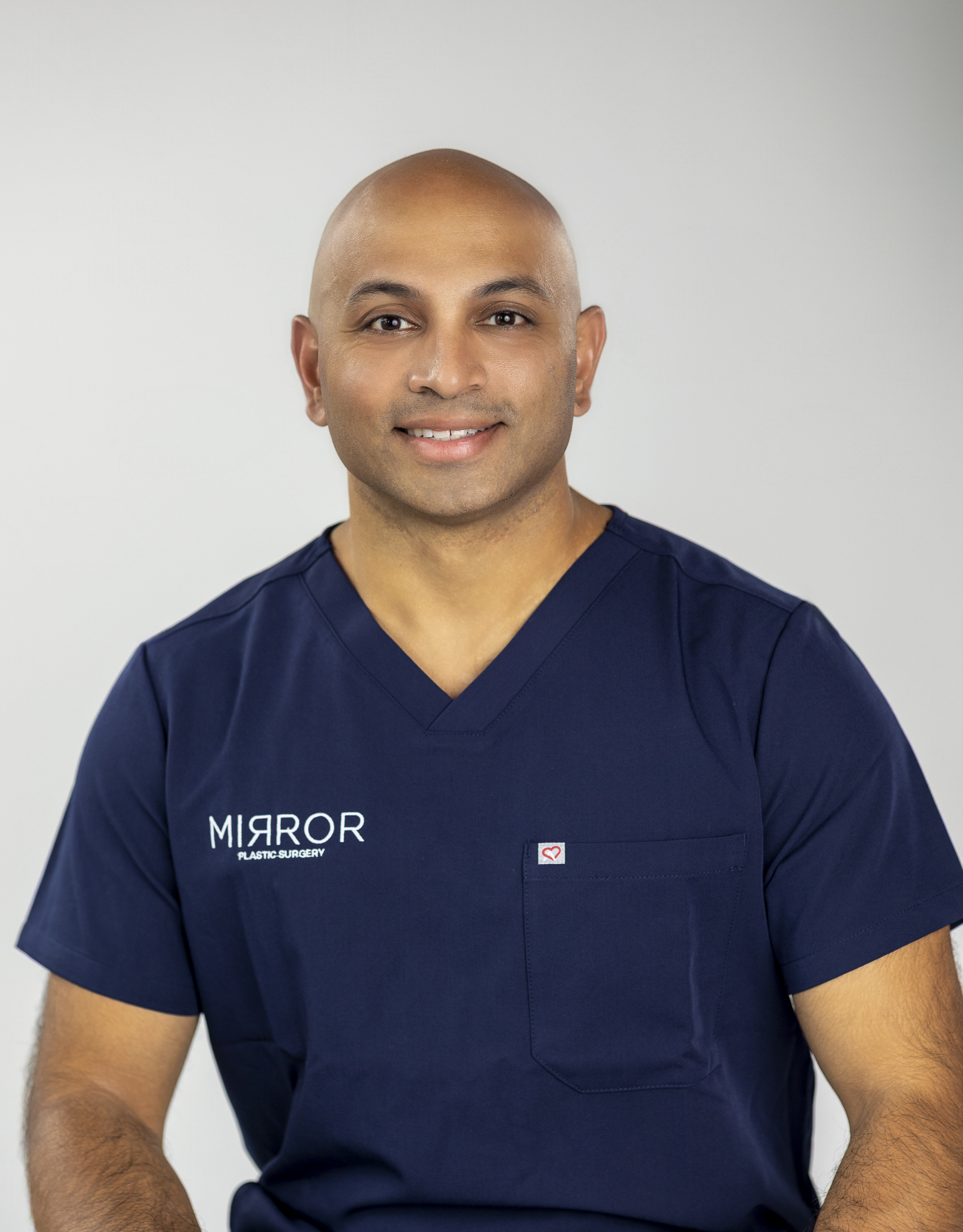
Written by: Dr. Akash Chandawarkar, Board Certified Plastic Surgeon, Mirror Plastic Surgery
Key Takeaways for Natural-Looking Breast Augmentation
- Patients in 2026 prioritize natural-looking breast augmentation using smaller implants, submuscular placement, and fat transfer for proportionate results.
- The 45-55 breast rule keeps about 45% of volume above the nipple and 55% below, creating soft, natural contours through precise planning.
- Concierge practices like Mirror Plastic Surgery limit surgeries to 1-2 daily, which reduces complications compared to high-volume clinics.
- Dr. Akash Chandawarkar trained at Harvard, Johns Hopkins, and a top aesthetic fellowship, and specializes in Motiva implants and AlloClae fat transfer.
- Patients should choose board-certified surgeons with fellowship training and natural results; book a consultation at Mirror Plastic Surgery for personalized, safe outcomes.
Why Mirror Plastic Surgery’s Concierge Model Matters
Mirror Plastic Surgery follows a concierge medicine model that focuses on quality over volume. Many clinics perform 5-10 surgeries per day in a rushed environment. Mirror limits the schedule to 1-2 surgeries daily so each patient receives full attention for safety, function, and aesthetics.
This philosophy places safety first, function second, and aesthetics third. That order guides every step of planning and surgery. Each procedure receives detailed preparation, careful execution, and thoughtful follow-up.
Research demonstrates that complication rates can be significantly higher in high-volume settings, with liposuction showing 5.9% complications in high-volume practices compared to 0.3% in lower-volume specialized settings. This evidence supports choosing a practice that values precision instead of speed.
Mirror provides comprehensive hour-long consultations. This time allows for a full anatomical assessment, clear education, and a personalized treatment plan. Many high-volume facilities offer only 15-minute visits, which limits meaningful discussion and planning.
Book a consultation with Dr. Akash to experience concierge-level care designed for natural-looking breast augmentation.
Dr. Akash Chandawarkar’s Background and Expertise
Dr. Akash Chandawarkar brings elite training and a focused approach to breast augmentation. He completed medical school at Harvard, plastic surgery residency at Johns Hopkins, and an aesthetic fellowship at Manhattan Eye, Ear & Throat Hospital.
His background also includes medical innovation training at Stanford University and board certification by the American Board of Plastic Surgery. He advises leading companies such as Motiva for breast implants and Tiger Aesthetics for AlloClae fat transfer.
These roles keep him at the forefront of breast augmentation innovation. His practice centers on safe surgery, natural-looking results, and refined, proportionate outcomes.
How Natural-Looking Breast Proportions Are Planned
The 45-55 breast rule guides planning for natural-looking breast augmentation. This principle describes an ideal balance between the upper and lower breast poles, with about 45% of volume above the nipple and 55% below.
This distribution creates a soft, natural contour that looks balanced in and out of clothing. It avoids a top-heavy or artificial appearance.
The upper pole slope describes the gentle transition from the chest wall to the breast mound. A smooth slope avoids the “shelf” look that can appear when implants are too large or placed incorrectly.
Modern techniques use dual-plane placement and precise measurements of breast base width, soft-tissue coverage, and nipple-to-fold distance. These details help match implant choice and position to the patient’s anatomy.
Advanced options such as Motiva gel implants and AlloClae fat transfer give surgeons more ways to fine-tune shape and fullness. These tools support results that enhance, rather than overpower, a patient’s natural frame.
Book a consultation with Dr. Akash to see how these anatomical principles can guide your personalized plan.
2026 Breast Augmentation Trends and Technologies
Breast augmentation in 2026 combines new technology with more refined aesthetic goals. Motiva breast implants now feature the BluSeal indicator, which confirms implant safety and integrity before placement.
These fourth-generation implants offer a more natural feel and improved safety profile compared to many earlier designs. Their gel and shell technology help maintain shape while moving naturally with the body.
Fat transfer has also advanced. AlloClae technology improves how fat is processed and prepared, which supports better volume retention and integration. Surgeons can now combine implants with fat grafting to create hybrid augmentations.
Hybrid approaches allow subtle shaping of the upper pole, cleavage, and edges of the implant. This combination often produces softer transitions and longer-lasting, natural-looking results.
3D simulation tools now help patients preview likely outcomes during consultation. These visualizations improve communication, set realistic expectations, and support more precise surgical planning.
Smaller implants, fat transfers, and anatomy-first breast aesthetics dominate 2026 trends for natural results. Patients benefit most when they choose surgeons who specialize in these modern, anatomy-focused techniques.
Book a consultation with Dr. Akash to explore these 2026 innovations for your breast augmentation.
How to Evaluate a Breast Augmentation Surgeon
Choosing a breast augmentation surgeon starts with verifying credentials, experience, and philosophy. The ASPS offers guidance on researching plastic surgeons and making the most of consultations.
Key factors to confirm include:
• Board certification by the American Board of Plastic Surgery (check the official ABPS website)
• Fellowship training in aesthetic or breast surgery
• Before-and-after galleries that show soft, natural proportions without visible implant edges
• A practice model that favors precision over volume, with 1-2 surgeries daily instead of 5-10
• Consultations that last at least 45-60 minutes
• In-house diagnostic tools such as ultrasound for detailed assessment
• Hospital privileges and accredited surgical facilities
• Clear, honest discussion of risks, benefits, and realistic outcomes
High-volume practices that rush consultations and stack many surgeries in one day may sacrifice careful planning. Natural-looking results usually require time, attention, and a tailored approach.
Concierge practices that limit daily surgical volume can devote more focus to each patient. This approach supports safer surgery, more precise execution, and lower complication rates.
Common Mistakes and Misconceptions About Breast Augmentation
Many patients assume that higher surgical volume always means more skill. Experience matters, but the type of experience and training matters more than raw numbers.
Specialized training, deep anatomical knowledge, and a commitment to natural results often predict better outcomes than a high case count alone. Studies show that certain procedures have significantly higher complication rates in high-volume settings compared to specialized, lower-volume practices.
Patients also sometimes overlook functional issues. Proper implant selection and placement should support breast function and long-term health. Poor choices can contribute to animation deformity, capsular contracture, or challenges with mammography.
Another frequent mistake involves choosing surgeons based on social media presence or marketing. Strong credentials, peer recognition, and consistent, natural results provide a more reliable guide than follower counts or sponsored posts.
Essential Questions for Your Breast Augmentation Consultation
Surgeon Experience with Natural-Looking Results
Patients should ask surgeons to describe their specific experience with natural-looking breast augmentation. A qualified surgeon explains their fellowship training, years of focus on breast surgery, and overall philosophy.
They also describe how they apply the 45-55 breast rule and other anatomical principles. Clear explanations and visual examples from their own cases help demonstrate this expertise.
Use of the 45-55 Breast Rule in Planning
Patients should ask how the surgeon measures breast dimensions and soft tissue coverage. The surgeon then explains how these measurements guide implant size and placement.
They also discuss how individual anatomy affects the ideal ratio. Before-and-after photos that show natural upper and lower pole balance help confirm their approach.
Complication Rates and Risk Management
Transparent surgeons share their complication rates for breast augmentation. They address capsular contracture, implant malposition, and revision rates.
They also explain how their techniques, surgical volume, and follow-up care help reduce these risks.
Implant and Fat Transfer Options
Patients should hear a clear explanation of implant types, including saline, silicone, and highly cohesive gel. The surgeon also reviews placement options such as subglandular, submuscular, and dual-plane.
Newer methods like AlloClae fat transfer should be discussed when appropriate. Recommendations should match the patient’s anatomy and goals rather than inventory or convenience.
Recovery Timeline and Support
Surgeons should outline the expected recovery timeline, activity limits, and pain management plan. They also review warning signs of complications.
The discussion should include how their surgical technique affects recovery and what support is available during healing.
Revision Policies and Long-Term Commitment
Patients benefit from understanding the surgeon’s revision policy. The surgeon should explain how they handle complications or unsatisfactory results.
They also clarify potential additional costs and describe their long-term commitment to achieving the agreed goals.
Signs Your Surgeon Is a Strong Choice
Patients can feel more confident when a surgeon is board certified, fellowship trained, and shows consistent, natural-looking results. Adequate consultation time and clear, honest communication also matter.
A philosophy that places safety and function alongside aesthetics usually supports better long-term outcomes.
Conclusion: Choose Elite Specialization for Lifelong Results
Natural-looking breast augmentation depends on more than implant choice. It requires a surgeon with specialized training, strong anatomical understanding, and a personalized, concierge-style approach.
Board certification, aesthetic fellowship training, and limited daily surgical volume all signal this level of specialization. These factors help create safe, functional, and beautiful results that age gracefully.
Book a Consultation at Mirror Plastic Surgery
Mirror Plastic Surgery is located at 780 4th Ave S, St. Petersburg, FL 33701. Contact the practice at 727-361-6515 or hello@mirrorplasticsurgery.com.
Follow on Instagram at @mirrorplasticsurgery and @dr.akashplasticsurgery. Book a consultation with Dr. Akash for natural-looking breast augmentation tailored to your anatomy and goals.
Disclaimer: Results may vary from person to person. Editorial content, before and after images, and patient testimonials do not constitute a guarantee of specific results.
Frequently Asked Questions
What makes a breast augmentation surgeon truly experienced?
True experience in breast augmentation includes more than procedure count. It combines American Board of Plastic Surgery certification, aesthetic fellowship training, and a deep understanding of breast anatomy.
Elite surgeons like Dr. Akash pair Harvard-MIT medical education, Johns Hopkins residency, and Manhattan Eye, Ear & Throat Hospital fellowship with ongoing innovation in AlloClae fat transfer and Motiva technology. They also limit surgeries to 1-2 per day to maintain full focus on each patient.
How important is the 45-55 breast rule for natural-looking results?
The 45-55 breast rule plays a central role in natural-looking augmentation. About 45% of breast volume sits above the nipple and 55% below.
This guideline supports a gentle upper pole slope and soft lower fullness. Surgeons must still adapt the rule to each patient’s base width, soft tissue, nipple position, and chest wall shape.
Skilled surgeons use precise measurements and dual-plane placement to apply this rule. Their goal is to avoid a “shelf” appearance and create balanced, proportionate contours.
What are the latest advancements in breast augmentation technology for 2026?
In 2026, Motiva implants with BluSeal indicators help confirm implant integrity and safety. These fourth-generation silicone implants offer a natural feel and improved performance.
AlloClae fat transfer has improved fat survival and integration compared with traditional methods. 3D simulation tools now allow patients to preview likely outcomes during consultation.
Hybrid procedures that combine implants with fat transfer give surgeons more control over shape and transitions. These advances, along with concierge care models, support more natural, longer-lasting results with fewer complications.
Why should I choose a concierge practice over a high-volume clinic?
Concierge plastic surgery practices provide more time and attention for each patient. Research shows that some procedures have higher complication rates in high-volume settings where surgeons perform many operations per day.
Concierge practices like Mirror Plastic Surgery limit daily surgeries to 1-2. This schedule allows for hour-long consultations, detailed anatomical assessment, and individualized planning.
Surgeons can then focus fully on each case and provide more attentive post-operative care. Patients often reach their goals with fewer complications and more natural-looking outcomes.
How do I verify a surgeon’s credentials and specialization?
Patients should start by confirming board certification through the American Board of Plastic Surgery website. This resource lists certified surgeons and verifies their status.
Next, they can look for fellowship training in aesthetic or breast surgery and review the surgeon’s educational background and residency program. Before-and-after galleries should show consistent, natural results that reflect principles like the 45-55 rule.
Hospital privileges at accredited facilities provide another layer of validation. During consultation, patients should also assess how clearly the surgeon explains anatomy, risks, benefits, and options.
Surgeons who spend adequate time, answer questions directly, and emphasize safety and satisfaction usually offer a higher standard of care.