
Written by: Dr. Akash Chandawarkar, Board Certified Plastic Surgeon, Mirror Plastic Surgery | Last updated: September 9, 2026
Key Takeaways
- Concierge aesthetic medicine provides personalized, unhurried care from a board-certified physician who performs every treatment and stays directly accessible for follow-up.
- Extended 30–60 minute consultations support comprehensive facial analysis, individualized planning, and a full-face approach that maintains balanced, natural-looking results.
- Direct physician access means every injectable or laser treatment is performed by a surgeon with deep anatomical expertise, which improves safety and outcomes.1
- The model includes priority scheduling, 24/7 physician access, and long-term continuity of care that builds detailed knowledge of each patient’s response to treatments.
- Patients who want this level of expertise and safety can schedule a consultation at Mirror Plastic Surgery for direct access to a Harvard-educated, Johns Hopkins-trained, board-certified plastic surgeon.
Key Features Of Concierge Aesthetic Medicine
Concierge aesthetic medicine replaces rushed, transactional visits with physician-led, relationship-based care that focuses on long-term facial health.
- Direct Physician Access: The same board-certified physician performs every treatment, not a rotating group of nurses or physician assistants. In aesthetic medicine, your injector should have a surgeon’s command of facial and subdermal anatomy. Physician-led care yields better results because outcomes and safety in injectable treatments depend on assessment, dosing, and anatomy, not just the product.
- Extended Consultations: Concierge aesthetic appointments typically run 30–60 minutes, compared to the 12–18 minute average in traditional settings. This extra time allows for thorough skin analysis, lifestyle review, and comprehensive treatment planning. At Mirror Plastic Surgery, initial consultations can extend up to a full hour.
- Personalized Treatment Plans: Care is tailored to each patient’s anatomy, goals, and long-term aesthetic health. A holistic, full-face approach looks at how the face ages as a whole rather than as isolated zones. This approach supports balanced, harmonious results instead of focusing on a single area in isolation.1
- Priority Scheduling And Availability: Concierge practices offer same-day or next-day appointments and 24/7 direct access to the physician by phone, text, or secure message. High-volume clinics rarely match this level of responsiveness.
- Continuity Of Care: Provider continuity builds detailed knowledge of how a patient’s skin responds to treatments over time, which supports more accurate and effective care. When your physician has treated you across multiple visits, they understand your response to neuromodulators, how your volume has shifted with age, and how to adjust filler placement.
These features directly affect safety and results. A brief filler appointment cannot match the planning that occurs during a comprehensive consultation with a surgeon who understands facial balance and aging trajectories. Botulinum toxin works by inhibiting acetylcholine release at the neuromuscular junction, and incorrect placement can lead to complications such as brow ptosis, eyelid drooping, or asymmetry.
Dermal fillers also demand precise knowledge of key vascular structures to avoid serious adverse events. These include the angular artery, supratrochlear artery, and infraorbital vessels. A board-certified plastic surgeon brings surgical-level anatomical fluency to every injection.
Schedule your consultation with Ellie to experience a top-to-bottom assessment with Dr. Akash Chandawarkar at Mirror Plastic Surgery.
Concierge Aesthetic Medicine Compared With Other Care Models
Understanding how concierge aesthetic medicine differs from traditional clinics and direct primary care helps you choose the model that fits your needs.
Traditional aesthetic clinics often use a high-volume model with short consultations, multiple providers, and a focus on quick procedures. A patient may book a 15-minute appointment where a nurse they have never met administers injections. Traditional med spas often feature rotating injectors, high-volume 10–15 minute slots, front-desk follow-up, and menu-based treatment plans. Throughput takes priority over individualized care.
Direct primary care (DPC) is a general medical model focused on primary care services such as annual physicals, chronic condition management, and preventive screenings. DPC practices keep patient panels significantly smaller than traditional primary care, often 300 to 600 patients, and do not bill insurance for covered primary care services. DPC does not address injectables, laser treatments, or advanced facial anatomy.
Concierge aesthetic medicine sits at a distinct intersection. It applies the personalized, membership-based access of concierge medicine to aesthetic treatments specifically, led by a physician with specialized training in facial anatomy and procedures. The key difference between concierge medicine and direct primary care is their insurance posture: a concierge practice charges a retainer for enhanced access while billing insurance for medical services, whereas a DPC practice charges a periodic fee and sends no claim to an insurer for covered care. Concierge aesthetic medicine, as a specialty model, usually operates outside insurance because aesthetic treatments are elective.
The most important distinction across all three models is provider qualification. In concierge aesthetic medicine, the physician is a board-certified plastic surgeon or dermatologist with specialized training in facial anatomy and injectables. ABMS-recognized board certification in a core medical specialty such as plastic surgery or dermatology is the most reliable benchmark in the United States, indicating formal specialty training, supervised practice, and ongoing accountability. A physician with surgical training brings a depth of anatomical understanding that far exceeds a weekend course in injections.
Costs And Value Of Concierge Aesthetic Medicine
Concierge aesthetic medicine usually involves a membership or retainer fee that covers access, consultations, and certain services, with individual treatments billed separately at member rates. Costs vary based on location, provider reputation, panel size, and included services. Each practice sets its own fees, and patients receive a personalized quote after a consultation.
The value extends beyond faster access to appointments. A rushed visit cannot match the planning that occurs during a comprehensive consultation with a surgeon who understands facial balance and aging trajectories. Unnatural results, asymmetry, or complications from poorly planned treatments can require costly corrective procedures, which a more thorough initial approach often prevents.
Aesthetic treatments are elective and are not covered by health insurance. Membership fees may qualify for payment through HSA or FSA accounts, depending on the specific plan and services. The concierge retainer fee is separate from insurance and is not typically covered by health plans, though HSA and FSA funds may apply. Patients should confirm eligibility with their benefits provider before using these funds.
Pros And Cons Of Concierge Aesthetic Medicine
Concierge aesthetic medicine offers clear advantages for patients who want physician-led care and long-term planning.
- Personalized care from a physician who knows your face, history, and goals across every visit
- Direct access to a board-certified plastic surgeon for every treatment, without delegation to nurses or assistants
- Comprehensive, unhurried assessments that consider the whole face rather than isolated concerns
- Safer treatments supported by deep anatomical expertise and on-site management of complications
- Natural-looking results that reflect careful planning instead of a quick, menu-driven approach1
- Long-term relationship and continuity of care that improves treatment accuracy over time
- Lower risk of complications that require corrective procedures
- Priority scheduling, direct communication, and a premium patient experience
The model also has limitations that patients should weigh.
- Higher cost than traditional clinic models, with a membership commitment required
- Deliberately limited patient panels, often 100–600 patients, which can restrict availability and enrollment
- May exceed the needs of patients seeking a simple, one-time aesthetic treatment without an ongoing relationship
For patients who prioritize expertise, safety, and natural results over convenience and lower upfront cost, the benefits usually outweigh these drawbacks.
What To Look For In A Concierge Aesthetic Provider
Choosing a concierge aesthetic provider works best when you focus on training, transparency, and how the practice handles safety.
Board certification is the starting point. Patients should ask for the provider’s full board name and specialty, not just the phrase “board-certified,” because the real question is board-certified by whom, in what specialty, and under what standard. Certification by the American Board of Plastic Surgery (ABPS) or an equivalent ABMS-recognized specialty board is the most meaningful credential in this setting.
Questions To Ask A Prospective Provider:
- Who will actually perform my injections or treatments?
- What is your primary medical license and specialty board certification?
- How do you handle complications if they arise?
- Can you show me before-and-after photos of patients with similar concerns?
- What is your approach to achieving natural results?
- How do you determine when a treatment is not appropriate for a patient?
Red flags that warrant caution include rushed consultations and upselling pressure. Vague or unverifiable credentials and an inability to answer anatomical questions also signal concern. A one-size-fits-all treatment menu, no discussion of complications, and prices far below market rate deserve careful scrutiny. A safe aesthetic consultation should include a medical evaluation, discussion of treatment options, review of risks and benefits, transparent pricing with a written estimate, and time to think without high-pressure sales tactics.
Dr. Akash Chandawarkar at Mirror Plastic Surgery meets these standards. He is board-certified by the American Board of Plastic Surgery, fellowship-trained in aesthetic surgery, and serves on advisory boards for Merz Aesthetics and Tiger Aesthetics. Dr. Akash personally performs all injectable treatments.
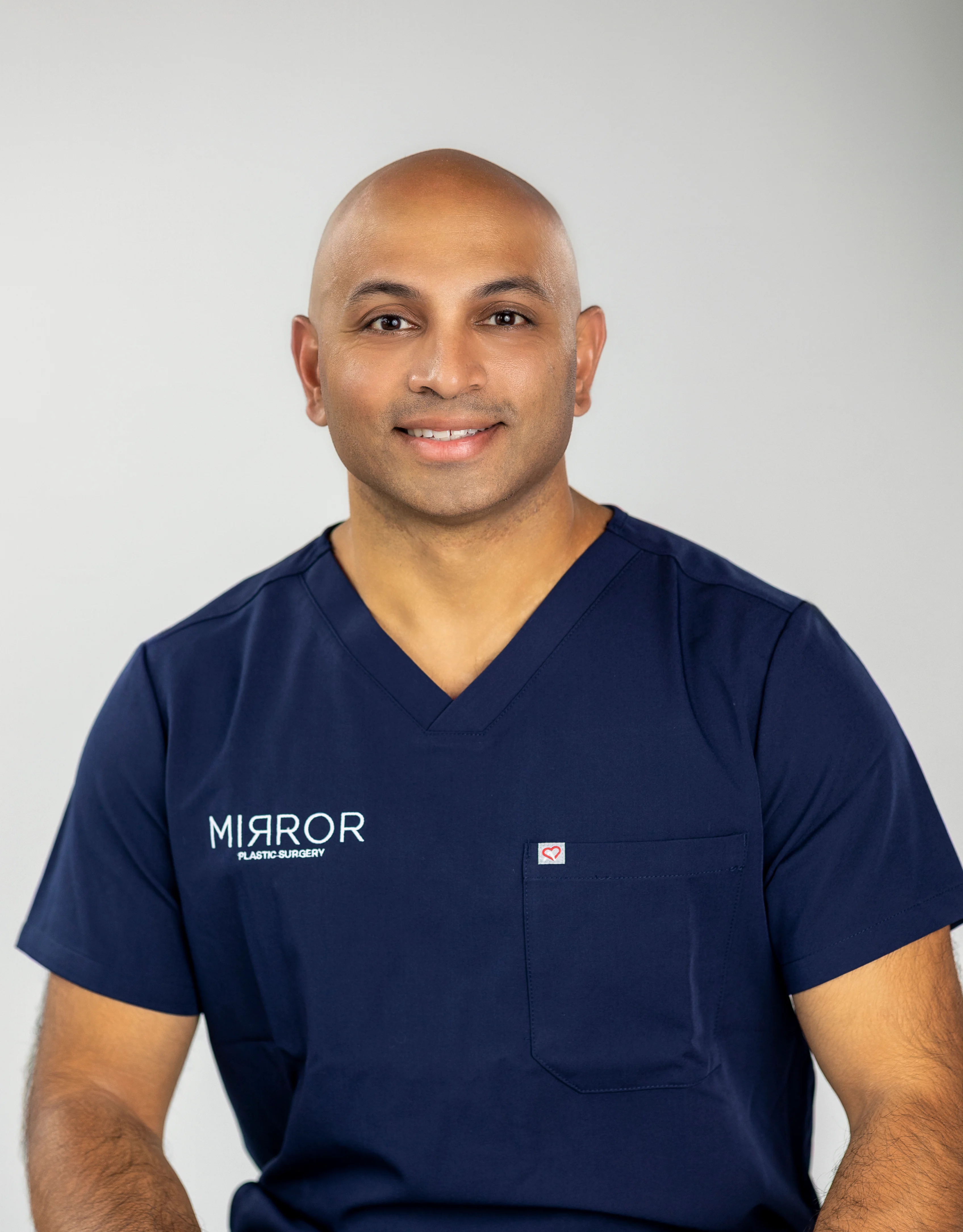
His philosophy places safety first, function second, and aesthetics third. He will sometimes advise a patient that an expensive service is not yet necessary, which builds lasting trust instead of short-term revenue. See what direct physician access looks like in practice and book your consultation with Ellie today.
Why Concierge Aesthetic Medicine Is The Future
Concierge aesthetic medicine responds directly to the limits of high-volume aesthetic care. Patients are more informed and now seek providers who prioritize safety and long-term skin health over quick fixes and aggressive upselling.
When a practice schedules 30 patients a day, the physician has little time for thoughtful, individualized care. The same pattern appears in aesthetic medicine, where brief filler appointments favor speed over safety and planning.
A 2025 systematic review published in The American Journal of Medicine found that concierge medicine significantly increases both patient and physician satisfaction, with patients consistently reporting feeling heard, spending less time waiting, and having a stronger relationship with their doctor. In aesthetic medicine, that relationship supports better outcomes because the physician understands a patient’s anatomy, response to prior treatments, and subtle facial changes over time.1
The concierge model, with its deliberately small patient panels, offers a more sustainable and ethical approach to aesthetic care. Patients benefit from safer, more personalized treatment, and physicians regain the time and autonomy needed for careful clinical decisions.1
Frequently Asked Questions
What Is Concierge Aesthetic Medicine?
Concierge aesthetic medicine is a membership-based model where patients pay a retainer fee for personalized, unhurried aesthetic care from a board-certified physician who remains directly accessible for consultations, treatments, and follow-up. The physician personally performs all treatments, maintains a small patient panel, and offers extended appointment times for comprehensive assessment and individualized planning. The model focuses on long-term skin health and natural results instead of transactional, high-volume care.
How Is Concierge Aesthetic Medicine Different From A Traditional Med Spa?
Traditional med spas typically use a high-volume model with rotating injectors, brief 10–15 minute appointments, and menu-based treatment plans. Concierge aesthetic medicine ensures the same board-certified physician performs every treatment at every visit. Consultations are extended, often 30 to 60 minutes or more, and the physician conducts a comprehensive top-to-bottom assessment rather than addressing isolated concerns.
Follow-up occurs directly with the physician instead of through a front desk or call center. The physician also uses clinical judgment to decide when treatment is not appropriate, which a volume-driven clinic may not emphasize.
What Is The Difference Between Concierge Medicine And Direct Primary Care?
Direct primary care is a general medical model focused on routine visits, chronic condition management, and preventive screenings. Patients pay a flat monthly or annual fee, and the practice does not bill insurance for covered services. Concierge aesthetic medicine is a specialized model led by a plastic surgeon or dermatologist with advanced training in facial anatomy and injectables.
Concierge aesthetic practices do not function as primary care and do not manage general health conditions. The two models share a membership-based structure and small patient panels but serve very different clinical purposes.
How Many Patients Does A Concierge Aesthetic Doctor See?
Concierge aesthetic practices deliberately limit patient panels to 100–600 patients, compared to 2,000 or more in traditional settings. This reduced panel size supports longer appointments, same-day access, and genuine continuity of care.
At Mirror Plastic Surgery, the practice performs only one to two surgeries per day to maintain focused attention on each patient. This schedule keeps Dr. Akash’s full attention available before, during, and after every procedure.
Is Concierge Aesthetic Medicine Worth The Cost?
For patients who value expertise, safety, and natural results, concierge aesthetic medicine often justifies the higher upfront cost.1 The membership supports more time with a board-certified physician, a more thorough assessment, and a lower risk of complications or unnatural results, which can reduce the need for corrective procedures over time.
The model best serves patients who want an ongoing relationship with a physician who knows their face and aesthetic history, rather than a single treatment. Patients with simple, infrequent needs may feel well served by a traditional clinic. Those who have experienced rushed consultations, rotating injectors, or results that looked obviously treated often find that the concierge model directly addresses those frustrations.
Book A Consultation At Mirror Plastic Surgery
Mirror Plastic Surgery offers comprehensive, hour-long consultations and a top-to-bottom assessment with Dr. Akash Chandawarkar, a Harvard-educated, Johns Hopkins-trained, board-certified plastic surgeon who personally performs all injectable and non-surgical treatments. The practice is currently welcoming new patients seeking full-face restorative treatments and non-surgical BBL services in the St. Petersburg and Tampa Bay area.
Schedule your consultation with Ellie today to begin your full-face restorative journey.
- Address: 780 4th Ave S, St. Petersburg, FL 33701
- Phone: 727-361-6515
- Email: hello@mirrorplasticsurgery.com
- Instagram: @mirrorplasticsurgery, @dr.akashplasticsurgery, @perfectlyplastics
Disclaimer: Results may vary from person to person. Editorial content, before and after images, and patient testimonials do not constitute a guarantee of specific results.
1 Results may vary from person to person. Editorial content, before and after images, and patient testimonials do not constitute a guarantee of specific results.