
Written by: Dr. Akash Chandawarkar, Board Certified Plastic Surgeon, Mirror Plastic Surgery | Last updated: June 28, 2026
Key Takeaways for Your Lower Eyelid Anesthesia Plan
- Lower eyelid blepharoplasty can be performed safely under local anesthesia, IV sedation, or general anesthesia. Each option carries a specific risk profile based on procedure duration and your overall health.
- Pre-operative screening using the ASA Physical Status classification and a detailed review of comorbidities such as cardiac disease, diabetes, and obstructive sleep apnea helps identify the safest anesthesia approach.
- Following the 2-4-6 fasting rule reduces aspiration risk. Patients with conditions that slow gastric emptying may receive customized fasting instructions.
- Recovery timelines differ by anesthesia method. Local anesthesia allows immediate alertness and same-day discharge, while general anesthesia requires monitored recovery in an accredited facility.1
- Patients considering lower eyelid blepharoplasty can schedule a personalized consultation at Mirror Plastic Surgery to review anesthesia options that match their health profile and aesthetic goals.
Choosing Among Local, IV Sedation, and General Anesthesia
Three anesthesia methods are commonly used for lower eyelid blepharoplasty: local anesthesia alone, local anesthesia with IV (twilight) sedation, and general anesthesia. Eyelid procedures including blepharoplasty are routinely performed under local anesthetic with or without intravenous sedation, while procedures that require strict airway control, such as orbital decompression, typically rely on general anesthesia.
The risk of death directly attributable to anesthesia in fit patients undergoing elective surgery is well under 1 in 100,000.1 That level of safety reflects appropriate patient screening, accredited facilities, and anesthesia delivered by qualified professionals. Anesthesia-related complications in elective facial cosmetic surgery remain uncommon when these conditions are met. Understanding how the three main methods differ in risk, duration, and recovery helps you and your surgeon select the most appropriate approach.
Comparing Local, IV Sedation, and General Anesthesia for Lower Lids
Each anesthesia method carries a distinct risk profile, ideal use case, and recovery expectation. The table below summarizes how they compare across key clinical factors.
| Anesthesia Type | Risk Profile | Typical Procedure Duration | Recovery Setting | Common Side Effects |
|---|---|---|---|---|
| Local Only | Lowest systemic risk, with potential for local anesthetic systemic toxicity if maximum recommended doses are exceeded | Short cases | Office or outpatient, same-day discharge | Injection discomfort, localized bruising, tissue distortion |
| IV (Twilight) Sedation | Suitable for moderate duration procedures, with drug doses approaching general anesthesia levels without airway control in longer cases | Moderate duration | Ambulatory, same-day discharge when modified Aldrete criteria are met | Nausea, grogginess, mild respiratory depression |
| General Anesthesia | Higher systemic exposure, preferred for longer operative times that require a motionless, tightly controlled surgical environment | Typically 1–2 hours | Accredited surgical facility with PACU monitoring before discharge | Nausea, sore throat, prolonged grogginess, rare cardiovascular or respiratory events |
Local anesthetic agent selection also affects safety and comfort. Lidocaine (pKa 7.9) provides rapid onset, while bupivacaine (pKa 8.1) offers 6–8 hours of duration but carries greater potential for direct cardiac toxicity than other agents. Maximum doses for agents used in oculoplastic procedures include bupivacaine 2.5 mg/kg, or 3 mg/kg with epinephrine, ropivacaine 3 mg/kg, with no significant change when epinephrine is added, and mepivacaine hydrochloride 4.4 mg/kg.
For blepharoplasty cases that typically last 1–2 hours, total intravenous anesthesia (TIVA) with a secured airway is often preferred. Operating time, the need for complete patient immobility, and the proximity of surgery to the airway make twilight sedation less suitable for longer procedures.
Schedule your pre-operative consultation to determine which anesthesia approach is safest for your specific health profile.
Pre-Operative Screening and ASA Classification for Lower Lid Surgery
The ASA Physical Status classification system provides a structured way to stratify patient risk before elective procedures. ASA Physical Status III patients may be acceptable for ambulatory procedures in some circumstances, while ASA IV patients are not categorically unsuitable for outpatient elective surgery such as lower blepharoplasty. Few absolute contraindications exist based on ASA classification alone, so selection remains individualized.
This individualized approach requires a systematic evaluation of multiple factors. Pre-operative screening for cosmetic procedures including blepharoplasty reviews comorbidity burden, procedural setting, and monitoring capacity to determine whether local anesthesia, IV sedation, or general anesthesia is most appropriate.
ASA-Based Pre-Operative Screening Checklist for Lower Blepharoplasty
- ASA I (Healthy): No systemic disease. Local or IV sedation is typically appropriate for standard-duration cases.
- ASA II (Mild systemic disease): Controlled hypertension, well-managed diabetes, mild obesity (BMI <35), or social smoking. Anesthesia selection is reviewed case by case.
- ASA III (Severe systemic disease): May be acceptable for ambulatory surgery in some circumstances.
- ASA IV (Life-threatening disease): Not categorically unsuitable for outpatient elective surgery, but patient selection remains highly individualized.
- Cardiac history: Recent myocardial infarction, arrhythmia, or uncontrolled hypertension requires cardiology clearance before proceeding.
- Respiratory conditions: OSA screening using STOP-Bang criteria is recommended. Elevated respiratory complication risk may call for opioid-sparing multimodal analgesia and stricter PACU discharge criteria.
- Liver disease: Alters local anesthetic metabolism and affects lidocaine dosing limits.
- Pseudocholinesterase deficiency: Contraindicates ester-class agents such as tetracaine.
- Diabetes: Requires HgbA1C review and preoperative glycemic control to reduce infection and wound-healing risks.
The 2-4-6 Fasting Rule Before Lower Eyelid Surgery
Current fasting guidelines follow a 2-4-6-8 structure based on what you ingest. Clear liquids, including water, black coffee, tea, clear juice, and special preoperative drinks, are permitted until 2 hours before anesthesia in patients with normal gastric emptying. Under the 2-4-6-8 rule, fatty or heavy solids require an 8-hour fast, while light meals, milk, and formula require a 6-hour fast before anesthesia.
Certain conditions extend effective fasting requirements beyond these standard intervals. Diabetes, obesity, malignancy, pregnancy, mechanical ileus, intestinal paralysis, nausea, hiccups, anxiety, pain, large recent food intake, and alcohol use all increase the risk of gastric retention and aspiration. These factors warrant caution with standard fasting guidelines. Patients with these conditions should review individualized fasting instructions with their anesthesia provider before the procedure date.
Recovery Expectations for Each Anesthesia Type
Recovery duration and quality differ meaningfully across local anesthesia, IV sedation, and general anesthesia.
Local anesthesia only: Patients remain alert immediately after the procedure. Discharge usually occurs within one to two hours.1 Discomfort stays localized and responds well to oral analgesics.
IV sedation: Ambulatory surgery patients can often follow a fast-track recovery directly to Phase 2 using the modified Aldrete score when short-acting anesthetics are used, provided they are awake, oriented, normothermic, and maintain their airway and oxygen saturation without supplemental oxygen. Same-day discharge is standard.1
General anesthesia: PACU monitoring is required before discharge. Narcotic-free anesthesia protocols combined with long-acting nerve blocks allow most blepharoplasty patients to go home the same day with minimal nausea or vomiting.1 Postoperative discomfort is usually described as tightness, mild soreness, and fatigue rather than sharp pain.
Discuss your expected recovery timeline and post-operative care plan during your consultation.
How Age and Comorbidities Shape Anesthesia Risk
Age alone does not contraindicate general anesthesia in facial plastic surgery. Overall health status matters more, and many older patients safely undergo eyelid surgery after appropriate preoperative assessment and medical clearance. Among the health factors that matter most, cardiac and respiratory conditions require particularly careful evaluation.
Cardiac conditions such as uncontrolled hypertension or recent arrhythmia increase the risk of hemodynamic instability under any anesthesia type. General anesthesia for longer procedures supports consistent blood pressure control and reduces bleeding through a controlled operating environment.
Respiratory conditions, particularly obstructive sleep apnea, require specific management. Severe untreated OSA requires careful evaluation and may necessitate the pain management strategies outlined earlier. Eye surgery is classified as low-risk, defined as less than 1% 30-day risk of cardiovascular death or myocardial infarction, based on procedure type alone. Patient-level comorbidities can raise that baseline substantially.
Separating Anesthesia Complications From Surgical Issues
Anesthesia-specific complications in lower blepharoplasty include local anesthetic systemic toxicity, agent-specific cardiac effects from bupivacaine, and reactions tied to metabolic factors such as liver disease or pseudocholinesterase deficiency. These events relate to medication and physiology rather than surgical technique.
Surgical complications, including hematoma, ectropion, dry eye exacerbation, or wound dehiscence, arise from tissue handling, anatomical dissection, and postoperative wound care. Symptoms that may indicate an anesthesia-related event include sudden cardiovascular changes, respiratory distress, or systemic reactions during or immediately after drug administration. Symptoms that appear hours to days later, such as eyelid malposition, persistent chemosis, or asymmetric swelling, align more with surgical complications. Any unexpected symptom should prompt immediate contact with the surgical team.
How Dr. Akash Selects Anesthesia for Lower Blepharoplasty
Anesthesia risk differs from surgical risk, and sedation choices must match patient fitness, clinician training, and monitoring environment. Anesthesia choice is guided primarily by the depth and extent of the technique, expected surgical time, patient medical history and overall health, and the need for a controlled operating environment.
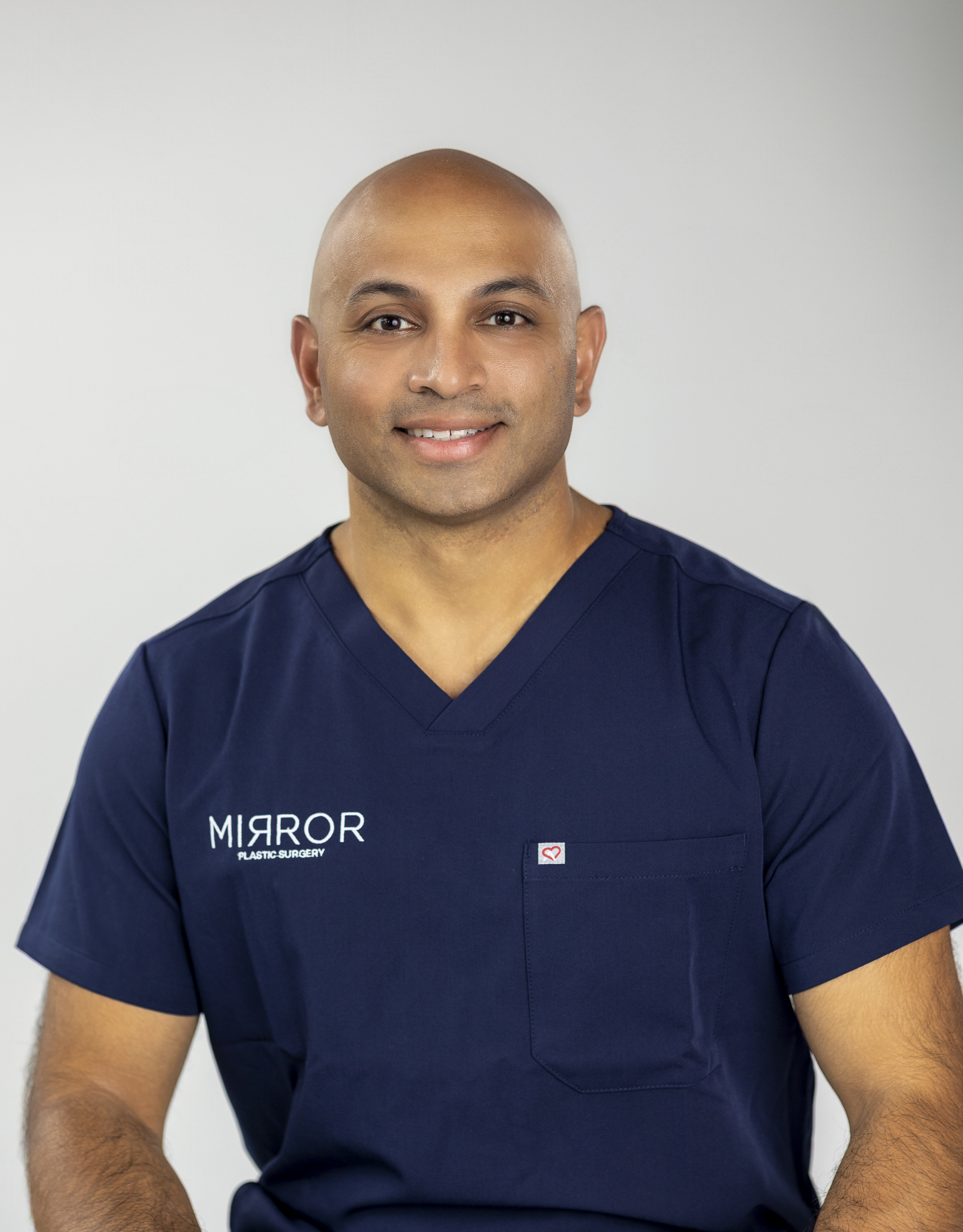
At Mirror Plastic Surgery, Dr. Akash, named to Newsweek’s America’s Best Plastic Surgeons list for two consecutive years, applies this framework through a concierge medicine model. The practice limits itself to one to two surgeries per day so the entire clinical team can focus fully on each patient before, during, and after the procedure. Board-certified physician anesthesiologists administer all anesthesia in accredited surgical facilities. Pre-operative evaluations include in-office diagnostic assessment to identify anatomical and systemic factors that influence anesthesia selection. Dr. Akash’s fellowship training at the Manhattan Eye, Ear and Throat Hospital (MEETH) included advanced facial surgery techniques where anesthesia selection forms a core part of surgical planning.
Get a personalized anesthesia recommendation based on your complete health profile and surgical goals.
Frequently Asked Questions
Safest Anesthesia Choice for Lower Eyelid Blepharoplasty
No single anesthesia method is universally safest. The appropriate choice depends on procedure duration, your health status, and facility capabilities. Local anesthesia carries the lowest systemic exposure and suits short, straightforward cases in healthy patients. IV sedation works well for procedures lasting 30 to 60 minutes in appropriately screened patients. General anesthesia is preferred when operative time exceeds one hour, when the procedure is combined with other facial surgeries, or when a fully controlled surgical environment is required. A board-certified plastic surgeon working with a board-certified physician anesthesiologist will recommend the safest option after a thorough pre-operative evaluation.
Determining Candidacy for IV Sedation Versus General Anesthesia
Candidacy depends on ASA Physical Status classification, comorbidity burden, and planned procedure scope. Healthy patients (ASA I or II) undergoing isolated lower blepharoplasty of standard duration often qualify for IV sedation in an accredited outpatient setting. Patients with significant cardiac or respiratory conditions, those undergoing combined facial procedures, or those whose surgery is expected to last beyond 60 minutes are more likely to receive general anesthesia. Conditions such as uncontrolled obstructive sleep apnea, poorly managed diabetes, or recent cardiovascular events may require medical optimization before any elective anesthesia.
Understanding the 2-4-6 Fasting Rule for Blepharoplasty
The 2-4-6 rule describes minimum fasting intervals before anesthesia. Clear liquids such as water, black coffee, tea, and clear juices may be consumed up to 2 hours before the procedure. Other beverages are restricted for at least 4 hours. All solid and semi-solid foods require a 6-hour fast. These intervals apply to patients with normal gastric emptying. Patients with diabetes, obesity, gastroesophageal reflux, or other conditions that slow gastric emptying may need extended fasting periods and should receive individualized instructions from their anesthesia provider.
Recognizing Anesthesia Versus Surgical Complications
Anesthesia-related complications typically appear during or immediately after drug administration. They include cardiovascular changes such as arrhythmia or blood pressure instability, respiratory depression, systemic allergic reactions, or signs of local anesthetic toxicity such as perioral numbness, tinnitus, or altered mental status. Surgical complications, including hematoma, ectropion, dry eye, chemosis, or wound separation, usually appear hours to days after the procedure and remain localized to the operative site. Any unexpected symptom, regardless of timing, should be reported to the surgical team promptly so they can intervene early.
Impact of Heart Disease and Sleep Apnea on Blepharoplasty Candidacy
Heart disease or sleep apnea does not automatically disqualify you from lower blepharoplasty. Controlled cardiac conditions and well-managed obstructive sleep apnea require additional pre-operative evaluation and may influence anesthesia selection. Patients with these conditions are typically classified as ASA II or III. ASA III patients are acceptable for ambulatory elective surgery only when their comorbidities are stable and optimized. Poorly controlled conditions, such as uncontrolled hypertension, recent cardiac events, or severe untreated OSA, require medical management and clearance before proceeding. The anesthesia team and surgeon review these factors together to determine the safest plan.
Making a Confident, Informed Anesthesia Choice
Anesthesia selection for lower eyelid blepharoplasty rests on your health status, procedure scope, facility standards, and provider qualifications. The risks associated with anesthesia differ from surgical risks and deserve separate evaluation. Pre-operative screening using ASA classification, adherence to current fasting guidelines, and honest disclosure of all comorbidities give the surgical and anesthesia teams what they need to build a safe, individualized plan.
At Mirror Plastic Surgery in St. Petersburg, Florida, Dr. Akash, a Harvard-educated, Johns Hopkins-trained, and MEETH fellowship-trained plastic surgeon recognized for his clinical excellence, conducts thorough, hour-long consultations that address anesthesia selection, pre-operative screening, and surgical planning together. The practice’s commitment to performing only one to two surgeries per day ensures that every patient receives focused, personalized attention.
Schedule a comprehensive pre-operative evaluation to receive a clear, evidence-based anesthesia recommendation tailored to your anatomy, health history, and goals.
1 Results may vary from person to person. Editorial content, before and after images, and patient testimonials do not constitute a guarantee of specific results.