
Written by: Ellie Pranckevicius, FNP-BC, Aesthetic Nurse Practitioner & Aesthetic Injector | Facial Restoration & Regenerative Injectable Specialist, Mirror Plastic Surgery
Key Takeaways
- NAD+ is a coenzyme, whereas a peptide is a short chain of amino acids. “NAD peptide therapy” is a marketing term, not a scientific one.
- Preclinical studies show NAD+ supports DNA repair and mitochondrial function, but no human trial has yet demonstrated measurable cellular repair outcomes.
- Oral precursors NR and NMN reliably raise blood NAD+ levels and currently have the strongest human evidence with the mildest safety profile.1
- IV and injectable NAD+ lack controlled human outcome data, carry higher acute side-effect risks, and face documented product-quality concerns including FDA recalls.
- Patients seeking evidence-informed NAD+ therapy should consult Mirror Plastic Surgery to discuss personalized protocols under medical supervision schedule a consultation to review your labs and goals.
Clarifying the Term: NAD+ Is a Coenzyme, Not a Peptide
NAD+ (nicotinamide adenine dinucleotide) is a coenzyme present in every living cell. A peptide is a short chain of amino acids that acts as a signaling or structural molecule. The term “NAD peptide therapy” likely emerged from clinic marketing that grouped NAD+ alongside peptide therapies for convenience, even though they belong to different biochemical categories.
NAD+ is a dinucleotide that shuttles electrons in energy metabolism and fuels enzymes involved in DNA repair and cell signaling. Peptides, by contrast, are amino acid chains that influence cell behavior through receptor interactions or structural roles.
Mirror Plastic Surgery offers both NAD+ and peptide therapies, including BPC-157, GHK-Cu, and TB500, and clearly distinguishes between them in patient education. Clear terminology supports true informed consent.
The Biological Role of NAD+ in Cellular Maintenance
NAD+ supports several core cellular functions that relate directly to cellular maintenance and repair:
- Energy production: NAD+ cycles between oxidized (NAD+) and reduced (NADH) forms to link glycolysis, the TCA cycle, and oxidative phosphorylation, supporting ATP synthesis in mitochondria. It functions like a molecular fuel gauge that keeps the cell’s power plant running.
- Sirtuin activation: Sirtuins (SIRT1–SIRT7) are NAD+-dependent enzymes that regulate DNA repair, mitochondrial biogenesis, inflammation, and metabolic adaptation. SIRT1 promotes mitochondrial biogenesis and suppresses inflammatory signaling, while SIRT3 enhances oxidative metabolism and antioxidant defenses. NAD+ availability limits how actively these longevity-linked proteins can function.
- PARP-mediated DNA repair: PARP enzymes consume NAD+ to synthesize poly(ADP-ribose) chains that recruit repair proteins to DNA damage sites, directly tying NAD+ levels to genomic maintenance efficiency. As DNA damage accumulates with age, PARP activation increases, consuming more NAD+ and potentially creating a depletion feedback loop.
These mechanisms explain why NAD+ is essential for cellular maintenance. They do not automatically prove that supplementing NAD+ produces measurable health improvements in humans.
What Human Trials Reveal About NAD+ Therapy
Preclinical Findings and Their Limits
Rodent and cell studies show that restoring NAD+ can improve mitochondrial function, DNA repair markers, and lifespan indicators. These results generated significant scientific interest. As one researcher noted, “In rodents and mice, NAD+ is miraculous”. A 2025 review in Nature Aging, co-authored by more than 25 scientists, highlighted NAD+ as a key molecule for slowing aging and fighting neurodegenerative diseases. These findings are compelling, yet they have not fully translated into human outcomes.
Human Trial Outcomes So Far
Human trials show reliable NAD+ level increases with oral precursors, while clinical outcomes remain mixed:
- A 2021 placebo-controlled trial by Yoshino et al. (Science) found that NMN improved muscle insulin sensitivity in prediabetic postmenopausal women. Weight and most metabolic markers did not change, and other researchers publicly contested the findings.
- A 2018 study by Martens et al. (Nature Communications) showed NR raised whole-blood NAD+ by about 60% in healthy middle-aged and older adults. Researchers observed an exploratory signal of reduced systolic blood pressure in participants with elevated baseline values.
- A 2019 study by Elhassan et al. (Cell Reports) found NR boosted the aged human skeletal muscle NAD+ metabolome and produced anti-inflammatory transcriptomic signatures. The study did not show improvements in muscle bioenergetics or physical performance.
- A 2024 randomized placebo-controlled trial in older adults with mild cognitive impairment found NR raised blood NAD+ roughly 2.6-fold. Neurocognitive scores remained unchanged, illustrating target engagement without clear clinical benefit.
A February 2026 systematic review by Gallagher and Emmanuel (Ageing Research Reviews) screened 113 studies, including 33 in humans and 80 in rodents. The authors found no eligible controlled outcome trials of IV, intramuscular, or subcutaneous NAD+ for anti-aging or wellness outcomes. No human trial has demonstrated direct cellular repair or lifespan extension. As one leading researcher summarized, “Initially it was exciting. I think now the cart may be well ahead of the horse.”
Comparing NAD+ Delivery Methods
A key pharmacokinetic detail affects IV and injectable routes. NAD+ is a large, polar, charged dinucleotide that cannot passively cross intact cell membranes. Extracellular enzymes such as CD38 break it down, so an injection mainly delivers raw material for cells to rebuild NAD+ rather than depositing NAD+ directly inside cells. Preliminary data from a Restore Hyper Wellness pilot study suggest NAD+ infusions are “very inefficient” at increasing intracellular NAD+ because NAD+ has “no easy door” to enter from the bloodstream, while IV infusions with a precursor appear more effective.
Mirror Plastic Surgery offers injectable NAD+ under medical supervision with pharmaceutical-grade product. The team recognizes that some patients prefer this route and remains transparent about what current evidence supports.
Safety Profile and Side Effects
Side effects depend strongly on the delivery route used:
- IV infusion: Reported adverse effects include nausea, cramping, flushing, and chest discomfort, with limited long-term safety data. These effects are rate-dependent and usually resolve when the infusion slows or ends.
- Oral precursors (NR/NMN): The most common side effects include mild nausea, bloating, loose stools, and occasional headache. Published NMN trials have not documented serious adverse events.
- Injection-site reactions: Subcutaneous or intramuscular injections often cause pain, redness, swelling, bruising, or itching at the injection site.
Product quality represents a major safety concern. On October 21, 2025, the FDA classified a recall of GenoGenix LLC NAD+ for Injection as Class I, its most serious category, due to elevated endotoxin levels. The FDA also warned that some compounders use food-grade NAD+, intended for oral use, to make sterile injectables, which carries a high risk of microbial and endotoxin contamination. Medical supervision, pharmaceutical-grade sourcing with batch testing, and proper dosing protocols form the minimum standard for safe administration.
Who Is a Good Candidate for NAD+ Therapy?
The evidence points to several groups that may have a stronger rationale for NAD+ therapy. These groups tend to show larger NAD+ deficits or clearer mechanistic links to NAD+ pathways.
- Older adults (60+) with documented age-related decline, where NAD+ deficits are largest and most consistently studied
- Individuals with metabolic dysfunction such as insulin resistance or prediabetes, where metabolically compromised subjects may show clearer benefits than healthy subjects1
- Individuals with neurodegenerative disease risk or early diagnosis, which the Nature Aging review discussed earlier highlighted as a promising area, including Alzheimer’s and Parkinson’s disease
Some populations require extra caution or should avoid NAD+ therapy entirely:
- People with active or prior malignancy, who need oncology clearance because of theoretical concerns about supporting cancer cell energy metabolism
- Patients on PARP inhibitors such as olaparib, niraparib, or rucaparib, where IV NAD+ directly antagonizes these cancer treatments
- Pregnant or breastfeeding individuals, because safety has not been established
- People with advanced liver or kidney disease, uncontrolled hypertension, or unstable cardiac conditions
A thorough evaluation with baseline lab testing is essential before starting any NAD+ protocol. A structured assessment should include a complete metabolic panel, age- and risk-appropriate cancer screening, a medication review, and clear documentation of patient goals and expectations.
How to Choose a Safe NAD+ Provider
The largely unregulated NAD+ market places responsibility on patients to vet providers carefully. A rigorous provider should meet all of the following criteria:
- Medical supervision by a licensed practitioner who reviews your full medical history and current medications before prescribing.
- Baseline lab testing to identify contraindications, establish reference values, and personalize dosing.
- Pharmaceutical-grade sourcing with batch testing and certificates of analysis, rather than food-grade or research-grade NAD+.
- Personalized dosing protocols based on your individual health profile instead of a one-size-fits-all menu.
- Ongoing monitoring and support with follow-up labs and direct provider access throughout the protocol.
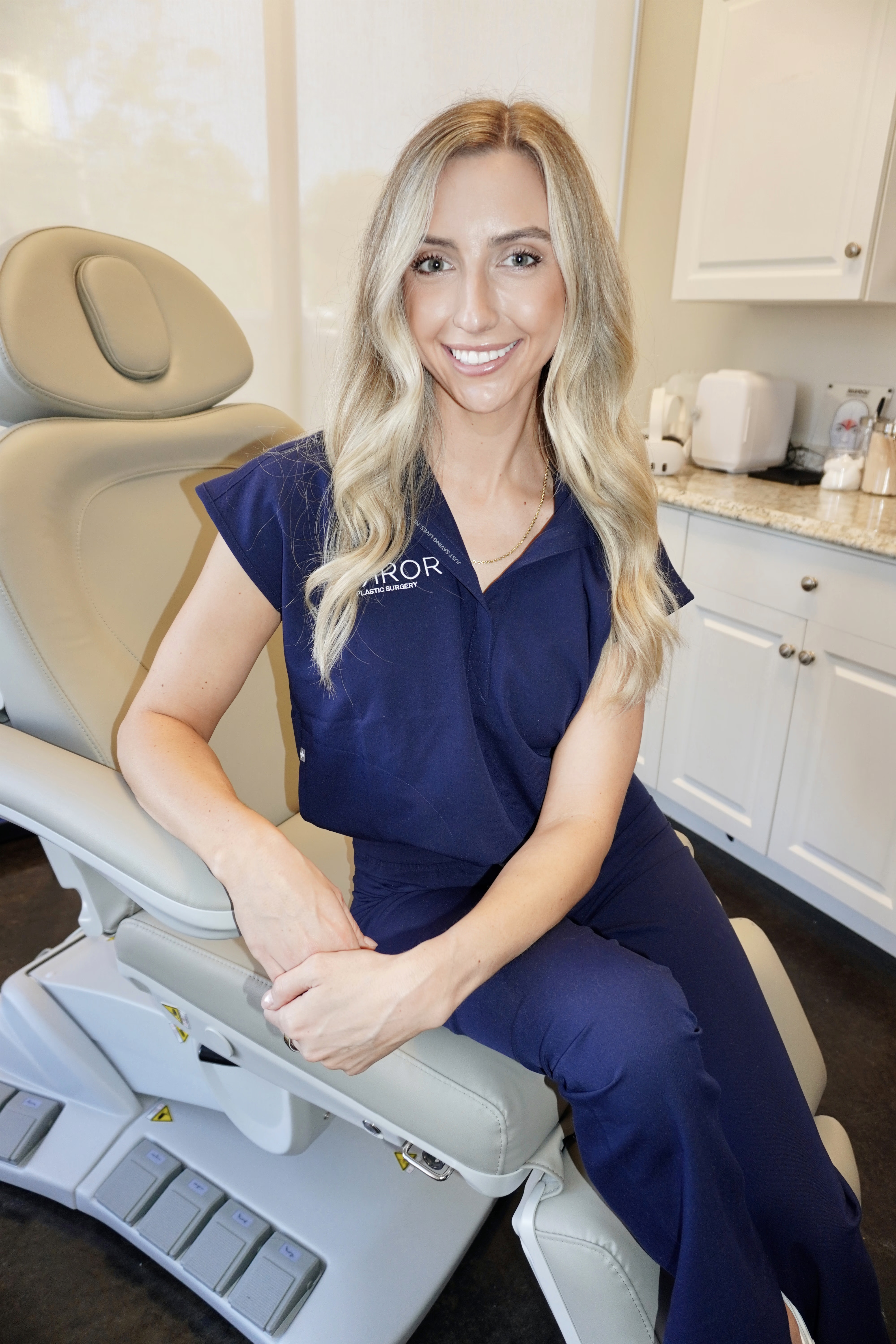
At Mirror Plastic Surgery, a board-certified Family Nurse Practitioner leads NAD+ and peptide therapies. She has four years of critical-care experience in the Neuroscience ICU at Tampa General Hospital and advanced training in aesthetic medicine and clinical nursing. She conducts in-depth consultations of up to an hour, orders and reviews lab panels, sources from reputable suppliers with batch testing, and provides direct 24/7 concierge support throughout your protocol. Her work occurs under the medical direction of a Harvard-educated, Johns Hopkins-trained plastic surgeon with fellowship training at Manhattan Eye Ear & Throat Hospital.
Book an appointment with our nurse practitioner to discuss whether NAD+ therapy fits your labs, health history, and goals.
Frequently Asked Questions
Does NAD+ Repair Your Cells?
NAD+ supports cellular repair processes in preclinical models, particularly DNA repair via PARP enzymes and mitochondrial maintenance via sirtuin activation. Human trials have not yet demonstrated “cellular repair” as a direct clinical outcome. The evidence shows that cells require NAD+ for repair mechanisms to function, while supplementation has not yet proven to repair cells in humans. A molecule can be essential to a process without supplementation producing a measurable improvement in that process in healthy or aging people.
What Is the Downside of Taking NAD+?
Side effects depend on the delivery method. IV infusion carries the highest acute side-effect burden, with retrospective clinic reviews reporting nausea, abdominal cramping, flushing, elevated heart rate, and chest pressure. These effects are rate-dependent and resolve after infusion. Oral precursors NR and NMN show a milder profile, with mild gastrointestinal discomfort in a minority of users across multiple randomized trials. Injectable NAD+ adds injection-site reactions and a higher risk of contamination if sourced from non-pharmaceutical-grade compounders. Quality concerns remain significant across non-oral routes, including the Class I recall mentioned earlier. Theoretical cancer risks in at-risk individuals also warrant caution and oncologist consultation before starting any NAD+ protocol.
Is NAD+ FDA Approved?
Injectable NAD+ is a compounded product and not an FDA-approved drug for any indication. The FDA evaluated NAD for the 503A bulk drug substances list and proposed excluding it, citing susceptibility to degradation and insufficient clinical data. Oral NR is established as a dietary supplement under DSHEA. NMN regained dietary supplement status in September 2025 after a 2022 exclusion. Neither oral precursors nor injectable NAD+ hold FDA approval to treat or prevent any disease. Patients should keep this regulatory context in mind when evaluating provider claims.
How Long Does NAD+ Therapy Take to Work?
Blood NAD+ levels rise within hours to days of oral NR or NMN supplementation, with significant elevation within two to four weeks at standard doses. Reported benefits such as improved energy, focus, or sleep vary widely between individuals.1 Clinical trials have lasted four to twelve weeks, with some participants reporting effects within days and others noticing no change.1 No standard timeline exists. Individual variation in NAD+ metabolism, baseline levels, and health status all influence outcomes. Ongoing lab monitoring offers the most reliable way to confirm biological engagement.
Summary: What the 2026 Evidence Shows
The 2026 evidence base paints a nuanced picture of NAD+ therapy. NAD+ clearly functions as a central coenzyme for energy production, DNA repair support, and cellular maintenance. Oral precursors NR and NMN reliably raise blood NAD+ and have the most consistent human safety data, while clinical benefits remain modest and variable. IV and injectable NAD+ have limited human evidence, higher acute side-effect burdens, and documented quality concerns.
Patients with metabolic dysfunction or documented age-related decline currently have the strongest evidence-based rationale for considering NAD+ therapy. Delivery method, pharmaceutical-grade sourcing, and close medical supervision matter more than marketing language around any specific protocol. Mirror Plastic Surgery provides an evidence-informed, medically supervised approach with personalized protocols and transparent discussion of what current science supports.
Book an appointment with our nurse practitioner to explore whether NAD+ therapy aligns with your health goals, lab results, and risk profile.
Medical Disclaimer
This article is for informational purposes only and does not constitute medical advice. Individual results vary. NAD+ therapies are not FDA-regulated for the uses described in this article. Always consult a qualified healthcare provider before starting any new treatment, particularly if you have a history of cancer, cardiovascular disease, liver or kidney disease, or are taking prescription medications.
1 Results may vary from person to person. Editorial content, before and after images, and patient testimonials do not constitute a guarantee of specific results.
Peptide therapy is intended for wellness and optimization purposes and is not prescribed to diagnose, treat, cure, or prevent disease unless specifically stated. Many peptides are not FDA-approved and may be used off-label. Some have limited long-term safety data, with a potential for unknown risks, complications, or desensitization with prolonged use.