

Last updated: February 8, 2026
Key Takeaways
- Cellular rejuvenation reverses aging through epigenetic reprogramming, mitochondrial repair, and inflammation reduction, with 2025-2026 breakthroughs making peptide access easier.
- Peptide therapies like the Glow Stack (GHK-CU, BPC-157, TB500) and NAD+ quickly support energy, skin health, healing, and metabolic function, often outperforming lifestyle changes alone.
- Chronic fatigue, brain fog, frequent illness, and rapid aging signs often reflect poor cellular health that peptides can target at the root level.
- Medically supervised peptide therapy at clinics like Mirror Plastic Surgery protects patients from contamination, underdosing, and safety issues seen with unregulated online products.
- Experience a customized peptide plan with expert guidance; book a consultation at Mirror Plastic Surgery with Stephanie to begin your rejuvenation plan.
How Cellular Rejuvenation Restores Youthful Function
Cellular rejuvenation restores youthful function by repairing the systems that control how cells age. Epigenetic reprogramming resets DNA methylation patterns, which improves mitochondrial performance and lowers oxidative stress while preserving cellular identity. This approach challenges the old belief that aging is fixed and irreversible by correcting epigenetic disorganization at its source.
Poor cellular health often shows up in daily life long before lab tests change. Common signs include chronic fatigue, cognitive decline, weakened immune function, and accelerated aging symptoms such as thinning skin, fine lines, and slower organ performance. Mitochondrial decline specifically causes fatigue, muscle weakness, slower recovery, and a higher risk for metabolic and cardiovascular disease.
Fasting, exercise, and sleep still create the foundation for healthy cells. Intermittent fasting supports autophagy and stem cell regeneration, and regenerative options like PRP and growth factors stimulate tissue repair. These methods help, yet they often create slower and less targeted results than advanced peptide protocols that act on specific cellular pathways.
Peptide Therapies That Drive Cellular Rejuvenation
Peptide therapies give patients a practical, powerful way to activate cellular rejuvenation today. Mirror Plastic Surgery designs peptide protocols that focus on defined cellular mechanisms and deliver benefits quickly. NAD+ support through precursors like NR has reversed neurological deficits and corrected cellular dysfunction in recent research, and clinical trials show better mitochondrial metabolic profiles and reduced cellular senescence in humans.
The Glow Stack blends GHK-CU, BPC-157, and TB500 to calm systemic inflammation and support collagen and elastin production. GHK-CU focuses on skin quality, hair density, and melasma improvement through enhanced collagen synthesis. BPC-157 reduces inflammation and supports muscle, tendon, and joint repair. TB500 speeds soft tissue healing and wound repair. Together, these peptides address several drivers of cellular aging at the same time.
NAD+ therapy focuses on mitochondrial function, which powers cellular energy production. Many patients notice higher energy within hours or days, followed by steadier vitality and clearer thinking. Sermorelin and Ipamorelin stimulate natural growth hormone release, which supports muscle maintenance and healthy metabolism without the risks linked to synthetic hormone replacement.
Patient stories often include psoriasis improvement, major energy gains, and faster recovery after workouts and procedures. Compared with expensive, invasive stem cell treatments or the slower impact of fasting and supplements, peptide therapy offers targeted, trackable changes with a rapid start. The precision of peptides allows Stephanie to create protocols that match each patient’s cellular patterns, guided by detailed lab analysis. Book an appointment with Stephanie to see which peptide options match your rejuvenation goals.
Medical Supervision That Keeps Peptide Therapy Safe
Medical supervision removes the major safety concerns that surround the online peptide market. FDA seizures of contaminated peptide products in 2024-2025 led to hospitalizations, and testing shows many unregulated products contain bacterial endotoxins, heavy metals, or very low active doses. These problems can trigger infections, hormone disruption, and unpredictable reactions.
Mirror Plastic Surgery protects patients through strict sourcing from trusted pharmacies, batch testing, and careful lab work before therapy begins. Ongoing monitoring continues throughout treatment. This approach differs from high-volume or overseas clinics that may focus on volume instead of individual safety.
Professional guidance becomes even more important when patients use peptide stacks. Stacked peptides need expert customization because compounds can interact, so medical oversight supports both safety and results. Investing in supervised care often delivers stronger outcomes while avoiding the risks of self-injecting unverified products.
Stephanie DeSimone, PA-C: Your Peptide Guide
Stephanie DeSimone leads the peptide program at Mirror Plastic Surgery with a rare blend of mathematics training, surgical anatomy experience, and bodybuilding knowledge. She understands body composition and metabolic health in depth, which allows her to tailor peptide plans to each patient’s goals and physiology.
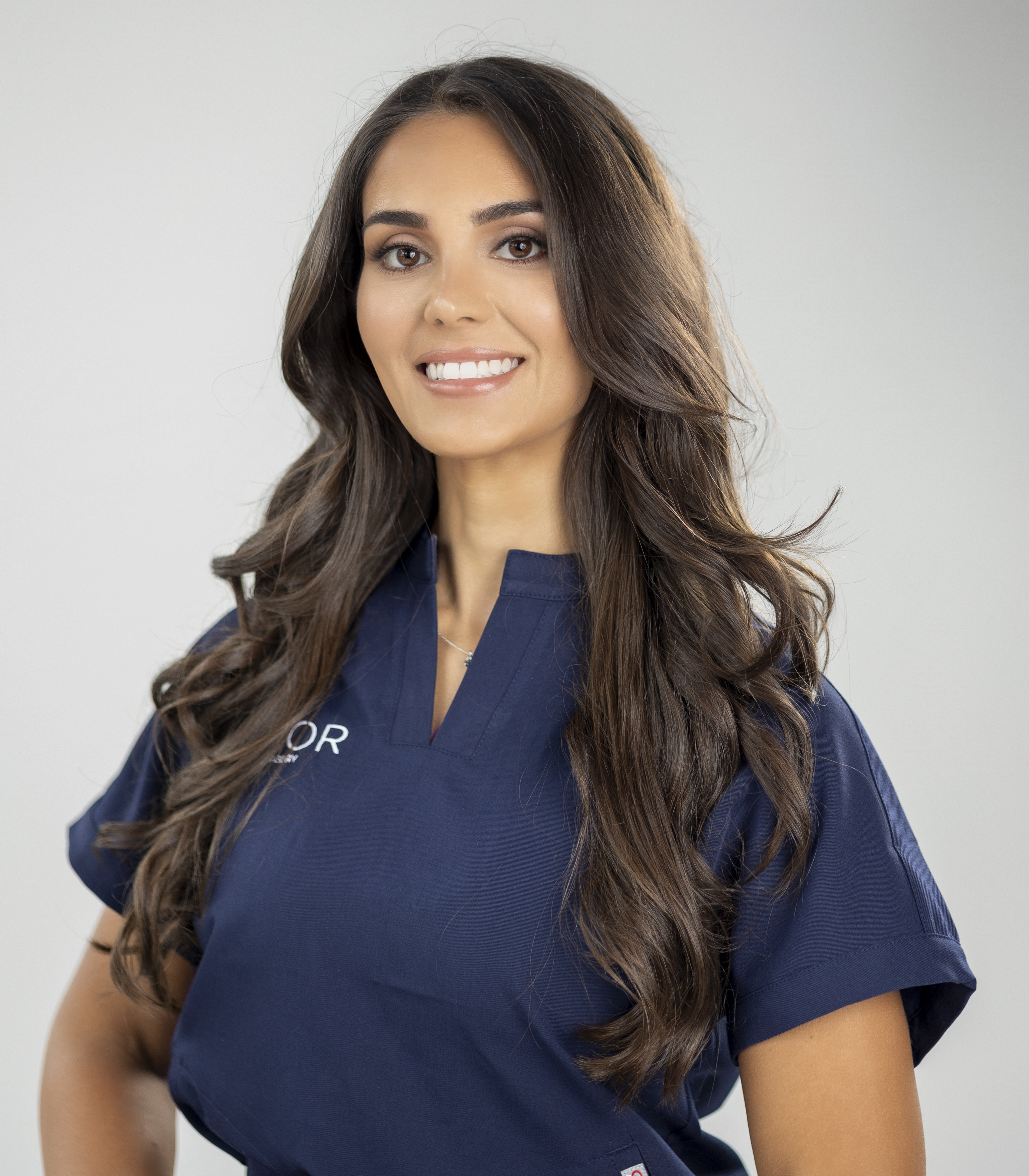
Stephanie follows a “less is more” approach that applies to both aesthetics and internal wellness. She spends 30 to 60 minutes in consultation, reviewing medical history, ordering labs when needed, and explaining how each peptide works and what to expect. Patients receive 24/7 text access to Stephanie for questions, support, and protocol adjustments throughout treatment.
Her work is supported by Dr. Akash Chandawarkar, who brings Harvard medical training, Johns Hopkins plastic surgery expertise, and Stanford medical device innovation experience. Together, they maintain high standards of safety and results across all Mirror Plastic Surgery services.
Your Mirror Plastic Surgery Peptide Journey
The Mirror Plastic Surgery experience begins with a detailed consultation and lab review that maps out your cellular health. Stephanie then designs a custom peptide protocol based on your labs, medical history, and goals. The practice serves patients nationwide, including Hawaii and Alaska, with secure shipping and clear instructions for use.
Safety and personalization guide every step. Patients receive tailored protocols instead of one-size-fits-all plans, which supports better outcomes and fewer side effects. Post-surgical patients can also receive focused peptide support that improves healing, reduces inflammation, and supports smoother recovery.
Ongoing care includes regular follow-ups, dose or protocol changes based on your response, and easy prescription refills. This structure supports lasting benefits and safe long-term peptide use. Book an appointment with Stephanie to start a personalized cellular rejuvenation plan.
Cellular Rejuvenation and Peptides: Frequently Asked Questions
What vitamins help regenerate cells?
Vitamins such as C, E, and B-complex support cellular repair and antioxidant defenses. Peptides like NAD+, GHK-CU, and BPC-157 act more directly on regeneration by targeting mitochondrial function, collagen production, and inflammatory signaling. Their amino acid sequences allow them to bind specific receptors and pathways that control how cells repair and renew.
How much does cellular rejuvenation therapy cost?
Costs vary because each patient receives a customized plan. Pricing depends on the peptide combination, lab needs, and treatment length, and you receive a clear quote during your consultation.
How do peptides compare to stem cells for cellular rejuvenation?
Peptides often provide a more accessible and less invasive option than stem cell therapy. Stem cell procedures usually cost more, require injections or surgery, and involve a longer recovery. Peptides use simple injections with immediate availability in the body and focus on defined cellular pathways. Stem cell outcomes can be less predictable and may take longer to appear.
What are the signs of poor cellular health?
Poor cellular health often appears as fatigue that does not improve with rest, slow recovery from exercise or illness, and ongoing inflammation or pain. Many people also notice brain fog, frequent infections, faster skin aging, loss of muscle, and stubborn weight gain. These patterns often reflect mitochondrial stress and reduced cellular energy production.
How can I rejuvenate cells naturally?
Natural support for cellular rejuvenation includes intermittent fasting, regular strength and cardio exercise, deep sleep, stress reduction practices, and a diet rich in colorful, antioxidant-dense foods. These habits build a strong base, yet they usually work more slowly than medically supervised peptide therapy, which can directly activate regeneration pathways and produce measurable changes.
Next Steps for Cellular Rejuvenation at Mirror
Cellular rejuvenation with peptide therapy offers a practical path to slowing or reversing cellular aging while improving daily energy and resilience. Mirror Plastic Surgery provides medically supervised, personalized protocols that often outperform lifestyle changes alone and avoid the dangers of unregulated products. Book an appointment with Stephanie to explore how peptide therapy can support your vitality and long-term health.
Contact Information:
Phone: 727-361-6515
Email: hello@mirrorplasticsurgery.com
Address: 780 4th Ave S, St. Petersburg, FL 33701
Instagram: @mirrorplasticsurgery, @dr.akashplasticsurgery, @perfectlyplastics
Disclaimer: Results may vary between individuals. Consultation with qualified medical professionals is recommended before beginning any peptide therapy program.
Disclaimer: Peptide therapy is intended for wellness and optimization purposes and is not prescribed to diagnose, treat, cure, or prevent disease unless specifically stated. Many peptides are not FDA-approved and may be used off-label. Some have limited long-term safety data, with a potential for unknown risks, complications, or desensitization with prolonged use.
