
Written by: Ellie Pranckevicius, FNP-BC, Aesthetic Nurse Practitioner & Aesthetic Injector | Facial Restoration & Regenerative Injectable Specialist, Mirror Plastic Surgery | Last updated: March 13, 2026
Key Takeaways
- Endocrine imbalances can cause fatigue, weight gain, mood swings, and sleep issues. Early recognition helps prevent chronic disease.
- Lifestyle strategies like quality sleep, stress management, exercise, and nutrient-dense diets create the base for hormonal support.
- Supplements such as ashwagandha, rhodiola, iodine, DIM, and magnesium offer targeted help but need medical supervision for safety.
- Advanced peptide therapies like Sermorelin, GLP-1 analogs, NAD, Selank, and Glow Stack provide precise endocrine support under professional care.
- For a personalized endocrine protocol with expert Ellie Pranckevicius, schedule a consultation at Mirror Plastic Surgery today.
Common Signs Your Hormones May Be Off
Endocrine dysfunction often shows up through everyday symptoms that feel hard to explain. Key warning signs include:
- Persistent fatigue despite adequate rest
- Unexplained weight gain or difficulty losing weight
- Mood swings, anxiety, or depression
- Sleep disruption and insomnia
- Temperature sensitivity and irregular metabolism
- Hair loss or changes in skin texture
- Irregular menstrual cycles or fertility issues
Untreated endocrine imbalances raise the risk of diabetes, cardiovascular disease, and autoimmune conditions. Early intervention with thorough assessment and targeted support can slow or prevent progression to more serious problems.
Text 727-361-6515 for a personalized endocrine assessment with our expert team.
Daily Habits That Support Your Endocrine System
Simple, consistent lifestyle habits create the strongest foundation for hormonal health. Evidence-based strategies include:
- Sleep Support: Aim for 7 to 9 hours of quality sleep to reset hormones and regulate cortisol.
- Stress Management: Meditation and mindfulness practices lower cortisol and support adrenal function.
- Regular Exercise: Moderate aerobic activity and resistance training improve insulin sensitivity and hormone balance.
- Balanced Nutrition: Recent research shows that low-carbohydrate, nutrient-dense diets focused on whole foods and healthy fats significantly reduce insulin resistance.
These lifestyle approaches create essential groundwork, yet complex hormonal imbalances or long-standing endocrine issues often need more advanced care. At that point, higher-level interventions can provide stronger and more predictable results.
Book with Ellie for personalized lab-guided care that goes beyond basic lifestyle changes.
Targeted Supplements and Herbs for Hormonal Support
Specific supplements and herbs can support endocrine function when chosen and dosed correctly for your body.
- Ashwagandha: Supports adrenal function and stress response. Potential thyroid dysfunction and hepatic toxicity mean you should only use it with medical guidance.
- Rhodiola: Helps combat fatigue and supports energy production as an adaptogen.
- Iodine: Essential for thyroid hormone production and must be carefully dosed and monitored.
- DIM (Diindolylmethane): Supports healthy estrogen metabolism and more balanced hormone activity.
- Magnesium: Acts as a cofactor in over 300 enzymatic reactions that influence endocrine function.
Over-the-counter supplements can help, yet their impact often remains modest compared with advanced therapies. A randomized controlled trial found that OTC supplements produced less HbA1c reduction than supervised peptide protocols.
Consult Ellie before starting any supplement plan to protect your safety and match products to your specific needs.
Advanced Peptide Therapies for Endocrine Support
Peptide therapies offer highly targeted support for hormone pathways, metabolism, and cellular repair. These short amino acid chains act on specific receptors to influence growth hormone, adrenal function, and insulin regulation.
Key peptide therapies include:
- Sermorelin/Ipamorelin: Growth hormone releasing peptides that stimulate natural GH production for better metabolism, recovery, and body composition.
- GLP-3R: An advanced GLP-1 analog that supports weight management and insulin sensitivity with fewer side effects in studies.
- NAD: Targets cellular mitochondria to enhance energy production and support healthy aging.
- Selank: A nootropic peptide that addresses anxiety through GABA pathways without dependency risk.
- The Glow Stack (GHK-Cu, BPC-157, TB500): A comprehensive anti-inflammatory protocol that targets systemic inflammation and promotes collagen production and tissue repair.
Mirror Plastic Surgery uses a concierge model that includes detailed lab analysis, pharmaceutical-grade sourcing, and close follow-up. Clinical data shows supervised peptide protocols achieve greater IGF-1 improvement than OTC supplements, with stronger safety outcomes under medical care.
Unlike anonymous online vendors with uncertain quality control, Mirror provides batch-tested, accurately dosed peptides and 24/7 support throughout treatment.
Email hello@mirrorplasticsurgery.com for a Glow Stack evaluation and personalized peptide consultation.
Ellie Pranckevicius: Clinical Expertise in Peptide Therapy
Ellie Pranckevicius, FNP-BC, leads peptide therapy at Mirror Plastic Surgery and blends aesthetic medicine with advanced clinical training. She trained at the University of South Florida and spent four years in the Neuroscience ICU at Tampa General Hospital, then added specialized esthetician training in Boston.
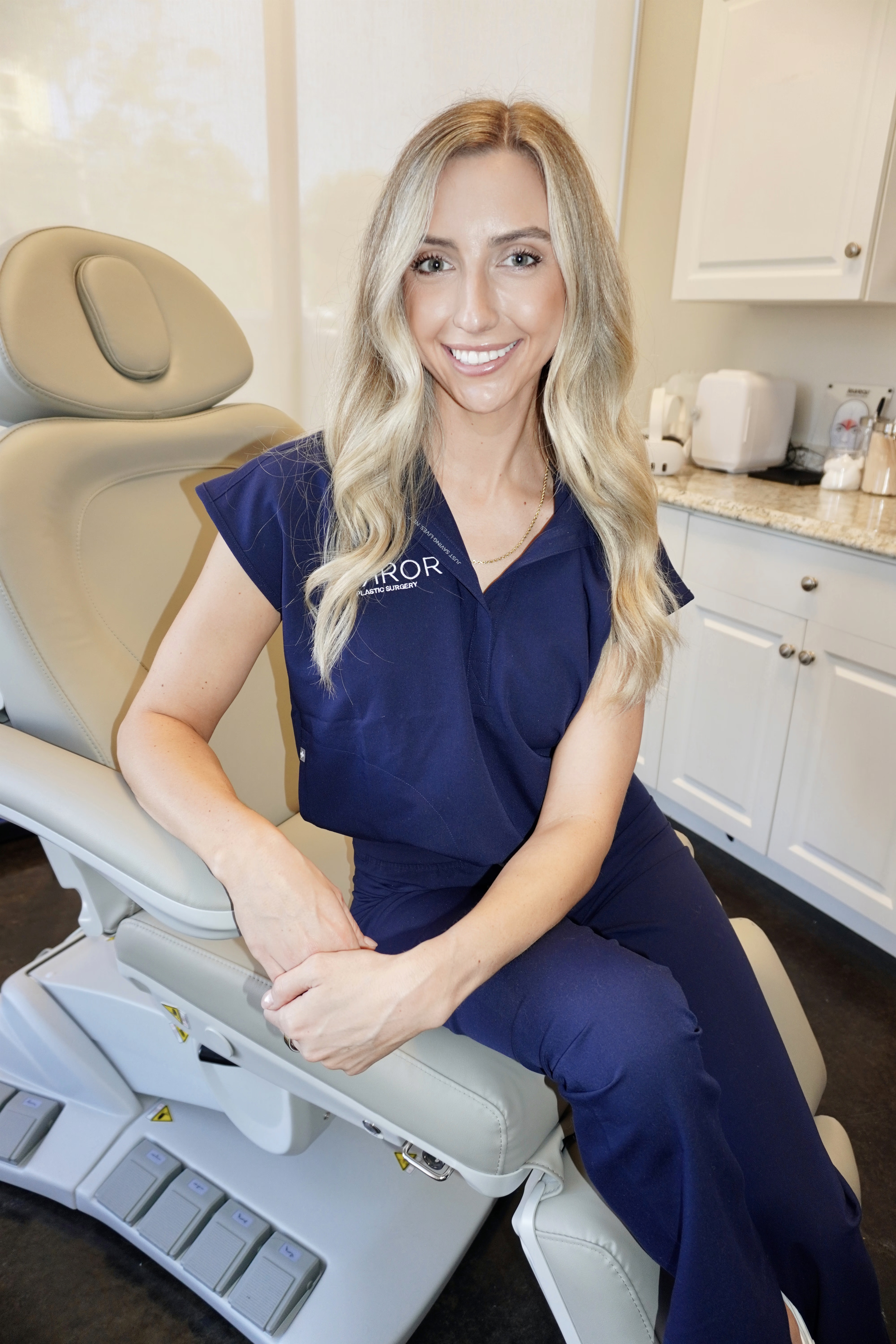
Her educational style helps patients understand the science behind each protocol and what results to expect over time. Working alongside Harvard-educated Dr. Akash Chandawarkar, Ellie delivers comprehensive endocrine optimization through evidence-based, individualized care.
Schedule your consultation with Ellie to experience expert-guided peptide therapy.
Benefits of Medically Supervised Peptide Protocols
DIY peptide use and unsupervised supplements can expose you to contaminated products, incorrect dosing, and harmful interactions. Mirror Plastic Surgery’s supervised approach offers:
- Comprehensive 30 to 60 minute consultations with detailed medical history review
- 24/7 text access for ongoing support and questions
- Pharmaceutical-grade peptides with batch testing and strict quality control
- Integration with surgical procedures to support smoother recovery
- Personalized protocols based on lab results, symptoms, and health goals
Patients often experience meaningful weight loss, improved metabolic markers, and better autoimmune control with supervised peptide care.
Testimonials describe autoimmune condition reversals, major metabolic improvements, and safe transitions from certain medications to peptide-based protocols under close medical guidance.
Call 727-361-6515 to discuss your endocrine goals with our expert team.
Next Steps for Your Endocrine Health
Effective endocrine support usually starts with lifestyle changes, then progresses to targeted supplements and, when appropriate, advanced peptide therapies. Foundational habits matter, yet precise hormonal support often requires medically supervised protocols.
Mirror Plastic Surgery’s comprehensive model, led by Ellie Pranckevicius and Dr. Akash Chandawarkar, offers a high standard of peptide care. You receive personalized attention, pharmaceutical-grade products, and ongoing support designed for consistent, measurable results.
Text or call 727-361-6515, email hello@mirrorplasticsurgery.com, or visit us at 780 4th Ave S, St. Petersburg, FL 33701 to begin your endocrine optimization journey. Follow @mirrorplasticsurgery on Instagram for current insights on peptide therapy and wellness.
Frequently Asked Questions
Are peptides safe for long-term endocrine support?
Clinical trials over more than a decade show generally favorable safety profiles for many peptides when used under medical supervision. The main risks come from unregulated products and unsupervised dosing. At Mirror Plastic Surgery, thorough medical evaluation, quality-controlled sourcing, and regular monitoring support safe and effective treatment. Individual responses differ, and some peptides have limited long-term data, so professional oversight remains essential.
How quickly can I expect results from peptide therapy?
Results depend on the peptide, your physiology, and your goals. Some patients notice better energy and mood within the first week. Changes in body composition or hormone balance often appear over 4 to 12 weeks. Weight-focused peptides may show effects within 2 to 4 weeks, while anti-aging and inflammation protocols usually need 8 to 16 weeks for full benefit. Ellie reviews realistic timelines during your consultation based on your plan and health status.
What makes Mirror Plastic Surgery’s peptide care different?
Mirror Plastic Surgery provides full medical supervision that includes health history review, lab testing, and customized protocol design. Peptides come from vetted pharmacies with strict batch testing for purity and accurate dosing. Patients also receive 24/7 access to Ellie for questions, adjustments, and support. This concierge model lowers risk and improves effectiveness through individualized care and expert oversight.
Can peptide therapy replace my current hormone medications?
Peptide therapy may complement or, in some cases, reduce the need for certain medications, but this always requires careful evaluation. Never stop prescribed medications without speaking with your healthcare provider. Ellie collaborates with your existing medical team to design safe, stepwise changes that may enhance your current treatment or offer alternatives. Each plan is tailored to your history, medications, and goals.
What lifestyle habits improve peptide therapy results?
Peptide therapy works best when paired with strong lifestyle habits. Aim for 7 to 9 hours of sleep, manage stress, exercise regularly, and follow a balanced, nutrient-dense diet. Limiting alcohol, staying hydrated, and using proper injection technique when needed also influence outcomes. Ellie provides detailed lifestyle guidance alongside your peptide protocol. Consistency with both habits and dosing is key for lasting endocrine improvements.
Disclaimer: Results may vary from person to person. Editorial content, before and after images, and patient testimonials do not constitute a guarantee of specific results.
Disclaimer: Peptide therapy is intended for wellness and optimization purposes and is not prescribed to diagnose, treat, cure, or prevent disease unless specifically stated. Many peptides are not FDA-approved and may be used off-label. Some have limited long-term safety data, with a potential for unknown risks, complications, or desensitization with prolonged use.