
Written by: Dr. Akash Chandawarkar, Board Certified Plastic Surgeon, Mirror Plastic Surgery | Last updated: July 14, 2026
Key Takeaways for 2026 Arm Lift Pricing
- Brachioplasty, or arm lift surgery, removes excess upper-arm skin and fat for patients with significant weight loss and skin laxity.
- 2026 national pricing for brachioplasty ranges from $4,000 to $8,000, with Florida averages landing near the middle of that spectrum.
- Insurance rarely covers the procedure unless documented medical complications such as chronic infections are proven over several months.
- Board-certified surgeons, accredited facilities, and realistic recovery expectations (moderate pain for 3–5 days, full activity at six weeks) support safe, lasting results.1
- Schedule a personalized consultation at Mirror Plastic Surgery to receive a transparent, all-inclusive cost estimate and expert surgical assessment.
2026 Brachioplasty Cost Breakdown by Fee Category
Brachioplasty pricing includes several separate fees that add up to your final bill. Many advertised prices list only the surgeon’s fee, which can significantly understate the true out-of-pocket total. The table below breaks down each component to show how facility and anesthesia fees can add $1,200–$2,200 to the surgeon’s fee alone, so a quoted $4,000 surgeon fee may result in a $6,000 or higher total.
| Cost Component | National Low | National High | Tampa Bay Context |
|---|---|---|---|
| Surgeon’s Fee | $2,000 | $6,000 | Florida state average $4,876 |
| Anesthesia Fee | $340 | $631 | Varies by facility type and case length |
| Facility / OR Fee | $850 | $1,579 | Accredited outpatient centers cost 30–50% less than hospitals |
| Total (Both Arms) | $4,000 | $8,000 | Matches the national range noted earlier, with Florida near the mid-point |
Additional out-of-pocket costs often include pre-operative lab work (typically $150–$500), compression garments ($50–$150), and prescription medications and dressings ($50–$400). A bundled quote from an accredited practice, one that includes all fees, gives you the only reliable basis for comparison.
Get your personalized cost estimate by scheduling a consultation with Dr. Akash to review your anatomy and receive a fully itemized quote.
Insurance Coverage for Brachioplasty
Most brachioplasty procedures are classified as cosmetic and receive no insurance reimbursement. Some exceptions exist when excess arm skin causes documented medical complications. Third-party payers may cover the procedure when excess skin causes chronic irritation, infections, mobility limitations, or functional impairment that do not improve with conservative treatment.
Standard documentation requirements work together to show that surgery is medically necessary rather than cosmetic. Insurers typically expect:
- Three to six months of failed conservative treatment, such as prescription antifungals or antibiotics
- Clinical photographs that clearly demonstrate the skin condition
- A letter of medical necessity from a physician who knows your history
- Medical records from a primary care physician or dermatologist documenting chronic rashes, infections, or skin breakdown
- Evidence of weight stability, usually for six to twelve months
Prior bariatric surgery with significant weight loss, typically 100 or more pounds, substantially strengthens a medical necessity claim. Pre-authorization usually takes two to four months. Patients should contact their insurer with the exact CPT code before scheduling surgery so there are no surprises.
Key Factors That Influence Brachioplasty Cost
Several variables explain the wide price range seen across practices and regions. Each factor below can raise or lower your final quote.
- Procedure extent: Mini arm lifts typically range from $3,500 to $7,000, standard brachioplasty averages around $6,200, and extended brachioplasty costs $15,000 to $20,000. Adding liposuction increases the total cost.
- Surgeon credentials: Board-certified plastic surgeons (ABPS) typically charge more than non-ABPS-certified surgeons. This difference reflects training depth and safety standards rather than branding alone.
- Facility accreditation: Outpatient surgery centers are typically 30–50% less expensive than hospital operating rooms. Accredited centers still meet rigorous safety standards.
- Anesthesia type: General anesthesia costs more than local anesthesia with sedation. Most standard and extended procedures require general anesthesia.
- Combined procedures: Combining brachioplasty with other body contouring procedures can reduce overall costs compared with separate surgeries because anesthesia and facility fees are shared.
Of all the factors above, surgeon credentials deserve special attention because they affect both cost and safety. Surgeon training functions as a safety variable, not just a pricing variable. Patients treated by board-certified surgeons experience lower complication rates, reduced mortality, and higher satisfaction because these surgeons follow evidence-based practices and operate only in accredited facilities.
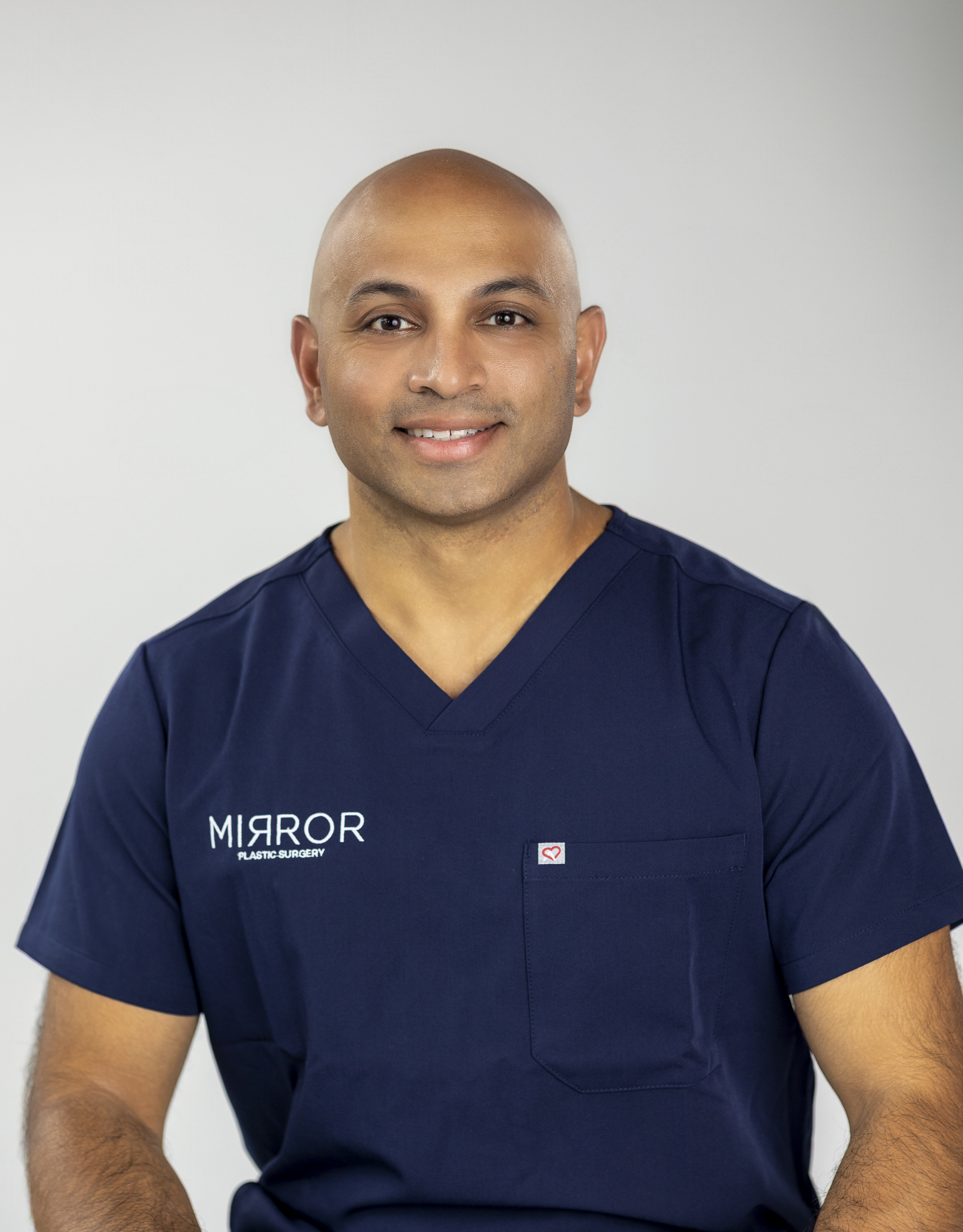
Dr. Akash, a Harvard Medical School graduate, Johns Hopkins-trained plastic surgeon, and MEETH aesthetic surgery fellow, offers one of the most rigorous training profiles available to Tampa Bay patients. He has been named to Newsweek’s America’s Best Plastic Surgeons list two years in a row, a recognition that reflects peer and patient confidence in his outcomes.
Arm Lift Cost in Tampa: Local Market Considerations
Florida’s state-level brachioplasty average of $4,876 places Tampa Bay at a moderate point compared with high-cost coastal markets such as New York ($5,483) and California ($5,508). Within any single market, however, the price spread between surgeons can match the spread between states. Reputation, surgical volume, and individual demand often drive these differences more than geography.
Tampa Bay patients benefit from accredited outpatient surgical facilities that carry lower overhead than major hospital systems. This structure can moderate facility fees while maintaining safety. High-volume cosmetic surgery states such as Florida also show higher rates of cosmetic surgery complaints and disciplinary actions, so credential verification, especially ABPS board certification, becomes particularly important when evaluating local providers.
Arm Lift Pain and Recovery Timeline
Most patients describe brachioplasty pain as moderate, around 4–6 on a 1–10 scale. Prescription medication usually controls discomfort well for the first three to five days.1
The recovery timeline follows a predictable pattern that helps you plan work and activity:
- Days 1–5: Moderate soreness, swelling, and bruising are common. Prescription pain medication is standard. A medical-grade compression sleeve is worn 23 hours per day to minimize swelling and prevent seromas.
- Days 6–14: Pain medication usually transitions to over-the-counter options by about day 8. Most patients return to light desk work within 10–14 days.
- Weeks 3–4: Most visible swelling resolves within two to four weeks. Subtle residual swelling can persist for three to six months.
- Weeks 5–6: Heavy lifting and strenuous activity typically resume at about six weeks. This delay helps prevent wound separation.
- Months 6–18: Scar maturation continues during this period. Scar appearance keeps evolving for 12–18 months.
High-volume practices that perform five to ten surgeries daily often have limited capacity for individualized follow-up. Mirror Plastic Surgery limits the schedule to one to two surgeries per day. This approach ensures that postoperative monitoring receives the same focused attention as the procedure itself.
Is Brachioplasty Worth It? Long-Term Value
Outcome data support brachioplasty as a durable intervention when a qualified surgeon treats an appropriate candidate.1
Major complications remain uncommon in isolated brachioplasty cases when experienced surgeons select patients carefully. Scar placement along the inner arm is permanent, so patients must accept visible scars as a tradeoff for removing excess skin that affects clothing choices and quality of life. For most post-weight-loss patients, this tradeoff feels favorable.
Higher fees from ABPS-certified specialists often reduce the risk of complications and the need for costly revisions, which turns the premium into a value investment. Revision rhinoplasty costs typically range from $3,500 to $25,000 (with higher totals possible for complex cases) depending on surgeon expertise, location, and procedure complexity. Revision body contouring carries comparable or higher costs, so the initial choice of surgeon becomes the most consequential financial decision in the process.
Real Patient Cost Stories and Insurance Outcomes
Patient-reported experiences from online forums and cost-tracking platforms highlight the gap between advertised and all-in pricing. One Philadelphia patient documented that her insurer covered most of her brachioplasty after she recorded chronic dermatitis under her arm skin for over a year. She paid only her deductible and copay after a three-month approval process.
Another patient pursuing extended brachioplasty after massive weight loss received partial coverage for recurring skin infections, then paid the remaining balance out of pocket. These stories show how detailed documentation and patience with the approval process can change the final cost.
Self-pay patients consistently report that quotes received at initial consultations understate total costs when compression garments, pre-operative labs, and post-operative medications are excluded. Some practices advertise only the surgeon’s fee, which misleads patients who are trying to budget for the total procedure cost. Requesting an itemized, all-inclusive quote before committing to any practice remains the most reliable way to compare true costs.
How to Choose a Qualified Brachioplasty Surgeon
Credential verification forms the foundation of safe brachioplasty and should guide your shortlist. The criteria below work together to signal training depth, safety, and accountability.
- ABPS board certification: The American Board of Plastic Surgery is the sole ABMS-recognized certifying board for plastic surgery. Verify directly at abplsurg.org rather than relying on a website claim of “board certified.”
- Fellowship training in aesthetic surgery: Residency training alone does not provide the advanced body-contouring specialization that a dedicated aesthetic surgery fellowship offers.
- Procedural volume: Surgeons who perform dozens of arm procedures annually develop a different skill level from those who perform only a handful, especially for scar placement and skin elasticity management.
- Accredited facility: Surgery in an accredited ambulatory surgery center or hospital supports sterility standards, anesthesia safety, and emergency readiness.
- Hospital privileges: A board-certified plastic surgeon with hospital privileges can manage rare complications in an inpatient setting, which serves as a critical safety backstop that non-certified providers may lack.
Dr. Akash meets every criterion above. His training, detailed earlier, includes MIT, Harvard Medical School (cum laude), a seven-year Johns Hopkins integrated plastic surgery residency, and an aesthetic surgery fellowship at MEETH. His Newsweek recognition, mentioned earlier, reflects a standard of care that Tampa Bay patients can evaluate objectively.
Schedule your hour-long assessment with Dr. Akash to discuss your anatomy, goals, realistic outcomes, and receive a fully itemized cost estimate.
Frequently Asked Questions About Brachioplasty
Who is a good candidate for brachioplasty?
Ideal candidates are adults with significant excess skin on the upper arms that does not respond to exercise or weight management. This group most commonly includes individuals who have lost 50 or more pounds, whether through bariatric surgery, GLP-1 medications, or lifestyle changes, and whose skin has lost elasticity. Candidates should be at or near a stable goal weight, be non-smokers or willing to quit well before surgery, and be in good general health without conditions that impair wound healing.
A thorough pre-operative evaluation at Mirror Plastic Surgery assesses anatomy, skin quality, and overall health. This assessment helps determine whether brachioplasty, liposuction alone, or a combined approach best fits your goals.
What do brachioplasty scars look like, and do they fade?
Brachioplasty scars usually run along the inner arm, from the armpit toward the elbow. Scar length depends on the extent of skin removal. A mini brachioplasty produces a shorter scar near the axilla, while an extended procedure may reach the elbow.
Scars appear pink and slightly raised during the first several months, then gradually flatten and lighten over 12–18 months. Hypertrophic scarring affects a subset of patients. Scar quality depends on genetics, skin type, surgical technique, and postoperative care.
Proper compression garment use, sun protection, and scar treatment protocols all influence the final result. During consultation, Dr. Akash reviews realistic scar outcomes tailored to each patient’s anatomy and skin characteristics.
How long do brachioplasty results last?
Brachioplasty results last for many years when body weight remains stable. The procedure removes excess skin and underlying tissue permanently.1
Aging also gradually affects skin laxity over time. Patients who maintain a stable weight and follow a healthy lifestyle typically enjoy durable improvements for many years.1
Mirror Plastic Surgery emphasizes function alongside aesthetics, so the structural work performed during brachioplasty is designed to support long-term outcomes rather than short-term cosmetic change alone.
Can brachioplasty be combined with other procedures?
Brachioplasty often pairs with other body contouring procedures such as a tummy tuck, thigh lift, or breast lift, especially in post-weight-loss patients seeking a comprehensive transformation. Combining procedures under a single anesthesia event reduces total cost compared with staging them separately and consolidates recovery time.
Combining too many procedures at once can increase complication risk significantly. Mirror Plastic Surgery follows a safety-first philosophy. Dr. Akash evaluates each combination individually and recommends only what is safe and appropriate for a patient’s health status, anatomy, and goals.
How does Mirror Plastic Surgery differ from high-volume brachioplasty practices?
Mirror Plastic Surgery performs one to two surgeries per day, while some practices perform five to ten. This deliberate limit ensures that every patient receives the full attention of Dr. Akash and the clinical team before, during, and after surgery. Consultations can run up to an hour and include a top-to-bottom anatomical assessment.
Postoperative follow-up remains personalized rather than delegated. Dr. Akash’s credentials, including Harvard Medical School, Johns Hopkins residency, MEETH fellowship, Stanford Biodesign innovation training, and two consecutive years on Newsweek’s America’s Best Plastic Surgeons list, build on the training profile described earlier. For patients investing in brachioplasty, surgeon quality and depth of postoperative care are the variables most likely to determine whether a revision is ever needed.
Book a Consultation with Dr. Akash
Mirror Plastic Surgery serves patients throughout the Tampa Bay and St. Petersburg area from its location at 780 4th Ave S, St. Petersburg, FL 33701. To receive a transparent, personalized brachioplasty cost estimate and a comprehensive surgical assessment, request a consultation with Dr. Akash today.
1 Results may vary from person to person. Editorial content, before and after images, and patient testimonials do not constitute a guarantee of specific results.