Written by: Ellie Pranckevicius, FNP-BC, Aesthetic Nurse Practitioner & Aesthetic Injector | Facial Restoration & Regenerative Injectable Specialist, Mirror Plastic Surgery | Last updated: June 30, 2026
Key Takeaways
- Non-surgical BBL options such as biostimulatory fillers, Sculptra, Emsculpt, and energy devices create modest but real improvements in shape and skin quality without surgery or downtime.1
- Biostimulatory fillers like Radiesse and AlloClae offer the strongest mix of immediate volume, ongoing collagen stimulation, and 18–24+ month longevity among non-surgical options.1
- Provider expertise and a thorough anatomical assessment drive both safety and outcome quality, and red-flag practices should be avoided.
- Non-surgical results require ongoing maintenance, and clear expectations during consultation help patients choose the right path for their anatomy and goals.
- Schedule your personalized consultation at Mirror Plastic Surgery to receive an anatomy-driven treatment plan tailored to your needs.
The following comparison table breaks down the main non-surgical BBL options across outcome, longevity, downtime, maintenance, and ideal candidate profile so you can quickly see how they differ.
Comparison Table: Non-Surgical BBL Alternatives (2026)
| Treatment Modality | Typical Volume / Outcome | Longevity | Downtime | Maintenance Schedule | Ideal Candidate Profile | Provider Expertise Required |
|---|---|---|---|---|---|---|
| Biostimulatory Fillers (Radiesse, AlloClae) | Moderate volume gain, hip dip correction, cellulite smoothing | 18–24+ months | Minimal (1–3 days soreness) | Touch-up every 18–24 months | Mild-to-moderate volume deficit, hip dips, stretch marks, good skin laxity | High, subdermal anatomy expertise essential |
| Sculptra (poly-L-lactic acid) | Gradual, subtle volume via collagen induction | 2–3 years (multiple sessions) | Minimal | 2–4 sessions spaced 4–6 weeks apart, annual touch-up | Patients preferring gradual change, mild volume loss | High, precise depth and placement critical |
| Emsculpt / Emsculpt NEO | Muscle tone and lift, no true volume addition | 6–12 months | None | 4 sessions initially, quarterly maintenance | Already-active patients seeking lift and definition | Moderate, device operation and patient selection |
| Radiofrequency / Ultrasound Tightening | Skin tightening, mild contour improvement, no volume | 6–12 months | None to minimal | Series of 3–6 sessions, biannual maintenance | Mild skin laxity, post-weight-loss texture concerns | Moderate, device settings and tissue response |
| Strength Training + Topical Regimens | Muscle hypertrophy, surface texture improvement only | Ongoing (requires consistency) | None | Continuous | Adjunctive support for any of the above | Low (clinical), personal trainer or self-directed |
Note: Volume and longevity figures represent general clinical ranges reported in aesthetic medicine literature. Individual results vary based on anatomy, skin quality, injector skill, and lifestyle. No pricing is listed; each patient receives a personalized quote during consultation.
1. Biostimulatory Filler Protocols (Radiesse, AlloClae)
Radiesse (calcium hydroxylapatite) and AlloClae are the biostimulatory fillers with the strongest evidence base for gluteal augmentation.1 Both provide immediate structural support and then trigger the body’s own collagen-production cascade, so results continue to improve over several months instead of peaking on day one.1
Radiesse is injected in a hyperdilute form for the buttocks, which allows precise distribution across the gluteal surface to address volume, hip dips, and cellulite dimpling at the same time. AlloClae, a newer allograft-derived biostimulator, is used at Mirror Plastic Surgery for buttocks, hip dips, and breast enhancement and offers a regenerative medicine approach that integrates with native tissue architecture.
Given the structural role these fillers play in gluteal augmentation, understanding their safety profile is essential. The risk profile for both products is favorable when an injector has deep subdermal anatomical knowledge. Vascular occlusion risk, the most serious complication associated with any injectable, decreases significantly with correct plane selection and aspiration technique. Nodule formation, the most commonly reported adverse event with calcium hydroxylapatite in the buttocks, is mitigated by proper dilution ratios and even distribution. Neither Radiesse nor AlloClae should be confused with hyaluronic acid fillers, which are not considered safe or appropriate for gluteal augmentation because of volume requirements and tissue behavior in this area.
2. Sculptra Buttock Augmentation
Sculptra (poly-L-lactic acid) stimulates collagen synthesis over a series of sessions and produces gradual, diffuse volume improvement rather than immediate structural fill.1 It is FDA-cleared for facial lipoatrophy and used off-label for buttock enhancement.
Sculptra vs. Radiesse for Buttocks
The two biostimulatory categories differ in mechanism, timeline, and ideal use case. Sculptra’s collagen-induction effect builds slowly over 3–6 months per treatment cycle, which suits patients who prefer a gradual, natural-looking change and feel comfortable with multiple sessions. Radiesse and AlloClae provide more immediate structural volume along with their biostimulatory effect, so they fit patients with a defined anatomical deficit such as pronounced hip dips or moderate volume asymmetry that calls for faster correction.
The choice between these modalities depends on the patient’s baseline anatomy, skin quality, timeline expectations, and the injector’s assessment of tissue behavior. At Mirror Plastic Surgery, Ellie Pranckevicius evaluates these factors during an hour-long, top-to-bottom consultation before recommending any protocol.
3. Emsculpt / Emsculpt NEO
Emsculpt and its successor Emsculpt NEO use high-intensity focused electromagnetic (HIFEM) energy to induce supramaximal muscle contractions in the gluteus maximus. This process produces measurable increases in muscle thickness and a lifting effect.1 Emsculpt NEO adds radiofrequency energy to reduce subcutaneous fat at the same time.
While these muscle-building effects are measurable and real, the critical limitation remains that neither device adds volume.1 Patients whose primary goal is gluteal projection or hip dip correction will not reach that outcome through Emsculpt alone. The device works best as a complement to injectable protocols, improving muscle tone and lift while biostimulatory fillers address shape and volume. A standard initial protocol involves four 30-minute sessions over two weeks, with quarterly maintenance to sustain muscle hypertrophy.
4. Radiofrequency or Ultrasound Skin-Tightening Devices
Devices such as radiofrequency microneedling platforms and focused ultrasound systems (for example, Ultherapy-class technologies) deliver thermal energy to the dermis and subdermal layers. This energy stimulates collagen remodeling and improves skin laxity. In the gluteal region, these devices address surface texture concerns such as mild dimpling, skin looseness after weight loss, or post-pregnancy changes rather than volume or projection.
Results are subtle and cumulative and typically require a series of three to six sessions. Longevity ranges from six to twelve months before repeat treatment is needed. These modalities function as skin-quality adjuncts rather than standalone augmentation tools.
5. Strength-Training-Plus-Topical Regimens
Progressive resistance training that targets the gluteus maximus, medius, and minimus produces genuine muscle hypertrophy over months of consistent effort. Topical retinoids and peptide-based formulations can improve surface skin quality. Both approaches support any non-surgical protocol and help maintain injectable results by preserving the underlying muscular foundation.
Neither strength training nor topical care corrects structural volume deficits, hip dips, or significant skin laxity on its own.
How Treatments Work Together Instead of Competing
Emsculpt and strength training function as complements to biostimulatory filler protocols rather than competitors. Muscle tone and injectable volume live in different anatomical layers. A patient who builds gluteal muscle mass through training or Emsculpt creates a stronger foundation for injectable volume, which can reduce the amount of filler needed and extend the visual impact of results.
The most comprehensive non-surgical outcomes usually combine a biostimulatory filler protocol with an adjunctive muscle-toning or skin-quality strategy. Sequencing depends on the patient’s anatomy, goals, and timeline.
How to Choose a Qualified Provider
Provider selection is the single most consequential variable in non-surgical BBL outcomes and safety. The following red flags suggest a high-volume mill environment that prioritizes throughput over patient welfare:
- Consultations that last fewer than 15–20 minutes with no structured anatomical assessment
- A single product or brand offered to all patients regardless of anatomy
- No discussion of vascular anatomy, injection planes, or complication management protocols
- Pressure to purchase packages or add-on services during the initial visit
- Inability to explain the physiological rationale for the recommended product
A qualified provider conducts a comprehensive top-to-bottom anatomical evaluation before recommending any modality. At Mirror Plastic Surgery, Ellie Pranckevicius, a board-certified Family Nurse Practitioner with dual training in esthetics and advanced nursing and four years of critical care experience in the Neuroscience ICU at Tampa General Hospital, spends up to an hour with each new patient. That assessment covers gluteal anatomy, skin quality, symmetry, hip dip severity, cellulite distribution, and the patient’s realistic goals and timeline.
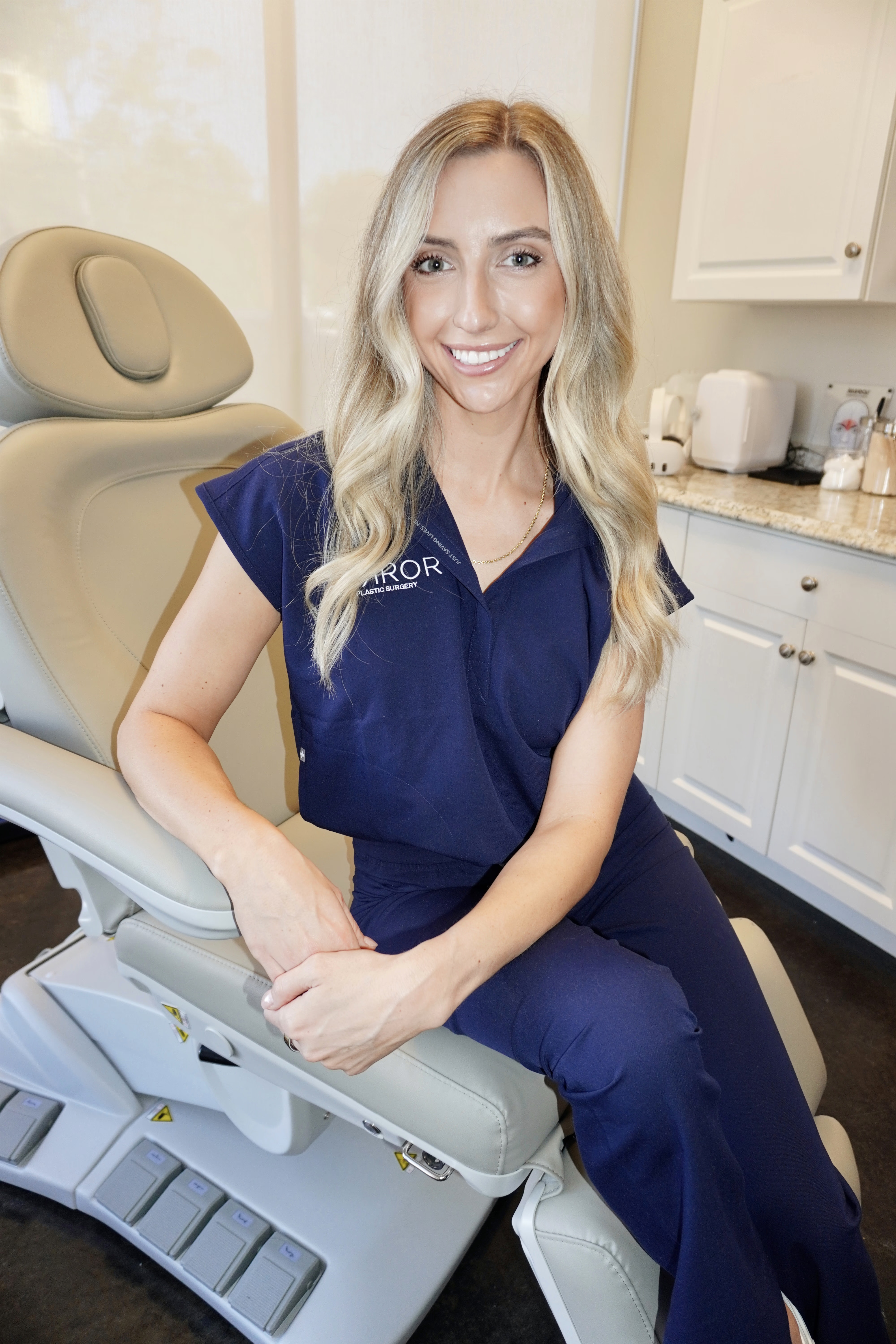
Product selection follows the anatomy, not a supplier agreement. Mirror Plastic Surgery is a supplier-neutral practice, so Ellie recommends the most appropriate product for each individual patient rather than defaulting to a preferred vendor. When non-surgical injectable work requires surgical-level anatomical context, Ellie’s assessments are supported by Dr. Akash Chandawarkar, MD, a Harvard-educated physician, Johns Hopkins-trained plastic surgeon, and fellowship-trained aesthetic surgeon at Manhattan Eye Ear & Throat Hospital/Lenox Hill Hospital. This collaboration ensures the full clinical picture informs every non-surgical plan.
Book a consultation with Ellie to receive a personalized anatomical assessment and evidence-based treatment plan at Mirror Plastic Surgery in St. Petersburg, FL.
Is Non-Surgical BBL Worth It?
Non-surgical BBL makes sense for patients with mild-to-moderate volume deficits, hip dip concerns, cellulite, or stretch marks who either are not candidates for or do not want surgical fat transfer and who accept that results require maintenance. It does not suit patients expecting surgical-level projection, those with significant skin excess, or those unwilling to follow a maintenance schedule. Honest expectation-setting at the consultation stage, not after the procedure, is the standard at Mirror Plastic Surgery.
How Long Does Non-Surgical BBL Last?
Longevity depends on the modality chosen. Biostimulatory fillers such as Radiesse and AlloClae typically sustain results for 18–24 months or longer, with touch-up sessions extending outcomes. Sculptra results can persist for two to three years after a complete treatment series. Emsculpt muscle tone diminishes within six to twelve months without maintenance sessions. Radiofrequency and ultrasound tightening effects last six to twelve months. Strength training results continue as long as the patient stays consistent. A realistic maintenance plan, discussed in detail during the initial consultation, protects the investment in any of these treatments.
When to Consider Surgical BBL Instead
Surgical BBL (autologous fat transfer) becomes the more appropriate option when a patient has sufficient donor fat for harvest, desires projection beyond what injectables can achieve, has substantial skin laxity that requires excision, or has anatomical asymmetry that non-surgical tools cannot correct adequately. The threshold is anatomical, not arbitrary. At Mirror Plastic Surgery, if Ellie’s assessment shows that a patient’s goals exceed what non-surgical protocols can safely deliver, that conversation happens transparently and includes a referral pathway to Dr. Akash for surgical evaluation. Safety and honest communication take precedence over booking a procedure.
Limitations and Individual Variation
No non-surgical modality produces identical results across patients. Outcomes are shaped by baseline gluteal anatomy, skin thickness and laxity, subcutaneous fat distribution, collagen response rate, lifestyle factors such as exercise, nutrition, and weight stability, and, critically, injector skill and product selection. Published clinical ranges represent population averages, and individual results may fall above or below those ranges.
This variability makes a thorough pre-treatment assessment essential and positions it as the foundation of a safe and realistic treatment plan.
Key Decision Criteria Recap
When choosing among these modalities, start with your primary anatomical goal. If you need volume and shape correction, particularly for hip dips or moderate deficits, biostimulatory fillers such as Radiesse and AlloClae offer the strongest combination of the dual-action mechanism described earlier and superior longevity. If your deficit is mild and you prefer gradual change over multiple sessions, Sculptra becomes the more appropriate biostimulator.
After volume is addressed, consider whether you also need lift and muscle definition through Emsculpt NEO or skin quality improvement through radiofrequency and ultrasound devices. These options complement, rather than replace, the volume-building step. As emphasized in the provider selection section, expertise, anatomical assessment depth, and supplier neutrality are non-negotiable, regardless of which modality you choose.
The difference between a satisfying outcome and a corrective procedure often comes down to the quality of the initial consultation, not the product used. Book a consultation with Ellie at Mirror Plastic Surgery and receive the same hour-long, top-to-bottom anatomical assessment that underpins every non-surgical BBL protocol at the practice.
Frequently Asked Questions
What is the difference between Radiesse and AlloClae for non-surgical BBL?
Radiesse is a calcium hydroxylapatite-based biostimulatory filler that has been used in aesthetic medicine for many years. When hyperdiluted and injected into the gluteal region, it provides immediate structural support and then stimulates the body’s own collagen production over the following months. AlloClae is an allograft-derived biostimulator that works through regenerative medicine principles and integrates with native tissue to promote collagen and elastin remodeling.
Both products suit gluteal augmentation, hip dip correction, cellulite smoothing, and stretch mark reduction. The choice between them depends on the patient’s anatomy, skin quality, and specific goals, which Ellie determines during her comprehensive consultation at Mirror Plastic Surgery.
How many sessions does a non-surgical BBL typically require?
The number of sessions varies by modality and individual anatomy. Biostimulatory filler protocols with Radiesse or AlloClae may reach the patient’s goals in one to two sessions, with touch-ups every 18–24 months. Sculptra typically requires two to four sessions spaced four to six weeks apart to build the collagen response, followed by annual maintenance.
Emsculpt NEO involves four initial sessions over two weeks, with quarterly maintenance thereafter. Radiofrequency and ultrasound tightening devices generally require a series of three to six sessions. During the initial consultation, Ellie outlines a realistic session plan based on the patient’s specific anatomy and goals so there are no surprises after treatment begins.
Is non-surgical BBL safe, and what are the main risks?
Non-surgical BBL with biostimulatory fillers carries a favorable safety profile when an injector has advanced anatomical knowledge and uses proper technique. The most serious potential complication with any injectable is vascular occlusion, which involves inadvertent injection into or compression of a blood vessel and is mitigated by correct plane selection, appropriate dilution, and aspiration technique.
Nodule formation is the most commonly reported adverse event with calcium hydroxylapatite fillers and is reduced by proper dilution ratios and even product distribution. Emsculpt and radiofrequency devices carry no injection-related risks but are not appropriate for patients with certain implanted devices or medical conditions. At Mirror Plastic Surgery, safety comes first in every treatment plan. Ellie’s critical care background and deep anatomical training directly inform her risk-mitigation approach.
Who is not a good candidate for non-surgical BBL?
Non-surgical BBL does not suit patients who desire significant gluteal projection comparable to surgical fat transfer, have substantial skin excess or laxity that requires excision, have insufficient structural anatomy to support injectable volume, or have active infection, autoimmune conditions, or certain bleeding disorders. Patients who are pregnant or breastfeeding are also not candidates.
Patients with unrealistic expectations about the degree of change achievable without surgery are better served by an honest conversation about surgical options. Mirror Plastic Surgery’s consultation process is designed to identify these situations early and direct patients toward the most appropriate pathway for their anatomy and goals, even when that means recommending against a non-surgical procedure.
What should I expect during a non-surgical BBL consultation at Mirror Plastic Surgery?
The initial consultation with Ellie Pranckevicius follows the comprehensive, hour-long anatomical assessment process described earlier in this article. Ellie evaluates your specific gluteal anatomy, explains her findings in plain language, and outlines which modalities fit your goals and lifestyle.
She also presents a realistic picture of expected outcomes and maintenance requirements, and no procedure is recommended unless it is genuinely indicated. Patients leave with a clear, personalized treatment plan and the information needed to make a confident, informed decision.
Book a consultation with Ellie at Mirror Plastic Surgery, located at 780 4th Ave S, St. Petersburg, FL 33701, and take the first step toward a non-surgical BBL plan built around your anatomy rather than a one-size-fits-all protocol.
Disclaimer: Results may vary from person to person. Editorial content, before and after images, and patient testimonials do not constitute a guarantee of specific results.
1 Results may vary from person to person. Editorial content, before and after images, and patient testimonials do not constitute a guarantee of specific results.