
Written by: Ellie Pranckevicius, FNP-BC, Aesthetic Nurse Practitioner & Aesthetic Injector | Facial Restoration & Regenerative Injectable Specialist, Mirror Plastic Surgery | Last updated: August 14, 2026
Key Takeaways for Hair Peptides and GHK-Cu
- GHK-Cu and related peptides can increase hair thickness and reduce shedding when used consistently for 8–12 weeks under medical supervision, supported by small human trials and strong preclinical data.1
- GHK-Cu works through three key mechanisms: Wnt/β-catenin activation, VEGF upregulation, and TGF-β1 downregulation, which directly support follicle cycling and regeneration.
- Evidence for GHK-Cu in hair growth is promising but limited to small studies. It currently fits best as an adjunct to minoxidil rather than a standalone replacement, with realistic visible results appearing in 12–24 weeks.1
- Medical supervision is essential because of sourcing risks, contraindications such as Wilson’s disease, and the need for personalized protocols based on lab results and health history.
- Patients seeking evidence-based peptide protocols for hair growth can schedule a consultation at Mirror Plastic Surgery to receive a tailored treatment plan grounded in clinical data.
Step 1: GHK-Cu Peptide Basics and How It Acts on Hair Follicles
Peptides are short chains of amino acids that act as biological signals, instructing cells to perform specific functions. Among these, signal peptides such as GHK-Cu (glycine-histidine-lysine bound to copper) are particularly relevant to hair biology because they interact directly with follicle-level signaling pathways.
Three primary mechanisms explain GHK-Cu’s follicle activity:
- Wnt/β-catenin activation: GHK-Cu activates the Wnt/β-catenin signaling pathway, which is essential for hair follicle development, regeneration, and prevention of follicle miniaturization, as confirmed in both cell and animal studies. Animal studies have explored copper peptide formulations for their potential to activate this pathway and influence follicle cycling.
- VEGF upregulation: GHK-Cu promotes vascular endothelial growth factor (VEGF) expression, which drives new blood vessel formation around hair follicles and improves nutrient and oxygen delivery to the dermal papilla.
- TGF-β1 downregulation: GHK-Cu downregulates TGF-β1, a key signal that pushes follicles from the anagen growth phase into catagen regression, which may prolong the active growth phase.
These mechanisms align with early lab findings. A 2007 ex vivo study by Pyo et al. in Archives of Pharmacal Research found that the related copper tripeptide AHK-Cu stimulated significant hair follicle elongation and dermal papilla cell proliferation while reducing apoptosis. Pickart’s 2014 genomic analysis found that GHK influences expression of genes involved in tissue remodeling and repair.
Step 2: Clinical Evidence for GHK-Cu Hair Outcomes
These mechanisms are biologically plausible, but plausibility alone does not establish clinical efficacy. The next step is to see whether human trials confirm what the preclinical data suggest. A 2026 Healthspan review concludes that clinical evidence for GHK-Cu in hair growth remains limited to small trials and older studies. A randomized, double-blind, vehicle-controlled human trial of 2% GHK-Cu serum for eyebrow hypotrichosis was published in May 2026.
The most cited human data points reveal significant gaps in the evidence base. Specifically:
- No 1993 (or other) double-blind human trial of topical GHK-Cu versus minoxidil exists; available evidence consists only of small pilot or preclinical studies with low GRADE quality.
- Early-1990s European Phase II trials of Tricomin reported that more than 80 percent of men had significant normal hair growth as early as two months after twice-daily application.
- No 2022 clinical study of 0.5% GHK-Cu serum reporting a 22% hair-count increase over 16 weeks in androgenetic alopecia appears in the evidence; the closest referenced trial used a different compound (FOL-005) in 2020–2021.
A 2026 evidence review on peptide hair serums describes the evidence for GHK-Cu for hair outcomes as limited to small studies. The review notes strong data for skin density and wound healing but only small combination or microneedling studies for hair, with no head-to-head randomized controlled trial against minoxidil. Medical oversight fits this landscape because evidence is promising but not yet definitive.
Step 3: How GHK-Cu, BPC-157, and Sermorelin/Ipamorelin Differ
GHK-Cu carries the strongest topical hair-specific data of the three peptide categories. These direct follicle-targeting mechanisms, detailed in Step 1, distinguish it from BPC-157 and Sermorelin or Ipamorelin. GHK-Cu topical scalp application is rated evidence tier 2–3 for androgenetic alopecia and is positioned as an adjunct often stacked with minoxidil rather than a standalone replacement.
By contrast, BPC-157 takes an indirect approach. BPC-157 upregulates VEGF expression and activates the nitric oxide system to promote angiogenesis, which parallels one of minoxidil’s proposed actions, but no clinical trials have examined BPC-157 with hair density as a primary endpoint. Its primary role at Mirror Plastic Surgery is systemic inflammation reduction, which can improve the follicle environment indirectly.
Sermorelin and Ipamorelin occupy a third category focused on systemic growth hormone support rather than direct follicle intervention. Ipamorelin combined with CJC-1295 elevates IGF-1 levels 1.5 to 3-fold, supporting hair follicle cycling via IGF-1 receptors on dermal papilla cells. Users typically note accelerated hair growth in weeks 12–16 of a protocol cycle.1
This three-part framework, with direct follicle targeting from GHK-Cu, systemic inflammation reduction from BPC-157, and growth hormone support from Sermorelin or Ipamorelin, allows clinicians to stack peptides based on whether a patient needs localized regeneration, whole-body recovery, or broader metabolic support.
Step 4: Timelines and What to Expect in the First 24 Weeks
Hair biology sets a lower limit on how quickly any treatment can produce visible results. The human telogen (resting) phase lasts 2 to 3 months, which means visible improvements in hair density from any anagen-promoting agent require at least 3–6 months.
The evidence-aligned timeline for topical GHK-Cu protocols breaks down as follows:
- Weeks 2–4: Improved scalp texture or reduced shedding are the earliest observable signals.
- Weeks 6–8: Early visible improvements in hair thickness begin to appear for many responders.1
- Weeks 9–11: Continued follicle transition occurs as new anagen hairs mature and become more noticeable.
- Weeks 12–24: Meaningful changes in density and shaft diameter become measurable, and photographic comparison works well for tracking.1
Shedding that occurs in weeks 4–8 usually reflects a phase transition rather than treatment failure. Factors that influence individual results include genetics, baseline follicle health, hormone status, diet, and protocol adherence. Photographic tracking at baseline and every 4 weeks remains the most reliable method for assessing progress.
Step 5: How Peptides Fit with Minoxidil and Finasteride
Topical minoxidil (5% for men, 2% for women) is FDA-approved for androgenetic alopecia and has decades of supporting data. It increases the anagen phase and converts vellus to terminal hairs, with a typical time to visible outcome of 16–24 weeks. A 24-week triple-blind randomized controlled trial directly compared an herbal extract combination containing acetyl tetrapeptide-3 to 3% minoxidil for androgenetic alopecia.
The mechanistic distinction matters for treatment planning. Peptides act through regenerative signaling, including follicle vascularization, stem cell activation, and growth phase extension, rather than DHT blockade. GHK-Cu does not affect androgens, which makes it suitable for many women where DHT-blocking drugs are not appropriate. GHK-Cu also demonstrated a favorable side effect profile compared to minoxidil, which commonly causes scalp irritation, itching, and unwanted facial hair growth in women. In practice, clinicians use GHK-Cu alongside established first-line therapies rather than as a replacement.
Step 6: Safety, Sourcing, and Contraindications for Hair Peptides
Risks associated with peptide hair protocols arise mainly from sourcing and supervision rather than from the molecules themselves. Primary safety concerns include scalp irritation, allergic reactions, poor product quality from unregulated sources, incorrect dosing, and use of experimental compounds without medical oversight.
Over-the-counter topical GHK-Cu serums at 0.01–0.02% concentration usually produce little or no visible change in hair density or shedding within 12 weeks because they sit below the therapeutic threshold required for meaningful follicle effects. Both GHK-Cu and TB-500 should be sourced exclusively from verified pharmaceutical-grade compounding facilities that provide a certificate of analysis, since the peptide market shows significant quality variability that directly affects efficacy and safety.
Additional contraindication considerations fall into three categories: compound-specific risks, patient population exclusions, and mechanism-based warnings. First, GHK-Cu is contraindicated in patients with Wilson’s disease or other copper-overload disorders because of the risk of systemic copper accumulation. Second, certain patient populations require medical evaluation before any peptide therapy, including those who are pregnant or breastfeeding, have active scalp infections, cancer history, autoimmune disease, uncontrolled diabetes, or severe dermatitis. Finally, TB-500 should not be used in patients with active or recent cancer because of theoretical concerns involving angiogenesis promotion.
Mirror Plastic Surgery sources peptides from reputable providers with rigorous batch testing, which ensures product quality, purity, and accurate dosage, a critical safeguard given the non-FDA-regulated status of most peptides used for hair applications.
Request a contraindication screening to have your health history reviewed before starting any peptide protocol.
Step 7: How to Prepare for a Peptide Consultation at Mirror Plastic Surgery
Preparation before the first visit makes a peptide consultation more productive and efficient. At Mirror Plastic Surgery, the nurse practitioner leads all peptide therapy consultations and conducts a comprehensive 30–60 minute intake that includes medical history review, current medication assessment, and lab panel evaluation when indicated, such as thyroid, hormone panels, and liver and kidney markers.
A practical pre-consultation checklist includes:
- Document current hair loss pattern with photographs taken in consistent lighting.
- List all current medications, supplements, and topical treatments.
- Gather recent lab work if available, including thyroid panel, complete blood count, and hormone levels.
- Note the timeline of hair changes and any identified triggers such as stress, illness, or dietary shifts.
- Prepare questions about protocol duration, monitoring frequency, and maintenance expectations.
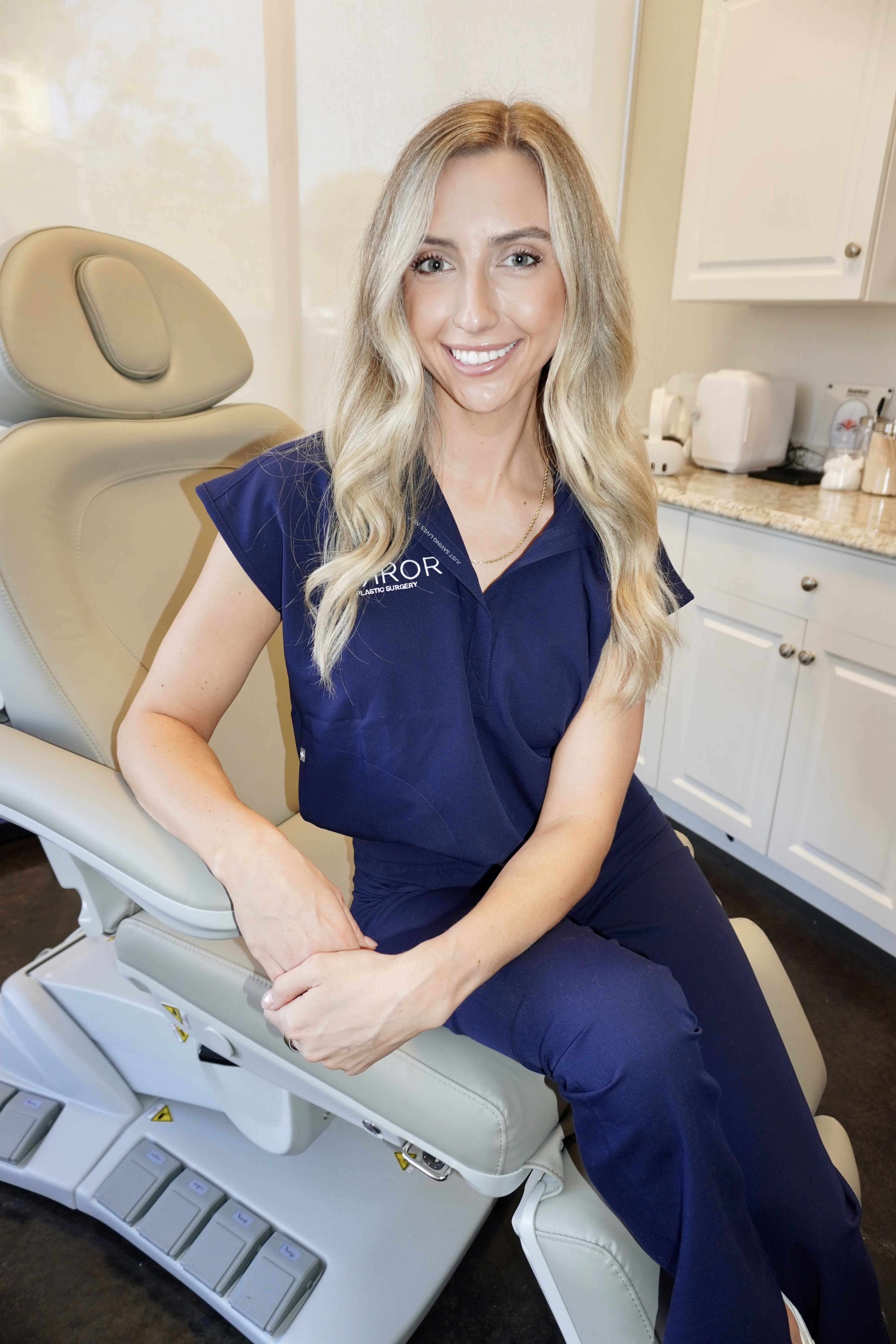
The nurse practitioner’s background directly supports safe and aesthetic peptide use for hair and wellness. She holds a Bachelor’s in Health Science from Boston University, completed an aesthetics licensure program, and earned both her Bachelor’s and Master’s in Nursing from the University of South Florida. Her four years in the Neuroscience ICU at Tampa General Hospital provided deep clinical grounding in physiology and metabolic health. She then worked at a high-end medical spa in Boston, where she developed expertise in skin physiology and aesthetic assessment before pursuing her nurse practitioner credentials. This combination of esthetician training and advanced nursing allows her to align the aesthetic goals clients want with the clinical science required to reach those goals safely.
Step 8: Hair Peptides Within Anti-Aging and Recovery Programs
Hair-focused peptide protocols fit best within a broader plan for recovery and healthy aging. At Mirror Plastic Surgery, GHK-Cu is available as a standalone protocol or as part of the Glow Stack (GHK-Cu, BPC-157, TB-500), which addresses systemic inflammation, collagen and elastin production, and soft tissue repair at the same time. Patients pursuing post-surgical recovery can benefit from peptide protocols that reduce inflammation and support healing, which can complement surgical outcomes. Patients in their 30s–50s who are managing broader anti-aging goals often use peptide stacks targeting cellular energy (NAD), growth hormone support (Sermorelin or Ipamorelin), and skin density alongside hair-specific protocols.
The concierge model at Mirror Plastic Surgery, which limits patient volume to ensure dedicated attention, allows Ellie to monitor hair progress over time, adjust protocols based on photographic tracking and lab results, and integrate hair outcomes into a broader wellness picture rather than treating hair as an isolated concern.
Frequently Asked Questions
Are peptides FDA-approved for hair growth?
No peptide is currently FDA-approved specifically for hair growth. Minoxidil and finasteride remain the only FDA-approved pharmacological treatments for androgenetic alopecia. GHK-Cu and related peptides are used off-label, and GHK-Cu received administrative category changes on the 503A list in April 2026, with PCAC review scheduled before February 2027, and remains unapproved for hair loss or any indication. The absence of FDA approval reflects the lack of large-scale Phase III trials rather than a determination of ineffectiveness. As discussed in Step 6, Mirror Plastic Surgery addresses sourcing risks inherent in non-FDA-regulated compounds through verified compounding facilities and medical supervision.
What results can I expect if I stop treatment?
Peptide hair protocols do not create permanent structural changes to follicles in the way that hair transplant surgery does. If treatment stops, the follicle-supporting signals such as extended anagen phase, improved vascularization, and reduced TGF-β1 activity diminish over time, and shedding patterns are likely to return toward baseline.1 This pattern resembles what happens when patients stop minoxidil, which also leads to reversal of gains within months. Maintenance protocols, usually at reduced frequency after the initial 6-month phase, are the standard approach to sustaining results. Ellie structures protocols with this in mind and builds a long-term maintenance plan into the initial consultation rather than treating the first protocol as a one-time intervention.
How do individual factors affect outcomes?
Results from peptide hair protocols vary significantly between individuals.1 Genetics, baseline follicle density, hormone status, especially thyroid function and sex hormones, nutritional status, scalp health, and the duration of hair loss before treatment all influence how robustly a patient responds. Patients with early-stage diffuse thinning or androgenetic alopecia typically respond more favorably than those with long-standing follicle miniaturization. This variation explains why Mirror Plastic Surgery’s consultation process includes lab panel review. Thyroid, hormone, and metabolic markers can reveal root causes that, if unaddressed, would limit the effectiveness of any topical or systemic peptide protocol. A personalized protocol built on this data differs meaningfully from a generic online purchase.
Why choose supervised care over online sources?
Unregulated online peptide sources present three distinct risks: unknown product quality, incorrect dosing, and no screening for contraindications. Without batch testing and a certificate of analysis, there is no reliable way to confirm that a product contains the stated peptide at the stated concentration. Low-concentration over-the-counter serums frequently fall below the therapeutic threshold needed for measurable follicle effects. Without a medical history review, conditions such as Wilson’s disease, active cancer, or copper-overload disorders, all of which are contraindications for GHK-Cu, may go unidentified. Mirror Plastic Surgery addresses these risks through medical history and lab review, sourcing from verified compounding facilities, and ongoing concierge support that includes direct text access and telemedicine follow-up throughout the protocol.
Conclusion: Next Steps for Evidence-Based Hair Peptide Care
Evidence for GHK-Cu and related peptides in hair growth is biologically grounded and clinically promising, yet still incomplete. Small human trials, robust preclinical data, and plausible mechanisms support their use as adjunctive therapies for hair thinning and shedding. These compounds are not appropriate for unsupervised self-administration from unverified sources. The safest and most effective path involves a medically supervised protocol built on your individual lab results, health history, and hair loss pattern.
Mirror Plastic Surgery’s concierge approach, led by the nurse practitioner and backed by the clinical standards set by the board-certified plastic surgeon, provides this level of care. Serving patients in St. Petersburg, Tampa Bay, and remotely across the United States, Mirror Plastic Surgery offers evidence-aware, personalized care that unregulated online sources cannot match.
Start your personalized peptide protocol tailored to your hair, health, and wellness goals.
1 Results may vary from person to person. Editorial content, before and after images, and patient testimonials do not constitute a guarantee of specific results.
Peptide therapy is intended for wellness and optimization purposes and is not prescribed to diagnose, treat, cure, or prevent disease unless specifically stated. Many peptides are not FDA-approved and may be used off-label. Some have limited long-term safety data, with a potential for unknown risks, complications, or desensitization with prolonged use.