

Written by: Dr. Akash Chandawarkar, Board Certified Plastic Surgeon, Mirror Plastic Surgery | Last updated: September 9, 2026
Key Takeaways
- Lip augmentation alternatives include non-surgical options like Botox lip flips and PRP therapy, as well as surgical procedures such as lip lifts and fat grafting that reposition tissue or stimulate natural collagen instead of simply adding volume.
- Patients often seek alternatives to fillers because of concerns about filler migration, the cumulative cost of repeated treatments, and structural issues like a long philtrum or gummy smile that fillers alone cannot correct.
- Non-surgical alternatives such as the Botox lip flip and PRP therapy offer subtle enhancement with minimal downtime, while surgical options like lip lifts and fat grafting create more permanent or semi-permanent structural changes.
- Choosing the right alternative depends on your individual lip anatomy and concerns, with options ranging from temporary treatments lasting 2–3 months to permanent surgical solutions.
- Choosing a board-certified plastic surgeon who understands facial anatomy helps match your specific lip concerns with the safest and most effective option.
Now, explore why these alternatives matter and how they compare to traditional lip fillers.
Why Consider Alternatives To Lip Fillers?
Dermal fillers remain the most popular lip enhancement method, and they are effective, reversible, and require no downtime. Many patients now explore alternatives for specific, well-founded reasons. A 2020 MRI study in the Aesthetic Surgery Journal found filler well beyond the original injection site in patients who had repeated lip treatments over several years, even when patients believed their filler had fully dissolved. The cumulative cost of touch-ups every 6–12 months also adds up quickly. For structural concerns such as a long upper lip, a gummy smile, or age-related lip elongation, filler alone cannot correct the underlying anatomy.
Filler cannot shorten a long upper lip, and adding volume alone can create a heavy, unnatural projection that still hides the teeth. A gummy smile reflects muscle dynamics that volume cannot correct. The most suitable alternative depends on what bothers you most about your lips. As a board-certified plastic surgeon in St. Petersburg, FL, Dr. Akash Chandawarkar guides patients through these options with safety, function, and natural aesthetics as the priorities.
Schedule a consultation with Ellie to begin a personalized, anatomy-first assessment of your lip enhancement options.
Non-Surgical Alternatives To Lip Fillers
Non-surgical alternatives suit patients who want subtle enhancement without surgery. Each option works through a different mechanism, and no single treatment replaces filler for every situation.
Botox Lip Flip
A Botox lip flip uses small doses of botulinum toxin, typically 4 units of onabotulinumtoxinA injected into the orbicularis oris muscle along the upper lip border, to relax the muscle and let the lip roll outward slightly. This creates the appearance of a fuller upper lip without adding volume. A 2026 prospective study in Aesthetic Plastic Surgery showed a modest but significant increase in upper lip height at 15 days with no change in lip volume1. This treatment changes lip shape and position rather than replacing volume.
Results usually last about 6–8 weeks to 3–4 months, with some patients seeing effects for up to 4 months, because the orbicularis oris muscle works constantly during talking, eating, and smiling.1 The FDA has not evaluated dosing more often than every 3 months, so retreatment should respect this interval. In the 2026 study, adverse events such as upper lip numbness, localized pain, and general discomfort were mild and resolved within 30 days.1
The lip flip works best for patients with adequate lip volume who want subtle refinement, such as reducing a gummy smile or creating a gentle pout. For gummy smile correction, injection at the Yonsei point, where three key elevator muscles converge, is the most widely adopted single-site target and reduces gingival exposure by an average of 3.42 mm at two weeks1. Patients whose main concern is lack of fullness usually benefit more from filler or fat grafting.
Platelet-Rich Plasma (PRP) Lip Augmentation
PRP therapy uses your own blood, specifically the concentrated growth factors in platelets, to stimulate collagen production and gradually improve lip volume, texture, and hydration. The provider draws blood, processes it in a centrifuge to concentrate the platelets, and injects the PRP into the lips. PRP does not provide immediate volume. Results develop over weeks to months as your body responds to the growth factors.
Optimal outcomes usually require 3–6 sessions spaced 4–6 weeks apart, with results visible after 4–6 weeks and improvements lasting up to 6 months in some studies.1 Because PRP uses your own blood, it is generally considered safe and can look and feel natural, though a small risk of allergic reaction remains due to additives or other factors. Patients who want significant volume will find PRP insufficient on its own. It works best for very subtle, natural enhancement and better lip quality.
Other Non-Surgical Options
Laser-based energy treatments, such as non-ablative Er:YAG and Nd:YAG laser therapy, stimulate collagen production in the lips and gradually improve fullness and definition over several sessions. Providers use these treatments less often as standalone lip augmentation but may pair them with other procedures. Over-the-counter plumping products create only brief, superficial effects that last a few hours and do not replace professional treatment.
Surgical Alternatives To Lip Fillers
Surgical options suit patients who want permanent or semi-permanent structural change or whose anatomy fillers cannot address. These procedures require more commitment, including recovery time and, in some cases, a permanent scar. They treat the root cause of lip concerns instead of masking them temporarily.
Lip Lift
A lip lift is a surgical procedure that permanently shortens the distance between the base of the nose and the upper lip, called the philtrum, by removing a precisely measured strip of skin just beneath the nostrils. This rolls the upper lip upward and outward, increases visible pink tissue, and improves upper tooth display. The most common technique, the subnasal “bullhorn” lift, places the incision in the natural crease where the nose meets the lip, which helps the scar blend in over time.
Ideal candidates often have a philtrum longer than about 15–20 mm in women, minimal upper lip vermilion show, dissatisfaction with fillers, or age-related lip elongation. The lip lift also suits patients who feel tired of maintaining fillers year after year because the result is permanent. A lip lift permanently changes the position and proportion of the upper lip, whereas filler adds temporary volume within the lip itself. Filler cannot shorten a long philtrum. Attempting to compensate for lip length with volume alone can create a heavy, projected lip that still hides the teeth.
Recovery usually involves 1–2 weeks of downtime. Swelling and bruising peak in the first 3 days, sutures come out at 5–7 days, and most patients return to social activities within a week. A systematic review of 7 studies and 1,754 patients reported a mean patient satisfaction score of 4.4 out of 5 on the Global Aesthetic Improvement Scale, with revision rates between 0.6% and 6.7%, and improvements maintained for 12 to 59.1 months.1 The scar matures over 2–4 months and fades significantly by 6–12 months.
Fat Grafting (Fat Transfer) To Lips
Autologous fat grafting harvests your own fat, usually from the abdomen or thighs with gentle manual syringe aspiration, purifies it, and injects it into the lips. Because the procedure uses your own tissue, allergic reaction risk is essentially absent, and results feel natural. Fat grafting can provide more substantial volume than PRP and, unlike temporary fillers, does not require retreatment every 6–12 months.
Fat survival in the lips remains unpredictable. The lips move constantly, and speaking, eating, and smiling disrupt the fragile new blood vessels that must grow into the graft. A 2026 systematic review and meta-analysis in Cureus reported graft resorption rates of 20–80% within the first year, with most standard clinical cohorts averaging around 50–60% long-term retention.1 Surgeons therefore over-correct initially, and final results appear at 3–6 months once the surviving fat stabilizes. About 15–30% of patients need a touch-up at 6 months to refine symmetry and volume.1
Nicotine use is the most common cause of complete fat graft failure because it constricts micro-vessels and blocks new blood supply. Recovery involves 1–2 weeks of downtime with swelling at both the lip injection site and the donor site. Fat grafting does not suit minor touch-ups. Temporary fillers remain the practical choice for small corrections.
Lip Implants
Lip implants, usually soft silicone or specialized materials inserted through small incisions at the mouth corners, offer permanent structural volume but carry risks such as migration, palpability, unnatural feel, and difficult removal. Unlike traditional fillers, implants cannot be dissolved, and revision requires additional surgery. Most board-certified plastic surgeons, including Dr. Chandawarkar at Mirror Plastic Surgery, reserve lip implants for select cases because more flexible alternatives exist.
Lip Augmentation Alternatives At A Glance
| Option | Type | Longevity | Downtime | Best For |
|---|---|---|---|---|
| Botox Lip Flip | Non-Surgical | 2–3 months | None | Thin upper lip, gummy smile, subtle pout |
| PRP Therapy | Non-Surgical | 6–12 months (after series) | None | Subtle natural volume, lip texture improvement |
| Lip Lift | Surgical | Permanent | 1–2 weeks | Long philtrum, thin upper lip, age-related elongation |
| Fat Grafting | Surgical | Semi-permanent (~50–60% retention) | 1–2 weeks | Natural volume augmentation using own tissue |
| Lip Implants | Surgical | Permanent | 1–2 weeks | Rarely recommended; permanent structural volume |
How To Choose The Right Alternative For Your Lip Anatomy
The best lip augmentation alternative depends on your specific anatomy and what you want to change. Start by identifying your primary concern.
- Thin Upper Lip: When the upper lip shows little pink tissue and the philtrum is long, a lip lift provides permanent enhancement by repositioning the lip. For a subtle non-surgical option, a Botox lip flip creates a gentle pout by relaxing the orbicularis oris muscle.
- Gummy Smile: Excessive gingival display, defined as 3 mm or more of gum exposure during a full smile, affects about 10–14% of young adults and is more common in women. A Botox lip flip can reduce gum exposure by relaxing the muscles that elevate the upper lip.
- Lack Of Fullness Or Volume: When lips are uniformly thin and you want more volume, fat grafting offers natural, semi-permanent enhancement using your own tissue. PRP provides subtler, gradual improvement. Fillers remain the most precise and reversible option for targeted volume.
- Asymmetry: Fillers often work best for precise correction of asymmetrical lips because providers can place them accurately and adjust over time. Fat grafting can also address asymmetry, though results are less predictable.
- Desire For Long-Lasting Results: A lip lift permanently changes lip position and proportion. Fat grafting offers semi-permanent volume that may need touch-ups but does not require ongoing filler appointments.
- Long Upper Lip With Aging: As the upper lip elongates and thins with age, upper tooth show decreases. A lip lift directly addresses this structural change and restores a more youthful lip-to-nose relationship that fillers cannot create.
A consultation with a board-certified plastic surgeon allows for measurement of philtral length, evaluation of smile dynamics, and a tailored recommendation that aligns with your goals and safety.
Let Ellie schedule your consultation so Dr. Chandawarkar can map your specific lip concerns to the right solution.
Recovery, Risks, And Long-Term Outcomes
Recovery expectations differ significantly between non-surgical and surgical alternatives. Non-surgical options such as the Botox lip flip and PRP require no formal downtime, and most patients return to work immediately, though mild swelling, bruising, or temporary numbness may appear. In the 2026 prospective study, all adverse events from the lip flip were mild and transient, resolving within 30 days without treatment.1
Surgical options require more recovery time. A lip lift involves 1–2 weeks of visible swelling and bruising, with sutures removed at 5–7 days and scar maturation continuing for months. Fat grafting requires healing at both the lip and donor sites, with 1–2 weeks of downtime. Hypertrophic scarring occurred in about 4.6% of lip lift cases in a systematic review of 7 studies and 1,754 patients.1
Long-term outcomes also differ meaningfully, and this should factor into your choice. The Botox lip flip requires re-treatment every 2–3 months, while PRP needs an initial series and periodic maintenance. Fat grafting offers semi-permanent results, with surviving fat lasting for years but subject to age-related changes and variable early resorption.1 A lip lift is permanent because the skin is removed, so the shortening does not fade, although the lip continues to age naturally from its new starting point.1
Choosing a board-certified plastic surgeon with deep anatomical expertise helps minimize risks across all procedures. Strong knowledge of facial and subdermal anatomy makes injectable and surgical treatment safer and more precise, which guides every procedure performed at Mirror Plastic Surgery.
Personalized Lip Enhancement At Mirror Plastic Surgery
Mirror Plastic Surgery in St. Petersburg, FL, approaches lip enhancement with a clear philosophy: safety first, function second, and aesthetics third. Dr. Akash Chandawarkar, a Harvard-educated, Johns Hopkins-trained, board-certified plastic surgeon with fellowship training in aesthetic surgery at the Manhattan Eye Ear & Throat Hospital, personally performs every injectable and surgical treatment. His command of facial and subdermal anatomy supports precise placement, lower risk, and more consistent outcomes.
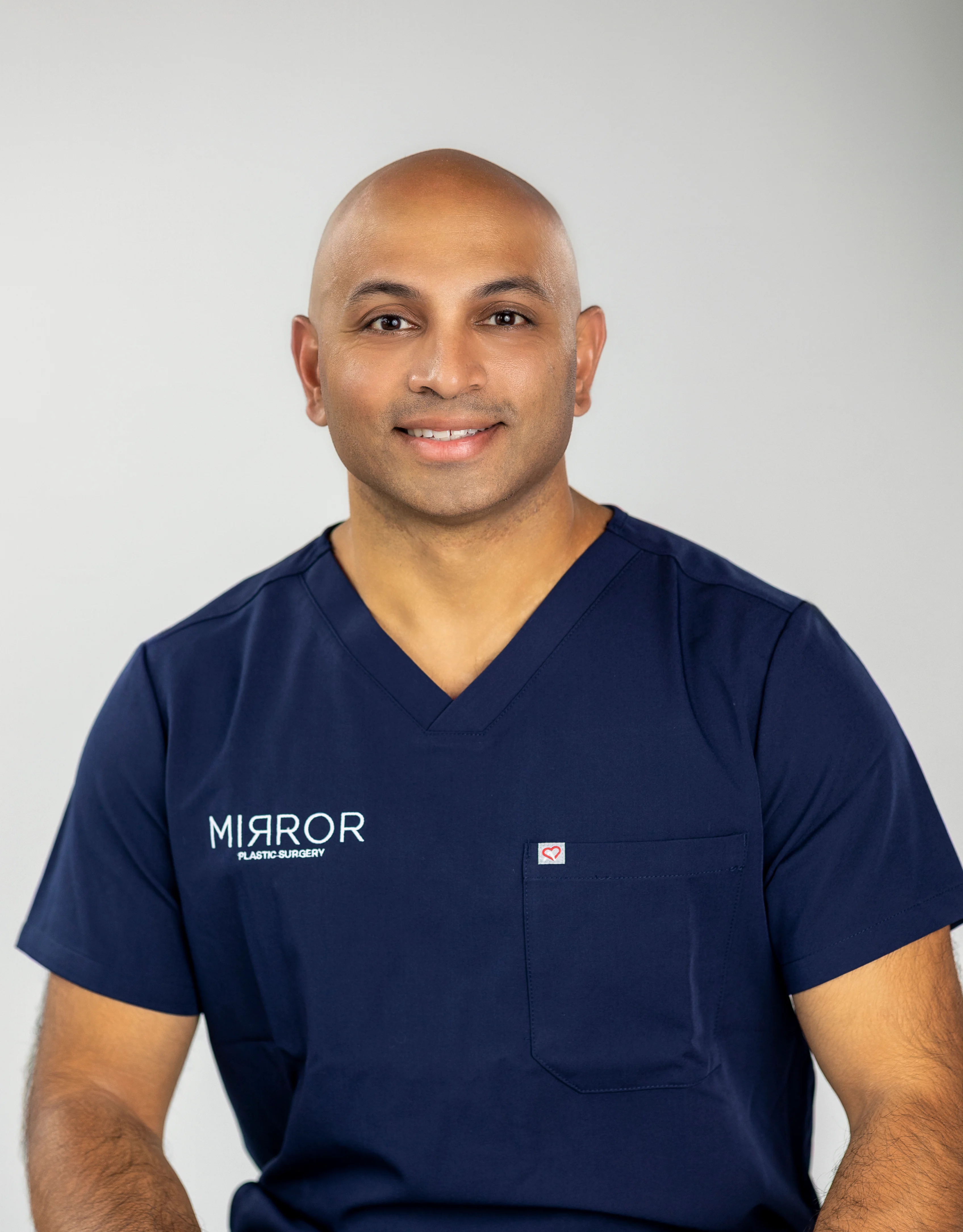
Mirror Plastic Surgery’s concierge model allows up to an hour for each initial consultation. This in-depth visit explores your aesthetic goals and the emotions behind them, so the treatment plan supports your long-term well-being. Dr. Chandawarkar communicates transparently and may advise that a costly treatment is not yet necessary, which builds trust through honest, unbiased guidance.
Serving the St. Petersburg and Tampa Bay community, Mirror Plastic Surgery offers a range of non-surgical injectables, including neuromodulators and dermal fillers, as well as surgical treatments that address lip structure and facial balance. Call or text 727-361-6515 or visit the website to schedule your consultation.
Frequently Asked Questions
What Is The Most Natural-Looking Lip Augmentation?
The most natural-looking option depends on your anatomy and goals. For subtle refinement, a Botox lip flip creates a gentle pout without adding volume. For patients with a long philtrum, a lip lift provides permanent, natural-looking enhancement by repositioning the lip instead of adding bulk. Fat grafting uses your own tissue and feels natural, though results vary because of unpredictable resorption. Natural results rely on choosing a provider who prioritizes facial harmony over sheer volume, and a board-certified plastic surgeon with deep anatomical expertise is best positioned to make that judgment.
Is There A Way To Enhance Lips Without Fillers?
Several options enhance lips without fillers. Non-surgical choices include the Botox lip flip, which relaxes the orbicularis oris muscle to create subtle eversion, and PRP therapy, which uses your own growth factors to stimulate collagen and gradual volume improvement. Surgical alternatives include the lip lift, which permanently shortens the philtrum to reveal more pink tissue, and fat grafting, which transfers your own fat to the lips for semi-permanent volume. Each option works through a different mechanism and suits different lip anatomies and concerns.
How Long Does A Botox Lip Flip Last?
A Botox lip flip usually lasts 2–3 months, and some patients enjoy results for up to 4 months. Because the orbicularis oris muscle is highly active during talking, eating, and smiling, the product breaks down faster than in less mobile areas such as the forehead. The FDA has not evaluated dosing more often than every 3 months, so retreatment should follow this guideline. Patients who want longer-lasting fullness often consider filler or a surgical option.
Is Fat Grafting To Lips Permanent?
Fat grafting to the lips is semi-permanent. As discussed in the fat grafting section, resorption rates vary, and many patients need a touch-up at about 6 months to refine results. The fat that successfully establishes a blood supply remains long term, but early volume loss is expected. Smoking greatly increases the risk of graft failure and must stop well before and after the procedure.
What Is The Difference Between A Lip Lift And Fillers?
A lip lift is a surgical procedure that permanently shortens the distance between the nose and upper lip, which increases visible pink tissue and improves tooth show. Fillers add temporary volume within the lip itself. A lip lift addresses structural issues that fillers cannot, such as a long philtrum, which filler would only mask by adding volume. The right choice depends on whether your main concern is lip position and proportion or lip volume.
Disclaimer: Results may vary from person to person. Editorial content, before and after images, and patient testimonials do not constitute a guarantee of specific results.
1 Results may vary from person to person. Editorial content, before and after images, and patient testimonials do not constitute a guarantee of specific results.


