

Written by: Dr. Akash Chandawarkar, Board Certified Plastic Surgeon, Mirror Plastic Surgery | Last updated: September 9, 2026
Key Takeaways
- The U.S. medical aesthetics market exceeds $20 billion annually, which blurs the line between medspas and true wellness clinics.
- Medspas usually rely on part-time or remote medical directors, while real wellness clinics feature physicians who lead day-to-day care.
- Non-dermatology providers generate a disproportionate share of complications, so physician oversight directly affects patient safety.
- A six-step verification checklist helps you confirm board certification, physician-led consultations, comprehensive labs, and ongoing support.
- Tampa Bay patients who want physician-led wellness care can schedule a consultation at Mirror Plastic Surgery for data-driven, personalized treatment protocols.
Medspa Vs. Wellness Clinic: What Actually Sets Them Apart
Choosing between a medspa and a wellness clinic affects your safety, outcomes, and long-term health.1 Many businesses now use the term “wellness clinic,” even when they primarily offer cosmetic services, so clear distinctions matter before you book.
A medspa blends day-spa aesthetics with non-invasive cosmetic procedures such as Botox, fillers, and laser treatments. A medical director must oversee the facility, yet day-to-day involvement often remains limited. Only 6.5% of surveyed U.S. medspas reported on-site medical directorship, and fewer than half of listed directors had training in dermatology or plastic surgery.
A true wellness clinic with licensed healthcare professionals functions as a medical practice. A physician leads evaluation, diagnosis, and treatment of underlying health issues such as hormonal imbalances, chronic inflammation, and metabolic disorders. Care relies on evidence-based protocols and comprehensive diagnostic testing. The legal line depends on whether a service involves diagnosis, prescription, or a procedure that penetrates or alters living tissue below the skin’s surface, which requires a physician or a licensed provider working under physician supervision.
The table below summarizes the core differences to weigh when you evaluate a practice. Pay close attention to leadership and diagnostic approach, because these areas most strongly influence safety and outcomes.1
| Attribute | Medspa | Physician-Led Wellness Clinic |
|---|---|---|
| Leadership | Medical director, often part-time or remote | Board-certified physician actively involved in patient care |
| Primary Focus | Cosmetic and aesthetic procedures | Root-cause medical evaluation and treatment |
| Diagnostic Approach | Visual assessment, minimal testing | Comprehensive lab panels covering hormones, metabolism, inflammation, and thyroid markers |
| Regulatory Oversight | Only 12 states have any medspa-specific provisions; 36 states lack medspa-specific laws | Full medical board oversight and licensure |
Why Physician Oversight Matters For Safety
Physicians train to understand complex physiology, identify contraindications, and manage complications. When that oversight is missing, complication rates rise in measurable ways.1 A retrospective review of the Cutaneous Procedures Adverse Events Reporting (CAPER) registry, analyzing 199 reports detailing 298 adverse events between March 2021 and August 2025, found that non-dermatology providers accounted for 51% of all reported complications despite performing only 38% of the total procedures logged. Procedures in non-traditional settings generated a disproportionate share of complications such as erythema, scarring, and severe outcomes linked to unapproved injectables.
Patient safety in non-surgical aesthetics depends on the clinic’s systems rather than the injector’s personal skill alone. Regulated, clinician-led settings achieve lower complication rates because they maintain written and rehearsed complication protocols, keep in-date hyaluronidase on hand, define clear escalation pathways, and invest in ongoing training.1
Wellness therapies such as peptides, hormone therapy, and GLP-1 compounds raise the stakes further. Clinics that prescribe GLP-1s, hormone replacement, peptides, and other regulated medications operate under heightened scrutiny, so a structured medical director relationship is essential for protocol approval, supervision, and prescribing accountability. Peptides fall outside FDA regulation, which makes professional oversight crucial for safe dosing and quality assurance.
“At Mirror Plastic Surgery, we follow the principle of safety first, function second, aesthetics third. This is especially important in wellness therapies where we are modulating the body’s systems.” — Dr. Akash Chandawarkar, MD, Board-Certified Plastic Surgeon
Six-Step Checklist To Verify A True Medical Wellness Clinic
This checklist helps you separate genuine physician-led care from a medspa using wellness language. Work through each step before you commit to treatment.
- Verify The Lead Practitioner’s Board Certification. Look for ABMS-recognized board certification in a core medical specialty such as plastic surgery or dermatology. Confirm that the physician’s medical license is active and unrestricted through your state medical board. In Florida, patients can verify a physician’s status through the Florida Department of Health’s search tool.
- Confirm The Physician-Led Model. A physician’s name on a website without a functioning oversight relationship creates liability rather than compliance. Ask whether a physician conducts your initial consultation, designs your treatment plan, and provides ongoing follow-up.
- Ask About Diagnostic Testing. A legitimate clinic orders comprehensive lab panels such as thyroid, hormones, inflammatory markers, and metabolic panels before creating a protocol. Many physicians require baseline labs before recommending any peptide or hormone protocol and use follow-up labs to monitor response.
- Review Personalization Of Treatment Protocols. Protocols should reflect your labs and health history rather than a one-size menu. Patients increasingly seek personalized plans and preventative care delivered under proper medical oversight.
- Inquire About Product Sourcing And Quality Assurance. For non-FDA-regulated therapies like peptides, ask about supplier verification, batch testing, and third-party quality controls. Compounded therapies should come only from licensed U.S. 503A or 503B compounding pharmacies, never unregulated or grey-market sellers.
- Assess Ongoing Support And Follow-Up. A medical clinic should offer scheduled follow-ups and direct access to the physician. Physician-led care is personalized, data-driven, and built on long-term partnership.
If you have completed this checklist and want to experience a physician-led consultation that meets every criterion, book an appointment with Ellie at Mirror Plastic Surgery.
Red Flags That Suggest A Medspa Disguised As A Wellness Clinic
Once you know what to look for in a legitimate clinic, you also need to recognize warning signs. Treat the following issues as strong signals to walk away.
- No physician on site, or a medical director who cannot be identified or is rarely available
- Pushy sales tactics and upselling without a thorough medical evaluation
- No diagnostic testing and treatments based only on superficial or visual assessments
- Inability to provide clear answers about credentials, treatment rationale, or complication management
- Exclusive focus on aesthetics with no attention to underlying health conditions
- Misleading titles such as “medical aesthetician” or “certified laser technician” when the actual credential is licensed esthetician, which affects scope of practice
- No written complication protocols or emergency preparedness, including lack of hyaluronidase for filler complications
Questions To Ask During An Initial Wellness Consultation
Targeted questions reveal how seriously a practice takes medical standards and long-term outcomes. Use these prompts during any first visit or virtual consult.
- Who will perform my initial evaluation and ongoing management?
- What are your credentials and board certifications, and which ABMS-recognized board certifies you?
- Do you order lab work or other diagnostics before creating a treatment plan?
- How do you personalize protocols based on my health history and lab results?
- What is your approach to safety and quality assurance for treatments like peptides?
- Can I reach you directly if I have questions or concerns between appointments?
- What are realistic outcomes and timelines for my specific condition?1
Why Labs And Diagnostics Define Real Medical Care
Comprehensive lab testing sits at the center of legitimate wellness care. Labs uncover root causes of weight gain, fatigue, and chronic inflammation so your physician can design targeted treatments instead of masking symptoms. Physician-led clinics typically evaluate sex hormones, thyroid and metabolic markers, and inflammation-related wellness markers, tailoring panels to individual goals with full clinical review, which distinguishes them from medspas that treat labs as optional add-ons.
Regulation increasingly supports this standard. The FDA delisted compounded semaglutide from the official shortage list in February 2025 and tirzepatide in October 2024, and state medical boards have intensified enforcement against medspas dispensing compounded GLP-1s without patient-specific clinical justification. Physician-led clinics that order labs before prescribing now align with both best practice and evolving regulatory expectations.
Mirror Plastic Surgery: Physician-Led Wellness Care In Tampa Bay
Mirror Plastic Surgery in St. Petersburg, Florida, exemplifies a wellness clinic led by licensed healthcare professionals. Every peptide therapy and wellness protocol is directed by Dr. Akash Chandawarkar, MD. He is board-certified by the American Board of Plastic Surgery, graduated from Harvard Medical School through the Harvard-MIT Division of Health Sciences and Technology, and completed a seven-year integrated plastic surgery residency at Johns Hopkins. Dr. Chandawarkar also completed the Stanford University Biodesign Innovation Fellowship, which trains physician-innovators to identify unmet clinical needs and create evidence-based solutions.
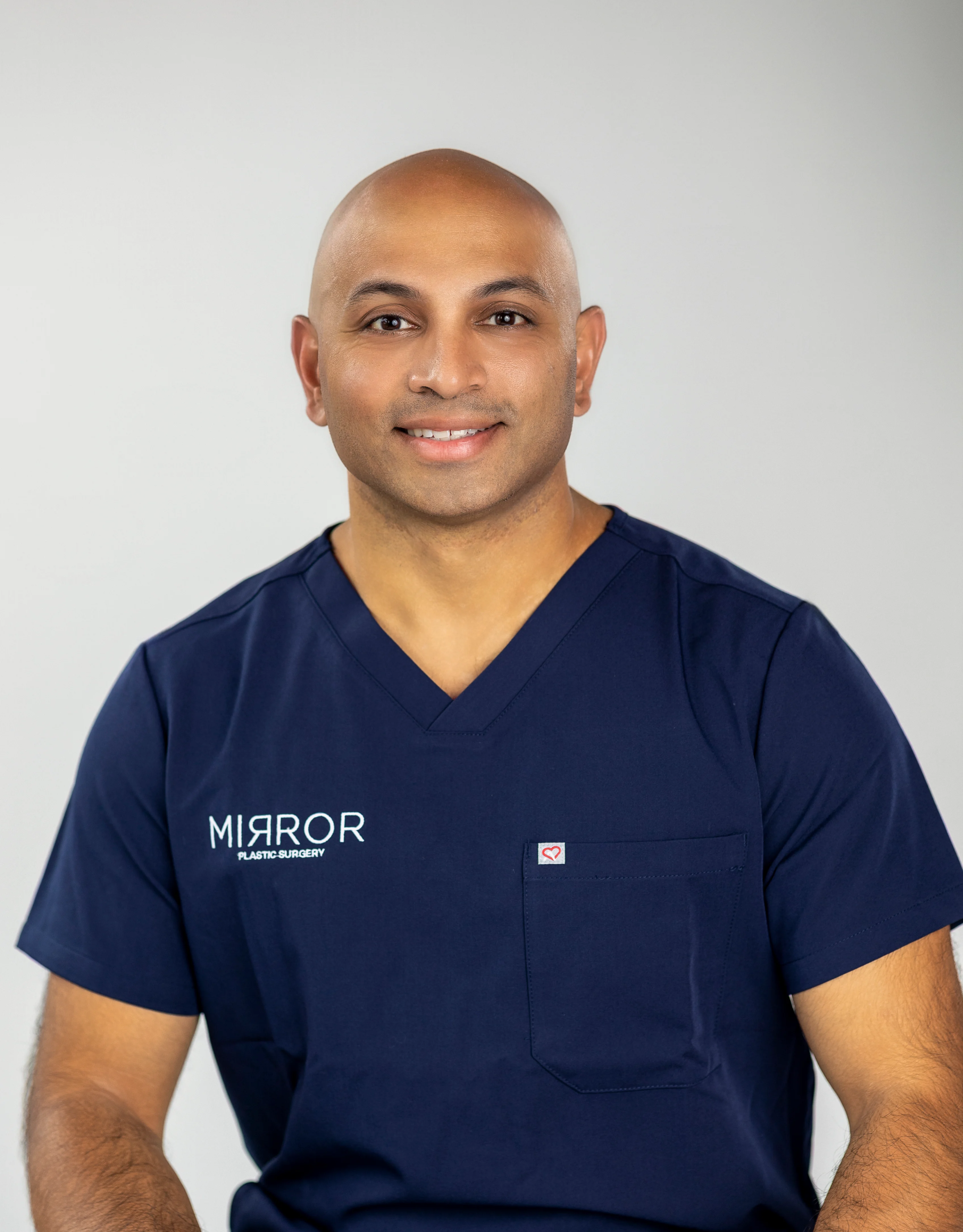
The practice operates on a concierge model that keeps the physician involved at every step. Consultations can run up to an hour, and the team completes in-depth lab analysis before designing any protocol. Patients receive 24/7 direct access to Dr. Chandawarkar via text for ongoing support, refill requests, and questions.
Mirror Plastic Surgery provides advanced peptide therapies for inflammation, autoimmune conditions, weight management, post-surgical recovery, collagen production, anxiety, and energy under direct physician supervision. Peptides come from reputable providers with rigorous batch testing, which supports consistent quality and accurate dosing that online retailers cannot match. Patients can complete the entire process, from consultation to prescription and shipping, either in person in Tampa Bay or remotely across the United States.
To begin this level of physician-led wellness care, schedule a consultation with Ellie at Mirror Plastic Surgery.
Conclusion: Choose Physician Leadership For Your Health
The core difference between a medspa and a true wellness clinic lies in physician leadership, diagnostic rigor, and personalized care. Clinics that lack proper physician supervision, documentation, or involvement face growing compliance risk as regulations tighten, and patients often carry the consequences. Use the six-step verification checklist in this guide to evaluate any practice before you commit to a protocol.
For Tampa Bay readers seeking a genuine medical wellness clinic with licensed healthcare professionals, Mirror Plastic Surgery offers physician-led care grounded in data and long-term partnership. If you want a board-certified physician who orders the labs, designs a protocol around your physiology, and stays involved throughout your journey, take the next step by booking your consultation.
Frequently Asked Questions
What Is The Difference Between A Medspa And A Physician-Led Wellness Clinic?
A medspa primarily offers non-invasive cosmetic procedures such as Botox, fillers, and laser treatments in a spa-like environment. A physician usually serves as medical director, yet often works part-time or remotely with limited involvement in individual patient care. A physician-led wellness clinic functions as a medical practice where a board-certified physician conducts evaluations, orders diagnostic labs, diagnoses root causes of health issues, and personally supervises every treatment protocol. This structure determines whether your care follows a service menu or responds to your physiology and health data.
Are Peptide Therapies Safe, And Why Does Physician Oversight Matter For Them?
Many peptides fall outside FDA regulation, so the main risk comes from unverified sources and unsupervised use. Without physician oversight, you lose third-party testing for product quality, screening for contraindications or pre-existing conditions, and guidance on appropriate dosing. At Mirror Plastic Surgery, Dr. Akash Chandawarkar conducts an in-depth consultation that includes lab panels, sources peptides from providers with known quality and batch testing, and offers medically supervised support before, during, and after therapy. This level of oversight separates safe, effective peptide therapy from the risks of buying products online.1
How Do I Verify That A Wellness Clinic’s Physician Is Genuinely Board-Certified And Actively Involved?
Start by asking for the physician’s full name and the exact name of their certifying board. Legitimate board certification in a core medical specialty, such as the American Board of Plastic Surgery, is recognized by the American Board of Medical Specialties (ABMS). You can confirm active licensure through your state medical board’s public lookup tool; in Florida, this is the Florida Department of Health’s online search. Then ask who will conduct your initial consultation, who designs your treatment plan, and who you contact if you have a concern between appointments. Answers that point only to non-physician staff suggest a limited physician role.
What Lab Tests Should A Legitimate Wellness Clinic Order Before Starting A Protocol?
A physician-led wellness clinic should order a comprehensive baseline panel before designing any protocol. For weight management or inflammatory conditions, this often includes thyroid markers, liver and kidney function, diabetes and metabolic markers, hormone panels including sex hormones and cortisol, lipid panels, and inflammatory markers. The specific panels vary based on your symptoms, goals, and health history, which is why a thorough physician consultation comes first. Medspas frequently skip this step and offer treatments based on visual assessment or self-reported symptoms alone, an approach that regulators now scrutinize closely.
What Red Flags Indicate That A “Wellness Clinic” Is Actually A Medspa In Disguise?
Key red flags include the absence of a physician who can be identified by name and verified through a state medical board, lack of diagnostic testing before treatment, and a menu-driven approach where protocols are offered without a thorough medical evaluation. Additional warning signs include pushy sales tactics during a first consultation, vague or evasive answers about credentials, no written complication protocols, and an inability to explain the clinical rationale behind a recommended treatment. Legitimate physician-led clinics welcome credential questions, provide clear answers about who is responsible for your care, and prioritize your long-term health over short-term revenue.
1 Results may vary from person to person. Editorial content, before and after images, and patient testimonials do not constitute a guarantee of specific results.
Peptide therapy is intended for wellness and optimization purposes and is not prescribed to diagnose, treat, cure, or prevent disease unless specifically stated. Many peptides are not FDA-approved and may be used off-label. Some have limited long-term safety data, with a potential for unknown risks, complications, or desensitization with prolonged use.


