
Written by: Dr. Akash Chandawarkar, Board Certified Plastic Surgeon, Mirror Plastic Surgery | Last updated: September 9, 2026
Key Takeaways
- This guide explains what stem cell peptide hair treatments are, how they differ from stem cells and exosomes, and where the science currently stands.
- You will learn what early research suggests about hair density and inflammation, and why the evidence still counts as preliminary.
- The article outlines key FDA and safety considerations so you can recognize red flags and understand why medical supervision matters.
- You will see how peptide therapy fits alongside options like minoxidil, PRP, and exosomes, especially for early-to-moderate androgenetic alopecia.
- By the end, you will know what questions to ask, who is a good candidate, and how to approach a personalized consultation at Mirror Plastic Surgery.
Separating Hope From Hype In Hair Restoration
Hair thinning feels discouraging, and the information around it often feels overwhelming. A search for “stem cell peptide hair treatment” pulls up everything from $50 serums promising follicle regeneration to dense academic papers. Most people simply want to know whether these treatments are real, safe, and worth considering.
The term “stem cell peptide” appears across topical serums, injectable protocols, and many hybrid offerings. This loose usage creates confusion about what these treatments involve, what the science supports, and how regulation affects safety. This guide shares a board-certified plastic surgeon’s evidence-based perspective so you can judge any provider or product using clear criteria instead of marketing language.
What Stem Cell Peptides Are And How They Work
The term “stem cell peptide hair treatment” usually refers to peptide-based products, most often GHK-Cu (copper peptide), BPC-157, and TB-500, marketed with regenerative claims. These products do not contain stem cells. They contain short chains of amino acids that act as signaling molecules.
These signaling molecules bind to cells and direct them to perform specific tasks. Common targets include collagen production, reduction of inflammation, and improved blood vessel growth around hair follicles.
Stem Cells Vs. Peptides Vs. Exosomes: Key Differences
Clear distinctions between these categories help set realistic expectations and guide safe choices.
- Stem Cell Therapy: Uses living cells, often taken from a patient’s fat or bone marrow, with the goal of regenerating tissue. For hair loss, this approach remains highly experimental and has no FDA-approved applications.
- Peptide Therapy: Uses short amino acid chains such as GHK-Cu to signal existing cells. Targets include collagen production, inflammation control, and possible stimulation of dormant follicles. These products are not FDA-approved for hair loss.
- Exosome Therapy: Uses extracellular vesicles, which are small packages of signaling molecules derived from stem cells. The products do not contain the stem cells themselves. This category is also unapproved and faces active regulatory scrutiny.
Peptides function as biological messengers. GHK-Cu, for example, can modulate Wnt/β-catenin signaling in dermal papilla cells, increase VEGF levels that support blood flow to follicles, and shorten the telogen (resting) phase so follicles re-enter the anagen (growth) phase more quickly. It works through a different upstream route than minoxidil while influencing a similar downstream pathway.
A Balanced Look At The Science
Several peptides show meaningful promise in early research, yet the overall evidence base remains limited. Understanding that balance helps set realistic expectations.
A 2026 study in BMC Biotechnology evaluated a cell-penetrating peptide called DualPep-ALO in ex vivo human scalp tissue from four female donors. The peptide promoted hair follicle elongation and maintained the anagen phase through day 12, with effects comparable to minoxidil (100 µM) and caffeine (7.77 µM).1 DualPep-ALO also increased VEGF, HGF, and EGF expression in a dose-dependent fashion, sometimes exceeding levels seen with caffeine and minoxidil. The authors emphasized the need for further human clinical trials to confirm efficacy, safety, and long-term potential.
A separate 2026 study in Marine Drugs showed that orally administered low-molecular-weight fish collagen peptide improved hair regrowth in a mouse model over 28 days. The peptide activated Wnt/β-catenin and PI3K/Akt/mTOR signaling and suppressed inhibitory BMP/Smad pathways. The researchers cautioned that increased visible follicle structures might reflect existing follicles re-entering anagen rather than brand-new follicle formation.
For GHK-Cu, the most studied hair-related peptide, controlled-trial data suggest a 17% to 24% increase in terminal hair density over 12 weeks, with relatively few adverse effects compared to systemic hair-loss drugs.1 Large, independent, randomized, placebo-controlled human trials of GHK-Cu alone for hair loss have not yet appeared in the literature.
Overall, the data look encouraging but incomplete. No peptide currently matches the clinical trial depth of FDA-approved medications such as minoxidil or finasteride, and no newer therapy has displaced those medications.
FDA Status And Safety Considerations
No peptide or exosome product currently holds FDA approval for hair treatment. This regulatory status directly affects patient safety.
The FDA advises patients to avoid unapproved products made from human cells or tissues that are sold online. The agency notes that these products have not undergone review for quality, safety, purity, or potency. Reported adverse events include serious harm and patient deaths after use of unapproved human cell or tissue products.
For exosomes, the FDA has issued a public safety notification and warning letters to multiple clinics and manufacturers. The agency states that administering unapproved exosome products violates federal law. The Public Safety Notification clearly notes that “There are currently no FDA-approved exosome products.” In line with that position, the FDA has sent warning letters to multiple entities between 2024 and 2026 for distributing unapproved exosome and stem cell products.
The main risk of peptide therapy often lies in product sourcing. Compounded GHK-Cu preparations occupy a nuanced regulatory space, so providers must confirm current guidance. Peptides purchased online without medical oversight lack quality control, verified dosing, and systems for detecting contamination or early adverse reactions.
Medical supervision helps manage these risks. A physician can order labs to identify underlying causes of hair loss, obtain peptides from reputable suppliers with batch testing, tailor a protocol to the patient’s physiology, and monitor for side effects over time.
How Peptides Compare To PRP, Minoxidil, And Exosomes
Peptide therapy sits alongside several other hair restoration options. The table below compares these treatments on evidence, FDA status, and typical timelines so you can see where each approach stands.
Minoxidil remains the benchmark because of its FDA approval and long clinical track record. PRP offers a moderate evidence base and stands as the most-studied regenerative procedure in hair medicine. Exosomes present the greatest regulatory concern and the least robust data. Peptide therapy fits best as an adjunct to proven treatments, especially for patients who wish to avoid systemic anti-androgens or for women for whom finasteride is not standard care.
What Results You Can Realistically Expect
Reduced shedding often appears as the first measurable change within weeks.1 Clinicians typically assess density around the three-month mark and evaluate the overall outcome at about twelve months. Genetics, stage of hair loss, health status, hormones, scalp condition, and lifestyle all influence results.
Costs are personalized and reviewed during consultation. Pricing depends on the protocol, number of sessions, and whether peptides are combined with other therapies. Multiple sessions or an ongoing maintenance plan usually support longer-lasting results. Many patients complete 2–3 sessions over 12–18 months when hair loss is active.1 Patients should view this as a long-term course of care rather than a single visit.
Who Typically Makes A Good Candidate
The strongest candidates are adults with early to moderate androgenetic alopecia and preserved follicle density on trichoscopy.1 This pattern often corresponds to Norwood I–III in men and Ludwig I–II in women. Good overall health and realistic expectations also matter.
A thorough evaluation usually includes medical history and lab testing for thyroid function, iron levels, and hormones. These steps help identify treatable causes of hair loss and confirm that a peptide protocol matches the patient’s physiology.
Late-stage hair loss with extensive follicle dropout responds poorly to regenerative approaches.1 Patients with advanced baldness or scarring alopecia often benefit more from surgical options.
Questions To Bring To Your Doctor
This checklist helps you evaluate any provider offering stem cell peptide hair treatments and distinguish medical care from unregulated commercial services.
- “What specific peptides do you recommend for my condition, and why?”
- “Are your peptides sourced from suppliers with third-party batch testing?”
- “What side effects and risks should I know about for this protocol?”
- “How long before I see results, and what does maintenance usually involve?”
- “Will you review my labs and medical history and supervise my treatment directly?”
- “What happens if I do not see meaningful results?”
- “Are you using this as an add-on to proven therapies or as my primary treatment?”
- “What is the current regulatory status of the products you use?”
A clinic that cannot answer these questions clearly should not administer these treatments. A physician who explains limitations, including when a treatment is not appropriate, demonstrates the kind of integrity that supports long-term trust.
Common Misconceptions About Stem Cell Peptide Treatments
- “Stem cell peptides are actual stem cells.” They are signaling molecules made of short amino acid chains that direct existing cells. These treatments do not contain living cells.
- “They are FDA-approved.” As discussed earlier, these products do not have FDA approval for hair loss, so the same regulatory cautions apply.
- “They work for everyone.” Outcomes vary based on individual biology, stage of hair loss, and health. Advanced baldness and scarring alopecia rarely respond.
- “They are a one-time cure.” Most patients require maintenance protocols to sustain benefits. Results tend to fade when treatment stops.
- “Buying peptides online is safe if they are labeled ‘natural.’” Unregulated products lack quality control, verified dosing, and medical oversight, regardless of the label.
- “A $50 serum and a physician-supervised injectable protocol are equivalent.” Concentration, delivery method, sourcing standards, and medical supervision differ completely between these options.
Frequently Asked Questions
Can Stem Cell Peptides Help With Hair Growth?
Some peptides show encouraging effects in early studies. GHK-Cu, for example, influences Wnt/β-catenin signaling, VEGF expression, and the shift from telogen to anagen in preclinical and small clinical work. Large randomized human trials remain limited, so peptides currently function best as potential adjuncts to established treatments rather than standalone replacements.
Does Stem Cell Hair Treatment Actually Work?
Clinics use this term in many ways. True stem cell treatments that use a patient’s own fat or bone marrow remain experimental, with small studies showing 20–30% density gains in early-to-moderate cases with viable follicles.1 Peptide therapies marketed under the “stem cell” label may help some patients with early thinning, but results vary and are not guaranteed. As noted earlier, these offerings do not have FDA approval.
What Is The Best Peptide For Thinning Hair?
GHK-Cu (copper peptide) has the most extensive research record for hair health, including dermal papilla cell studies, rodent models, and small clinical evaluations. AHK-Cu has the clearest single ex vivo human hair study. Evidence for BPC-157 and TB-500 in hair remains limited. No peptide matches the trial depth of finasteride or minoxidil. A physician can review your labs and trichoscopy findings and then recommend whether any peptide protocol fits your situation.
Are Peptides Safe For Hair Loss?
When a physician supervises treatment and uses peptides from reputable suppliers with batch testing, most patients tolerate therapy well. The main safety concern arises when people obtain products from unregulated sources without medical oversight, where quality, dosing, and contamination remain unknown. Physician-led care with proper screening and sourcing greatly reduces these risks.
How Long Does It Take To See Results?
As outlined in the results section, many patients notice reduced shedding within weeks and undergo a more complete assessment around twelve months.1 Hair grows in cycles, so earlier snapshots do not reflect the full outcome.
What Is The Difference Between Stem Cell And Exosome Hair Treatment?
Stem cell therapy uses living cells, usually from a patient’s own fat or bone marrow, to support tissue around follicles. Exosome therapy uses small vesicles containing signaling molecules that come from stem cells. Both approaches remain experimental for hair loss in the United States. Exosomes currently carry an active FDA public safety notification, and the agency has issued warning letters to clinics marketing unapproved exosome products.
Do I Need A Doctor To Get Peptide Hair Treatment?
Medical supervision is strongly recommended. A physician can rule out other causes of hair loss, select appropriate dosing, ensure quality sourcing, and monitor your response. Buying peptides online removes these safeguards and increases risk.
Making An Informed Decision About Peptide Therapy
The phrase “stem cell peptide hair treatment” often serves as marketing language for a wide mix of products and procedures. Early science looks promising, yet the evidence remains incomplete and regulatory oversight is limited. These realities make product sourcing and medical supervision central to safety.
Anyone considering peptide therapy for hair loss benefits from a thorough, individualized evaluation that includes labs, trichoscopic assessment, and an honest review of candidacy. A board-certified physician can then design a protocol that fits your physiology and goals or recommend alternative options when appropriate.
About The Physician
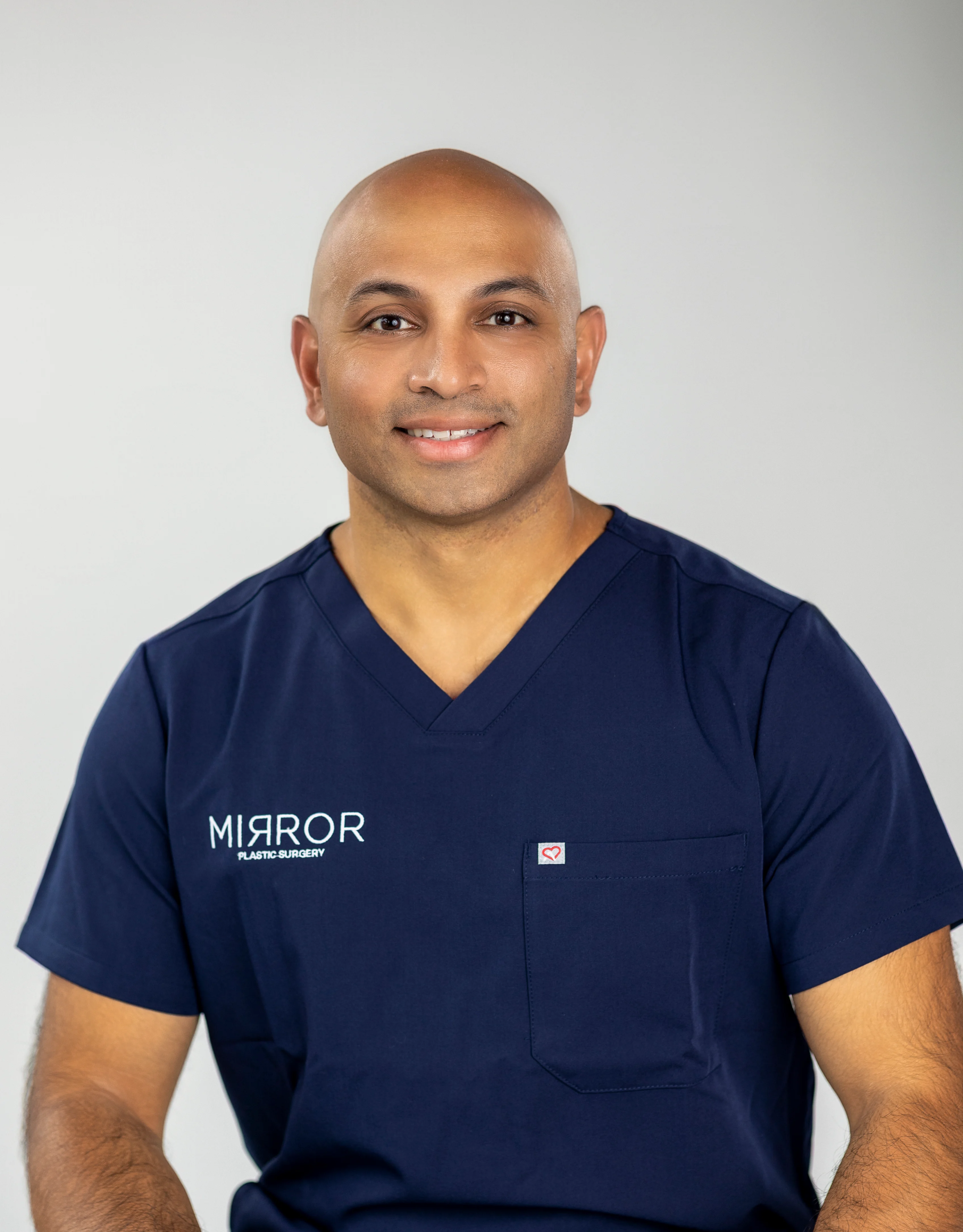
Dr. Akash Chandawarkar, MD, is the founder of Mirror Plastic Surgery and leads peptide therapies and non-surgical wellness at the practice. He studied neuroscience and nuclear engineering at MIT, graduated with Honors from Harvard Medical School through the Harvard-MIT Division of Health Sciences and Technology, and completed a seven-year integrated plastic and reconstructive surgery residency at Johns Hopkins University. Dr. Chandawarkar is board certified by the American Board of Plastic Surgery and completed a Stanford University Biodesign Innovation Fellowship, which trained him to evaluate emerging technologies with clinical rigor and an innovation-focused mindset. He designs each peptide protocol around a patient’s labs and physiology, sources products from reputable suppliers with batch testing, and offers concierge-level support throughout treatment, including direct access via text and telemedicine.
Disclaimer: This article is for educational purposes only and does not constitute medical advice. Results vary from person to person. Peptides are not FDA-regulated for the treatment of hair loss. Medical supervision is essential to support safety and effectiveness. Consult a qualified healthcare provider to determine whether this treatment is appropriate for you.
1 Results may vary from person to person. Editorial content, before and after images, and patient testimonials do not constitute a guarantee of specific results.
Peptide therapy is intended for wellness and optimization purposes and is not prescribed to diagnose, treat, cure, or prevent disease unless specifically stated. Many peptides are not FDA-approved and may be used off-label. Some have limited long-term safety data, with a potential for unknown risks, complications, or desensitization with prolonged use.