
Written by: Dr. Akash Chandawarkar, Board Certified Plastic Surgeon, Mirror Plastic Surgery | Last updated: September 9, 2026
Key Takeaways
- Peptides can support longevity and performance, but they carry real risks without medical oversight.1
- Baseline labs and regular follow-up testing keep treatment safer and show whether a protocol is working.
- Only peptides prescribed by a physician and filled through licensed compounding pharmacies meet pharmaceutical-grade standards.
- Begin with a single peptide so you can clearly assess tolerance, benefits, and any side effects.
- Physician-supervised peptide therapy is available through personalized consultations at Mirror Plastic Surgery.
Meet The Physician Behind This Peptide Protocol
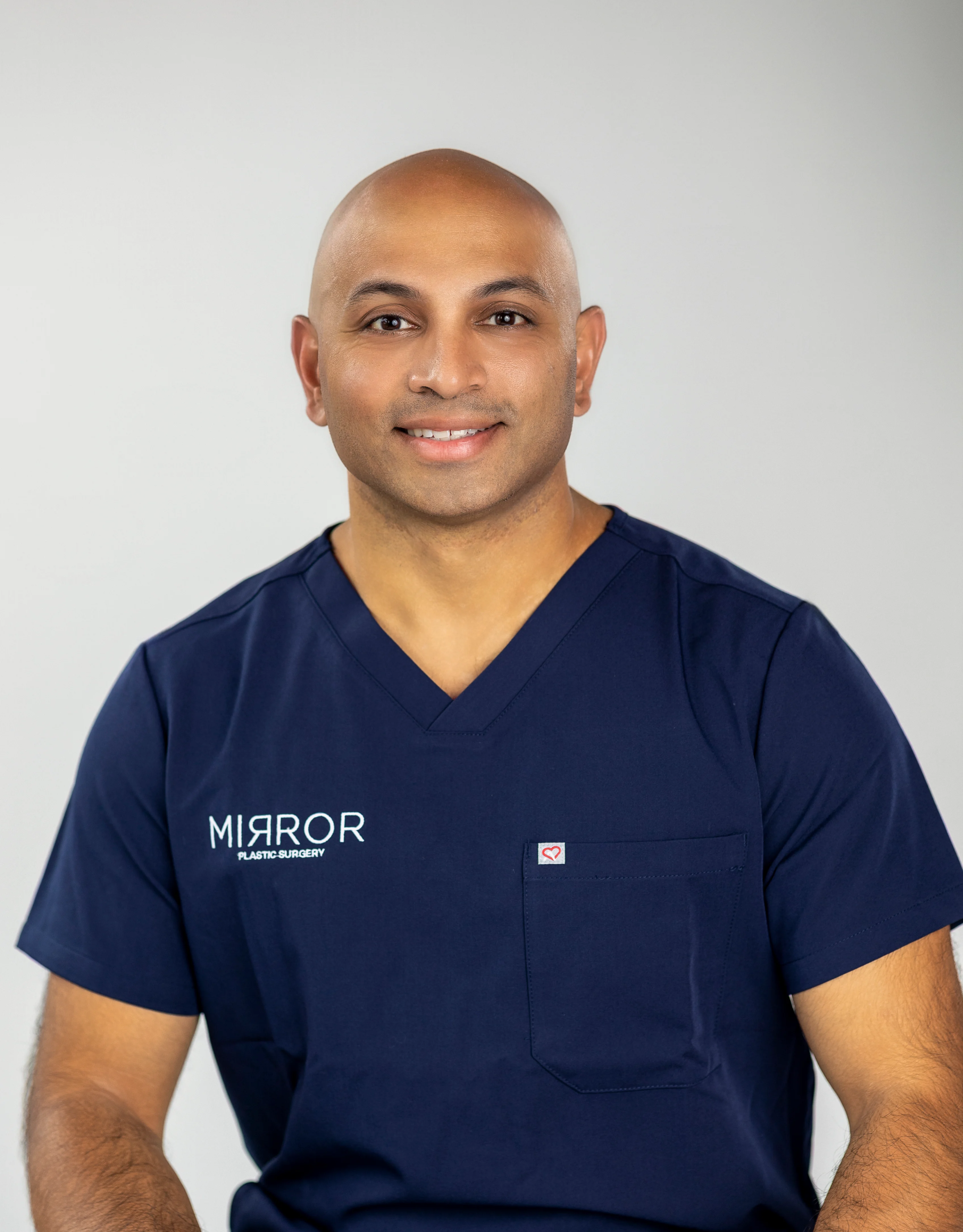
Dr. Akash Chandawarkar, MD, is the founder of Mirror Plastic Surgery and the lead physician for all peptide therapies at the practice. He is board certified by the American Board of Plastic Surgery and has a distinctive academic background: he studied neuroscience and nuclear engineering at MIT before graduating with Honors from Harvard Medical School through the Harvard-MIT Division of Health Sciences and Technology. He completed a seven-year integrated plastic and reconstructive surgery residency at Johns Hopkins University and the Stanford University Biodesign Innovation Fellowship, which trains physicians to identify unmet clinical needs and develop evidence-based solutions.
Dr. Akash builds every peptide protocol around education, transparency, and long-term outcomes. He frequently advises patients to delay or avoid treatments that are not yet necessary, even when that reduces short-term revenue. Each peptide plan at Mirror Plastic Surgery is tailored to the patient’s labs and physiology, medically supervised from start to finish, and supported by up to an hour of one-on-one consultation time plus direct access via text or telemedicine.
How Peptides Support Longevity And Repair
Peptides are short chains of amino acids, usually between two and 100, that act as signaling molecules directing processes such as healing, metabolism, immune response, and hormone production. In longevity medicine, they attract interest because they can influence cellular repair, mitochondrial function, hormone balance, and metabolic health.
Common peptide categories used in longevity and biohacking protocols include:
- Growth Hormone Secretagogues (Sermorelin, Ipamorelin): Stimulate natural growth hormone production to support muscle retention, sleep quality, and body composition.1
- Tissue Repair Peptides (BPC-157, TB-500): Target inflammation, soft tissue healing, and gut health.1
- Anti-Aging And Collagen Peptides (GHK-Cu): Support skin, hair, nail, and collagen health.1
- Metabolic And Energy Peptides (NAD+, GLP-3R): Support mitochondrial function, insulin sensitivity, and metabolic health.1
- Immune-Modulating Peptides (Thymosin Alpha-1): Support immune regulation and inflammatory balance.1
Regarding regulatory status, no peptide holds FDA approval for general healthspan extension or anti-aging use as of 2026. The landscape continues to evolve. In February 2026, HHS Secretary Robert F. Kennedy Jr. announced that 14 of the 19 peptides previously restricted from compounding pharmacies would be reclassified to Category 1, restoring access through licensed compounding pharmacies with a physician’s prescription. An FDA advisory committee meeting in July 2026 reviewed seven additional peptides, including BPC-157 and TB-500, for possible inclusion on the compounding bulks list, although those recommendations remain advisory.
Why Safety Matters With Peptide Biohacking
Unregulated peptide use creates avoidable risks, especially when products come from online vendors and lack medical supervision. At a Las Vegas conference in 2025, two women became critically ill after injections with peptides the FDA had categorized as unsafe; Nevada regulators fined the practitioners involved, but investigators could not determine the exact cause of the reaction.
Quality problems are common and well documented. In 2025, FDA testing found that up to 40% of online peptide products contained incorrect dosages or undeclared ingredients. Research-grade peptides are not sterile and are supplied as lyophilized powder that the buyer must reconstitute, while pharmaceutical-grade injectable peptides must be sterile and tested for bacterial endotoxins, particulate matter, and container closure integrity.
Medical screening adds another layer of protection. Certain peptides are contraindicated in active cancer, pregnancy, and breastfeeding. GH secretagogues can interact with diabetes medications, thymosin alpha-1 can interact with immunosuppressants, and BPC-157 interacts with dopaminergic medications, and online retailers do not screen for these issues. The main danger comes from unregulated sourcing and the lack of physician oversight, not from a single molecule in isolation. That reality makes a physician-supervised evaluation the logical first step for safe use.
Step 1: Define Your Goal And Get Baseline Labs
Safe peptide use starts with a clear health objective. Common goals include reducing systemic inflammation, improving energy and mitochondrial function, supporting weight management, promoting collagen production, improving gut health, or aiding recovery. The chosen goal guides peptide selection and screens out options that do not fit.
Baseline laboratory work is essential before any peptide protocol. Baseline labs identify underlying conditions, confirm that no contraindications exist, and create a reference point for monitoring treatment effects. At Mirror Plastic Surgery, Dr. Akash reviews existing labs and orders them when needed so every protocol rests on objective data.
The core baseline panel includes:
- Comprehensive Metabolic Panel (CMP): Assesses liver enzymes, kidney function, electrolytes, and glucose, documenting organ function and flagging abnormalities that affect peptide safety.
- Thyroid Panel (TSH, Free T4, Free T3): Thyroid dysfunction can mimic fatigue, weight, and energy complaints and can confuse interpretation of peptide response.
- Hormone Panels (Testosterone, Estradiol, Cortisol, DHEA-S): Establish endocrine baseline and clarify whether symptoms reflect hormonal imbalance rather than a need for peptides.
- Lipid Panel: Establishes cardiovascular and metabolic baseline risk, which matters for peptides that influence body composition or insulin sensitivity.
- HbA1c And Fasting Glucose: Screen for insulin resistance and separate baseline metabolic risk from treatment effects.
- IGF-1: The single most useful number for any GH-axis user, reflecting integrated growth hormone output over time and guiding GH secretagogue protocols.
- Inflammatory Markers (hsCRP, ESR): Quantify biological-age and longevity baselines and track anti-inflammatory peptide effects.
- CBC With Differential: Detects anemia, polycythemia, and immune anomalies before therapy begins.
Step 2: Source Peptides Legally And Safely
Legal peptide use in the United States runs through licensed healthcare providers and FDA-registered compounding pharmacies. Peptides can reach human use as FDA-approved drugs, as compounded preparations under sections 503A and 503B of the FD&C Act with a valid prescription, or through clinical trials under an FDA-approved Investigational New Drug application.
Compounding pharmacies follow strict quality standards and state board oversight. Research chemical suppliers do not. Research-grade peptides typically reach 95–98% purity via HPLC, while pharmaceutical-grade products must exceed 99% purity with full characterization of all impurities above 0.1%. Even small impurities can change biological responses.
Mirror Plastic Surgery sources all peptides from reputable providers with rigorous batch testing to confirm quality, purity, and accurate dosage. This approach differs sharply from gray-market online retailers, where documented problems include underdosing or overdosing, contamination with bacterial endotoxins or heavy metals, degradation, misidentification, and counterfeit products.
For a deeper look at legal and ethical sourcing, see Mirror Plastic Surgery’s guide on How To Legally And Ethically Use Peptides For Biohacking.
Step 3: Start With A Single Peptide
Beginning with one peptide allows clear assessment of tolerance and effects. When side effects occur, the cause is easier to identify. Starting with a stack increases interaction risk and makes it impossible to attribute responses, whether positive or negative, to any single compound. After establishing a baseline response, a physician may recommend a customized stack based on labs and goals.
The following table summarizes common longevity peptides, their evidence levels, and safety profiles based on current published literature.
Fewer than 30 subjects across three uncontrolled human pilot studies; no completed Phase II trialTheoretical cancer risk via angiogenic activity; avoid with active malignancy or cancer history within 5 yearsControlled human trials for topical skin applications; systemic injectable use untested in controlled trialsAvoid combining with vitamin C; copper reduction can destabilize the complex and generate free radicalsIpamorelin characterized in human and animal studies as a selective GH secretagogue; no published controlled trial on body composition outcomes in peopleMonitor IGF-1, fasting glucose, and HbA1c; avoid with cancer historyStudied in over 80 clinical trials involving more than 4,400 patients; approved in over 35 countriesThe two largest double-blind placebo-controlled trials were null on primary endpoints; efficacy is condition-specific
| Peptide | Primary Use | Evidence Level | Key Safety Consideration |
|---|---|---|---|
| BPC-157 | Gut health, tissue repair, inflammation | ||
| GHK-Cu | Skin, collagen, hair, anti-aging | ||
| NAD+ | Energy, mitochondrial health | Strong mechanistic data; human trials ongoing | Well-tolerated at standard doses; limited long-term human data |
| Sermorelin / Ipamorelin | Growth hormone stimulation, muscle retention, sleep | ||
| Thymosin Alpha-1 | Immune modulation, inflammation |
For a broader overview of beginner-appropriate peptides and their risk profiles, see Mirror Plastic Surgery’s guide on Beginner Peptide Biohacking: Safest Methods And Risks.
Step 4: Master Injection Technique And Cycling
Most longevity peptides are administered via subcutaneous injection, so proper technique protects against infection and supports consistent absorption. Every injection must use sterile supplies and a fresh needle, because even a single lapse can introduce infection. Rotate injection sites to prevent lipodystrophy, and follow reconstitution instructions precisely with bacteriostatic water so the dose and stability remain accurate. Mirror Plastic Surgery provides video demonstrations and detailed written instructions as part of its concierge care model.
Growth hormone secretagogues can cause downregulation of the hypothalamic-pituitary-GH axis with extended use, which is why structured cycle protocols with rest periods are recommended. Typical cycling patterns run 8–12 weeks on, followed by a break that allows endocrine and cellular systems to reset. A physician individualizes cycling schedules, since appropriate duration varies by peptide, dose, and individual response.
For detailed guidance on reconstitution, injection methods, and site rotation, see Mirror Plastic Surgery’s article on Safe Peptide Dosage And Injection Methods For Biohacking.
Step 5: Monitor With Follow-Up Labs And Adjust
Peptide therapy requires ongoing monitoring. Baseline testing and follow-up labs every 8–12 weeks, including fasting glucose, HbA1c, IGF-1, hsCRP, body composition, fasting insulin, and lipid panel, form part of a science-based approach to longevity peptide use.
When reviewing follow-up labs, watch three key thresholds. Keep HbA1c below 5.7% and fasting glucose below 100 mg/dL. Target IGF-1 in the upper third of the age-matched reference range and avoid exceeding that zone, because side effects become more likely above it. Adjustments to dosage or peptide selection rely on these results rather than on guesswork.
At Mirror Plastic Surgery, Dr. Akash remains available via text or scheduled telemedicine appointments throughout the protocol. This continuous, personalized support turns peptide use from self-experimentation into genuine medical care.
Step 0: Lifestyle Foundations Before Peptides
Foundational lifestyle habits create the base that makes peptide therapy worthwhile. Guideline-supported interventions for healthy aging and longevity include at least 150 minutes weekly of moderate-intensity aerobic exercise plus resistance training, a plant-based diet, 7–9 hours of nightly sleep, complete tobacco cessation, and maintaining a healthy BMI.
The PREDIMED trial, which followed 7,447 participants, showed about a 30% reduction in major cardiovascular events with a Mediterranean diet over 4.8 years, and resistance training is associated with 15–20% reductions in all-cause mortality. These outcomes far exceed the current evidence for longevity peptides. Peptides add the most value when sleep, stress management, movement, and nutrition already support long-term health.
Common Misconceptions About Peptide Therapy
“Peptides Are Only For Weight Loss.” Peptides address many concerns, including systemic inflammation, autoimmune disorders, gut health, skin aging, cognitive function, sexual wellness, and post-surgical recovery. Weight management represents one application among many.
“All Peptides Are Dangerous.” With proper sourcing through licensed compounding pharmacies and physician supervision with baseline labs, most peptides have a manageable risk profile. The greatest danger comes from unregulated sourcing and unsupervised use.
“You Can Buy The Same Peptides Online For Less.” Research-grade peptides are not intended for human use and lack the quality controls required for injectable compounds. Lower prices do not reflect the added risk of contamination, incorrect dosing, or the absence of medical screening.
“Results Are Immediate And Permanent.” Effects vary by peptide, individual physiology, and health status. Some patients notice changes within the first week, especially for inflammation-related conditions. Others need 4–8 weeks or longer. Growth hormone secretagogues such as Sermorelin often require 3–6 months for measurable body composition changes, because they stimulate the body’s own GH production rather than delivering hormone directly. Benefits usually fade after stopping, similar to other health regimens.1
For a detailed review of documented risks and side effects, see Mirror Plastic Surgery’s article on Peptide Biohacking Safety Risks And Side Effects.
Frequently Asked Questions
What Is The Safest Peptide To Take?
Safety depends on individual health status, goals, current medications, and contraindications rather than on a single “safest” peptide. Among commonly used longevity peptides, thymosin alpha-1 has the most extensive human safety data, with adverse event profiles that match placebo across multiple trials involving thousands of subjects. However, its two largest double-blind placebo-controlled trials were null on primary endpoints, so efficacy remains condition-specific. The safest approach uses physician supervision, baseline labs, legal sourcing through a licensed compounding pharmacy, and ongoing monitoring.
How Long Does It Take To See Results From Peptides?
Results vary widely by peptide, condition, and physiology. Some patients report initial improvements within hours or within the first week, especially for inflammatory conditions. Others need 4–8 weeks to notice meaningful changes. Growth hormone secretagogues like Sermorelin often require 3–6 months for measurable body composition changes, because they work by stimulating endogenous GH production.1
Tracking objective biomarkers alongside subjective experience provides the clearest picture of response.
Are Peptides FDA-Approved?
Most peptides used for biohacking and longevity are not FDA-approved for those purposes. FDA-approved peptides such as semaglutide, tirzepatide, and tesamorelin exist for specific medical indications and are legal when prescribed by a physician. The regulatory landscape for compounded peptides continues to evolve. The February 2026 reclassification mentioned earlier expanded access to certain compounds through compounding pharmacies, and an FDA advisory committee reviewed additional peptides in July 2026. Off-label longevity use of any peptide requires medical supervision and informed consent about the current evidence.
Can I Use Peptides If I Have A Medical Condition?
Suitability depends on the condition and the specific peptide. Peptides are contraindicated in active cancer, pregnancy, and breastfeeding. Certain peptides may interact with medications or worsen conditions such as diabetes, autoimmune disorders, or liver and kidney disease. Growth hormone secretagogues require careful monitoring in anyone with insulin resistance or metabolic syndrome. A thorough medical evaluation with baseline labs directly determines which peptides and doses fit safely.
What Happens If I Stop Taking Peptides?
Benefits usually diminish after stopping therapy. If peptides were managing systemic inflammation, that inflammation often returns to its prior state once treatment ends. If growth hormone secretagogues were supporting muscle retention and sleep quality, those gains fade as GH levels return to baseline. Many patients transition to a maintenance protocol at a lower dose or reduced frequency to sustain results, and a physician individualizes that plan.
Your Path To Safe Peptide Therapy
Safe peptide use follows a clear framework: define your goals, get baseline labs, source legally through a licensed compounding pharmacy, start with a single peptide, master injection technique, cycle appropriately, monitor with follow-up labs, and support everything with strong lifestyle habits. Each step builds on the previous one.
Peptides represent a promising frontier in longevity and biohacking medicine. The mechanisms are biologically plausible, and clinical experience at practices like Mirror Plastic Surgery shows meaningful results for carefully selected patients using structured protocols. Effective and safe therapy depends on the quality of medical oversight surrounding each compound.
Dr. Akash Chandawarkar and the team at Mirror Plastic Surgery provide concierge-level, physician-led care for peptide therapy. Services include comprehensive lab analysis, personalized protocol design, legal sourcing with batch-tested quality, and ongoing support throughout the patient journey. The practice serves patients in the St. Petersburg and Tampa Bay area and remotely across the United States, including Hawaii and Alaska.
Disclaimer: Peptides are not FDA-regulated for longevity or anti-aging purposes. Results vary by individual. This article is for educational purposes only and does not constitute medical advice. Consult a qualified physician before starting any peptide therapy.
1 Results may vary from person to person. Editorial content, before and after images, and patient testimonials do not constitute a guarantee of specific results.
Peptide therapy is intended for wellness and optimization purposes and is not prescribed to diagnose, treat, cure, or prevent disease unless specifically stated. Many peptides are not FDA-approved and may be used off-label. Some have limited long-term safety data, with a potential for unknown risks, complications, or desensitization with prolonged use.