

Last updated: February 1, 2026
Peptide Biohacking at a Glance
- Peptides act as cellular messengers that influence inflammation, tissue repair, hormones, and visible aging through natural pathways with fewer side effects than many drugs.
- Safe use requires medical supervision, lab analysis, correct mixing, subcutaneous injection, and ongoing monitoring, especially when avoiding unregulated online products.
- Popular stacks include the Glow Stack (BPC-157, TB500, GHK-Cu) for inflammation and autoimmune issues, GLP-3R for weight management, and Selank for anxiety relief.
- Mixing peptides without guidance can create harmful interactions, so protocols should be personalized using labs, genetics, and health history.
- Mirror Plastic Surgery offers concierge peptide therapy with Stephanie DeSimone for medically supervised, customized protocols. Schedule your consultation today.
Meet Your Peptide Expert: Stephanie DeSimone
Stephanie DeSimone, PA-C, leads peptide therapy at Mirror Plastic Surgery with a rare blend of mathematics training, surgical anatomy expertise, and personal bodybuilding experience. Her “less is more” approach favors precise dosing over aggressive stacking so each protocol targets a clear health goal using evidence-based medicine.
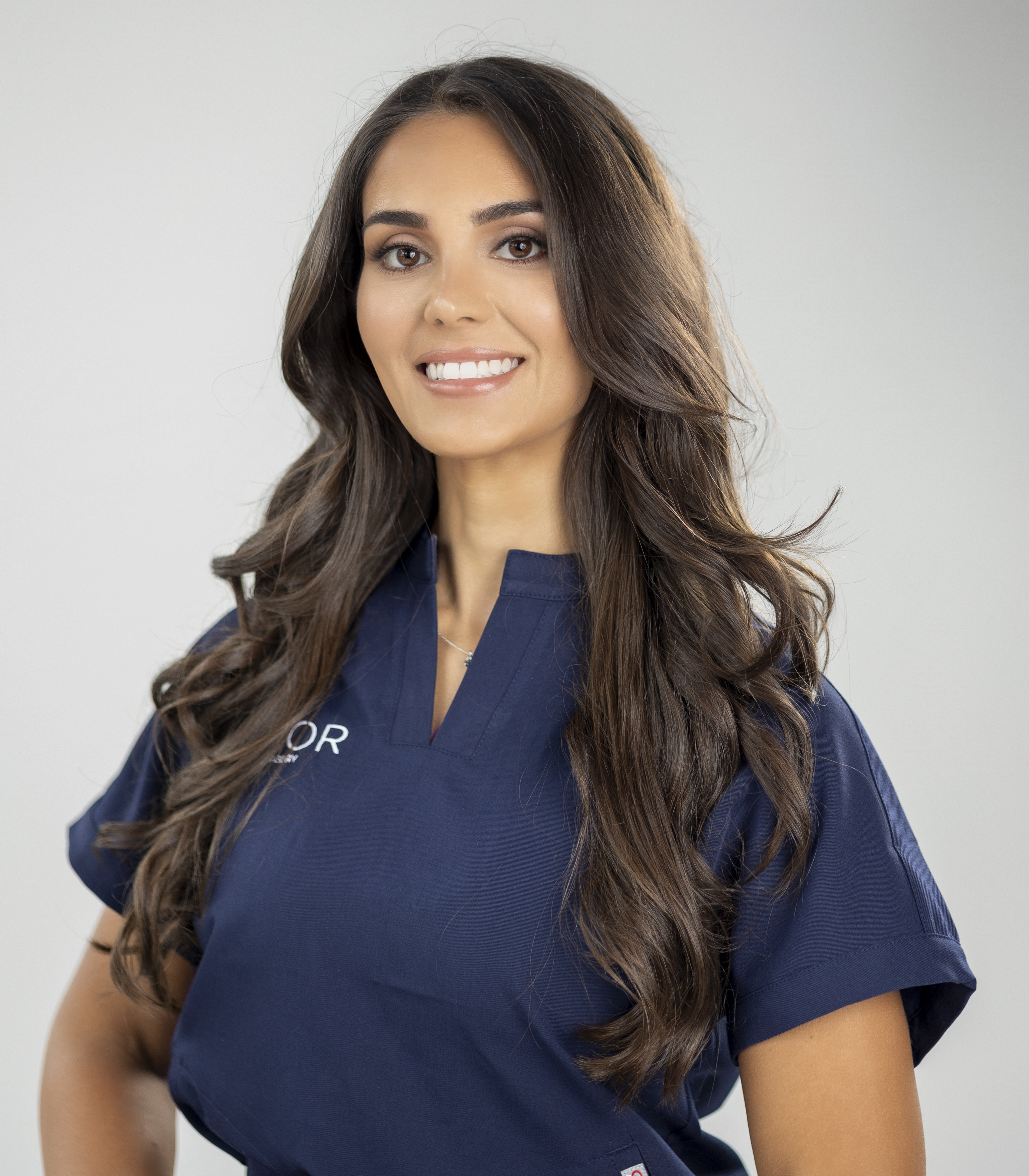
During a typical 30 to 60 minute consultation, Stephanie reviews your labs, medical history, medications, and goals, then designs a custom stack. Her concierge model includes 24/7 text support, step-by-step reconstitution guidance, and close monitoring as your protocol progresses.
She practices remotely across the United States from St. Petersburg, Florida, which gives you a safer alternative to anonymous online peptide vendors. “Peptides work best when personalized to your unique physiology, so we always start with comprehensive labs,” explains Stephanie DeSimone.
Book an appointment with Stephanie to begin a supervised peptide protocol.
How Peptides Support Biohacking and Repair
Peptides are short chains of amino acids that act as biological messengers and signal specific cells to repair tissue, calm inflammation, or adjust hormone activity. These therapeutic compounds influence pathways such as PI3K/Akt, mTOR, MAPK, and TGF-β, which drive tissue regeneration and inflammation control.
Subcutaneous injection is considered the gold standard for most peptides because it bypasses digestion and improves bioavailability compared to oral forms. Common biohacking applications include the Glow Stack (GHK-Cu, BPC-157, TB500) for collagen support and inflammation reduction, GLP-3R for weight management with fewer gastrointestinal side effects than many GLP-1 drugs, NAD for cellular energy and longevity support, and Selank for anxiety relief.
Recent systematic reviews show that BPC-157 supports healing in tissue injury models with minimal reported adverse effects. Research also suggests that combining BPC-157 and TB-500 can accelerate recovery compared to either compound alone.
Discover your custom peptide stack with Mirror’s personalized approach.
Safe Peptide Use: Step-by-Step Protocols
Safe peptide therapy follows a structured process that protects your health while aiming for results. A complete protocol usually includes five steps: detailed consultation with lab analysis, custom protocol design, proper reconstitution with bacteriostatic water, subcutaneous injection with site rotation, and ongoing monitoring with dose adjustments.
Safety monitoring often includes immunogenicity testing, endocrine panels for growth hormone–related agents, and strict sourcing from suppliers that provide certificates of analysis. Self-sourcing from random websites carries major risks, including contamination, inaccurate dosing, and no medical oversight if side effects occur.
Patients should avoid combining peptides without expert guidance. Growth hormone–releasing peptides can interact with diabetic medications, and corticosteroids can blunt peptide effectiveness through receptor desensitization. Mirror Plastic Surgery’s concierge model reduces these risks through personalized planning and continuous medical supervision.
“Subcutaneous administration under proper medical supervision supports both safety and optimal results,” notes Stephanie DeSimone. “We provide detailed video tutorials and maintain direct communication throughout your treatment.”
For guided peptide protocols with full support, schedule your consultation.
Targeted Peptide Stacks for Specific Goals
Targeted peptide combinations can address specific conditions by focusing on root causes instead of only symptoms. For inflammation and autoimmune issues, the Glow Stack, which combines BPC-157, TB500, and GHK-Cu, helps calm systemic inflammation while supporting tissue repair. Some psoriasis patients have reported dramatic improvement, and a few have seen complete symptom reversal.
Weight management often responds well to GLP-3R protocols that many patients tolerate better than traditional GLP-1 medications. Meta-analyses show that GLP-1 receptor agonists can reduce surgical risk in inflammatory bowel disease patients, which highlights their broader therapeutic potential beyond weight loss alone.
Anti-aging and energy support frequently use GHK-Cu for collagen production and NAD for mitochondrial function. These protocols target cellular aging pathways while improving the appearance of skin, hair, and nails. For anxiety, Selank offers a non-addictive option that works on similar brain pathways as benzodiazepines but without the same dependency risk.
Recovery and performance enhancement often rely on Sermorelin and Ipamorelin, which stimulate natural growth hormone release. These growth hormone–releasing peptides can support muscle maintenance, recovery, and overall vitality when used with careful medical supervision.
Personalization remains central because genetics, lifestyle, and underlying conditions shape how each person responds. Mirror’s team uses comprehensive lab analysis to fine-tune each protocol for strong results with minimal side effects.
Explore tailored peptide protocols designed for your specific health goals.
Peptide Myths, Real Risks, and Safety Rules
Peptide therapy carries several myths that can confuse patients. Many peptides used in biohacking are not FDA-approved for every indication, yet clinicians often use them off-label, similar to many standard medications. Off-label use does not automatically mean unsafe use when a qualified practitioner supervises treatment.
Some peptide combinations should never be mixed casually because they can interfere with receptors or create dangerous interactions. Growth hormone–releasing peptides, for example, should not be combined with anticoagulants or corticosteroids without careful monitoring, since these pairings can alter results or increase bleeding risk.
Subcutaneous injection usually provides better bioavailability than oral dosing because peptides avoid breakdown in the digestive tract. Oral forms exist but often require higher doses and still deliver weaker effects due to stomach acid and enzymes.
Potential downsides include receptor desensitization with long-term use, limited long-range safety data for some compounds, and wide variation in individual response. Contraindications include pregnancy, active cancer, and some autoimmune conditions, which reinforces the need for thorough medical screening.
Results usually are not permanent and often require maintenance cycles. When patients stop peptide therapy, chronic inflammatory or metabolic conditions often drift back toward baseline over time.
Why Mirror Plastic Surgery for Concierge Peptide Therapy
Mirror Plastic Surgery’s concierge model offers a more personal and controlled experience than high-volume clinics or anonymous online sellers. The practice limits care to roughly one or two cases per day, which allows for detailed attention and thoughtful follow-up. Dr. Akash Chandawarkar’s Harvard education and Johns Hopkins training set a high clinical standard for the entire team.
Quality sourcing provides another major advantage. Mirror obtains peptides from vetted providers that perform rigorous batch testing for purity and potency. This approach contrasts with many online vendors, where contamination, underdosing, or overdosing remain common concerns. The practice also integrates peptide therapy with surgical care to support smoother recovery and stronger outcomes.
Remote delivery across the United States gives patients access to expert guidance regardless of location. Whether you visit the St. Petersburg office or connect through telemedicine, you receive the same level of personalized care.
Patient stories describe meaningful weight loss, better energy, and improvement or reversal of chronic inflammatory issues. The practice focuses on root-cause treatment instead of quick symptom relief, which aligns closely with the biohacking goal of improving performance and longevity.
Start Your Safe Peptide Biohacking Journey
Peptide biohacking can significantly support health and performance when guided by medical expertise and high-quality sourcing. Mirror Plastic Surgery delivers the structure, safety checks, and personalization needed for responsible peptide therapy.
Supervised protocols can help address chronic inflammation, autoimmune conditions, weight challenges, and visible aging concerns. The most reliable results come from working with practitioners who prioritize safety, custom design, and ongoing support instead of one-size-fits-all stacks.
Begin your personalized peptide biohacking journey with Stephanie DeSimone. Contact Mirror Plastic Surgery at hello@mirrorplasticsurgery.com or visit 780 4th Ave S, St. Petersburg, FL 33701. Follow @mirrorplasticsurgery for current insights on peptide therapy and biohacking.
Frequently Asked Questions
Are peptides safe for long-term use?
Peptide safety depends on medical supervision, product quality, and individualized dosing. Many peptides show favorable safety profiles compared to some conventional medications, yet long-term data remain limited for certain compounds. Working with a qualified practitioner who monitors labs, tracks your response, and adjusts dosing helps reduce risks such as receptor desensitization. Cycling protocols and regular testing further support safety while preserving benefits.
How do I know if peptides fit my health needs?
Determining whether peptides fit your situation starts with a full review of your medical history, medications, symptoms, and often detailed lab work. Chronic inflammation, autoimmune issues, weight management struggles, and some anxiety conditions may respond well to targeted peptide protocols. Contraindications still exist for pregnancy, active cancer, and specific medical conditions. A thorough consultation with a practitioner like Stephanie DeSimone helps match peptide options to your goals while screening for risks and interactions.
What is different about peptides from Mirror Plastic Surgery versus online sources?
Mirror Plastic Surgery focuses on quality control, medical oversight, and personalization, which most online sources do not provide. The practice uses suppliers that offer certificates of analysis and batch testing so you know the product’s purity and potency. Many online vendors lack this level of testing, and product quality can vary widely. Mirror also includes consultation, custom protocol design, ongoing monitoring, and 24/7 support, which are essential for safe dosing, correct injection technique, and early detection of side effects.
How quickly will I see results from peptide therapy?
Results depend on the peptide, your physiology, and the condition treated. Some patients notice changes within days or weeks, especially for inflammation or energy support. Weight management protocols may show early shifts within the first week, while anti-aging and collagen-focused treatments usually require several months of consistent use. Autoimmune conditions often respond more slowly, with gradual improvement over many weeks or months. Realistic expectations and regular check-ins with your practitioner help guide adjustments and keep progress on track.
Can peptides replace my current medications?
Peptides should not replace prescribed medications without a coordinated medical plan and careful monitoring. Some patients eventually reduce certain medications under supervision, yet this process must move slowly and involve both your peptide practitioner and prescribing physicians. Peptides often work best as complementary tools that address underlying drivers while standard treatments manage symptoms. Any medication changes should occur gradually and under medical guidance to protect your safety throughout the transition.
