
Written by: Dr. Akash Chandawarkar, Board Certified Plastic Surgeon, Mirror Plastic Surgery | Last updated: September 9, 2026
Peptide therapy uses specific short chains of amino acids to influence inflammation, hormone production, metabolism, and cellular repair. Some peptides have FDA approval for conditions such as diabetes, obesity, and osteoporosis, while many other uses remain experimental or off-label and require careful medical supervision.
Key Takeaways on Peptide Therapy
- Peptide therapy uses short amino acid chains to influence inflammation, hormone balance, metabolism, and tissue repair, with FDA-approved uses for diabetes, obesity, osteoporosis, HSDD, and HIV-associated lipodystrophy.
- Experimental uses include autoimmune conditions, skin aging, post-surgical recovery, anxiety, and fertility support, with evidence ranging from animal data to small human trials.
- Commonly used peptides include semaglutide, tirzepatide, BPC-157, TB-500, GHK-Cu, NAD+, Selank, PT-141, and kisspeptin, each with specific indications and safety considerations.
- Safe peptide therapy depends on physician oversight, appropriate lab testing, and sourcing from licensed pharmacies with batch testing.
Schedule a personalized consultation at Mirror Plastic Surgery to see whether peptide therapy aligns with your health goals.
How Peptides Work in the Body
Peptides are chains of amino acids that act as biological messengers and signal cells to perform specific tasks. Synthetic versions can target particular receptors or pathways to stimulate growth hormone release, reduce inflammation, support metabolic control, or promote collagen production.
Peptides are smaller than proteins and interact with the body differently than anabolic steroids. Peptide therapy differs from steroid use because anabolic steroids directly replace hormones like testosterone, while peptides usually nudge existing systems, such as prompting the pituitary gland to release more growth hormone.
FDA-Approved Peptide Therapies and Their Conditions
Several peptide medications have completed rigorous FDA review and are approved for specific medical conditions. These prescription drugs require medical supervision and follow strict manufacturing and safety standards. FDA approval requires controlled clinical trials, defined dosing, safety characterization, and post-market monitoring.
These approvals apply only to the listed indications. Approval for one condition does not extend to unrelated goals, so semaglutide’s weight management approval does not cover longevity or muscle preservation, and PT-141’s approval applies only to HSDD in premenopausal women.
Experimental and Off-Label Peptide Uses
Many other peptide applications remain off-label or experimental and rely on early-stage data. Evidence ranges from animal studies to small human trials. Compounding status, FDA approval, and strength of evidence are separate issues, so medical supervision is essential for all non-approved uses.
Inflammation and Autoimmune Conditions
Peptides in this category include BPC-157, TB-500, GHK-Cu, and KPV. A 2026 systematic review of 36 controlled animal studies on BPC-157 found consistent improvements in healing across multiple tissues and modulation of inflammatory cytokines such as TNF-α and IL-6. KPV appears to target gut inflammation and may support IBD management, although detailed human data remain limited.
No large human randomized controlled trials exist for these peptides as of 2026. Clients at Mirror Plastic Surgery have reported improvements in autoimmune conditions such as psoriasis, with variable responses.1 Patients with autoimmune disease need specialist oversight because their immune systems may respond unpredictably to injectable peptides.
Weight Management and Metabolic Health
Mirror Plastic Surgery offers newer-generation peptides related to the GLP-1 class, which has the strongest evidence base in peptide therapy. As shown in the table above, semaglutide and tirzepatide produced significant weight loss in pivotal trials and improved metabolic markers.
Newer formulations aim to maintain these benefits while reducing gastrointestinal side effects, preserving lean muscle, and addressing broader issues such as insulin resistance and cardiovascular risk factors.
Anti-Aging and Skin Health
Key peptides for skin and longevity include GHK-Cu and NAD+. GHK-Cu has the most robust human evidence for topical cosmetic use. A 2015 randomized, double-blind, vehicle-controlled trial of 71 women aged 45–60 found that twice-daily GHK-Cu cream for 12 weeks reduced wrinkle depth by 35% and improved skin elasticity by 67%, compared with 4% and 9% in the control group.
A 2026 review in Dermatological Reviews notes that injectable or systemic GHK-Cu remains insufficiently defined. NAD+ supports mitochondrial energy production and cellular repair, which may contribute to anti-aging effects. Mirror Plastic Surgery also offers the Glow Stack (GHK-Cu, BPC-157, TB-500), a combination protocol designed to address systemic inflammation, melasma, and collagen and elastin production.
Post-Surgery and Injury Recovery
BPC-157 and TB-500 are the primary recovery-focused peptides at Mirror Plastic Surgery. The 2026 BPC-157 systematic review reported reduced inflammatory signaling and increased collagen synthesis, which differs mechanistically from NSAIDs that can impair collagen formation.
Mirror Plastic Surgery incorporates these peptides into post-operative care plans to support healing and reduce inflammation, and many post-surgical patients report faster recovery and improved comfort.1
Neurological and Mental Health
Selank is a nootropic peptide that acts on pathways related to benzodiazepines but appears to have a lower risk of dependence. Selank is currently in a Phase 2 European trial for generalized anxiety disorder and mild cognitive impairment.
Some clients at Mirror Plastic Surgery have transitioned from SSRIs or benzodiazepines to Selank under medical supervision.1 Patients taking psychotropic medications require careful interaction review before starting any peptide affecting the central nervous system.
Sexual Wellness and Fertility
PT-141 (Bremelanotide) is FDA-approved as Vyleesi for hypoactive sexual desire disorder in premenopausal women. Kisspeptin has shown promise in IVF settings for improving reproductive outcomes.
PT-141 is under investigation for male sexual dysfunction. PT-141 is absolutely contraindicated in patients with uncontrolled hypertension or severe cardiovascular disease, so cardiovascular screening is essential.
Schedule a sexual wellness and fertility peptide consult to review options that fit your health history.
Who Is a Good Candidate for Peptide Therapy?
Ideal candidates often have chronic inflammation, autoimmune conditions, weight management challenges, visible skin aging, post-surgical recovery needs, or persistent low energy and vitality. These concerns should persist despite lifestyle changes or standard treatments.
Candidacy at Mirror Plastic Surgery is determined through a structured consultation and targeted lab testing, which clarify root causes and guide safe peptide selection. Dr. Chandawarkar conducts a 30–60 minute visit, reviews medical history, and orders labs such as thyroid, liver, kidney, diabetes markers, and hormone panels when needed.
Growth hormone–stimulating peptides often require lab-confirmed deficiency or diagnosis before treatment, rather than relying on symptoms like fatigue or slow muscle gain alone. Custom peptide stacks and dosing protocols are then built around each client’s physiology and lab profile.
Who Should Avoid Peptide Therapy?
Some people face higher risks with peptide therapy and usually require alternative approaches. Five broad contraindication categories apply across many peptide classes: pregnancy and preconception, history of medullary thyroid carcinoma (MTC) or MEN2, active or recent cancer, uncontrolled hypertension or cardiovascular disease, and severe immunosuppression or organ transplant.
- Pregnancy or breastfeeding, because no therapeutic peptide has adequate pregnancy safety data.
- Active cancer or recent cancer history, especially with growth-hormone-axis peptides, due to concern about GH/IGF-1 effects on tumor biology.
- Personal or family history of medullary thyroid carcinoma, which carries an FDA boxed warning for all GLP-1 and GIP/GLP-1 agonists.
- Uncontrolled hypertension or severe cardiovascular disease, which absolutely contraindicates PT-141.
- Severe immunosuppression or organ transplant, which conflicts with immune-stimulating peptides such as thymosin alpha-1.
- Children and adolescents, because non-indicated peptides lack pediatric dosing and outcome data.
A thorough medical evaluation helps identify these risks and screens for interactions with current medications.
Risks, Side Effects, and Quality Concerns
Common side effects of peptide therapy include nausea, diarrhea, injection-site irritation, headache, and fluid retention. A meta-analysis of 13 randomized trials with 26,894 adults found gastrointestinal adverse events with GLP-1 agonists occurred about 1.86 times more often than in control groups. When dosing and titration are appropriate, most side effects remain mild and temporary.
Sourcing quality creates a much larger safety concern. A 2024 Drug Testing and Analysis paper reported that 65% of gray-market online peptides exceeded endotoxin limits and 30% contained an incorrect amino acid sequence. Gray-market vials may be mislabeled, contaminated, under-dosed, or contain a different compound entirely.
Mirror Plastic Surgery uses reputable suppliers with batch testing, although the manifesto does not specify 503A or 503B pharmacy status or USP standards. For unstudied peptides, safety remains unknown until adequate human data exist, so conservative dosing and close monitoring are essential.
How to Choose a Safe Peptide Provider
Red flags include guaranteed results, minimal medical history review, no lab testing, vague sourcing, and dismissal of potential risks. A qualified provider offers structured evaluation and transparent protocols.
- Board-certified physician oversight
- Comprehensive lab testing before protocol design
- Personalized dosing based on individual physiology
- Quality sourcing from licensed pharmacies with batch testing
- Ongoing monitoring, follow-up, and dose adjustments
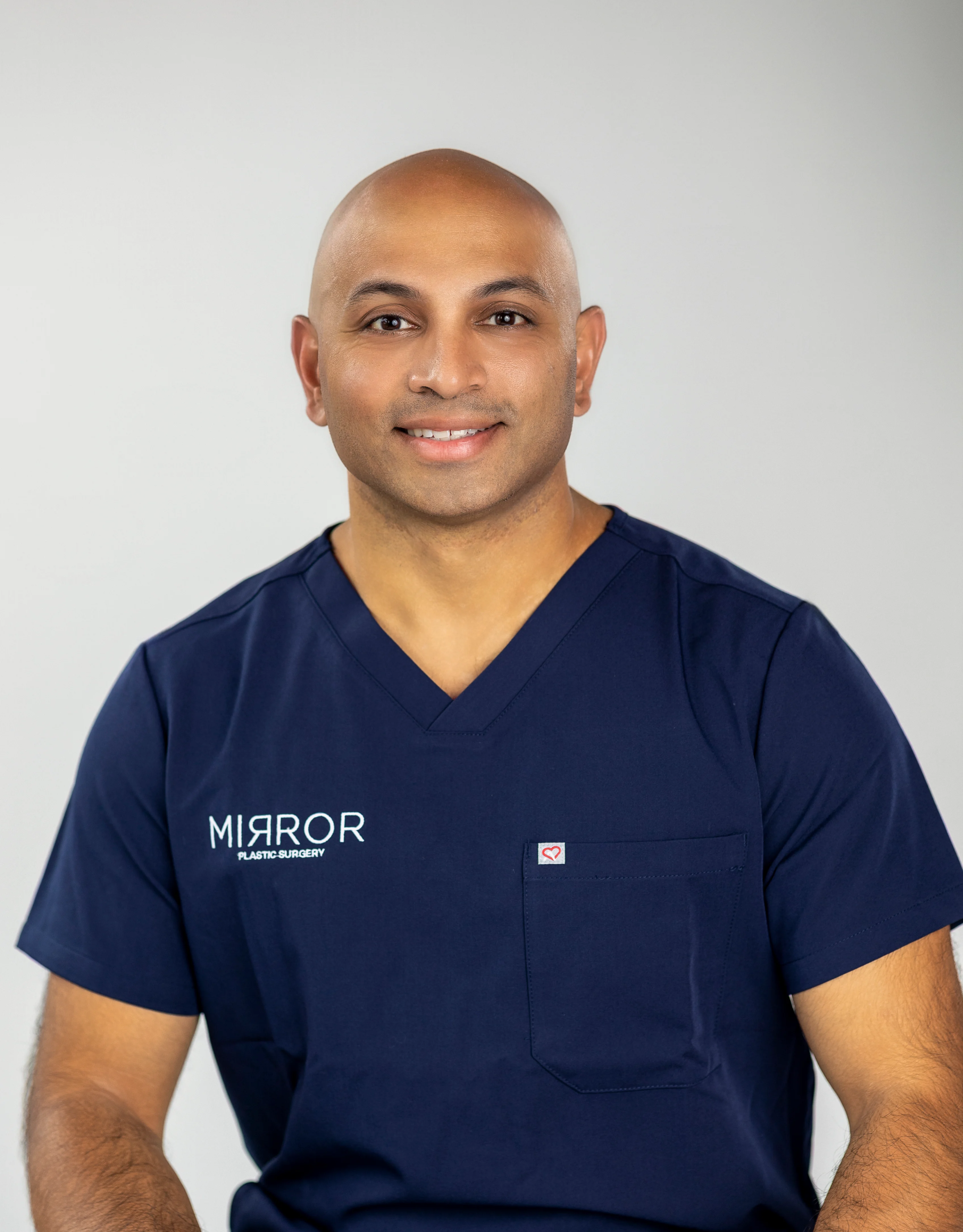
Dr. Akash Chandawarkar, a Harvard-educated, Johns Hopkins-trained plastic surgeon with fellowship training in aesthetic surgery and medical innovation at Stanford, leads peptide therapy at Mirror Plastic Surgery. Every protocol is tailored to each client’s labs and goals, with concierge-level access for questions, support, and refills. Care can occur in person in St. Petersburg, Florida, or remotely across the United States.
Schedule your physician-led peptide consultation to review your options.
Frequently Asked Questions About Peptide Therapy
What Conditions Are Peptides Prescribed For?
Peptides currently hold FDA approval for type 2 diabetes, obesity, osteoporosis, hypoactive sexual desire disorder, and HIV-associated lipodystrophy. Experimental and off-label uses include chronic inflammation, autoimmune conditions such as psoriasis and rheumatoid arthritis, skin aging, post-surgical and injury recovery, anxiety, and fertility support.
Evidence strength varies widely. FDA-approved uses rest on large clinical trials, while many wellness-oriented applications rely on preclinical data and small human studies. A physician can match specific peptides to your health profile and lab results.
How Do You Know If You Need Peptide Therapy?
Peptide therapy functions as a targeted tool for people whose symptoms persist despite standard care and lifestyle changes. Candidates often present with chronic inflammation, autoimmune disease, weight management struggles, visible skin aging, post-surgical recovery needs, or low energy and vitality.
A comprehensive consultation with lab testing clarifies whether peptides fit your situation. At Mirror Plastic Surgery, Dr. Chandawarkar reviews your full medical history, current medications, and lab panels before recommending any protocol, so treatment aligns with your individual physiology.
What Is the Downside of Peptide Therapy?
Downsides fall into three main categories. First, side effects such as gastrointestinal upset, injection-site reactions, headache, and fluid retention, which are usually mild when dosing is appropriate. Second, the experimental nature of many wellness peptides, which often lack large randomized human trials and therefore have a developing evidence base.
Third, sourcing risk from gray-market products, which can introduce contamination, mislabeling, and dosing errors. Medical supervision reduces these risks through pharmacy-grade products, careful titration, and ongoing monitoring.
How Long Should You Stay on Peptides?
Duration depends on the condition, peptide, and individual response. Some protocols last 8–12 weeks for acute recovery, while chronic issues such as autoimmune disease or metabolic health may require longer maintenance.
Benefits typically fade after stopping treatment, similar to other medical or lifestyle interventions. Providers should outline clear goals, monitoring checkpoints, and a reassessment plan. At Mirror Plastic Surgery, protocols are adjusted based on lab trends and clinical progress.
Are Peptides the Same as Steroids?
Anabolic steroids are synthetic testosterone-like compounds that override or replace natural hormone production. Peptides act as signaling molecules that encourage the body to respond, such as stimulating the pituitary to release growth hormone or signaling fibroblasts to make more collagen.
This difference leads to distinct risk profiles, although peptides still carry meaningful risks. Growth hormone–axis peptides, for example, are contraindicated in active cancer and certain endocrine disorders, so medical evaluation remains essential.
Conclusion: Making an Informed Decision About Peptide Therapy
Peptide therapy offers meaningful options for conditions ranging from type 2 diabetes and obesity to experimental applications in inflammation, autoimmune disease, skin aging, and mental health. Evidence strength varies by indication, so physician guidance is crucial for safe and effective use.
Mirror Plastic Surgery provides a personalized, physician-led approach to this complex field. Whether your focus is inflammation, weight management, skin health, or post-surgical recovery, Dr. Chandawarkar can design a protocol that reflects your labs, history, and goals. Arrange a peptide strategy session with the Mirror Plastic Surgery team to explore next steps.
Medical Disclaimer
This article is for educational purposes and does not replace medical advice. Peptide therapies require professional supervision, and many uses remain off-label. Always consult a qualified healthcare provider before starting any peptide protocol.
1 Results may vary from person to person. Editorial content, before and after images, and patient testimonials do not constitute a guarantee of specific results.
Peptide therapy is intended for wellness and optimization purposes and is not prescribed to diagnose, treat, cure, or prevent disease unless specifically stated. Many peptides are not FDA-approved and may be used off-label. Some have limited long-term safety data, with a potential for unknown risks, complications, or desensitization with prolonged use.