
Written by: Dr. Akash Chandawarkar, Board Certified Plastic Surgeon, Mirror Plastic Surgery | Last updated: September 9, 2026
Key Takeaways
- Peptide therapy is largely unregulated, so your provider’s medical credentials and oversight matter more than the peptides themselves.
- Always verify that your provider is a board-certified physician who requires baseline labs and provides ongoing monitoring.
- Insist on batch-specific Certificates of Analysis and transparent sourcing to protect peptide quality and safety.
- Personalized protocols, honest risk discussions, and clear pricing are essential for responsible care.
- From inflammation and autoimmune conditions to weight management and anti-aging, Mirror Plastic Surgery offers advanced peptide therapies. Schedule a consultation with Ellie to explore how our tailored protocols can support your goals.
Question 1: Are You A Licensed Physician And What Are Your Credentials?
Peptides are not FDA-regulated, so the person prescribing them must have the training to assess risks, screen for contraindications, and manage complications. A board-certified physician brings years of physiology and metabolic health expertise that a nurse injector or wellness coach does not.
Board certification from the American Board of Medical Specialties (ABMS), a verifiable state medical license, and relevant training are the baseline credentials to look for. Be cautious with impressive-sounding titles like “Director of Peptide Therapy” that carry no real medical weight. Social media following, podcast appearances, and website testimonials matter far less than verifiable credentials.
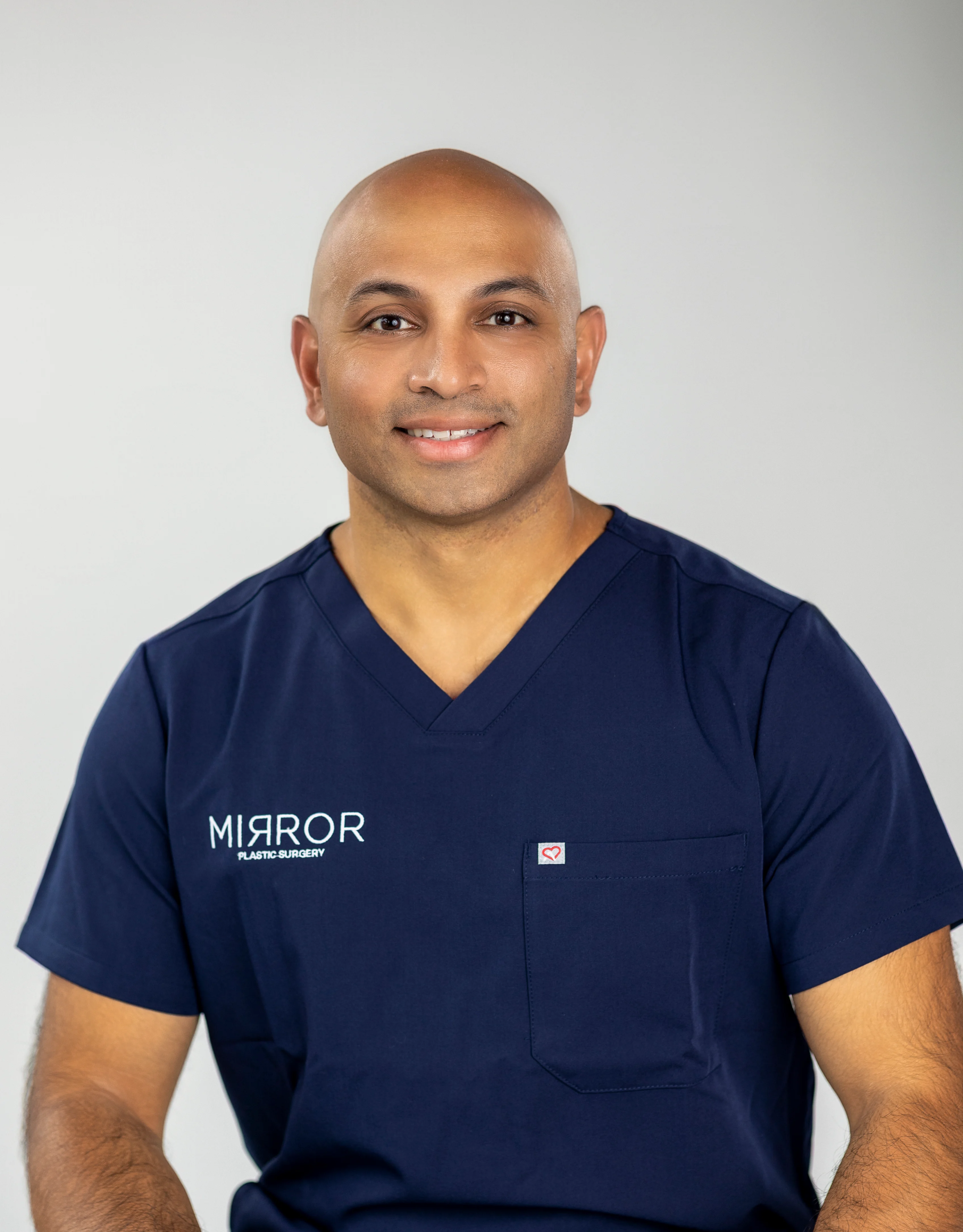
Dr. Akash Chandawarkar is board-certified by the American Board of Plastic Surgery, graduated with Honors from Harvard Medical School, completed a seven-year integrated residency at Johns Hopkins, and holds a Stanford Biodesign Innovation Fellowship. His background bridges clinical medicine with cutting-edge innovation, which is the profile you want overseeing a peptide protocol.
Question 2: Do You Require Lab Testing Before Starting?
Peptides affect hormones, metabolism, and inflammation pathways, so baseline labs are essential. Without them, a provider prescribes blindly. Responsible protocols require comprehensive metabolic panels, hormone panels, and thyroid, liver, and kidney markers before starting, plus follow-up labs at defined intervals, typically 6–8 weeks, to monitor response.
At minimum, clinics should require a comprehensive metabolic panel, CBC, and relevant hormone levels before prescribing. Any provider who skips labs or offers a uniform protocol for everyone signals a red flag.
Dr. Akash conducts comprehensive 30–60 minute consultations and reviews in-depth lab results, including thyroid, liver, kidney, diabetes markers, and hormone panels, before designing any protocol. If labs are not available, he orders them. His approach is personalized medicine grounded in your data.
Question 3: Where Do You Source Your Peptides And How Do You Prove Quality?
FDA inspections of unregulated peptide facilities have found contamination rates exceeding 40% and purity levels as low as 60% of labeled amounts. Injectable peptides can trigger immune reactions, including anaphylaxis, so your provider’s sourcing functions as your safety net.
A legitimate clinic should provide a batch-specific Certificate of Analysis (COA) for each peptide, including identity testing, purity testing such as HPLC, sterility, endotoxin, and potency results. Red flags include vague sourcing, “research use only” language, or an inability to name the compounding pharmacy. A COA without an independent third-party lab name is not meaningful.
Mirror Plastic Surgery meets this standard by sourcing peptides exclusively from reputable providers who undergo rigorous batch testing for quality, purity, and accurate dosage. This level of transparency is a critical safety feature because peptides are not FDA-regulated.
Question 4: How Will You Personalize My Protocol?
Peptide therapy works best when it reflects your specific health history, lab results, symptoms, and goals. Cookie-cutter protocols where every patient receives the same peptides at the same doses are a warning sign. A good provider selects peptides based on specific complaints, lab results, and health history, then adjusts based on response.
A quality provider should explain the specific peptide and the clinical goal, why the peptide fits that goal, and the route, dose, and schedule. They should also outline expected improvements and timeline, how response will be judged, side effects and contraindications, and what happens if it does not work. A trustworthy provider also tells you when you do not need a treatment.
Every Mirror protocol is custom-built around your labs, physiology, and goals. Dr. Akash breaks down the physiology behind each recommendation in relatable terms, so you understand what you are taking and why. He often advises patients to wait on a treatment when it is not necessary yet.
Question 5: What Ongoing Support And Monitoring Do You Provide?
Peptide therapy requires ongoing adjustment. Side effects, dosing changes, and protocol modifications all call for continued physician access. A provider who disappears after handing you a vial leaves you without guidance.
A peptide protocol should have an endpoint, a clear reason to start, a practical way to judge response, and a defined point where the provider adjusts, continues, pauses, or stops the plan. Red flags include no follow-up protocol, no direct contact with the prescribing physician, or a “set it and forget it” approach.
Mirror offers true concierge care with direct 24/7 access to Dr. Akash via text for ongoing support, questions, and refill requests. This support includes detailed instructions for reconstitution and self-administration, often with video demonstrations. Contact Ellie to experience what physician-led concierge peptide care looks like.
Question 6: What Are The Real Risks And How Open Are You About Them?
Many peptides, such as BPC-157, TB-500, and growth hormone secretagogues, have limited human clinical data. A 2025 systematic review synthesized 36 studies on BPC-157 and documented zero completed controlled human efficacy trials. Stanford Medicine experts warn that there is no data on whether many of these peptides actually work or what their toxicity is.
When discussing peptide evidence, providers should clarify whether findings come from animal studies, human case reports, or controlled clinical trials. Presenting preclinical animal data as established human evidence signals that the provider is uninformed or dishonest. Red flags include guaranteed results, dismissal of risks, or pressure tactics.
Dr. Akash’s approach centers on education and honesty. He prioritizes your long-term results over short-term revenue and often explains when a treatment is not right for you yet.
Question 7: What Does The Full Program Cost With No Surprises?
Peptide therapy is almost never covered by insurance. Costs vary based on the peptides prescribed, the pharmacy used, and the level of medical oversight. Legitimate providers stay transparent about pricing, including consultation fees, lab costs, and ongoing peptide costs.
Unusually cheap pricing may reflect inferior compounding, while premium pricing does not automatically indicate superior quality. Be cautious with prices dramatically below market or pressure to buy large bundles before a proper evaluation.
Mirror provides clear pricing discussed during your consultation. You will know exactly what your protocol costs, including peptides, labs, and ongoing support, before you commit.
From inflammation and autoimmune conditions to weight management and anti-aging, Mirror Plastic Surgery offers advanced peptide therapies that address a wide range of health and wellness concerns. Request your peptide consultation with Ellie today to explore how our tailored peptide protocols can help you reach your goals.
Red Flags: 5 Warning Signs You Are Talking To The Wrong Provider
A legitimate provider prioritizes education and honesty and will tell you when you do not need a treatment. The FDA has warned that unapproved peptides “have not been found safe and effective for any condition,” so medical supervision becomes essential. With that in mind, watch for these five warning signs:
- No Physician Oversight, with peptides sold without a prescription or clinical evaluation. Selling peptides without requiring a prescription is the most consistent marker of an unregulated source.
- No Lab Testing, where the provider skips baseline bloodwork entirely before prescribing.
- Vague Sourcing, and an inability or refusal to name the compounding pharmacy or provide a batch-specific Certificate of Analysis. Legitimate clinics are transparent about their supply chain because quality sourcing is a selling point, not a liability.
- Cookie-Cutter Protocols, with the same peptides and doses for every patient regardless of labs or history.
- Pushy Sales Tactics, including urgency, guarantees, or pressure to buy large bundles before a proper evaluation. Any clinic promising specific weight loss or muscle gain numbers is overclaiming, and guarantees signal marketing over medicine.
A 2026 study found that when adults were asked to correctly dissolve, draw up, and inject a peptide into a mannequin, both younger and older participants completed fewer than half of the steps correctly on average, even after using internet or AI research. These findings show why unsupervised self-administration cannot replace physician-led care.
Frequently Asked Questions
Are Peptides FDA-Approved?
Many peptides are not FDA-regulated, yet they are used extensively worldwide, with clinical research spanning over a decade. The FDA has approved more than 100 peptide-based therapeutics, including insulin and GLP-1 medications, based on large-scale human clinical trials. The main risk involves obtaining peptides from unregulated sources where quality, purity, and dosing cannot be verified. At Mirror Plastic Surgery, we offer in-depth consultations, source from providers with known quality and batch testing, and medically support patients before, during, and after therapy.
What Are The Risks Of Using Peptides Without Supervision?
The primary risk of obtaining peptides without supervision is the absence of quality control, so you cannot know what is in the product, and no clinician determines proper dosing or screens for contraindications. This situation can result in no therapeutic response due to low active-ingredient content or serious adverse events from taking peptides without proper screening for pre-existing conditions and current medications. Stanford Medicine researchers have noted that some peptides, when used over weeks or months in animal studies, have been associated with cancer, organ damage, or neurotoxicity. Medical supervision helps ensure you receive quality products, appropriate dosing, and a protocol suited to your individual health profile.
Can Peptides Help With Weight Loss?
GLP-1 and newer-generation peptides like GLP-3R have shown significant potential for weight management. GLP-1 receptor agonists rest on large randomized controlled trials and have been used to treat type 2 diabetes for over 20 years. Results vary by individual, and protocols should be tailored to your labs, medical history, and goals.1 Mirror Plastic Surgery offers comprehensive weight management programs that may include peptide therapy alongside nutritional and lifestyle guidance, all overseen by Dr. Akash Chandawarkar.
How Long Until I See Results?
Timelines vary by peptide and condition. Some clients report initial improvements within the first week, while others require 4–8 weeks for noticeable changes.1 Your provider should define expected timelines and how response will be measured during your consultation. A responsible protocol includes defined follow-up intervals, typically 6–8 weeks into a protocol, to assess response and make any necessary adjustments.
What Happens If I Stop Taking Peptides?
If you stop taking peptides, the effects will likely diminish over time, similar to stopping any health regimen.1 For example, if inflammation was being managed through a peptide protocol, it may return to its prior state once the protocol ends.1 Continued use through a maintenance protocol is often necessary to sustain the benefits achieved. Dr. Akash will discuss realistic expectations for your specific protocol, including what a maintenance phase looks like, during your consultation.
Conclusion: Choose Physician-Led Peptide Care In Tampa Bay
Peptide therapy offers meaningful potential for addressing inflammation, weight management, anti-aging, and recovery when it is medically supervised, lab-guided, and sourced from quality compounding pharmacies. The seven questions above give you a clear framework for evaluating any provider in Tampa Bay.
Mirror Plastic Surgery meets every criterion, with board-certified physician leadership, comprehensive lab analysis, quality-sourced peptides with batch testing, personalized protocols, and true concierge support. Dr. Akash Chandawarkar brings the elite training described earlier to every consultation.
Request your peptide consultation with Ellie today and work with a team that puts your safety first.
Phone: 727-361-6515 | Email: hello@mirrorplasticsurgery.com | 780 4th Ave S, St. Petersburg, FL 33701 | Instagram: @mirrorplasticsurgery | @dr.akashplasticsurgery
Disclaimer: Results may vary from person to person. Editorial content, before and after images, and patient testimonials do not constitute a guarantee of specific results.
Disclaimer: Peptide therapy is intended for wellness and optimization purposes and is not prescribed to diagnose, treat, cure, or prevent disease unless specifically stated. Many peptides are not FDA-approved and may be used off-label. Some have limited long-term safety data, with a potential for unknown risks, complications, or desensitization with prolonged use.
1 Results may vary from person to person. Editorial content, before and after images, and patient testimonials do not constitute a guarantee of specific results.
Peptide therapy is intended for wellness and optimization purposes and is not prescribed to diagnose, treat, cure, or prevent disease unless specifically stated. Many peptides are not FDA-approved and may be used off-label. Some have limited long-term safety data, with a potential for unknown risks, complications, or desensitization with prolonged use.