
Written by: Dr. Akash Chandawarkar, Board Certified Plastic Surgeon, Mirror Plastic Surgery | Last updated: September 9, 2026
Key Takeaways
- Semaglutide alternatives include FDA-approved medications like tirzepatide and liraglutide, plus oral options such as Qsymia and Contrave, each with distinct efficacy and side-effect profiles.
- Compounded GLP-1 products carry higher safety risks, including increased odds of hospitalization and preparation errors, so physician-led oversight is essential.
- Natural supplements marketed as semaglutide alternatives produce only modest weight loss of 2–4 lbs and do not match the 15–20% results seen with GLP-1 medications.
- Choosing the right alternative requires evaluating health history, side-effect tolerance, FDA approval status, provider qualifications, and long-term maintenance planning.
- For personalized, evidence-based weight-loss protocols under board-certified physician supervision, schedule a consultation at Mirror Plastic Surgery.
Top Alternatives At A Glance
The table below compares leading FDA-approved alternatives on efficacy and key safety considerations so you can quickly see how they stack up against semaglutide.
Why Patients Look For A Semaglutide Alternative
Semaglutide mimics GLP-1, a hormone that suppresses appetite and slows gastric emptying. At the 2.4 mg weekly dose, STEP trial data show approximately 15% average body-weight reduction over 68 weeks.1 Even with that level of weight loss, many patients still explore alternatives.
Common side effects are GI-related, including nausea, constipation, and vomiting. These symptoms often improve after four to eight weeks, yet some patients cannot tolerate them. Beyond tolerability, other factors such as muscle loss, out-of-pocket cost, and inadequate individual response also drive patients to look for alternatives.
Whatever the reason, a qualified medical professional should always evaluate alternatives. Self-prescribing or sourcing medications without supervision increases risk. If you and your doctor decide an alternative is appropriate, the next step is understanding which FDA-approved options have the strongest evidence.
Discuss Your Weight-Loss Options With Mirror Plastic Surgery
FDA-Approved Alternatives To Semaglutide: What The Evidence Shows
Tirzepatide (Zepbound/Mounjaro) is the most extensively studied semaglutide alternative for weight loss. Its dual GIP and GLP-1 receptor agonism activates complementary pathways that regulate appetite and energy balance. A systematic review and meta-analysis in Clinical Obesity (August 2026) analyzing 10 studies with 41,381 participants found tirzepatide produced a significantly greater percentage weight reduction than semaglutide, with a mean difference of -4.28 percentage points (95% CI -5.28 to -3.28, p < 0.00001).1 In the SURMOUNT-5 head-to-head trial, tirzepatide produced a mean weight reduction of 20.2% at 72 weeks versus 13.7% for semaglutide among adults with overweight or obesity without diabetes.1 The same analysis found a higher risk of serious adverse events with tirzepatide compared with semaglutide (RR 1.83, 95% CI 1.18–2.85, p = 0.007).
Liraglutide (Saxenda) is a daily GLP-1 injection FDA-approved for chronic weight management in adults and adolescents ages 12 and older. It produces less average weight loss than semaglutide but remains an evidence-based option, especially for patients who have not responded to oral medications. Its GI side-effect profile is similar to semaglutide.
Qsymia (phentermine/topiramate) is an oral once-daily combination pill. The CONQUER trial showed mean weight loss of approximately 9.8% at one year.1 It is contraindicated in patients with glaucoma, hyperthyroidism, or recent MAOI use. Common side effects include insomnia, dry mouth, and tingling sensations.
Contrave (naltrexone/bupropion) combines two repurposed oral medications to reduce hunger. The COR-I trial showed approximately 6.1% mean weight loss at one year.1 It is contraindicated in patients with uncontrolled high blood pressure, seizures, or eating disorders such as anorexia or bulimia.
Orlistat (Xenical/Alli) is a lipase inhibitor that blocks approximately 30% of dietary fat absorption and produces modest but clinically meaningful weight loss of around 3–5% more than placebo over 12 months, supported by Cochrane systematic review evidence.1 A lower-dose OTC version (Alli) is available without a prescription.
Newer oral options are expanding non-injection choices. The FDA approved Eli Lilly’s Foundayo (orforglipron) on April 1, 2026, the first oral GLP-1 small molecule for weight management, with patients on the highest dose losing an average of 27.3 pounds (12.4% of body weight) over 72 weeks versus 2.2 pounds on placebo.1 An oral tablet form of Wegovy (semaglutide) also received FDA approval, offering a needle-free semaglutide option for eligible patients. While these FDA-approved options are well studied, some medical spas promote compounded versions as cheaper alternatives, which raises important safety questions.
Safety Of Compounded Semaglutide Alternatives
Some medical spas offer compounded GLP-1 products as lower-cost alternatives to brand-name medications, yet safety data on these products requires close attention. A 2026 pharmacovigilance study by McCall et al. analyzing the FDA Adverse Event Reporting System (FAERS) from 2018 to 2024 found that compounded GLP-1 receptor agonists had higher odds of hospitalization (reporting odds ratio 2.35, 95% CI 1.94–2.83) compared to non-compounded formulations. The same analysis reported significantly higher odds for preparation errors (48.92), contamination (19.00), and compounding or manufacturing issues (8.51) compared to non-compounded products.
The FDA does not approve compounded drugs for safety or efficacy and has cited risks including dosing errors, counterfeit or fraudulent compounded GLP-1 products, and poor shipping and temperature control. Newer peptides such as GLP-3R are under investigation as next-generation options with potentially fewer GI side effects and broader metabolic indications, yet they are not FDA-approved.
At Mirror Plastic Surgery, any peptide therapy, including GLP-3R compounding, is physician-led by Dr. Akash Chandawarkar. Care includes in-depth lab analysis, quality-sourced products with batch testing, and ongoing medical supervision throughout the protocol.
Natural Alternatives To Semaglutide And Their Limits
Lifestyle changes and supplements are often promoted as natural semaglutide alternatives, yet current evidence supports only modest effects. The NIH Office of Dietary Supplements notes there is “little scientific evidence” that over-the-counter weight-loss supplements help people lose meaningful amounts of weight. Berberine, widely marketed as “nature’s Ozempic,” produces only modest weight loss of 2–4 lbs in clinical trials, primarily through blood sugar regulation rather than appetite suppression.1
A 2026 mini-review in Frontiers in Nutrition found that diet and detox teas marketed for weight loss offer minimal demonstrated benefit and may pose meaningful health risks, including electrolyte disturbances, cardiovascular events, and liver injury. “Natural” products still carry risks: green tea extract has been associated with liver damage, and yohimbe has been linked to hypertension, tachycardia, and cardiac events at higher doses. None of these approaches match the 15–20% weight loss produced by GLP-1 medications in clinical trials.
How To Choose The Right Semaglutide Alternative
The American College of Physicians’ 2026 living guideline recommends semaglutide and tirzepatide as first-line pharmacologic options and emphasizes shared decision-making based on benefits, harms, costs, and patient preferences. A structured evaluation with a qualified provider helps match you with the safest and most effective option.
- Assess Health History And Comorbidities. Conditions such as type 2 diabetes, cardiovascular disease, or obstructive sleep apnea may favor specific medications. For example, tirzepatide is also FDA-approved for moderate-to-severe OSA in adults with obesity.
- Consider Side-Effect Tolerance And Lifestyle. Patients who cannot tolerate injections may prefer oral options like Qsymia, Contrave, or the newer Foundayo. Daily versus weekly dosing also affects adherence.
- Review FDA Approval Status And Clinical Evidence. Medications with robust Phase 3 trial data and established safety profiles should take priority over compounded or unregulated alternatives.
- Evaluate Provider Qualifications And Supervision. A board-certified physician leading the protocol, supported by lab panels and ongoing monitoring, meaningfully reduces risk.
- Discuss Cost, Insurance Coverage, And Long-Term Maintenance. Insurance coverage for weight management medications is variable and plan-dependent, so patients should confirm coverage directly with their insurer.
Get A Personalized Weight-Loss Plan From Dr. Akash
Questions To Ask Your Medical Spa Provider Before Treatment
Not all medical spa weight-loss programs offer the same standard of care. Before committing to any protocol, ask your prospective provider the following questions.
- Are you a licensed medical professional (MD, DO, NP, or PA)?
- Is this medication FDA-approved for weight loss?
- What are the potential side effects and contraindications for my specific health profile?
- How will you monitor my progress, including labs and follow-up appointments?
- Do you use compounded medications, and if so, from which registered pharmacy, and is batch testing performed?
- What is the total cost, including consultations, labs, and follow-ups?
- What is the maintenance or tapering plan if I stop treatment?
Red-flag programs include those with no prescriber consultation, refusal to name their pharmacy, guaranteed results without screening, and prices dramatically below market. A legitimate program begins with a thorough medical evaluation.
Why Mirror Plastic Surgery Stands Out For Medically Supervised Care
Mirror Plastic Surgery is led by Dr. Akash Chandawarkar, MD, a board-certified plastic surgeon educated at MIT and Harvard Medical School, residency-trained at Johns Hopkins University, and a Stanford University Biodesign Innovation Fellow. His background bridges advanced clinical medicine and medical innovation. This gives him a uniquely rigorous perspective on both the wellness goals patients want to achieve and the clinical science required to get there safely.
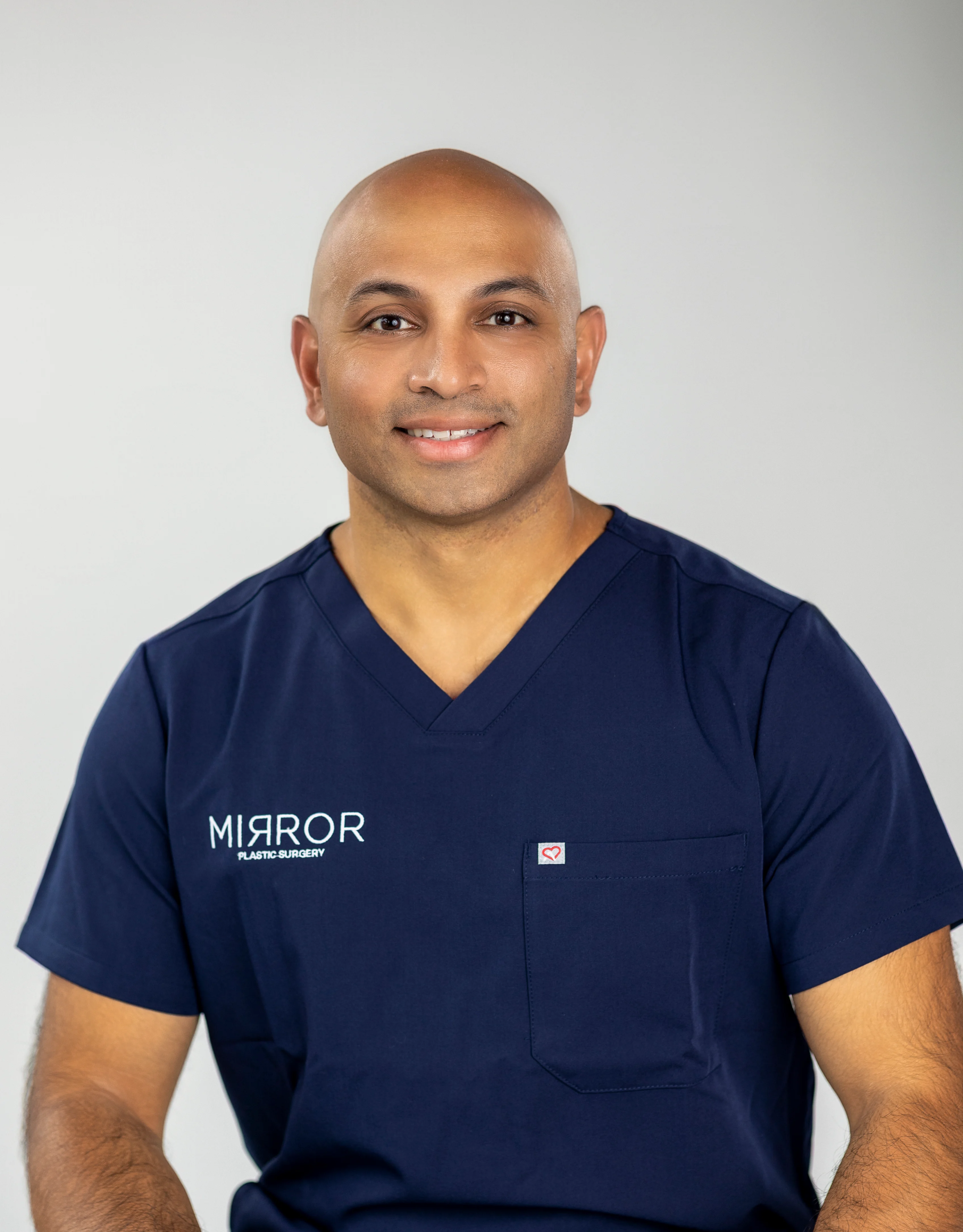
The practice follows a concierge medicine philosophy. Consultations run up to an hour, protocols are built around each patient’s lab results and physiology, and Dr. Akash is available via text or telemedicine around the clock. Peptides are sourced from reputable providers with batch testing. This safeguard is critical, given the quality-control risks documented in the compounded GLP-1 literature.
The range of peptide therapies extends well beyond weight management to address inflammation, anti-aging, post-surgical recovery, and more. Every protocol is medically supervised from start to finish. For patients exploring a GLP-1 alternative such as GLP-3R compounding, a newer-generation peptide reported to carry fewer GI side effects and broader metabolic indications, Dr. Akash designs the protocol around individual labs and monitors outcomes throughout.
Explore Tailored Peptide Protocols At Mirror Plastic Surgery
Frequently Asked Questions
What Is A Good Substitute For Semaglutide?
Tirzepatide (Zepbound) is the most clinically studied substitute and has demonstrated greater average weight loss than semaglutide in head-to-head trials. It carries a higher rate of serious adverse events, so the decision requires a thorough medical evaluation. For patients who prefer to avoid injections entirely, oral options like Qsymia (phentermine/topiramate) or Contrave (naltrexone/bupropion) offer FDA-approved alternatives with meaningful, though more modest, weight-loss data. Newer oral GLP-1 options, including Foundayo (orforglipron) and the Wegovy tablet approved in 2026, expand non-injection choices further. The right substitute depends on your health history, comorbidities, side-effect tolerance, and goals, so physician-led evaluation is essential.
Can Med Spas Still Offer Semaglutide?
Med spas can offer semaglutide only through a licensed prescriber, such as an MD, DO, NP, or PA, who evaluates the patient and writes a valid prescription. Compounded versions face increasing regulatory scrutiny. The FDA has proposed removing semaglutide and tirzepatide from the 503B bulk compounding list and has issued warning letters to non-compliant facilities, although the proposal was not yet finalized as of mid-2026. 503A pharmacies can still legally compound semaglutide for individual patients with valid prescriptions.
Always verify that your provider is a licensed medical professional, that the compounding pharmacy is a registered 503A facility, and that the product undergoes batch testing for purity and potency. Any program that cannot answer these questions transparently is a compliance red flag.
Are Natural Alternatives To Ozempic Effective?
Natural alternatives provide modest benefits at best and do not match GLP-1 efficacy. Berberine, the most studied supplement marketed as a natural Ozempic alternative, produces small amounts of weight loss in clinical trials, primarily through blood sugar regulation. Glucomannan fiber shows roughly 0.8–1.8 lbs of weight loss versus placebo in systematic reviews.1 Green tea extract and caffeine combinations modestly increase energy expenditure by 80–100 calories per day.1 These effects are statistically real but clinically small compared with the substantial weight loss seen with GLP-1 medications.
Natural supplements also carry risks. Green tea extract at high doses has been linked to liver injury, berberine inhibits multiple CYP enzymes, creating drug interactions, and some OTC products have been found to contain undeclared pharmaceutical ingredients. Lifestyle interventions such as high-protein diets, resistance training, adequate sleep, and time-restricted eating offer the most consistent and safest natural support for weight management. These approaches work best as complements to medically supervised treatment in patients with clinical obesity.
How Does Mirror Plastic Surgery’s Approach Differ From A Standard Med Spa?
A 2024 study of 63 Las Vegas medical spas found that 73% of injection treatments were performed by non-physicians, with many spas lacking on-site physicians. That pattern reflects a volume-based model with limited physician involvement in that sample. Mirror Plastic Surgery takes a different approach.
Dr. Akash Chandawarkar personally leads every peptide therapy consultation, spending up to an hour reviewing medical history, ordering or interpreting comprehensive lab panels (thyroid, liver, kidney, diabetes markers, hormone panels), and designing a custom protocol around each patient’s physiology. Peptides are sourced from providers with rigorous batch testing, and patients have direct 24/7 access to Dr. Akash via text for ongoing questions, dose adjustments, and refill requests. The practice limits itself to one to two procedures per day to ensure that no patient’s care feels rushed or deprioritized, reflecting a true concierge standard.
What Happens If I Stop Taking A Weight-Loss Medication?
Weight regain is a well-documented outcome after discontinuing GLP-1 medications and most other weight-loss pharmacotherapy. Appetite returns, metabolic adaptations reverse, and patients who stop without a maintenance plan often regain a significant portion of lost weight within months. Weight regain after stopping reflects a biological response rather than a personal shortcoming. Obesity is a chronic, relapsing disease, and the ACP’s 2026 living guideline frames it that way.
A responsible provider discusses a long-term maintenance strategy before initiating treatment. That plan may include a lower maintenance dose, a different medication, or a structured lifestyle protocol to sustain results after the active weight-loss phase. At Mirror Plastic Surgery, the conversation about what happens after the initial protocol is part of the initial consultation, rather than something deferred.
Disclaimer: This article is for educational purposes only and does not constitute medical advice. Consult a qualified healthcare provider to determine the best treatment approach for your individual health profile and goals.
1 Results may vary from person to person. Editorial content, before and after images, and patient testimonials do not constitute a guarantee of specific results.
Peptide therapy is intended for wellness and optimization purposes and is not prescribed to diagnose, treat, cure, or prevent disease unless specifically stated. Many peptides are not FDA-approved and may be used off-label. Some have limited long-term safety data, with a potential for unknown risks, complications, or desensitization with prolonged use.