
Written by: Dr. Akash Chandawarkar, Board Certified Plastic Surgeon, Mirror Plastic Surgery | Last updated: September 9, 2026
Executive Summary: How Collagen Peptides Fit Into Anti-Aging Care
The research on oral collagen peptides tells a more nuanced story than most supplement marketing. Some trials show measurable improvements in skin hydration and elasticity, while rigorous independent meta-analyses raise concerns about true efficacy, funding bias, and study quality.1 This report shares a board-certified plastic surgeon’s critical review of that evidence, drawing on the 2025 meta-analysis in The American Journal Of Medicine, the 2026 Batool et al. meta-analysis in the Journal Of Cosmetic Dermatology, and randomized controlled trials through 2026. You will see where collagen can help, where it falls short, and how it compares with proven anti-aging strategies like sunscreen and retinoids.
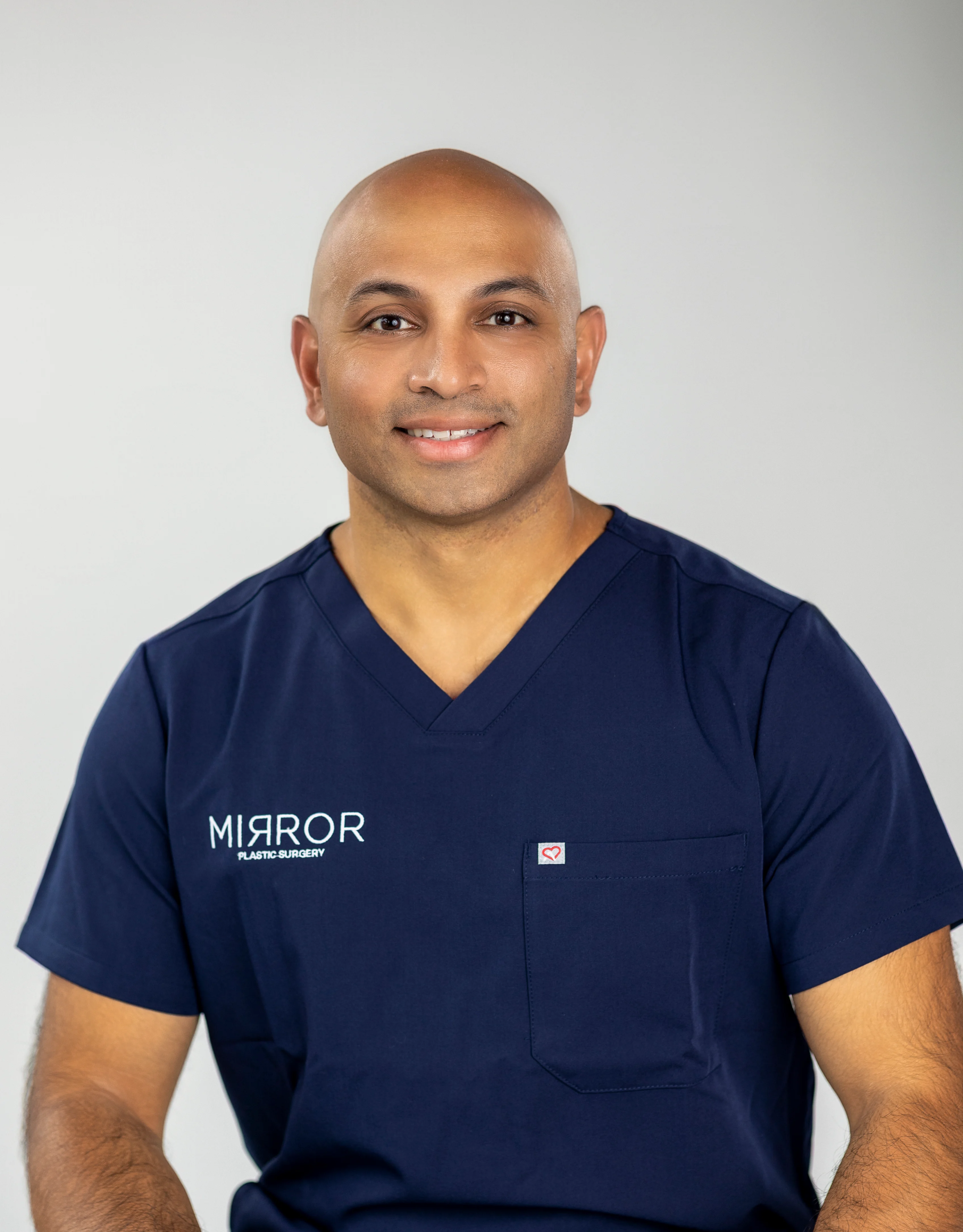
Meet The Expert: Dr. Akash Chandawarkar
Dr. Akash Chandawarkar is a board-certified plastic surgeon (American Board of Plastic Surgery) and founder of Mirror Plastic Surgery in St. Petersburg, FL. He graduated with Honors from Harvard Medical School through the Harvard-MIT Division of Health Sciences and Technology and completed a seven-year integrated plastic surgery residency at Johns Hopkins. He also holds a Stanford University Biodesign Innovation Fellowship. His evidence-based, patient-centered approach to peptide therapy connects advanced clinical medicine with practical innovation.
Schedule a collagen and peptide consultation to meet with Dr. Chandawarkar.
Reading Collagen Research With A Critical Eye
Collagen research is highly vulnerable to funding bias. A 2007 meta-analysis in PLOS Medicine found that industry-sponsored nutrition research was four to eight times more likely to report favorable results than independent studies. This background helps explain why online claims often sound more enthusiastic than the underlying data.
Under the Dietary Supplement Health and Education Act (DSHEA) of 1994, the FDA does not approve dietary supplements before they are marketed and does not test them before they reach consumers. Quality and purity therefore vary widely between products, and no premarket verification of collagen peptide supplements occurs at the agency level. For consumers, independent verification of identity, potency, and contaminant screening is the key quality signal, rather than a vague “third-party tested” label.
Clinical Evidence From 2025–2026
The 2025 Meta-Analysis: A Strong Note Of Caution
The most significant recent development is the May 2025 meta-analysis by Myung et al. in The American Journal Of Medicine, which analyzed 23 randomized controlled trials involving 1,474 participants. When the authors excluded industry-funded studies, collagen supplements showed no significant benefit for skin hydration, elasticity, or wrinkles. They concluded that “there is currently no clinical evidence to support the use of collagen supplements to prevent or treat skin aging.” High-quality studies showed no benefit, while lower-quality studies showed significant improvement, a pattern consistent with funding bias. The Collagen Stewardship Alliance, an industry group representing collagen manufacturers, responded by questioning the funding classifications and defending the quality of industry-funded research.
The 2026 Meta-Analysis: Modest Benefits, Clear Limits
A 2026 systematic review and meta-analysis in the Journal Of Cosmetic Dermatology (Batool et al.) analyzed 35 randomized controlled trials with 2,534 participants and reached more nuanced conclusions. Oral collagen peptide supplementation improved skin hydration and elasticity in a time-dependent manner.1 Hydration benefits were most apparent at week 4, while elasticity benefits emerged at week 12.1 The investigators wrote that oral collagen most reliably improved skin hydration and barrier function, with elasticity gains appearing primarily at 12 weeks. Structural outcomes such as wrinkle reduction and dermal densification did not show robust effects after sensitivity analysis, and apparent benefits likely reflected statistical artifacts rather than true treatment effects. Duration of use predicted outcomes more strongly than dosage, age, or baseline status.
Recent Trials: Signals And Limitations
- The 12-week HYCOS randomized, double-blind, placebo-controlled trial in 135 healthy Thai adults tested 5,000 mg collagen peptides plus glutathione and vitamin E. The active group showed significant improvements in skin elasticity and crow’s feet wrinkle roughness compared with placebo.1 Skin hydration increased in both groups, suggesting behavior changes may influence this outcome.
- A 2026 randomized controlled trial of 75 adults found that a liposomal collagen tripeptide formulation significantly improved skin hydration, elasticity, and wrinkle area over 8 weeks compared with placebo.1 The non-liposomal version produced less consistent results, which points to the importance of formulation.
- A 2026 prospective observational study of 29 women using a multi-component fish collagen product (12,000 mg/day) reported a 44% reduction in under-eye fine wrinkle area by day 90.1 This study lacked a control group and used a combination product, and the authors noted that the multi-ingredient design prevents clear attribution to collagen alone.
Summary Of What The Evidence Supports
- Collagen peptides can modestly improve skin hydration and elasticity when used consistently for at least 8–12 weeks.1
- Evidence for wrinkle reduction and deeper structural changes remains weak and may reflect bias or statistical noise.
- Industry-funded studies report more favorable outcomes than independent research.
- Higher doses did not correlate with better hydration or roughness outcomes (both P > .05).
- Consistency over several months matters more than dose or timing.
Realistic Expectations For Collagen Peptides
Effect On Wrinkles Collagen peptides do not erase wrinkles. The most rigorous independent analysis found no significant effect on wrinkles after controlling for study quality. Some trials suggest modest reductions in wrinkle depth and roughness with steady use, which aligns with a supportive rather than transformative role.1
Timeline For Visible Changes Clinical trials that show benefits typically run 8–12 weeks, with results following the timing described earlier. If you do not notice changes after about three months of daily use, current evidence suggests further use is unlikely to create meaningful improvement.
Early Signs Of Response Improved skin hydration and a smoother feel to the skin are usually the first reported changes.1 Elasticity improvements tend to appear later, if they occur.
Age And Collagen Use Collagen peptides can be considered at many ages, but expectations should remain realistic. Skin collagen production declines about 1–1.5% per year starting in the mid-20s, and women may lose up to 30% of skin collagen in the five years around menopause. Earlier use may act more as prevention, while later use is less likely to restore lost structure.
Downsides And Tradeoffs The main downsides include cost, the need for ongoing use to maintain any benefits, and the risk of low-quality products in an unregulated market. Collagen peptides should complement proven strategies such as sunscreen and retinoids rather than stand in for them.
Collagen Peptides Compared With Proven Anti-Aging Tools
Sunscreen: Daily Protection With Strong Evidence
Ultraviolet radiation is the leading environmental driver of skin aging. A randomized controlled trial of 903 Australian adults found a 24% decrease in skin aging after four years of daily sunscreen use compared with discretionary use.1 A Brazilian trial showed that twice-daily SPF 60 use reduced wrinkle development by 30–50% over one year.1 No oral supplement currently matches this level of evidence.
Topical Retinoids: Direct Collagen Stimulation
Topical retinoids, especially prescription tretinoin, remain the most studied active ingredient for skin aging. A 2025 meta-analysis of 8 randomized controlled trials involving 1,361 patients found that tretinoin (0.025–0.1%) significantly improved both fine and coarse wrinkles over 3–24 months by inhibiting AP-1, reducing matrix metalloproteinases, and stimulating type I procollagen synthesis.1 A 2026 narrative review by Tsai and Kang of Johns Hopkins University School of Medicine in Annals Of Dermatology confirmed topical retinoids as first-line treatment for photoaging.
How Collagen Peptides Fit Into A Routine
Collagen peptides work best as a supportive strategy alongside sunscreen and retinoids. The evidence for oral collagen is weaker than for these established interventions, but the 2026 meta-analysis supports modest benefits for hydration and elasticity.1 For patients already committed to sun protection and evidence-based topicals, a high-quality collagen supplement may offer incremental gains, while sunscreen and retinoids remain the core of any anti-aging plan.1
Dosage, Product Quality, And Safety
Typical Doses And Duration
Clinical studies use daily collagen doses from 500 mg to 10 g, with treatment periods from 4 to 16 weeks. The 2026 meta-analysis found no clear dose–response relationship. Higher doses did not consistently produce better outcomes. Regular daily use over at least 8–12 weeks matters more than the exact dose, and current data do not show a difference between morning and evening dosing.
Choosing A Reliable Collagen Supplement
Because the FDA does not test or approve dietary supplements before sale, consumers must evaluate quality themselves. Look for hydrolyzed collagen peptides, which are easier for the body to absorb. Seek third-party certifications such as NSF or USP and brands that share clear sourcing and testing information. Avoid products from unknown online sellers that provide no verifiable quality controls.
Safety Profile And Who Should Be Cautious
Collagen peptides have a strong safety record in clinical studies. Common side effects are mild and include bloating, a sense of fullness, and occasional loose stool at higher doses. Some groups should take extra care:
- People with fish or shellfish allergies should avoid marine-sourced collagen.
- Those with phenylketonuria (PKU) should avoid collagen, which contains phenylalanine.
- Protein loads, including 5–10 g/day of hydrolyzed collagen, can reduce levothyroxine absorption when taken together, so doses should be separated by at least four hours.
- People with chronic kidney disease or on dialysis should discuss any high-protein supplement with their renal team.
- Pregnant or breastfeeding women should consult their physician before use.
Why Medical Supervision Improves Outcomes
Over-the-counter collagen products vary widely in quality, and unsupervised use often fails to match marketing promises. Medical supervision adds structure, safety, and realistic expectations.
- Personalized Assessment: A detailed evaluation and lab work help determine whether collagen fits your health profile and goals.
- Quality Assurance: Medically supervised protocols use vetted peptide sources with rigorous batch testing, which reduces the risk of contaminated or mislabeled products.
- Coordinated Protocols: A physician can design a full anti-aging plan that combines topical treatments with systemic approaches that address collagen production, inflammation, and overall cellular health.
- Ongoing Safety Monitoring: Regular follow-up supports appropriate dosing and early recognition of side effects.
Personalized Peptide Therapy At Mirror Plastic Surgery
Mirror Plastic Surgery offers concierge-level peptide consultations led by Dr. Akash Chandawarkar. Protocols are tailored to each patient’s labs, medical history, and physiology, with medical supervision throughout. For patients targeting skin aging from within, Dr. Chandawarkar may recommend the Glow Stack, a combination of GHK-CU (copper peptide), BPC-157, and TB500 that supports collagen and elastin production while addressing systemic inflammation. GHK-CU in particular has shown potential for improving skin, hair, and nail health.
Every protocol begins with a 30–60 minute consultation that reviews your health background, goals, and relevant lab results. Patients receive direct access to Dr. Chandawarkar for ongoing support, clear instructions for self-administration, and continuous monitoring. Care can be delivered in person in St. Petersburg, FL, or remotely across the United States.
Mirror Plastic Surgery treats a wide range of concerns, including inflammation, autoimmune conditions, weight management, and anti-aging. Request a personalized peptide therapy consult to explore how a tailored protocol could support your goals.
Frequently Asked Questions
Do Collagen Peptides Really Work For Anti-Aging?
The evidence remains mixed. A 2026 meta-analysis of 35 randomized controlled trials found modest improvements in skin hydration and elasticity with consistent use over several months.1 The 2025 meta-analysis in The American Journal Of Medicine found that, after excluding industry-funded studies, collagen supplements did not significantly improve skin aging outcomes. Collagen peptides may offer modest benefits for some people, especially for hydration and elasticity, but they do not replace sunscreen and retinoids as the foundation of an anti-aging regimen.
What Is The Downside To Taking Collagen Peptides?
Main drawbacks include cost, the need for continuous use to maintain any benefits, and large differences in product quality. Because the FDA does not test dietary supplements before they reach the market, some products may not match their labels. Independent research also suggests that benefits can be small or absent for structural outcomes such as wrinkle reduction. Mild gastrointestinal side effects like bloating and fullness may occur at higher doses.
Can Collagen Peptides Interact With Medications?
No clinically significant drug interactions have been documented for collagen peptides themselves. High-protein supplements can reduce levothyroxine absorption when taken at the same time, so separating doses by at least four hours is recommended. People taking anticoagulants should discuss any new supplement with their physician because of limited data in complex regimens. Always consult your prescribing clinician before starting collagen if you use prescription medications.
How Long Should I Take Collagen Peptides Before Deciding?
Most trials that report benefits run 8–12 weeks and follow the timing of effects described earlier. If you have taken collagen daily for about three months without noticing changes, current evidence suggests that further use is unlikely to create meaningful improvement. Consistent daily intake predicts outcomes more strongly than dose, timing, or collagen source.
Are Collagen Peptides Safe For Everyone?
Collagen peptides appear safe for most adults. Trials using up to 10 g/day for several months reported no serious adverse events. People with fish or shellfish allergies should avoid marine collagen, those with PKU should avoid collagen entirely, and pregnant or nursing women should seek medical guidance. Individuals with chronic kidney disease should review any protein supplement with their nephrology team.
Key Takeaways On Collagen And Anti-Aging
- Collagen peptides can modestly support skin hydration and elasticity, while high-quality evidence for wrinkle reduction and structural change remains limited.
- The 2025 Myung et al. meta-analysis highlighted significant funding bias, with industry-funded studies reporting more favorable results.
- Sunscreen and topical retinoids still provide the strongest, most consistent anti-aging benefits.
- Consistent use over several months matters more than dose, and product quality varies widely because of limited FDA oversight.
- Mirror Plastic Surgery offers medically supervised, personalized peptide therapy for patients who want a structured, evidence-informed approach to anti-aging.
Schedule your consultation with Mirror Plastic Surgery to discuss whether peptide therapy fits your goals.
Contact Mirror Plastic Surgery
Mirror Plastic Surgery is located in the St. Petersburg/Tampa area and offers consultations in person or remotely across the United States.
- Address: 780 4th Ave S, St. Petersburg, FL 33701
- Phone: 727-361-6515
- Email: hello@mirrorplasticsurgery.com
- Instagram: @mirrorplasticsurgery
Disclaimer
This article is for informational purposes only and does not constitute medical advice. Results vary from person to person. Peptide therapies are not FDA-regulated and should be used under medical supervision. Consult a qualified healthcare provider before starting any supplement or treatment.
1 Results may vary from person to person. Editorial content, before and after images, and patient testimonials do not constitute a guarantee of specific results.
Peptide therapy is intended for wellness and optimization purposes and is not prescribed to diagnose, treat, cure, or prevent disease unless specifically stated. Many peptides are not FDA-approved and may be used off-label. Some have limited long-term safety data, with a potential for unknown risks, complications, or desensitization with prolonged use.