
Written by: Dr. Akash Chandawarkar, Board Certified Plastic Surgeon, Mirror Plastic Surgery
Key Takeaways
- Rhinoplasty is technically demanding, and 5–15% of primary patients eventually need revision surgery, most often for breathing obstruction or aesthetic dissatisfaction.1
- Common structural complications include pollybeak deformity, inverted-V collapse, pinched tip, saddle nose, and alar retraction, which usually stem from over-resection or inadequate support.
- Functional airway problems such as internal or external nasal-valve collapse can often be prevented with thorough pre-operative assessment and airway-protective techniques.
- Surgeon credentials such as board certification, facial-plastic fellowship training, limited daily volume, and transparent revision-rate disclosure strongly influence long-term safety and stability.
- Scheduling a consultation at Mirror Plastic Surgery allows you to receive a comprehensive anatomical and functional evaluation before committing to rhinoplasty.
Visible and Functional Signs Your Rhinoplasty Went Wrong
The following visible and functional changes often signal that a primary rhinoplasty has produced a complication that needs expert evaluation.
- Pollybeak deformity: Supratip fullness creates a parrot-beak profile, usually from scar tissue accumulation or under-resection of the cartilaginous septum.
- Inverted-V deformity: A visible upside-down V shadow at the bone-cartilage junction of the middle third of the nose suggests middle-vault collapse and internal nasal valve narrowing.
- Pinched or collapsed tip: Nostrils that suck inward during inspiration often result from over-resection of the lower lateral cartilages.
- Saddle nose: A scooped-out nasal bridge typically follows excessive removal of septal support structures.
- Alar retraction: Upward pulling of the nostril rims with overly visible nostrils most often occurs after aggressive alar cartilage reduction followed by scar contracture.
- Persistent nasal obstruction: Ongoing difficulty breathing, especially with exertion or deep inhalation, can reflect uncorrected septal deviation, internal nasal valve collapse, or sidewall collapse.
- Visible asymmetry or residual crookedness: Persistent bridge deviation or tip asymmetry may indicate that a deformity was not corrected or was introduced during surgery.
Book a consultation with Dr. Akash for a thorough anatomical assessment if you notice any of these signs after a prior rhinoplasty.
How Often Primary Rhinoplasty Requires Revision
Published studies report varying revision rates after primary rhinoplasty, and that figure is not fixed. Surgeon-specific variables such as technique selection, case volume, and depth of pre-operative planning can move outcomes significantly in either direction.
These surgeon-specific variables explain why some single-surgeon reviews have reported low revision rates, with over-projected tip as one documented reason for return to the operating room. That type of result reflects what structured pre-operative planning, consistent technique, and limited daily surgical volume can achieve.1 Systematic reviews have reported a range of revision rates and identified prior nasal surgery, failure to address the nasal tip, and post-operative complications as the strongest risk factors. Understanding these risk factors requires examining the specific structural and functional complications that drive revision surgery.
Structural and Functional Problems After Rhinoplasty
Rhinoplasty complications fall into two broad categories: structural deformities from surgical error and functional airway compromise. Over-resection, or removing too much bone or cartilage, is the single most common structural problem after primary rhinoplasty, and it can leave the nose visibly pinched or weakened. Excessive removal of septal cartilage is a root cause in many revision cases seen by facial plastic surgeons, often producing delayed nasal deviation or saddle-nose deformity months to years later.
On the functional side, nasal obstruction is a frequent concern among revision rhinoplasty patients. Internal nasal valve narrowing or sidewall collapse after excessive cartilage removal are common causes. The American Academy of Otolaryngology–Head and Neck Surgery identifies failure to perform nasal valve repair when indicated as a common cause of incomplete symptom resolution in patients with nasal obstruction.
10 Most Common Rhinoplasty Mistakes
The most frequent rhinoplasty mistakes fall into two groups: surgical errors made in the operating room and patient compliance errors made during recovery.
5 Surgical Errors That Lead to Revision
- Over-resection of cartilage. Removing too much septal, upper lateral, or lower lateral cartilage eliminates structural support. The result can be a visibly pinched tip, collapsed dorsum, or inverted-V deformity that requires cartilage grafts, often from the ear or rib, to rebuild. Prevention depends on a surgeon who sets conservative resection limits and plans grafting from the outset.
- Pollybeak deformity. Incomplete reduction of the cartilaginous dorsal septum, particularly the anterior septal angle, combined with imbalanced bony and cartilaginous dorsal reduction, is the most common cause. The supratip appears relatively prominent once swelling resolves. Prevention requires balanced dorsal reduction and reinforcement of tip projection with grafts or sutures when needed.
- Inverted-V deformity. As described earlier, this deformity occurs when aggressive hump removal proceeds without middle-vault reconstruction. Upper lateral cartilages can detach from the nasal bones and collapse inward, which narrows the internal nasal valve. Spreader grafts placed between the septum and upper lateral cartilages help prevent this problem during primary surgery.
- Nasal valve collapse. Over-resection of the lower lateral cartilages weakens the external nasal valve and allows the sidewall to collapse inward on inspiration. Preserving sufficient width of the lateral crura during cephalic trim is a key prevention strategy. Correction usually requires alar batten or rim grafts.
- Functional airway compromise from inadequate pre-operative planning. Rhinoplasty that does not account for the nasal airway can inadvertently worsen breathing by failing to address septal deviation, turbinate enlargement, or internal nasal valve collapse. Experienced surgeons plan for both aesthetic and functional outcomes from the outset, because reducing a dorsal hump can narrow the nasal vault and affect airflow.
5 Patient Recovery Mistakes That Harm Results
- Premature eyeglass use. Glasses rest weight directly on the nasal bridge during the period when osteotomized bones are consolidating. Patients should use tape-supported or contact-lens alternatives for the period specified by their surgeon to avoid displacing healing bone segments.
- Nose blowing. Forceful nose blowing elevates intranasal pressure and can disrupt healing cartilage grafts, cause bleeding, or introduce bacteria into the surgical site. Post-operative guidelines recommend gentle saline spray 3–4 times daily as a safer alternative during early recovery.
- Sun exposure. Ultraviolet radiation increases inflammation and pigmentation in healing incisions. Protection from strong sunlight is recommended for the first 6–8 weeks after rhinoplasty to reduce scar visibility and prolonged swelling.
- Smoking. Continued smoking can slow wound healing, increase infection risk, and prolong edema. Surgeons typically require cessation at least two to four weeks before surgery, and patients should continue abstaining through the recovery period.
- Ignoring activity restrictions. Vigorous exercise and heavy lifting should be avoided for at least two weeks after rhinoplasty. Elevated heart rate and blood pressure increase bleeding risk and edema, which can distort healing tissue and contribute to scar formation in the supratip region.
How Surgeon Training and Case Volume Shape Results
Surgeon experience is one of the strongest predictors of rhinoplasty outcome. The following decision framework highlights qualifications that reliably reduce the mistakes described above.
- Board certification: Certification by the American Board of Plastic Surgery requires completion of a 5-year prerequisite in general surgery, or an approved alternate, plus 3–6 years of plastic surgery training. Surgeons must also pass comprehensive written and oral examinations and maintain ongoing Continuous Certification. This credential serves as the baseline for evaluating a rhinoplasty surgeon.
- Fellowship training in facial aesthetics: Fellowship training in Facial Plastic and Reconstructive Surgery provides additional years of specialized training beyond residency focused specifically on the face and nose. This focused training reduces the technical errors that drive revision surgery.
- Anatomical pre-operative assessment: Functional assessment using nasal speculum and endoscopy is essential at every rhinoplasty consultation, even when the primary goal is cosmetic. Surgeons should document skin thickness, cartilage architecture, septal condition, and nasal valve integrity before finalizing a surgical plan.
- Limited daily surgical volume: High-volume practices that perform five to ten surgeries daily divide surgeon attention across many patients. Limiting daily cases to one or two allows pre-operative planning, intraoperative precision, and post-operative monitoring to receive undivided focus for each patient.
- Transparent revision rate disclosure: Patients should ask their surgeon directly how many rhinoplasties of their specific type they perform per year and what their personal revision rate is. A surgeon who answers these questions specifically has usually planned the case thoughtfully.
Dr. Akash, a Harvard Medical School graduate, Johns Hopkins-trained plastic surgeon, and aesthetic surgery fellow at the Manhattan Eye, Ear and Throat Hospital (MEETH), brings this combination of credentials to every rhinoplasty at Mirror Plastic Surgery. Named to America’s Best Plastic Surgeons by Newsweek for two consecutive years (2024 and 2025), Dr. Akash also leads research on artificial intelligence for objective rhinoplasty analysis and has presented at The Rhinoplasty Society Annual Meeting. Mirror Plastic Surgery limits surgical volume to one to two procedures per day, a deliberate structural choice that keeps the entire care team focused on each patient before, during, and after surgery.
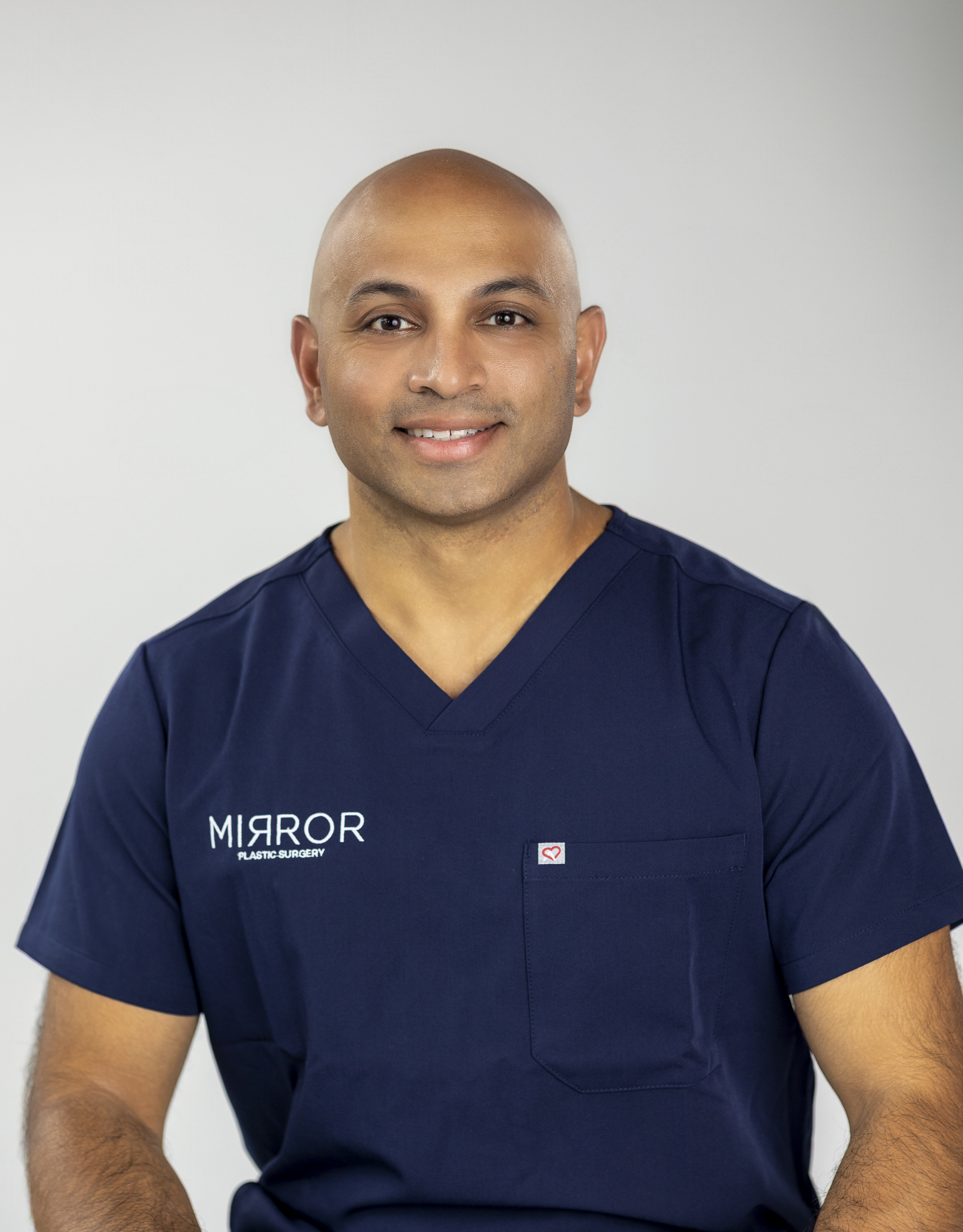
Book a consultation with Dr. Akash to discuss your nasal anatomy, functional concerns, and aesthetic goals in a dedicated, hour-long assessment.
How Modern Rhinoplasty Techniques Protect Structure and Airway
Earlier rhinoplasty approaches often prioritized aggressive reduction, removing cartilage and bone to achieve a smaller nose, with less attention to structural reconstruction. Many patients from that era developed inverted-V deformities, collapsed nasal valves, and saddle noses that required complex revision surgery using rib cartilage grafts.
Contemporary safety-first rhinoplasty reverses that priority. Surgeons now routinely use spreader grafts and spreader flaps to reconstruct the middle vault after dorsal reduction. Caudal extension grafts and columellar struts maintain tip support rather than relying on weakened native cartilage. Functional airway assessment is integrated into every cosmetic consultation. A 2026 review on secondary rhinoplasty recovery emphasizes that successful outcomes depend as much on meticulous planning and patient management as on surgical technique, and that principle applies equally to primary surgery.
Mirror Plastic Surgery’s philosophy of safety first, function second, and aesthetics third reflects this evolution. Every rhinoplasty plan at the practice begins with airway evaluation and structural analysis before any aesthetic modification is considered.
Frequently Asked Questions About Rhinoplasty
How do I know if I am a good candidate for rhinoplasty?
Good candidates are adults with completed facial growth, typically 17 to 18 years old for males and 15 to 17 for females. They should be in stable overall health, be non-smokers or willing to stop smoking well before surgery, and hold realistic expectations about what rhinoplasty can achieve. Patients with both cosmetic and functional concerns, such as a deviated septum alongside aesthetic dissatisfaction, often benefit from a combined septorhinoplasty that addresses both in a single procedure. During consultation, the surgeon evaluates skin thickness, cartilage architecture, and nasal valve integrity to determine what changes are structurally achievable for that specific anatomy.
How long does rhinoplasty recovery take before I see final results?
Most patients experience visible swelling and bruising for two to three weeks, and external splints are typically removed at one week. Tip swelling, however, can persist for twelve months or longer before final results are fully apparent, and thick-skinned patients may wait eighteen months or more. Scheduling major social commitments within three months of surgery is usually inadvisable because the nose at that stage does not represent the final outcome. Structured pre-operative counseling on normal recovery milestones, including transient asymmetry, tip stiffness, and bruising, improves patient satisfaction during the healing period.
What is revision rhinoplasty and how is it different from primary surgery?
Revision rhinoplasty corrects deformities or functional problems that persist or develop after a primary procedure. It is more complex than primary surgery because scar tissue alters tissue planes, native cartilage may be depleted, and the soft tissue envelope behaves less predictably. Cartilage grafts from the ear or rib are more frequently required. Most surgeons recommend waiting at least twelve months, and up to eighteen months in thick-skinned patients, after primary rhinoplasty before proceeding with revision to allow complete tissue stabilization. Published revision rates after revision rhinoplasty are higher than after primary surgery, which underscores the importance of getting the primary procedure right.
Can rhinoplasty cause permanent breathing problems?
Rhinoplasty can cause permanent breathing problems if the nasal airway is not evaluated and protected during surgical planning. Over-resection of the upper lateral cartilages without middle-vault reconstruction narrows the internal nasal valve, which is the primary site of nasal airflow resistance. Over-resection of the lower lateral cartilages weakens the external nasal valve and can cause sidewall collapse on inspiration. A deviated septum that is not corrected during rhinoplasty can worsen breathing because overall nasal volume decreases after surgery. These outcomes are largely preventable when the surgeon performs a complete functional assessment before surgery and integrates airway protection into the operative plan.
How should I evaluate a rhinoplasty surgeon’s credentials before committing to surgery?
Patients should start with board certification by the American Board of Plastic Surgery, which confirms completion of an accredited residency and comprehensive examination. Additional fellowship training in facial plastic and reconstructive surgery or aesthetic surgery provides focused rhinoplasty experience beyond general residency. Patients should ask the surgeon directly for their personal revision rate, how many rhinoplasties of the specific type they perform annually, and how they plan to protect nasal airway function during the procedure. A surgeon who answers these questions with specificity before the operation has usually planned the case carefully. Hospital privileges through board certification also provide an important safety net in the rare event of a complication.
Conclusion: Choosing a Safer Path to Rhinoplasty
Most rhinoplasty complications, including pollybeak deformity, inverted-V collapse, nasal valve obstruction, and the need for revision surgery, trace back to identifiable surgical errors or preventable patient compliance failures. Choosing a fellowship-trained surgeon who performs a limited number of procedures daily, conducts thorough anatomical and functional pre-operative assessments, and communicates transparently about technique and revision rates offers a practical strategy for avoiding these outcomes.
At Mirror Plastic Surgery in St. Petersburg, Florida, Dr. Akash applies a safety-first, function-before-aesthetics philosophy to every rhinoplasty consultation. Named to America’s Best Plastic Surgeons by Newsweek for two consecutive years (2024 and 2025), he combines advanced training with a research-driven approach. The practice limits daily surgical volume to one to two cases, which helps ensure that each patient receives the focused planning and post-operative attention that research consistently links to lower revision rates.1
Book a consultation with Dr. Akash to begin a thorough, anatomy-driven evaluation of your rhinoplasty goals at Mirror Plastic Surgery, located at 780 4th Ave S, St. Petersburg, FL 33701.
1 Results may vary from person to person. Editorial content, before and after images, and patient testimonials do not constitute a guarantee of specific results.