
Written by: Dr. Akash Chandawarkar, Board Certified Plastic Surgeon, Mirror Plastic Surgery | Last updated: September 9, 2026
Key Takeaways
- Personalized semaglutide dosing uses comprehensive lab testing and individualized titration schedules instead of a fixed protocol for every patient.
- Medical supervision manages side effects, adjusts dosing, and tracks health markers throughout treatment, which lowers the risks of unsupervised use.
- Board-certified physician oversight, ongoing monitoring, and direct physician access distinguish quality programs from volume-driven online subscription services.
- Compounded semaglutide can be used safely when sourced from reputable pharmacies with batch testing and supervised by a physician, but providers require careful vetting.
- Patients in the Tampa Bay area can schedule a consultation at Mirror Plastic Surgery for concierge-level, medically supervised semaglutide care tailored to their health profile.
What Personalized Semaglutide Dosing Involves
Personalized semaglutide dosing tailors GLP-1 medication to the individual. The starting dose, titration rate, and target dose reflect a patient’s lab results, medical history, and weight loss goals under ongoing physician supervision.
True personalization begins before the first injection. A comprehensive evaluation covers detailed medical history, contraindication screening, and baseline lab testing, including thyroid function, liver enzymes, kidney function, diabetes markers such as HbA1c and fasting glucose, and hormone panels. These results determine whether semaglutide is appropriate and guide the starting dose, escalation pace, and target maintenance dose.
The FDA-approved Wegovy titration schedule starts at 0.25 mg once weekly and escalates every four weeks through 0.5 mg, 1 mg, and 1.7 mg, reaching the recommended 2.4 mg maintenance dose at week 17. That schedule exists for a reason. Nausea occurred in approximately 40% of patients in clinical trials, and a 2025 Diabetes Care study found that flexible, gradual titration reduced withdrawal due to GI adverse events from 19% to 2% compared with standard titration. Real-world data also shows only 13% of patients reach the 2.4 mg maximum dose. Most patients therefore benefit from a protocol calibrated to their individual tolerance rather than a rigid calendar.
At Mirror Plastic Surgery, Dr. Akash reviews every patient’s labs and history before designing a protocol. That individualized approach improves both tolerability and efficacy from day one.
Why Medical Supervision Is Essential For Semaglutide
Unsupervised semaglutide use creates real risks. Incorrect dosing, unmanaged gastrointestinal side effects, lack of monitoring for complications such as pancreatitis or gallbladder disease, and unrecognized medication interactions all threaten patient safety. As of May 31, 2026, the FDA reported 990 adverse-event reports associated with compounded semaglutide, which highlights what can happen without professional guidance.
Genuine medical supervision includes regular check-ins, proactive side effect management, dose adjustments based on tolerance and response, and ongoing monitoring of health markers. It also includes direct access to a physician when something feels wrong, instead of a chatbot or generic customer service channel.
Dr. Akash offers patients direct text access and telemedicine availability, so no one navigates side effects or dosing questions alone. That level of concierge support defines the difference between Mirror Plastic Surgery and online-only platforms where patients may never speak with a physician.
What High-Quality Medically Supervised Programs Share
The most reliable semaglutide programs share several non-negotiable features. Use this checklist to separate genuine medical supervision from volume-driven subscription services:
- Board-Certified Physician Oversight: A physician personally reviews your case and directs your care, rather than delegating decisions to staff following a fixed protocol.
- Comprehensive Initial Labs: Thyroid, liver, kidney, diabetes markers, and hormone panels are reviewed before any prescription is written.
- Personalized Titration Schedule: Your dosing plan reflects your labs, tolerance, and goals instead of a uniform calendar applied to every patient.
- Ongoing Monitoring And Follow-Up: Regular check-ins, side effect management, and health marker tracking continue throughout treatment.
- Quality Medication Sourcing: Reputable suppliers provide batch testing, which is especially important for compounded formulations.
- Concierge-Level Support: You have direct access to your physician between visits for questions and concerns.
Mirror Plastic Surgery meets every criterion on this list. Dr. Akash personally reviews each patient’s labs and designs individualized protocols, a standard of care that high-volume clinics and many telehealth platforms cannot match.
Compounded Vs. FDA-Approved Semaglutide: Key Safety Points
The regulatory landscape around compounded semaglutide shifted significantly in 2026. On April 30, 2026, the FDA proposed excluding semaglutide, tirzepatide, and liraglutide from the 503B bulk-compounding list, citing no clinical need for outsourcing facilities to compound these drugs from bulk substances. The public comment period was extended to July 30, 2026, and as of September 3, 2026, no final determination has been issued.
Wegovy is FDA-approved for chronic weight management and follows a rigorously studied titration schedule. Compounded semaglutide, by contrast, is prepared by pharmacies, often during shortage periods, and does not follow the same manufacturing controls. That regulatory gap has real consequences. The FDA has issued at least 55 warning letters to telehealth companies in 2026 over misleading marketing of compounded GLP-1 drugs, focusing on claims that implied equivalence to FDA-approved products.
Compounded semaglutide can be used safely when sourced responsibly and supervised by a physician. Compounded formulations can provide intermediate doses not available with FDA-approved products, which allows some patients to titrate through smaller steps for better tolerance. The main risk arises when patients obtain compounded products from unregulated sources without physician oversight. Mirror Plastic Surgery sources from reputable providers with rigorous batch testing to ensure product quality, purity, and accurate dosage, and every protocol is supervised by Dr. Akash from initiation through maintenance.
For a deeper look at compounding safety considerations, review Mirror Plastic Surgery’s dedicated resource on Compounded Semaglutide Safety: Risks And How To Stay Safe.
How To Evaluate A Semaglutide Provider Near You
Patients can quickly assess a provider’s approach by asking a few direct questions.
- Are you a board-certified physician, and will you personally oversee my care?
- What lab tests do you require before starting semaglutide?
- How do you personalize my titration schedule based on my results?
- What is your protocol for managing side effects such as nausea or GI issues?
- Do you offer ongoing monitoring and follow-up throughout treatment?
- Where do you source your medication, and is it batch-tested?
- What is your follow-up plan if I miss doses or need dose adjustments?
These questions highlight the difference between programs that provide genuine medical supervision and those that rely on one-size-fits-all prescriptions. Dr. Akash welcomes each question and provides transparent, evidence-based answers during consultations. Patients who want more detail about lab monitoring can also review the practice’s guide on Semaglutide Lab Monitoring: A Guide To GLP-1 Blood Tests.
Schedule a consultation with Ellie and arrive with your questions prepared; Dr. Akash will address each one.
Insurance And Cost: What To Expect
Insurance coverage for semaglutide varies widely by plan type, indication, and state. Approximately 68% of commercially insured Americans have access to Wegovy coverage with prior authorization as of April 2026. However, access does not always mean affordability. Most commercial plans place Wegovy on Tier 3 through Tier 5, where monthly copays range from $150 to $700.
Coverage also varies by payer. Medicare introduced a temporary GLP-1 Bridge program in the second half of 2026, offering a flat $50 monthly copay for eligible beneficiaries. Florida Medicaid covers GLP-1 receptor agonists only for type 2 diabetes and not for obesity or weight loss, which makes self-pay options important for many Florida residents. Compounded semaglutide through telehealth providers typically ranges from $199 to $499 per month as a self-pay alternative.
Mirror Plastic Surgery offers personalized cost discussions during consultation, with full transparency about what is included, such as consultation, labs, medication, and follow-up, and no hidden fees.
What To Expect In Your First Month On Semaglutide
The first month focuses on tolerability rather than dramatic results. The 0.25 mg starting dose is explicitly non-therapeutic and exists to allow the GI system to adjust to semaglutide’s effects. Gradual titration over 16 or more weeks reduces the gastrointestinal side effects that often drive early discontinuation.
Practical strategies that support tolerability all work toward keeping the GI system calm during titration. Stay hydrated at 2–3 liters daily and prioritize protein intake at 1.2–1.6 grams per kilogram of body weight. Eat smaller meals and avoid high-fat foods that can worsen nausea. Resistance training preserves lean muscle mass during weight loss, which matters because GLP-1 receptor agonists can lead to excessive fat-free mass loss as part of total weight reduction.
Clinical trials show a mean weight loss of 14.9% at 68 weeks with semaglutide 2.4 mg.1 Individual results vary based on adherence, lifestyle, and physiology. Dr. Akash provides realistic timeline guidance and adjusts protocols based on each patient’s response and tolerance throughout treatment.
Red Flags In Semaglutide Programs
Some programs offering semaglutide do not provide safe or effective care. The warning signs below all point to the same problem: a lack of true physician oversight.
- No lab work required before starting treatment
- Fixed dosing without personalization or physician input
- No board-certified physician involvement in your care
- No follow-up or ongoing monitoring after the initial prescription
- Medication sourced without batch-testing documentation
- No clear protocol for managing side effects or missed doses
- Promises of results that contradict published clinical trial data
Programs with these characteristics often prioritize volume over patient safety. Choosing a medically supervised program protects your health outcomes and your financial investment.
Why Local Supervision Matters For Tampa Bay Patients
Local, physician-led care offers advantages that national telehealth platforms cannot match. An in-person physician can see your full medical history, build a long-term relationship, and remain accountable for your results beyond writing a prescription.
Mirror Plastic Surgery is located at 780 4th Ave S, St. Petersburg, FL 33701, and serves patients throughout the Tampa Bay area. In Florida, 29.6% of adults have obesity and another 35.8% are overweight. Together, that represents 65.4% of the adult population who may qualify for semaglutide therapy. For this community, local, physician-led care represents an appropriate standard, not an optional upgrade.
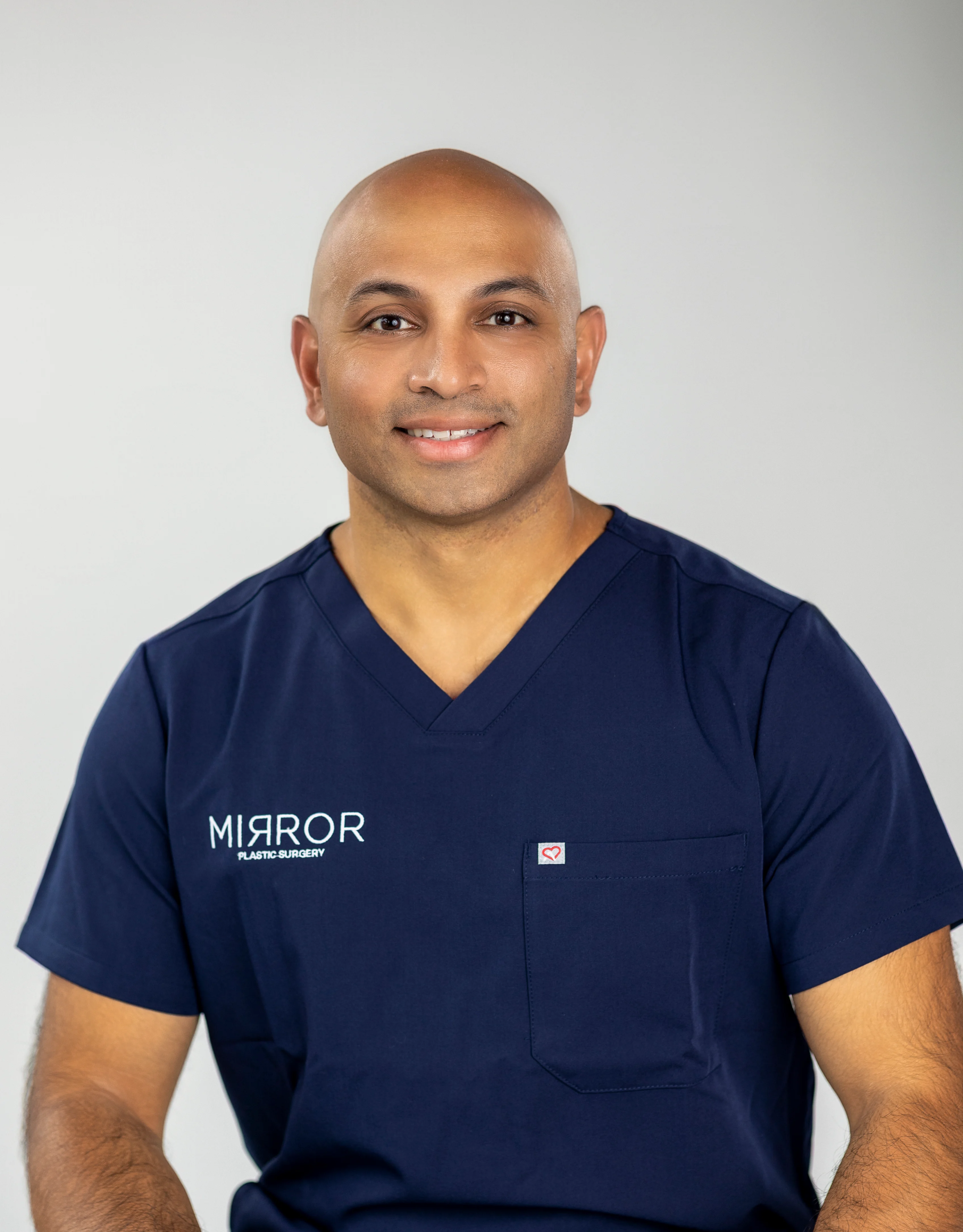
Dr. Akash Chandawarkar, a Harvard-educated, Johns Hopkins-trained surgeon board-certified by the American Board of Plastic Surgery, leads every semaglutide protocol personally. His concierge approach includes up to an hour in consultation, direct text access between visits, and a guiding philosophy of safety first, function second, aesthetics third. Patients who want a deeper comparison of concierge-level semaglutide care versus online-only alternatives can review Mirror Plastic Surgery’s resource on the Concierge Semaglutide Alternative: A Physician Guide.
Your Path To Safe, Effective Semaglutide Therapy
Personalized, medically supervised semaglutide programs provide the safest and most effective approach to GLP-1 weight management. The difference between a program that works and one that fails often rests on three elements: comprehensive labs before prescribing, a titration schedule built around your physiology, and a physician who remains engaged throughout your treatment, from the first visit through maintenance.
Patients who ask the right questions, avoid shortcuts, and prioritize physician oversight over convenience or short-term savings achieve more sustainable outcomes.1 Mirror Plastic Surgery offers concierge-level care, comprehensive lab testing, and expert supervision that Tampa Bay patients can rely on for safe, lasting results.1
Book your appointment with Ellie to start your personalized semaglutide program with Dr. Akash Chandawarkar and experience the difference that genuine medical supervision provides.
Medical Disclaimer
Semaglutide is a prescription medication, and results vary by individual. This article is for educational purposes and does not constitute medical advice. Always consult a board-certified physician to determine whether semaglutide therapy is appropriate for your specific health profile and goals.
Frequently Asked Questions
What Labs Are Required Before Starting A Medically Supervised Semaglutide Program?
A thorough baseline lab panel forms the foundation of any responsible semaglutide program. Before Dr. Akash writes a prescription, he reviews thyroid function (TSH), liver enzymes (ALT and AST), kidney function (creatinine and eGFR), diabetes markers including HbA1c and fasting glucose, and hormone panels. These results confirm eligibility, identify contraindications such as a history of medullary thyroid carcinoma or pancreatitis, establish a reference point for interpreting changes during treatment, and guide the specific starting dose and titration pace. Programs that skip baseline labs practice convenience medicine rather than personalized medicine, which increases risk.
How Is A Personalized Titration Schedule Different From A Standard Protocol?
The FDA-approved Wegovy titration schedule, which starts at 0.25 mg weekly and escalates every four weeks to a 2.4 mg maintenance dose by week 17, serves as a framework instead of a rigid mandate. Real-world data consistently shows that most patients do not reach the maximum dose, and flexible titration dramatically reduces the discontinuation rates described earlier. A personalized schedule accounts for your tolerance at each dose step, your lab results, your weight loss response, and any comorbidities that affect how your body processes the medication. Some patients benefit from holding at an intermediate dose for an additional four to eight weeks. Others reach adequate appetite suppression at 1.0 or 1.7 mg and have no clinical reason to escalate further. Dr. Akash designs each protocol around the individual, adjusting pace and target dose based on ongoing monitoring instead of a fixed calendar.
Is Compounded Semaglutide Safe, And Does Mirror Plastic Surgery Offer It?
Compounded semaglutide is not FDA-approved and, as discussed earlier, is not subject to the same manufacturing controls as brand-name Wegovy. The safety of any compounded formulation depends on the quality of the compounding pharmacy and the level of physician oversight. The FDA has reported the adverse-event and warning-letter figures mentioned earlier, which underscores the importance of physician direction. Compounded formulations sourced from reputable, batch-tested pharmacies and supervised by a board-certified physician can be used responsibly, especially when they allow intermediate dosing steps that improve tolerability. Mirror Plastic Surgery sources from reputable providers with rigorous batch testing, and every protocol is medically supervised by Dr. Akash throughout treatment. Patients considering compounded options can schedule a consultation to discuss which formulation best fits their health profile.
What Happens If I Experience Side Effects During Treatment?
Gastrointestinal side effects, particularly nausea, are the most common challenge during semaglutide titration and often peak in the weeks after a dose increase. In a medically supervised program, side effects receive proactive management. Dr. Akash provides direct text access between visits, so patients never manage significant symptoms alone. If nausea or other GI effects become problematic at a given dose, the protocol can change by holding at the current dose for additional weeks, stepping back temporarily, or modifying dietary habits around injection day. Practical strategies such as adequate hydration, smaller meals, higher protein intake, and avoiding high-fat foods are discussed at the start of treatment. The goal is to keep patients on therapy long enough to reach a therapeutic dose and achieve meaningful, sustained weight loss, rather than pushing through side effects that could cause discontinuation.1
How Does Mirror Plastic Surgery Differ From Online Semaglutide Providers?
Physician involvement and continuity of care define the difference. Many online platforms operate on a subscription model that relies on a brief intake questionnaire, a prescription generated with minimal clinical review, and medication shipped directly to the patient. These models may not involve a board-certified physician, may skip baseline labs, and may lack structured follow-up. Mirror Plastic Surgery follows a different model. Dr. Akash personally reviews every patient’s labs and medical history, designs an individualized titration protocol, and remains directly accessible throughout treatment via text and telemedicine. Consultations can last up to an hour instead of a few minutes. The practice deliberately limits patient volume so each person receives focused, personalized attention that supports safe and lasting outcomes. For Tampa Bay residents, this also includes the option of in-person consultations with a physician who understands their full health picture, rather than a distant platform operating across state lines.
1 Results may vary from person to person. Editorial content, before and after images, and patient testimonials do not constitute a guarantee of specific results.
Peptide therapy is intended for wellness and optimization purposes and is not prescribed to diagnose, treat, cure, or prevent disease unless specifically stated. Many peptides are not FDA-approved and may be used off-label. Some have limited long-term safety data, with a potential for unknown risks, complications, or desensitization with prolonged use.