
Written by: Dr. Akash Chandawarkar, Board Certified Plastic Surgeon, Mirror Plastic Surgery | Last updated: September 9, 2026
Key Takeaways
- Peptide therapy uses short amino acid chains to support goals like anti-aging, weight management, inflammation control, and tissue repair under medical supervision.1
- Most peptides offered at medical spas are compounded rather than FDA-approved, so provider choice and regulatory safeguards become the most critical decision.
- Reputable practices include physician oversight, baseline lab work, personalized protocols, and sourcing from licensed 503A or 503B compounding pharmacies with batch-specific testing.
- Benefits vary by compound. GLP-1 agonists show strong evidence for weight loss, while many research peptides lack robust human data and carry potential risks.
- Schedule your personalized peptide therapy consultation with Dr. Chandawarkar at Mirror Plastic Surgery’s consultation page to receive safe, physician-led care tailored to your goals.
What Peptide Therapy Does For Your Body
Peptide therapy uses precise chemical signals to guide how your cells behave. These short amino acid chains can prompt cells to produce collagen, repair tissue, release growth hormone, or modulate inflammation. Peptide therapy harnesses those signals deliberately. It can target collagen and elastin production via GHK-Cu, systemic tissue repair via BPC-157, metabolic health via GLP-1 analogs, and cellular energy via NAD+.1
A key regulatory distinction shapes how medical spas can offer these treatments. Most peptides available through medical spas are compounded by licensed pharmacies under a physician’s prescription, not FDA-approved drugs. Compounded drugs are not FDA-approved, and the agency does not review their safety, effectiveness, or quality before sale. This regulatory gap makes your choice of provider, and the safeguards they use, the most consequential decision in peptide therapy.
How Medical Spas Structure Peptide Therapy Programs
A well-structured peptide therapy program starts long before the first injection. Reputable practices begin with an in-depth consultation that covers your full medical history. They then order baseline lab work, especially for weight management or inflammatory conditions, and use those results to design a personalized protocol. Ongoing monitoring at defined intervals completes the program.
Subcutaneous injection is the most common administration route. Most peptides are not orally stable because digestive enzymes break them down, so subcutaneous injection is usually the most effective route. Some peptides, such as GHK-Cu, are available in topical form. Injectables generally offer better bioavailability for full-body goals.
The protocol design phase is where quality providers stand out. A reputable practice builds a custom peptide “stack” based on each patient’s labs, physiology, and goals, rather than offering a menu of standardized packages. This contrast between physician-led, concierge care and the high-volume med spa model, where protocols are standardized and oversight is minimal, is a matter of safety and efficacy.
Schedule your personalized peptide therapy consultation with Dr. Chandawarkar to discuss your goals and receive a tailored protocol.
The Legality And Regulation Of Peptides In Medical Spas
Medical spas can offer peptides under specific legal conditions. A licensed physician must prescribe the medication, and a licensed 503A or 503B compounding pharmacy must prepare it. Under U.S. federal law, when a peptide is used to affect the structure or function of the body, or to treat or prevent a condition, it is generally regulated as a drug. That status brings FDA approval and oversight requirements that many peptide products on the market do not meet.
The FDA separates peptides into distinct categories. FDA-approved peptide drugs, such as semaglutide (Ozempic, Wegovy) and tirzepatide (Mounjaro, Zepbound), have completed large clinical trials and hold approval for specific indications. Compounded or research peptides do not follow that pathway. BPC-157, for example, was classified as an FDA Category 2 substance and prohibited for compounding in December 2022, which drove up prices and pushed supply into grayer markets. In February 2026, the FDA announced that approximately 14 of the 19 peptides on its Category 2 restricted list would return to legal compounding status. Twelve were formally removed from Category 2 effective April 23, 2026. However, removal from the banned list does not automatically clear a peptide for compounding. Those compounds remain in regulatory limbo while the FDA completes advisory committee review and formal rulemaking.
The FDA’s enforcement activity in 2025 and 2026 has been aggressive and highly visible. On June 16, 2026, the FDA issued 25 warning letters to telehealth companies for allegedly false or misleading claims about compounded semaglutide, tirzepatide, and liraglutide products. That action followed 30 warning letters to telehealth companies on March 3, 2026, and combined with the 2025 wave against compounders and manufacturers, the agency has now warned well over 100 companies in the GLP-1 supply chain. By May 21, 2026, the FDA had logged more than 1,700 adverse events associated with compounded semaglutide and tirzepatide, many tied to dosing errors from multidose vials.
Red Flags To Avoid When Evaluating A Provider
- No licensed physician overseeing your care. Wellness coaches and certified nutritionists cannot legally prescribe compounded medications in any U.S. state.
- No baseline lab work before prescribing.
- Vague or one-size-fits-all protocols with no personalization to your labs or physiology.
- Sourcing from unnamed, unregulated, or overseas suppliers instead of licensed 503A or 503B pharmacies.
- Pushy sales tactics or pressure to purchase multi-month packages upfront.
- Claims that compounded peptides are “FDA-approved” or equivalent to branded drugs. Trustworthy providers clearly disclose whether a treatment is FDA-approved or compounded under specific legal allowances and keep that distinction clear.
- Instant approval after a brief online questionnaire. A real medical evaluation cannot happen based on a five-minute form.
Benefits, Risks, And Realistic Outcomes Of Peptide Therapy
Peptide therapy can offer meaningful benefits when used in medically supervised programs. Patients report improved energy, better skin elasticity and collagen production, weight loss, reduced inflammation, enhanced recovery from injury or surgery, and improved mood and anxiety management.1 The strength of the evidence behind these outcomes varies by compound.
GLP-1 receptor agonists have the strongest human data. In the STEP 1 trial, 68 weeks of semaglutide 2.4 mg weekly produced 14.9% mean body weight loss versus 2.4% with placebo in 1,961 adults with overweight or obesity.1 In the SURMOUNT-1 trial of 2,539 adults with obesity, tirzepatide achieved body weight reductions of 15.0–20.9% versus 3.1% with placebo.1 For skin-focused peptides, small placebo-controlled human studies of topical GHK-Cu show improvements in skin thickness, elasticity, wrinkle depth, and overall photoaging scores.1
Caveats deserve equal attention. A 2025 review of BPC-157 found that human studies rely largely on uncontrolled follow-up surveys without control groups or placebo comparisons, which indicates weak human evidence. TB-500 has been linked in studies to colorectal and pancreatic tumor growth, raising concerns that angiogenesis-promoting peptides could potentially support existing tumors. Cedars-Sinai’s James Kirkland, MD, PhD, warns that “opportunists working in the gray areas of the internet and these storefront clinics” often take advantage of people’s fears about aging.
Results also vary significantly by individual, since genetics, diet, lifestyle, and protocol adherence all influence outcomes. Because benefits typically diminish without ongoing maintenance, similar to stopping any health regimen, peptides work best within a comprehensive wellness plan. That is why their evidence base must be evaluated compound by compound rather than as a single category.
Insurance Coverage And Costs For Peptide Therapy
Most peptide therapy protocols fall outside traditional insurance coverage. Most patients pay out of pocket, with FDA-approved GLP-1 medications like Wegovy or Zepbound as the main exception, since some plans cover them for diagnoses such as obesity or type 2 diabetes. GH secretagogues, BPC-157, TB-500, and GHK-Cu are almost never covered, and compounded peptides are excluded in nearly all cases.
Costs vary based on the specific peptides, protocol length, provider model, and whether labs are bundled. The first month of peptide therapy often costs more than maintenance because it can include consultation, baseline labs, the initial peptide supply, and supplies. Subsequent months usually reflect maintenance dosing. HSA and FSA funds can generally be used for prescribed peptide therapy, which effectively reduces costs by your marginal tax rate.
During your consultation, request transparent pricing that includes all fees, including consultation, labs, medication, supplies, and follow-up visits. Transparent pricing usually reflects transparent practice standards. Red flags include no pricing information until after you pay a consultation fee or sudden upsells once you are mid-protocol.
How To Choose A Reputable Medical Spa For Peptide Therapy
Choosing a peptide therapy provider works best when you use clear, verifiable criteria. The following checklist outlines the minimum standards a responsible practice should meet.
- Board-certified physician involvement in protocol design and ongoing oversight, rather than a nominal medical director who never reviews charts.
- Thorough initial assessment, including comprehensive lab work appropriate to the peptides being prescribed.
- Personalized protocols based on your labs and physiology instead of a standardized menu.
- Quality sourcing from licensed 503A or 503B compounding pharmacies with batch-specific Certificates of Analysis (COAs). A credible COA must be batch-specific and include numeric results for purity and identity, not vague statements like “passed testing.”
- Clear communication about risks, benefits, and realistic outcomes, including honest disclosure of which peptides are FDA-approved versus compounded.
- Ongoing support and monitoring instead of a one-time prescription.
Questions To Ask Your Provider
- Who will oversee my treatment, and what are their credentials?
- What lab tests will you run before prescribing, and why?
- Where do you source your peptides, and can I see the Certificate of Analysis?
- How do you handle side effects, and who do I contact if I have concerns?
- What is the expected timeline for results, and how will we measure progress?
- What circumstances would lead you to decline to treat me?
A provider without clear no-go criteria is not practicing careful medicine. That final question often reveals how seriously a clinic takes patient safety.
Bring your questions to a consultation with Dr. Chandawarkar, where thorough answers are the standard.
Why Mirror Plastic Surgery Leads In Physician-Led Peptide Therapy
If you want a practice that meets every criterion in this guide, Mirror Plastic Surgery exemplifies them all. The practice is led by Dr. Akash Chandawarkar, MD, a Harvard Medical School graduate (through the Harvard-MIT Division of Health Sciences and Technology), Johns Hopkins-trained plastic surgeon with a seven-year integrated residency, and Stanford University Biodesign Innovation Fellow. He is board-certified by the American Board of Plastic Surgery and brings a physician-innovator’s perspective to every peptide protocol.
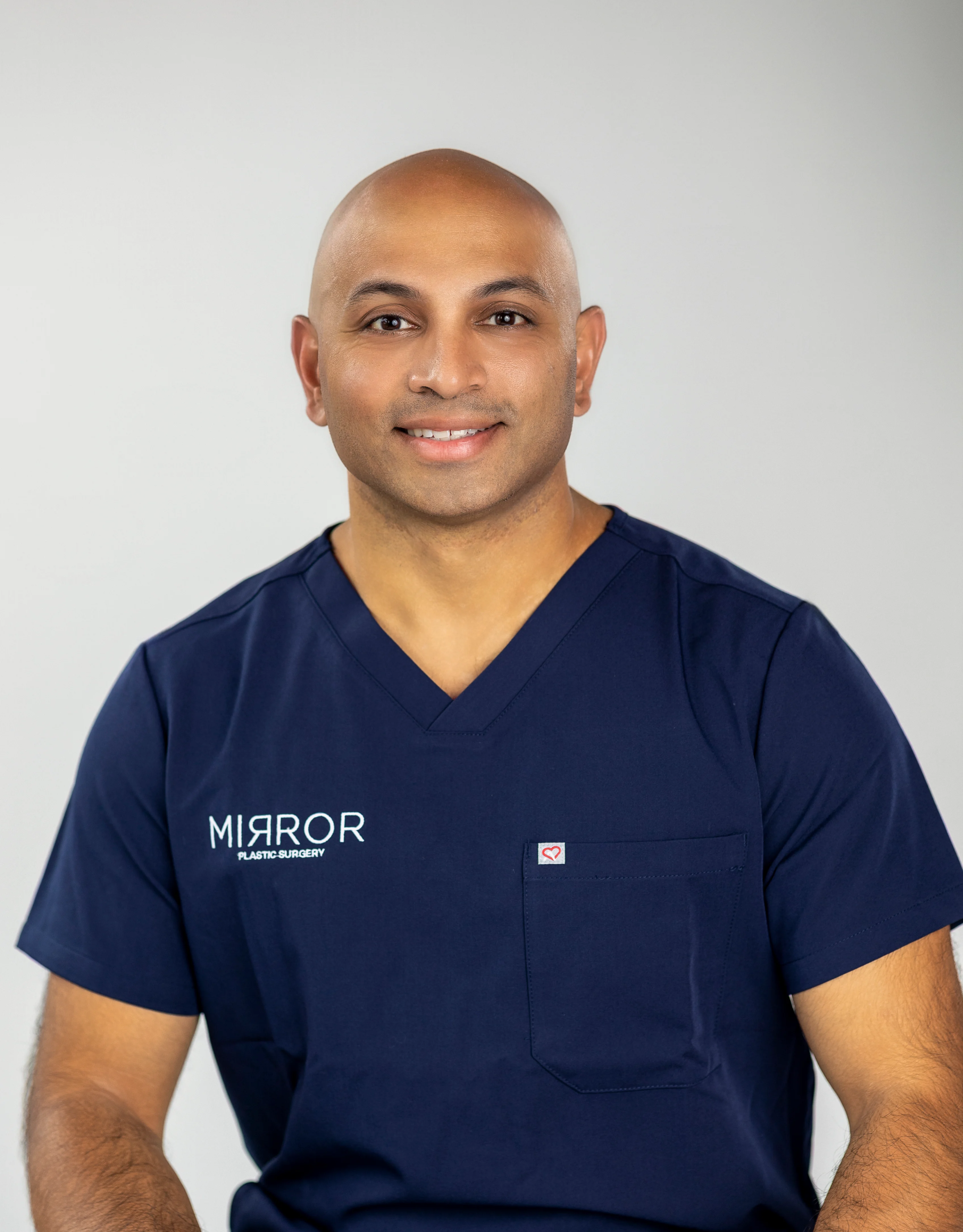
Every peptide protocol at Mirror Plastic Surgery is designed and medically supervised by Dr. Chandawarkar. Because he is a board-certified physician, protocols are built around each patient’s labs and physiology instead of a standardized menu. Initial consultations can run up to an hour and cover full medical history, in-depth lab analysis (including thyroid, liver, kidney, diabetes markers, and hormone panels when indicated), and a personalized peptide stack tailored to the patient’s goals. Peptides are sourced from reputable providers with rigorous batch testing, and patients receive 24/7 direct access to Dr. Chandawarkar via text for ongoing support, questions, and refill requests.
The practice’s guiding philosophy, “safety first, function second, aesthetics third,” shapes every peptide protocol. Mirror Plastic Surgery offers remote consultations and service delivery across the United States, including Hawaii and Alaska, which makes physician-led peptide therapy accessible beyond the Tampa Bay area.
Choosing a provider for peptide therapy means choosing who will oversee your safety. Mirror Plastic Surgery operates on the principle that this responsibility never belongs to a form, a sales representative, or a standardized protocol.
Explore whether peptide therapy is right for you and start your personalized protocol with Dr. Chandawarkar.
Conclusion: Moving Forward With Safe, Effective Peptide Therapy
Peptide therapy offers documented potential for anti-aging, weight management, inflammation reduction, and tissue repair. Patients realize that potential when they combine proper medical supervision, personalized protocols, and quality-sourced compounds. The unregulated market, the enforcement actions detailed earlier, and the wide variation in provider quality make your choice of clinic the most important step in this process. Ask questions, verify credentials, request Certificates of Analysis, and prioritize safety over convenience or price. The right provider will welcome that level of scrutiny.
Frequently Asked Questions
Are Peptides FDA-Approved?
Some peptides are FDA-approved drugs for specific indications. Semaglutide and tirzepatide, for example, are approved for type 2 diabetes and obesity. As discussed earlier, many peptides used in medical spas are compounded by licensed pharmacies under a physician’s prescription and are not FDA-approved for the targeted uses. This status means the FDA has not reviewed their safety, effectiveness, or quality before sale. The risk comes from obtaining peptides from unregulated sources without medical supervision, not from the molecules alone. At Mirror Plastic Surgery, every protocol relies on in-depth lab analysis, sourcing from providers with rigorous batch testing, and ongoing physician oversight, which together make compounded peptide therapy safer and more effective.
What Are The Risks Of Using Peptides Without Medical Supervision?
The main risk of obtaining peptides online or from unregulated sources is the lack of third-party quality verification. Without a Certificate of Analysis from an independent, accredited lab, there is no reliable way to confirm what is in the product, whether the potency matches the label, or whether the compound is sterile and free of bacterial endotoxins. Beyond product quality, unsupervised use removes screening for contraindications. Active cancer, certain cardiovascular conditions, and specific metabolic disorders can make particular peptides inappropriate or dangerous. Many compounded peptides also lack established dosing standards, so self-administration carries real risk of underdosing or overdosing. Medical supervision creates an accountability chain that addresses these variables through a licensed prescriber, a quality-verified pharmacy, appropriate baseline labs, and a monitoring plan.
How Long Does It Take To See Results From Peptide Therapy?
The timeline for results depends on the peptide and the individual.1 Some patients notice early improvements within the first week, especially for inflammation-related symptoms or energy.1 Anti-aging and collagen-focused peptides like GHK-Cu usually require several weeks to months of consistent use before meaningful changes in skin texture and elasticity appear.1 Weight management peptides such as GLP-1 analogs show measurable results over weeks to months, with the most significant changes during a sustained protocol.1 Genetics, diet, lifestyle, and protocol adherence all influence the pace and magnitude of results. At Mirror Plastic Surgery, Dr. Chandawarkar sets measurable targets at the start of every protocol so progress can be tracked objectively rather than guessed.
What Happens If I Stop Taking Peptides?
Benefits from peptide therapy usually diminish once you stop the protocol, similar to pausing any health regimen.1 For inflammation management, the underlying immune activity that peptides were modulating often returns to its prior state. For weight management, the metabolic and appetite-regulating effects of GLP-1 analogs fade after discontinuation, and weight regain is common without lifestyle support. For anti-aging and collagen-focused peptides, skin and tissue improvements gradually recede as the signaling support ends. Maintenance protocols, often at lower doses or reduced frequency, are typically needed to sustain gains. Dr. Chandawarkar includes maintenance planning in every initial consultation at Mirror Plastic Surgery.
Can Peptide Therapy Be Done Remotely, Or Do I Need To Visit A Clinic In Person?
Physician-supervised peptide therapy can be delivered entirely remotely when the practice has the right infrastructure. This model requires a licensed prescriber who conducts a real clinical evaluation via video consultation, lab work ordered through a patient service center, and medication shipped from an accredited compounding pharmacy licensed in the patient’s state. Mirror Plastic Surgery offers the full process, including consultation, lab review, protocol design, prescription, and ongoing support, both in person at the St. Petersburg, Florida location and remotely across the United States, including Hawaii and Alaska. Dr. Chandawarkar provides 24/7 direct access via text throughout the protocol so remote patients receive the same concierge-level oversight as those seen in person.
Results vary from person to person. Peptides discussed in this article are not FDA-regulated for the uses described unless explicitly noted. Professional medical supervision is essential. This content is for educational purposes and does not constitute medical advice.
1 Results may vary from person to person. Editorial content, before and after images, and patient testimonials do not constitute a guarantee of specific results.
Peptide therapy is intended for wellness and optimization purposes and is not prescribed to diagnose, treat, cure, or prevent disease unless specifically stated. Many peptides are not FDA-approved and may be used off-label. Some have limited long-term safety data, with a potential for unknown risks, complications, or desensitization with prolonged use.