
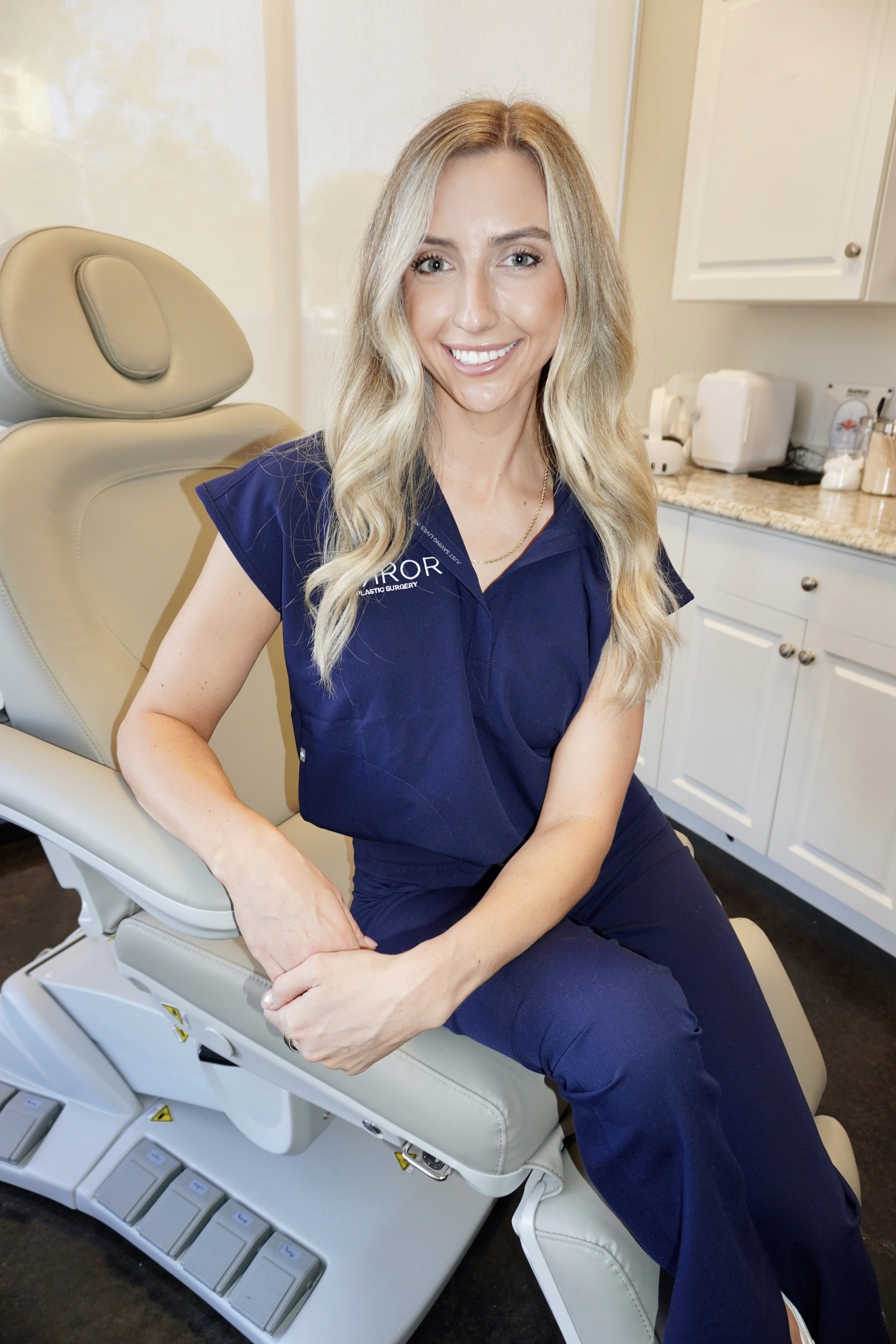
Written by: Ellie Pranckevicius, FNP-BC, Aesthetic Nurse Practitioner & Aesthetic Injector | Facial Restoration & Regenerative Injectable Specialist, Mirror Plastic Surgery
Key Takeaways: Hair Growth Peptides at Mirror Plastic Surgery
- GHK-Cu copper peptides support hair growth by boosting collagen, calming inflammation, and improving follicle health, with many patients seeing meaningful density gains within several months.1
- Mirror Plastic Surgery’s Glow Stack (GHK-Cu + BPC-157 + TB500) ranks as the top in-clinic option for combined hair, skin, and nail benefits under close clinical oversight.1
- Peptides address root causes such as inflammation and tissue damage, and often outperform minoxidil for overall scalp health when used with proper monitoring.1
- Most patients notice visible changes between 4 and 12 weeks with leading protocols, with fuller benefits typically developing over 3 to 6 months.1
- For safe, personalized peptide therapy, schedule a consultation with Ellie at Mirror Plastic Surgery to align the right protocol with your specific hair loss pattern.
Why Ellie Leads Peptide Care at Mirror Plastic Surgery
Ellie Pranckevicius, FNP-BC, directs peptide therapies at Mirror Plastic Surgery and blends esthetician training with advanced nursing expertise. She earned her Master’s in Nursing from the University of South Florida and spent four years in the Neuroscience ICU at Tampa General Hospital. That experience sharpened her understanding of complex physiology and metabolic health. Working alongside Dr. Akash Chandawarkar, a Harvard-educated physician and Johns Hopkins-trained plastic surgeon, Ellie delivers concierge-level peptide care with detailed lab analysis and consistent follow-up. This structured approach clearly separates Mirror’s protocols from unsupervised online peptide sources.
Schedule your consultation with Ellie to discuss peptide protocols tailored to your specific hair loss concerns.
How Hair Growth Peptides Work: Science Overview
Peptides act as short amino acid chains that signal targeted cellular processes, and GHK-Cu copper peptides show particular promise for hair restoration. GHK-Cu stimulates collagen and elastin production and appears in stacks that calm inflammation, which creates a healthier environment for follicles and supports noticeable density improvements over several months according to clinical observations.1 This mechanism-based approach offers a key advantage over conventional treatments. Unlike minoxidil, which requires continuous use to prevent rebound hair loss, peptides focus on underlying inflammatory processes and support natural follicle function. Current 2026 research points to growing evidence for peptide effectiveness, yet most formulations remain non-FDA regulated, so professional oversight remains crucial for safety and consistent results.
Explore supervised peptide therapy options with Ellie to match this science to your specific pattern of hair loss.
Best Peptides for Hair Growth in 2026: Ranked Reviews with Comparison Table
1. Mirror Plastic Surgery Glow Stack (GHK-Cu + BPC-157 + TB500)
The Glow Stack combines three complementary peptides with clinical monitoring to target systemic inflammation while promoting collagen production and tissue repair. Clinical cases at Mirror show reduced hair shedding within the first few months, and many patients report improvements in hair texture, scalp comfort, skin quality, and nail strength.1 The structured protocol includes comprehensive lab analysis and ongoing follow-up, which supports precise dosing and careful safety tracking.
2. GHK-Cu Solo Protocol
GHK-Cu as a standalone treatment supports follicle strength and has low toxicity at therapeutic doses, though visible changes usually take 8–12 weeks to appear.1 The main concern involves potential copper accumulation without proper lab monitoring, so guided use offers a safer path than unsupervised experimentation.
3. The Ordinary Multi-Peptide Serum
This topical serum targets hair density through several peptide complexes and remains accessible over the counter. Users typically notice changes around 12 weeks of consistent application.1 Results tend to develop more slowly than with injectable protocols, yet the risk profile stays lower for people using it on their own.1
4. OMI Supplement
Oral peptide supplements such as OMI aim to support follicle structure through systemic delivery. Bioavailability varies widely between individuals, so outcomes can differ even with the same dose. Visible improvements often appear between 3 and 6 months, and effectiveness depends heavily on absorption and each person’s metabolism.1
5. TB500 Standalone
TB500 supports scalp tissue repair and wound healing, although specific hair growth data remains limited compared to GHK-Cu protocols. Continuous dosing for 8–12 weeks is usually required for meaningful structural repair in tendon and ligament injuries confirmed by ultrasound or MRI, and similar timelines likely apply to scalp tissue support.1
The comparison table below summarizes how these five peptide options differ across benefits, drawbacks, timelines, and real-world feedback. Use it to quickly see which protocol best fits your goals, risk tolerance, and preferred route of treatment.
| Peptide | Pros | Cons | Timeline (Visible Results) | User Rating (Clinic/Reddit) |
|---|---|---|---|---|
| Glow Stack (Mirror) | Collagen boost, inflammation reduction, hair/nail glow | Needs supervision | 4–8 weeks | Positive (clinic, Reddit) |
| GHK-Cu Solo | Follicle strength, low toxicity | Copper uglies risk | 8–12 weeks | Positive |
| The Ordinary Multi | Density focus, OTC access | Topical only, slower | 12 weeks | Positive (Reddit) |
| OMI Supplement | Follicle scaffolding | Oral variability | 3–6 months | 4.2/5 |
| TB500 | Scalp repair | Limited hair data | 8–12 weeks | Positive |
Get personalized peptide protocol recommendations based on your hair loss pattern, health history, and comfort level with different treatment routes.
Hair Growth Peptides Before and After: Real-World Results at Mirror
Glow Stack protocols at Mirror Plastic Surgery have produced consistent improvements for patients with early-stage thinning and premature graying.1 Many clients notice thicker strands and less scalp irritation after guided treatment.1 The clinic’s approach includes baseline lab analysis to uncover inflammatory markers, customized dosing that reflects each person’s physiology, and regular monitoring to refine the plan over time. Reddit users often describe similar timelines with medically guided protocols and highlight how expert oversight helps avoid common problems such as copper buildup or ineffective dosing that can occur with unsupervised use.
Review real patient cases with Ellie and map out a realistic treatment timeline for your hair restoration goals.
Risks and Downsides of Hair Growth Peptides
The unregulated peptide market carries meaningful risks, and Reddit users frequently describe contaminated products, incorrect dosing, and adverse reactions from self-directed use. Low-quality GHK-Cu products often contain degraded peptides, bacterial contamination, or excess heavy metals, which underscores the need for pharmaceutical-grade sourcing. Individual genetics also influence peptide response, and some patients experience limited benefits even with well-designed protocols. Unlike minoxidil, which has a clearly defined side effect profile, peptide risks vary based on product quality, dosing accuracy, and overall health status, so guided care becomes essential for safe and effective treatment.
Start with a comprehensive health screening and pharmaceutical-grade peptide plan to reduce risk and support safer long-term results.
Frequently Asked Questions
Do peptides actually work for hair growth?
Yes, guided GHK-Cu protocols can deliver noticeable improvements in hair density over several months through collagen support and inflammation control.1 The most reliable outcomes come from pharmaceutical-grade products and carefully managed dosing under qualified clinical oversight.
What is the best peptide for hair growth?
The Glow Stack, which combines GHK-Cu, BPC-157, and TB500, offers a comprehensive strategy that targets inflammation, collagen production, and tissue repair at the same time. GHK-Cu alone also performs well for patients who prefer a simpler, more focused protocol.
What do hair growth peptides Reddit users say?
Reddit reports vary, yet medically guided protocols tend to receive the most consistent positive feedback, while unsupervised use often ends in weak results or side effects. Many users stress the value of expert oversight for both safety and meaningful progress.
Are hair growth peptides safe without a doctor?
No, self-directed peptide use introduces serious concerns, and the contamination and dosing issues discussed earlier make professional oversight essential. Clinical guidance supports safer product selection, appropriate screening, and ongoing monitoring throughout treatment.
How long do hair growth peptides take to work?
Most guided protocols show early changes within 4 to 8 weeks, and fuller results usually appear over 3 to 6 months.1 Timelines vary based on overall health, peptide choice, and the underlying drivers of hair loss.
Conclusion: Why Mirror’s Glow Stack Leads 2026 Hair Peptide Options
GHK-Cu-based peptide stacks sit at the forefront of 2026 hair growth treatments because they address inflammation while supporting collagen production and follicle health. Mirror Plastic Surgery’s Glow Stack stands out as a high-standard option by pairing pharmaceutical-grade peptides with detailed medical oversight. Evidence and real-world experience both favor guided care over unsupervised online purchases for people who want meaningful results with a stronger safety margin.1
Begin your medically supervised hair restoration journey with Ellie and move forward with a clear plan, structured support, and carefully monitored progress.
1 Results may vary from person to person. Editorial content, before and after images, and patient testimonials do not constitute a guarantee of specific results.
Peptide therapy is intended for wellness and optimization purposes and is not prescribed to diagnose, treat, cure, or prevent disease unless specifically stated. Many peptides are not FDA-approved and may be used off-label. Some have limited long-term safety data, with a potential for unknown risks, complications, or desensitization with prolonged use.