
Written by: Dr. Akash Chandawarkar, Board Certified Plastic Surgeon, Mirror Plastic Surgery | Last updated: September 9, 2026
GLP-1 medications can support weight loss, metabolic health, and markers of biological aging, yet they can also accelerate facial aging when used without a plan. This guide explains how to use GLP-1 therapy strategically so you protect your skin, preserve facial volume, and support long-term health.
Key Takeaways
- GLP-1 receptor agonists like semaglutide and tirzepatide deliver systemic anti-aging signals in patients with metabolic disease while lowering cardiovascular risk.1
- Rapid weight loss from GLP-1 therapy can cause “Ozempic face,” including midfacial deflation, skin laxity, and volume loss when dermal fat and collagen decline faster than skin can adapt.1
- Prevention relies on gradual dosing (0.5–1 kg per week), high protein intake (1.2–1.6 g/kg/day), collagen-boosting skincare, daily SPF 30+, and early biostimulatory procedures before significant volume loss.1
- GLP-1 medications act systemically on metabolic pathways, while traditional anti-aging peptides (GHK-Cu, BPC-157) act locally. Combining both under physician supervision supports longevity and aesthetic outcomes.
- At Mirror Plastic Surgery, Dr. Akash Chandawarkar designs every GLP-1 protocol around your labs, body composition, and aesthetic goals. Start your personalized GLP-1 consultation to protect your face while you age well.
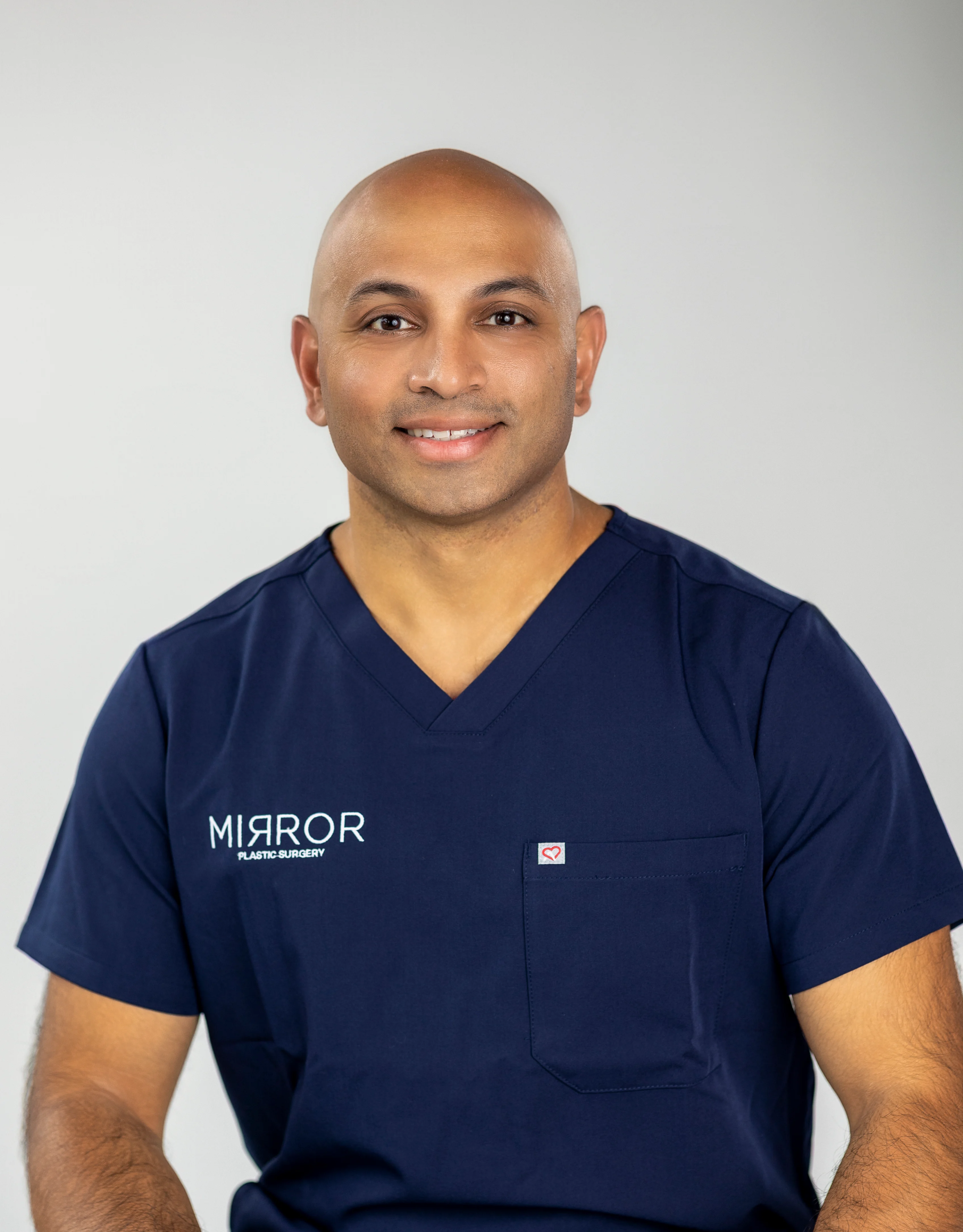
Meet Your Guide: Dr. Akash Chandawarkar Of Mirror Plastic Surgery
Dr. Akash Chandawarkar, MD, is the founder of Mirror Plastic Surgery in St. Petersburg, Florida, and the lead physician for all peptide therapy protocols at the practice. His academic path began at MIT, where he studied neuroscience and nuclear engineering, before he graduated with Honors from Harvard Medical School through the Harvard-MIT Division of Health Sciences and Technology. He completed a seven-year integrated plastic and reconstructive surgery residency at Johns Hopkins University and paused that residency to complete the Stanford University Biodesign Innovation Fellowship, a program that trains physician-innovators to identify unmet clinical needs and build technological solutions.
Dr. Akash personally designs every peptide protocol around each patient’s labs, physiology, and aesthetic goals. That level of oversight from a board-certified physician with deep training in anatomy, metabolic health, and medical innovation creates a safer, more effective GLP-1 protocol than an unsupervised approach.
Connect with Ellie to schedule a GLP-1 consultation with Dr. Akash and map out your plan.
What Are GLP-1 Peptides?
Glucagon-like peptide-1 (GLP-1) is a naturally occurring incretin hormone produced by L-cells in the small intestine and colon. GLP-1 receptor agonists are synthetic molecules engineered to resist degradation by the enzyme DPP-4, creating a sustained version of GLP-1’s effects, including glucose-dependent insulin secretion, glucagon suppression, delayed gastric emptying, and appetite reduction. FDA-approved agents include semaglutide (Ozempic, Wegovy) and tirzepatide (Mounjaro, Zepbound).
Mirror Plastic Surgery also offers GLP-3R compounding, a newer-generation formulation reported to carry fewer gastrointestinal side effects, a lower risk of muscle wasting, and broader indications including insulin resistance and cardiovascular risk factors. Every protocol is built around comprehensive lab panels and ongoing body composition monitoring.
The Science Of GLP-1s And Longevity: What The Research Shows
Systemic Anti-Aging Benefits
A randomized, double-blind, placebo-controlled clinical trial published in Nature Communications in 2026 found that semaglutide slowed biological aging in adults with HIV-associated lipohypertrophy over 32 weeks, as measured by the DunedinPACE epigenetic clock.1 The strongest signals appeared in clocks linked to inflammation, blood, brain, heart, kidney, liver, and metabolic health. As lead author Michael Corley, PhD, of UC San Diego stated, “We are not saying that semaglutide reverses aging or makes people younger. What we are seeing is a signal that it may slow some of the biological processes associated with aging.”
A 2026 review in Exploratory Research and Hypothesis in Medicine maps GLP-1 receptor agonist effects across all 12 hallmarks of aging, including reduced inflammation, improved mitochondrial function via the PGC-1α signaling axis, enhanced autophagic activity, telomere stabilization, and improved proteostasis through AMPK pathway activation. The same review notes that meta-analyses of cardiovascular outcome trials show GLP-1 receptor agonist therapy lowers the risk of major adverse cardiovascular events by approximately 14% and all-cause mortality by approximately 12% in patients with type 2 diabetes.1
At the same time, a 2026 study in Nature Medicine found that semaglutide did not reduce biological age measures in healthy older adults without metabolic disease. These findings highlight that GLP-1 drugs are not approved for anti-aging purposes and that benefits appear strongest in people with elevated metabolic and inflammatory burden.
What Is “Ozempic Face”? The Aesthetic Tradeoff
“Ozempic face” is a term first introduced by dermatologist Paul Jarrold Frank to describe facial changes observed in patients using semaglutide for weight reduction, including midfacial deflation, temporal hollowing, periorbital skeletonization, skin redundancy, and worsened rhytides. The phenomenon does not represent a drug-specific disease. A 2026 critical review in the Journal of Cosmetic and Regenerative Medicine concludes that “Ozempic face” is best understood as a clinically recognizable soft-tissue phenotype resulting from rapid or substantial weight loss, layered on top of baseline intrinsic and extrinsic facial aging.
The mechanisms are multi-layered. GLP-1 therapy can induce weight loss of up to 15% over one to two years, which is associated with reduction in dermal white adipose tissue (DWAT) and decreased collagen synthesis.1 DWAT regulates skin structure, elasticity, and aging processes, so its loss contributes to skin thinning and reduced soft tissue volume. Reduced estrogen signaling from DWAT loss may further impair fibroblast function and collagen synthesis.
The prevalence is significant. A cross-sectional survey of 504 GLP-1 users found that 38.7% reported skin changes, most commonly facial volume loss (10.9%), sagging (8.3%), and jowling (7.7%), with onset within the first five months for 55.1% of those affected.1 Among those with skin changes, over 60% had already experienced at least 10% body weight loss, suggesting the speed of weight loss outpaces the skin’s adaptive capacity for dermal remodeling. Fortunately, you can take proactive steps to reduce this risk.
How To Prevent Skin Aging While On GLP-1s: A Step-By-Step Protocol
The following strategies work best when you start them early and follow them under physician supervision, before significant volume loss occurs.
- Prioritize Gradual Weight Loss. Rapid weight loss outpaces the skin’s adaptive capacity for dermal remodeling, so work with your provider to titrate dosing slowly, aiming for 0.5–1 kg (1–2 lb) per week. Survey data in GLP-1 users support this approach.
- Optimize Protein Intake. Consume 1.2–1.6 g of protein per kg of body weight daily to preserve muscle mass and support collagen synthesis. Consider a daily multivitamin to address potential nutrient deficiencies from reduced food intake, as recommended by the American Academy of Dermatology.
- Hydrate Diligently. The AAD recommends using a humidifier and drinking plenty of fluids to support skin barrier function during GLP-1 therapy.
- Adopt A Collagen-Boosting Skincare Routine. The AAD specifically recommends a gentle cleanser and a moisturizer containing ceramides and antioxidants. Under dermatological guidance, you can consider retinoids to decrease signs of skin aging. Topical peptides like GHK-Cu have demonstrated improved skin density and thickness in randomized, double-blind trials and can complement a GLP-1 protocol.
- Protect Your Skin From The Sun. Apply broad-spectrum SPF 30+ daily. The AAD lists sun protection as a core measure for preventing further collagen breakdown during GLP-1 therapy.
- Consider Procedural Support Early. A 2026 review in Dermatologic Surgery recommends early collagen stimulation with biostimulatory injectables, such as poly-L-lactic acid, combined with selective hyaluronic acid-based structural restoration. These interventions work best before significant volume loss occurs. Microneedling, laser treatments, and radiofrequency tightening are additional options.
- Monitor Body Composition. Routine DEXA or bioelectrical impedance analysis every 3–6 months helps track muscle preservation and guide dosing adjustments.
GLP-1s And Traditional Anti-Aging Peptides: How They Work Together
GLP-1 receptor agonists and traditional anti-aging peptides like GHK-Cu, BPC-157, and NAD+ operate through different mechanisms that can complement each other. GHK-Cu acts locally on skin fibroblasts through copper delivery and gene expression effects, while GLP-1 medications act on receptors in the brain, gut, and pancreas, so the two systems do not overlap. GLP-1s function as systemic metabolic agents, while traditional peptides act as tissue-targeted repair signals.
Mirror Plastic Surgery offers custom peptide stacks that can be used alongside GLP-1 therapy for comprehensive benefits, including the “Glow Stack” (GHK-Cu, BPC-157, and TB-500), which targets systemic inflammation, collagen and elastin production, and soft tissue repair. NAD+ and sermorelin/ipamorelin (growth hormone-releasing peptides) can further support cellular energy and muscle retention during weight loss. The table below compares several peptide options so you can see how they differ in mechanism, benefits, and evidence level.
Binds GLP-1 receptors in pancreas, brain, and vagus nerve, suppresses appetite, regulates glucose, reduces inflammationStimulates collagen I and III gene expression, activates MMP remodeling, upregulates antioxidant enzymes via Nrf2Accelerates wound healing, improves angiogenesis, and organizes collagen in animal models, anti-inflammatory
| Peptide | Primary Mechanism | Key Benefits | Evidence Level (Human) |
|---|---|---|---|
| GLP-1 Receptor Agonists (e.g., semaglutide) | Weight loss, cardiovascular protection, systemic anti-aging signals across 12 hallmarks of aging | High, multiple large-scale Phase 3 RCTs, FDA-approved for obesity and diabetes | |
| GHK-Cu (Copper Peptide) | Improved skin density, thickness, laxity, fine lines, and wound healing (topical), hair follicle support | Moderate for topical use (controlled trials), injectable human RCT data absent as of 2026 | |
| BPC-157 | Muscle, tendon, ligament, and joint repair, systemic inflammation reduction | Low, evidence is entirely preclinical or anecdotal at the human level, not FDA-approved |
Expert Insights From Dr. Akash: A Clinical Perspective
Dr. Akash Chandawarkar approaches GLP-1 therapy as a systemic intervention that requires a coordinated prevention strategy for facial aesthetics.
“In my practice, I emphasize gradual weight loss and combine GLP-1 therapy with collagen-stimulating peptides and a proactive skincare protocol to prevent the gaunt look. Every patient is unique, so we tailor the approach to their labs, body composition, and aesthetic goals. The goal is to lose weight in a way that supports long-term health and appearance.”
This philosophy aligns with the current expert consensus. As Yale-affiliated dermatologist Macrene Alexiades, MD, PhD, has noted, proactive discussion about fillers, biostimulators, and skin-tightening modalities before significant weight loss is appropriate counseling, not upselling. Before you begin, consider how safety, muscle preservation, and skin quality fit into your overall plan.
Plan a GLP-1 strategy with our team so your facial aesthetics stay aligned with your health goals.
Important Considerations Before Starting GLP-1 Therapy
Outcomes depend on genetics, age, baseline skin quality, rate of weight loss, and diet. GLP-1 drugs can cause loss of lean mass alongside significant weight loss, which is especially concerning for older adults, and appetite suppression can make it harder to consume enough protein and other nutrients.1 To counter this, resistance training at least twice per week and a focus on adequate protein intake are standard supportive recommendations alongside GLP-1 therapy.
Peptide quality is a critical safety factor. Purchasing peptides online without medical oversight carries risks of contamination, incorrect dosing, and lack of screening for pre-existing conditions. Mirror Plastic Surgery sources all peptides from reputable providers with rigorous batch testing, conducts comprehensive lab panels before initiating any protocol, and provides ongoing concierge support, including direct access to Dr. Akash via text or telemedicine.
Your GLP-1 Therapy Checklist: Questions To Ask Your Provider
- Ask about comprehensive lab testing (thyroid, liver, kidney, hormone panels) before starting.
- Discuss your anti-aging and aesthetic goals openly with your provider.
- Inquire about peptide sourcing, quality, and batch testing.
- Plan for gradual weight loss (0.5–1 kg per week).
- Combine GLP-1 therapy with collagen-boosting skincare and adequate protein intake (1.2–1.6 g/kg/day).
- Ask about body composition monitoring (DEXA scans) to track muscle preservation.
- Discuss the timing of procedural interventions (fillers, biostimulators) if needed.
Beyond GLP-1s: Building A Comprehensive Longevity Plan
While GLP-1s are a powerful tool, they form only one part of a broader longevity strategy. NAD+ targets cellular mitochondria to support energy production and reduce oxidative stress. Sermorelin and ipamorelin stimulate natural growth hormone production to aid muscle retention, which becomes especially relevant during GLP-1-induced weight loss. BPC-157 and TB-500 address systemic inflammation and soft tissue repair, while Selank offers a non-addictive nootropic option for anxiety management. Each of these therapies can be stacked and supervised as part of a personalized protocol at Mirror Plastic Surgery.
Frequently Asked Questions
What Is The Best Injectable Peptide For Anti-Aging Skin?
GHK-Cu (copper peptide) is among the most studied peptides for stimulating collagen and elastin production, with controlled topical trials demonstrating improvements in skin density, thickness, and laxity. The strongest outcomes usually come from a combination approach. Mirror Plastic Surgery’s “Glow Stack,” which combines GHK-Cu, BPC-157, and TB-500, targets systemic inflammation alongside collagen production and is tailored to each patient’s labs and goals. Injectable peptide use requires medical supervision and quality-verified sourcing, and injectable GHK-Cu in particular lacks large-scale human RCT data and is not FDA-approved.
How Do You Prevent Ozempic Face?
Prevention follows five main pillars: gradual weight loss, adequate protein intake, a collagen-boosting skincare routine, daily broad-spectrum SPF 30+ sun protection, and early procedural support with biostimulatory injectables or hyaluronic acid fillers under medical supervision. Body composition monitoring via DEXA scan helps guide dosing and catch lean mass loss early. For full details, refer to the step-by-step protocol outlined earlier in this guide.
Do GLP-1s Slow Biological Aging?
Emerging research suggests GLP-1s may slow some biological aging processes in people with elevated metabolic or inflammatory burden. As discussed earlier, one trial found a meaningful reduction in biological aging markers with semaglutide in a metabolically compromised population, and a 2026 review mapped GLP-1 effects across all 12 hallmarks of aging. However, a 2026 Nature Medicine study found no significant biological age reduction in healthy older adults without metabolic disease. GLP-1 receptor agonists are not approved for anti-aging purposes, and experts emphasize that more research is needed before these drugs can be recommended specifically for longevity in healthy individuals.
Are Peptides Safe?
Under medical supervision with quality-verified sourcing, peptides have demonstrated significant potential across a range of health and wellness applications. The primary risks arise from unregulated online sources, where there is no third-party testing for purity, no oversight of dosing, and no screening for pre-existing conditions or drug interactions. At Mirror Plastic Surgery, every peptide protocol begins with a comprehensive consultation and lab panel, uses peptides sourced from providers with rigorous batch testing, and is supervised by Dr. Akash throughout. Peptides are not FDA-regulated, and results vary by individual.
Your Path To Longevity And Lasting Beauty
GLP-1 peptide therapy offers some of the most promising systemic anti-aging signals in current clinical research, yet rapid weight loss without a plan can accelerate the very facial aging that patients hope to avoid. Instead of avoiding GLP-1 therapy, pursue it with the right protocol: gradual titration, nutritional support, collagen-boosting skincare, early procedural interventions, and ongoing body composition monitoring under the guidance of a physician who understands both metabolic science and aesthetics.
From inflammation and autoimmune conditions to weight management and anti-aging, Mirror Plastic Surgery offers advanced peptide therapies that address a wide range of health and wellness concerns. Explore tailored peptide protocols with our team and create a plan that supports both your longevity and your appearance.
1 Results may vary from person to person. Editorial content, before and after images, and patient testimonials do not constitute a guarantee of specific results.
Peptide therapy is intended for wellness and optimization purposes and is not prescribed to diagnose, treat, cure, or prevent disease unless specifically stated. Many peptides are not FDA-approved and may be used off-label. Some have limited long-term safety data, with a potential for unknown risks, complications, or desensitization with prolonged use.